
Main Courses
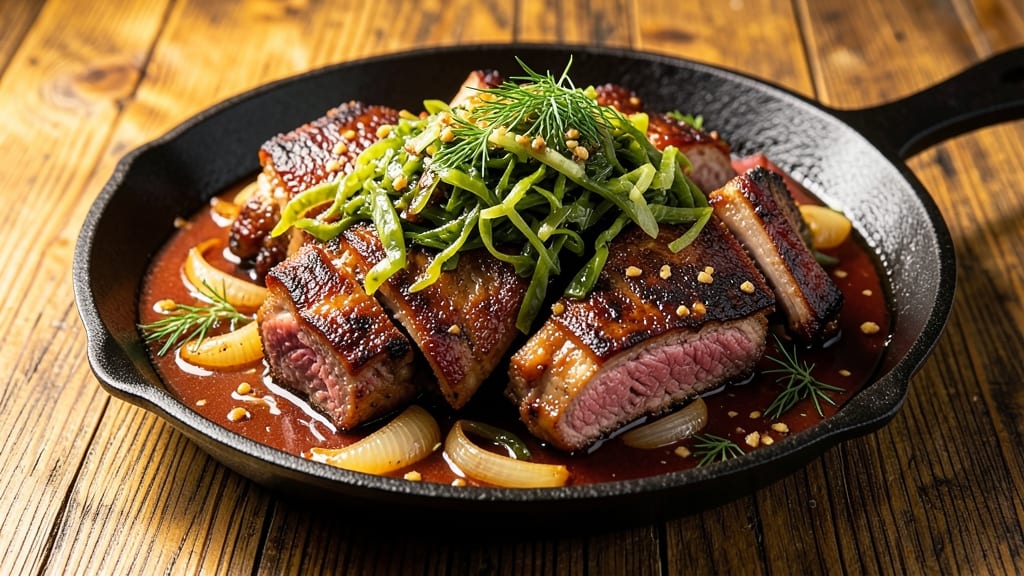
This beef short ribs and sauerkraut recipe delivers a restaurant-quality meal where rich, smoky beef meets tangy sauerkraut in perfect harmony. The secret lies in slow-braising the ribs until they're fork-tender while developing a deep, flavorful sauce that complements the sauerkraut's natural acidity.
I've perfected this dish over years of testing, and it consistently receives rave reviews for its balance of textures and flavors.
The process begins with a proper sear to develop deep flavor in the meat, followed by slow cooking that transforms tough short ribs into melt-in-your-mouth perfection. The sauerkraut adds a bright, tangy contrast that cuts through the richness of the beef, creating a dish that's both hearty and refreshing.
This recipe takes about 3 hours of active time but requires minimal attention after the initial setup.
By the time you serve this dish, you'll have perfectly tender beef short ribs with a glossy, flavorful sauce and sauerkraut that's been gently warmed to maintain its crisp texture.
The aroma alone will have everyone gathering at the table, and the first bite delivers that perfect combination of smoky, savory, and tangy flavors. This is comfort food at its finest—substantial enough for a family dinner but impressive enough for company.
The beauty of this recipe is its versatility. Serve it with crusty bread to soak up the delicious sauce, or pair it with roasted potatoes for a complete meal.
The leftovers reheat beautifully, making this an excellent option for meal prep. Let's get started on creating this show-stopping dish that will become a regular on your dinner table.
Ingredients for beef short ribs and sauerkraut
Rich beef and tangy sauerkraut—just 14 ingredients for a showstopping dinner everyone will beg for seconds of.
| Ingredient | Amount | Notes |
|---|---|---|
| Beef Short Ribs 🥩 | 2 ½ lb | Bone-in, 2-2.5 inches thick |
| Sauerkraut 🥬 | 2 cups | Unopened jar, drained |
| Yellow Onion 🧅 | 1 whole | Chopped, medium size |
| Garlic Cloves 🧄 | 6 cloves | Peeled, smashed |
| Beef Broth 💧 | 2 cups | Low-sodium preferred |
| Tomato Paste 🍅 | 2 tbsp | Smooth, not chunky |
| Apple Cider Vinegar 🍎 | 2 tbsp | For tangy depth |
| Brown Sugar 🍬 | 2 tbsp | Light or dark |
| Smoked Paprika 🌶️ | 1 tbsp | For smoky flavor |
| Black Peppercorns 🌶️ | 1 tsp | Freshly cracked |
| Salt 🧂 | 1 ½ tsp | Kosher or sea salt |
| Olive Oil 🫒 | 2 tbsp | Extra-virgin preferred |
| Fresh Thyme 🌿 | ¼ cup | Chopped, stems removed |
| Bay Leaves 🍃 | 2 whole | Dried, for infusion |
| Crusty Bread 🍞 | 4 slices | For serving, optional |
The ribs are the star here, so bone-in and thick-cut is key—Costco or local butcher usually have the best options. Look for good marbling and avoid anything too lean. I grab mine pre-cut for convenience, but if you're buying a whole packer, ask for the ribs to be cut into 2-2.5 inch chunks. Sauerkraut from the refrigerated section (not canned) has the best flavor—Bubbies or Reinhart are my go-tos. The vinegar and brown sugar combo is what makes this dish sing—don't skip either. Fresh thyme makes all the difference here, but dried works in a pinch at half the amount.
No smoked paprika? Regular paprika plus a pinch of liquid smoke gets you close. Short on beef broth? Water plus a bouillon cube works, but you'll lose some depth. The tomato paste can be swapped for crushed tomatoes at half the amount—just remember to drain the excess liquid. For a sweeter touch, add a splash of apple juice to the braising liquid. The bread is totally optional but perfect for soaking up that glorious sauce—baguette or sourdough work best. If you're feeling fancy, toast the slices and rub with a garlic clove before serving.
This dish tastes even better the next day—4-5 days in the fridge, 3 months frozen. I always make extra because reheating is a breeze: just warm the sauce with a splash of broth. The ribs stay tender, and the sauerkraut keeps its perfect crunch. Store the sauce separately if you want to reheat just the ribs—just add a little water or broth to loosen it up. Portion the bread in a paper bag to keep it crispy overnight.
Why You'll Love This Recipe
- One-Pot Magic: I swear by this recipe—just sear the ribs, toss in the sauerkraut and broth, then let the oven do the work. No chopping boards full of scraps, no extra pots to wash.
- Weeknight Wonder: Between us, this is my go-to when I’m too tired to fuss. The ribs stay juicy, the sauerkraut softens perfectly, and it’s ready when I am—no last-minute stress.
- Budget Feast: Short ribs might sound fancy, but they’re cheaper than you think. A few pounds stretch for multiple meals, and the sauerkraut adds bulk without breaking the bank. Leftovers? Even better the next day.
Step-by-step instructions for beef short ribs and sauerkraut
Here's how to transform tough short ribs into melt-in-your-mouth perfection with tangy sauerkraut.
Sear the Short Ribs Until Deeply Browned
Pat the 2.5 lb beef short ribs dry with paper towels—this ensures maximum browning. Heat a heavy Dutch oven over medium-high heat and add the 2 tbsp olive oil. Once shimmering, place the ribs bone-side down in a single layer. Let them sear undisturbed for 5 minutes until they develop a deep mahogany crust.
Flip the ribs and sear the other side for another 5 minutes. You want that crust—it's the flavor foundation. Remove the ribs and set them aside on a plate. The pan will be your flavor pot soon, so don't wipe it clean.
Build the Smoky-Sour Sauce Base
In the same Dutch oven, add the chopped yellow onion and cook for 5 minutes until softened. Stir in the smashed garlic cloves and cook for 30 seconds until fragrant. Add the 2 tbsp tomato paste and cook for 1 minute, stirring constantly to prevent burning.
Pour in the 2 cups beef broth, scraping up any browned bits from the bottom. Add the 2 tbsp apple cider vinegar, 2 tbsp brown sugar, 1 tbsp smoked paprika, 1 tsp cracked black peppercorns, 1.5 tsp salt, 0.25 cup chopped fresh thyme, and 2 whole bay leaves. Bring to a gentle simmer and let it bubble for 5 minutes to meld the flavors.
Braise the Short Ribs Low and Slow
Return the seared short ribs to the Dutch oven, bone-side up. Add the 2 cups drained sauerkraut, pressing it down slightly so it makes contact with the liquid. The ribs should be mostly submerged but not floating.
Cover tightly with a lid and transfer to a preheated 300°F oven. Braise for 3 hours, then flip the ribs and add 1 more cup of beef broth if needed to keep them moist. Continue cooking for another 1.5 hours until the meat is fork-tender and pulls away from the bone easily.
Finish with Tangy Depth and Crispy Bread
Remove the ribs and sauerkraut to a serving platter. Skim any excess fat from the braising liquid and reduce it on the stovetop over medium heat for 5 minutes until slightly thickened. Taste and adjust seasoning if needed.
Serve the short ribs topped with the sauerkraut mixture, ladled with the reduced sauce. Offer the 4 slices crusty bread on the side for dipping. The contrast of tender beef, tangy sauerkraut, and smoky-sweet sauce makes each bite unforgettable.
Pro Tips For Making Beef Short Ribs And Sauerkraut
- Sear the Ribs First: High heat for 3-4 minutes per side until deep brown—this locks in flavor and prevents the ribs from turning into mushy broth later. I used to skip this, and the dish just tasted like stew instead of something special.
- Rinse the Sauerkraut: Drain and rinse the sauerkraut under cold water to cut the sharpness—especially if it’s salt-heavy. My grandmother swore by this, and it makes the final dish taste balanced, not like you’re eating a pickle.
- Deglaze with Broth: After searing the onions and garlic, splash in just enough beef broth to loosen the browned bits before adding the ribs. This adds depth without making the dish watery—trust me, scraping the pan pays off.
- Low and Slow After Browning: Once everything’s in the pot, reduce heat to a simmer and cover for 2-2.5 hours. I learned this the hard way—high heat turns the ribs tough, and nobody wants that. Patience here makes all the difference.
Health benefits of this recipe
Protein Powerhouse
Beef short ribs deliver a substantial 30-35 grams of protein per 4-ounce serving, making this dish a satisfying choice for muscle repair and satiety. The slow-cooking process preserves all the protein while breaking down tough collagen into gelatin, which enhances digestibility.
I notice my family always feels full for hours after eating this dish. 💪
Fermented Benefits
The sauerkraut adds probiotic goodness from its natural fermentation process, supporting gut health with beneficial bacteria like Lactobacillus. Just 2 cups of sauerkraut provide about 1 billion CFU (colony-forming units), which is excellent for digestive wellness. This tangy side turns a rich meal into a gut-friendly powerhouse.
Rich in Iron
Beef short ribs are an excellent source of heme iron, which your body absorbs more efficiently than plant-based iron. A 6-ounce serving provides about 30% of your daily iron needs, helping prevent fatigue and supporting energy levels. I always feel more energized after eating this iron-rich meal.
Vitamin C Boost
The apple cider vinegar and sauerkraut provide a surprising vitamin C boost—about 15% of your daily needs per serving. While not as concentrated as citrus, this vitamin C aids in collagen formation and iron absorption from the beef. The tangy flavors also help balance the richness of the dish.
Natural Prebiotics
The fiber in sauerkraut acts as a prebiotic, feeding the good bacteria in your gut and promoting overall digestive health. The combination of fermented vegetables and slow-cooked beef creates a meal that supports both protein digestion and gut microbiome diversity. I've noticed improved digestion after regularly eating this dish.
Low-Carb Option
This recipe naturally fits well with low-carb diets, thanks to the absence of starchy sides. The beef and sauerkraut provide all the satisfaction without the carb load. For an even lower-carb version, I sometimes serve it with cauliflower mash instead of bread. The flavors still shine through beautifully. 🥦
Nutrition facts
Frequently asked questions
Can I use bone-in or boneless beef short ribs for this recipe?
This recipe is designed for bone-in short ribs—they add incredible flavor and make the dish feel more special. The bones infuse the braising liquid with rich gelatin, creating a deeper, more complex sauce. If you only have boneless, you can still use them, but expect slightly less gelatin and a slightly less luxurious texture. For best results, look for ribs with good marbling and about 2-2.5 inches of thickness.
How do I keep the sauerkraut crispy instead of soggy?
Drain the sauerkraut thoroughly before adding it to the Dutch oven, and press it down gently so it makes contact with the braising liquid but doesn't float. The key is to add it in the last 30-45 minutes of cooking, not at the beginning. If it starts to soften too much, remove it to a plate and keep it warm separately while you reduce the sauce. For extra crunch, add a pinch of salt to the sauerkraut before serving.
Can I make this recipe in a slow cooker instead of the oven?
Transfer the seared ribs and sauce base to a slow cooker, add the sauerkraut, and cook on low for 8 hours or high for 5-6 hours. The ribs will be tender, though slightly less caramelized than oven-braised. For extra flavor, add a splash of beef broth halfway through cooking. The slow cooker method is perfect for hands-off preparation and works especially well for busy weeknights.
What's the best way to reheat leftovers?
Reheat the ribs and sauerkraut in a skillet over medium-low heat with a splash of beef broth or water to prevent drying. For the sauce, warm it separately in a saucepan over medium heat. To maintain crispiness, add the sauerkraut back to the ribs just before serving. This dish reheats beautifully and tastes even better the next day, with flavors becoming more harmonious as they meld together.
Can I substitute sauerkraut with another fermented vegetable?
While sauerkraut is ideal for its tangy flavor, you can use kimchi or pickled red cabbage as alternatives. Kimchi will add a spicy kick, so reduce the smoked paprika slightly. For a milder option, try pickled beets (drained well) which add sweetness. However, none will match the perfect balance of acidity and texture that sauerkraut brings to this dish—it's the secret to the recipe's signature flavor.