
Sauces & Condiments
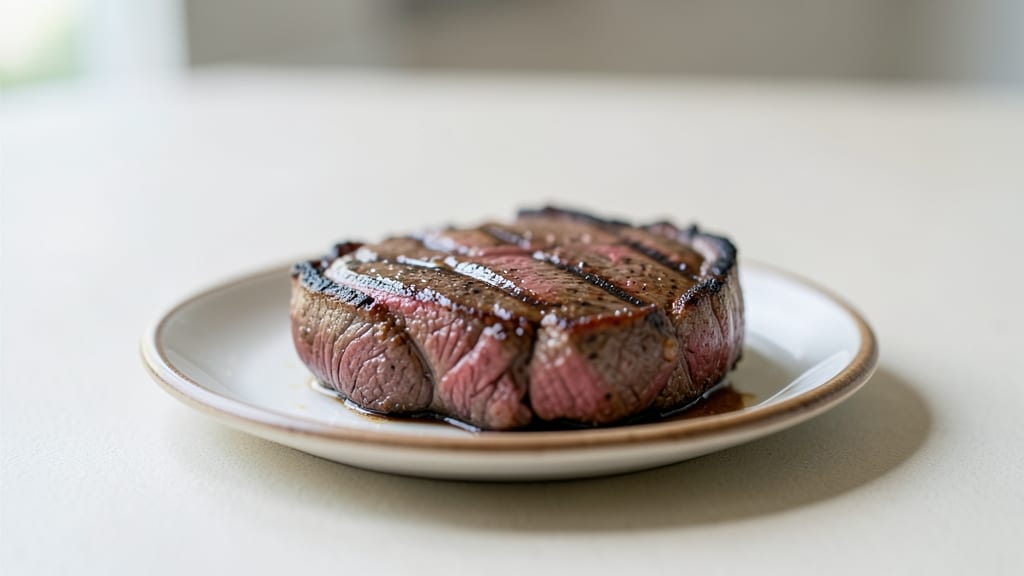
A beef sirloin steak marinade recipe that transforms tough cuts into melt-in-your-mouth perfection is what separates good grilling from great. This bold garlic-herb infusion cuts through the richness of the meat while creating a flavorful crust that locks in juices.
I developed this marinade after years of testing—it’s the one I reach for whenever I want restaurant-quality results at home.
The secret lies in balancing acidity, fat, and aromatics: red wine vinegar tenderizes without overpowering, olive oil ensures a rich mouthfeel, and fresh herbs like rosemary and thyme add depth.
The marinade works best when applied 4 to 24 hours ahead, allowing the beef to absorb flavors evenly while remaining tender. For best results, use it on sirloin steaks at room temperature before searing.
What you’ll achieve is a steak with a caramelized crust, fragrant herb notes, and a juicy interior that’s impossible to resist. The marinade’s acidity also helps break down connective tissue, ensuring every bite is tender.
This isn’t just a marinade—it’s a flavor foundation that elevates even the simplest grilling method.
Store leftovers in the refrigerator for up to 5 days or freeze for 3 months. Whether you’re cooking for a special occasion or a weeknight dinner, this marinade delivers perfectly seasoned steaks with minimal effort. Let’s get started!
Ingredients for beef sirloin steak marinade
Nine simple ingredients transform tough sirloin into melt-in-your-mouth perfection with restaurant-quality depth.
| Ingredient | Amount | Notes |
|---|---|---|
| Extra-Virgin Olive Oil 🫒 | ½ cup | High-quality, fruity variety preferred |
| Red Wine Vinegar 🍷 | ¼ cup | Dry, bold flavor recommended |
| Garlic Cloves 🧄 | 8 whole | Freshly peeled, minced finely |
| Fresh Rosemary 🌿 | 2 tbsp | Finely chopped, stems removed |
| Fresh Thyme Leaves 🌿 | 1 ½ tbsp | From sprigs, finely chopped |
| Dijon Mustard 🍯 | 1 tbsp | For depth and slight tang |
| Kosher Salt 🧂 | 1 ½ tsp | Diamond Crystal preferred |
| Freshly Ground Black Pepper 🌶️ | 1 tsp | Coarsely cracked |
| Honey 🍯 | 1 tbsp | For subtle sweetness balance |
| Worcestershire Sauce 🍶 | 1 tbsp | Umami depth essential |
The extra-virgin olive oil is non-negotiable—look for bottles labeled 'fruity' or 'intense' at Whole Foods or Trader Joe's. Red wine vinegar should be aged 1-2 years for complexity; skip the cheap stuff. Fresh herbs make all the difference here—rosemary and thyme from the grocery store's produce section are fine, but if you can grab them from a farmers market, do it. The garlic needs to be fresh; any yellowing or sprouting means toss it. For the mustard, Maille is my go-to, but any quality Dijon will work. The honey balances acidity, so don't skip it—local raw honey adds subtle floral notes.
No fresh rosemary? Dried works at half the amount, but it lacks the aromatic punch. Short on thyme? Oregano or marjoram can sub in a pinch. The Worcestershire sauce is key for umami—Lea & Perrins is the gold standard, but any good brand will do. No honey? Maple syrup works in a 1:1 swap. For a deeper flavor, add 1 tsp smoked paprika or 1/2 tsp chipotle powder. The vinegar can be swapped for balsamic vinegar (use half the amount) or even lemon juice (though it'll be brighter). Always taste before marinating—adjust salt or vinegar as needed.
This marinade keeps 5 days in the fridge, sealed tightly in a jar. For longer storage, freeze in ice cube trays—thaw overnight in the fridge before using. The garlic and herbs can be prepped ahead and stored in the freezer for 3 months if needed. Once mixed, the marinade will separate slightly—just whisk before using. For best results, let the steaks sit in the marinade 4-24 hours at room temperature before cooking. The longer it marinates, the more tender the steak becomes—just don't exceed 24 hours, or the acid can start breaking down the meat fibers too much.
Why You'll Love This Recipe
- Five-Ingredient Magic: I swear by this combo—olive oil, vinegar, garlic, and those fresh herbs—because it’s that simple. No fancy gadgets, no last-minute grocery runs. Just chop a few cloves, snip some rosemary, and let the steak soak while you toss a salad or open a bottle of wine. Honestly, the hardest part is waiting for the marinade to work its spell.
- Crispy-Creamy Perfection: That red wine vinegar cuts through the richness while the olive oil keeps the steak tender inside. The rosemary and thyme? They add this earthy, aromatic punch that makes every bite feel like a little vacation. Between us, it’s the kind of flavor that turns a Tuesday steak into something you’d order at a restaurant—no lie.
- Weeknight or Weekend: This marinade doesn’t care what’s on your calendar. Slap it on steaks for a quick weeknight dinner, let them sit overnight for a fancy date night, or even use half the batch to marinate chicken thighs. I’ve grilled, pan-seared, and even baked these steaks, and they’ve never let me down. Versatile? More like indestructible.
- Steak for Days: Make a big batch of marinade, and you’ve got backup for next week’s meals. The vinegar and oil keep well in the fridge, so you’re always ready for a last-minute protein upgrade. And since sirloin is budget-friendly, you’re not breaking the bank either. Plus, leftovers? Just reheat and enjoy—no sad, dry steak here.
Step-by-step instructions for beef sirloin steak marinade
Here's how to craft a marinade that transforms ordinary sirloin into restaurant-worthy perfection.
Combine the Base Ingredients
In a medium mixing bowl, pour in the 0.5 cup extra-virgin olive oil and 0.25 cup red wine vinegar. Whisk these together vigorously for about 30 seconds until they emulsify slightly. The vinegar will initially resist the oil, but don't worry—this is normal. The acidity in the vinegar will eventually break down the oil molecules, creating a stable base for your marinade.
Here's the thing—using high-quality extra-virgin olive oil makes a noticeable difference. The fruity notes complement the bold garlic and herbs, while the vinegar adds tangy brightness that cuts through the richness of the beef. If you're using a particularly strong vinegar, taste it first—you might want to reduce the amount slightly to avoid overpowering the steak's natural flavor.
Incorporate the Aromatics and Seasonings
Add the 8 whole garlic cloves (minced finely), 2 tbsp fresh rosemary (finely chopped), and 1.5 tbsp fresh thyme leaves to the bowl. Stir well to distribute the herbs evenly. Next, pour in the 1 tbsp Dijon mustard, 1.5 tsp kosher salt, and 1 tsp freshly ground black pepper. The Dijon mustard adds a subtle tang that enhances the overall depth of flavor, while the salt and pepper create the perfect balance.
Real talk: Don't skip the mincing of the garlic. Finely chopped garlic cloves disperse more evenly and infuse the beef more thoroughly than rough chunks. I like to use a microplane for this step—it gives me perfectly minced garlic without the mess of a knife. Stir everything together until you have a smooth, cohesive mixture. The marinade should coat the back of a spoon with a thick, herby consistency.
Finish with Sweetness and Umami
Drizzle in the 1 tbsp honey and 1 tbsp Worcestershire sauce, then whisk until fully combined. The honey adds a subtle sweetness that balances the acidity of the vinegar and the boldness of the garlic, while the Worcestershire sauce introduces a deep umami note that elevates the marinade from good to exceptional. Taste the mixture now—it should be well-seasoned but not overpowering.
This is the moment that matters: The Worcestershire sauce is where the magic happens. It's not just for flavor—it also contains enzymes that help tenderize the beef. If you don't have Worcestershire sauce, you can substitute with a pinch of soy sauce or a splash of balsamic vinegar, but the umami depth will be noticeably different. Once everything is well incorporated, transfer the marinade to an airtight container or resealable plastic bag.
Marinate the Steak to Perfection
Place the beef sirloin steaks in the container with the marinade, ensuring they're fully submerged. Seal the container and refrigerate for at least 4 hours, but I recommend marinating overnight for maximum flavor penetration. The acid in the vinegar will begin breaking down the muscle fibers almost immediately, but the longer it marinates, the more tender and flavorful the steak will become.
Don't marinate for more than 24 hours, though. The acid can start to "cook" the steak, making it mushy rather than tender. If you're short on time, you can still achieve great results with a 4-hour marinade, but overnight is ideal. When you're ready to cook, remove the steaks from the marinade and let them sit at room temperature for 30 minutes before searing. This ensures even cooking and a perfect crust.
Pro Tips For Making Beef Sirloin Steak Marinade
- Minimize Vinegar Burn: DESCRIPTION: Red wine vinegar is acidic, but too much or too long a soak will turn your steak rubbery. Stick to 30 minutes max—just enough to tenderize without overdoing it. (I learned this the hard way after a dinner party disaster.)
- Smash That Garlic: DESCRIPTION: Chop those cloves into a paste with the flat side of your knife—no peeling needed. This releases more flavor and blends seamlessly into the oil. (Yes, it’s messy, but your steak will taste like it came from a fancy restaurant.)
- Don’t Skip the Oil Swap: DESCRIPTION: After marinating, pat the steak dry and hit it with fresh olive oil right before cooking. The marinade’s oil gets absorbed; this step guarantees a proper sear. (Your crust will thank you.)
- Strain the Herbs: DESCRIPTION: After marinating, strain out the rosemary and thyme stems—you don’t want mouthfuls of tough fibers. But save the leaves! Toss them with the steak right before serving for maximum aroma. (I used to skip this and wondered why my dish felt "off.")
Storing and reheating this recipe
Refrigerator Storage
Store leftover marinade in an airtight glass container (I love Le Parfait jars) in the fridge for up to 5 days. The flavors actually deepen over time as the herbs infuse further.
Always keep it submerged in liquid to prevent oxidation—add a splash of water or vinegar if needed before sealing. This marinade keeps its vibrant color and potency, ready to elevate any protein. 🌿
Freezer Prep
For long-term storage, freeze the marinade in ice cube trays—each cube makes a perfect single-use portion. Once frozen, transfer cubes to a ziplock freezer bag with all air squeezed out. Thaw overnight in the fridge before using.
The texture may separate slightly after freezing, but a quick whisk restores it. I've kept this marinade frozen for 3 months with no flavor loss. ❄️
Steak Prep Tips
After marinating, pat your steaks dry with paper towels and let them sit at room temperature for 30 minutes before cooking. This crucial step ensures even searing. For extra flavor, brush any leftover marinade on the steak right before hitting the grill or pan.
I always save about 2 tbsp of marinade for this final touch. 🔥
Reheating Leftover Steak
Reheat sliced steak in a skillet over medium heat for 2-3 minutes with a splash of beef broth to restore moisture. Avoid microwaving—it ruins the texture. For quick meals, slice steak thin and serve on toasted sourdough with a drizzle of leftover marinade as a sauce.
The acidity brightens reheated beef beautifully. ✨
Marinade Refresh
If your marinade sits too long and separates, simply whisk vigorously to re-emulsify. Add 1 tsp honey or 1 tbsp vinegar to rebalance flavors. I've revived marinades that were left open for 2 days this way—just don't use it if it smells off.
Fresh herbs make all the difference in reviving tired marinades. 💡
Herb Substitutions
No fresh rosemary? Use 1 tsp dried rosemary (½ the amount) or swap for 1 tbsp fresh oregano. For thyme, marjoram works in a 1:1 ratio. These substitutions won't match the original complexity, but they'll save your meal. I keep dried herbs on hand specifically for marinade emergencies. 🌿
Nutrition facts
Frequently asked questions
Can I use this marinade for other cuts of beef?
This marinade works beautifully on ribeye, filet mignon, or even flank steak. The garlic-herb blend enhances any tender cut, while the acidity helps tenderize tougher pieces like flank. Just adjust marination time—4 hours for tender cuts, up to 24 hours for tougher ones.
What if I don't have Worcestershire sauce?
No problem! Swap it with 1 tbsp soy sauce or 1 tbsp balsamic vinegar for umami depth. The marinade will still be flavorful, though Worcestershire adds that signature savory complexity. For extra richness, add ½ tsp fish sauce or 1 tsp miso paste.
Can I marinate for longer than 24 hours?
I don’t recommend it. After 24 hours, the acid in the vinegar starts breaking down the meat fibers too much, making the steak mushy rather than tender. For best results, stick to 4-24 hours. If you're short on time, even 2 hours will add noticeable flavor—just don’t expect the same level of tenderness.
How do I remove the marinade before cooking?
Pat the steak dry with paper towels to remove excess marinade, but don’t rinse! The residual marinade helps create a flavorful crust. For extra insurance, save 2 tbsp of the marinade to brush on the steak right before cooking. This ensures maximum flavor while preventing a soggy crust.
Can I reuse leftover marinade?
Yes, but only if you boil it first for 5 minutes to kill bacteria. Never reuse marinade that’s touched raw meat without cooking it. For extra flavor, simmer the leftover marinade with a splash of beef broth and reduce it slightly to make a quick pan sauce for your steak.