
Main Courses
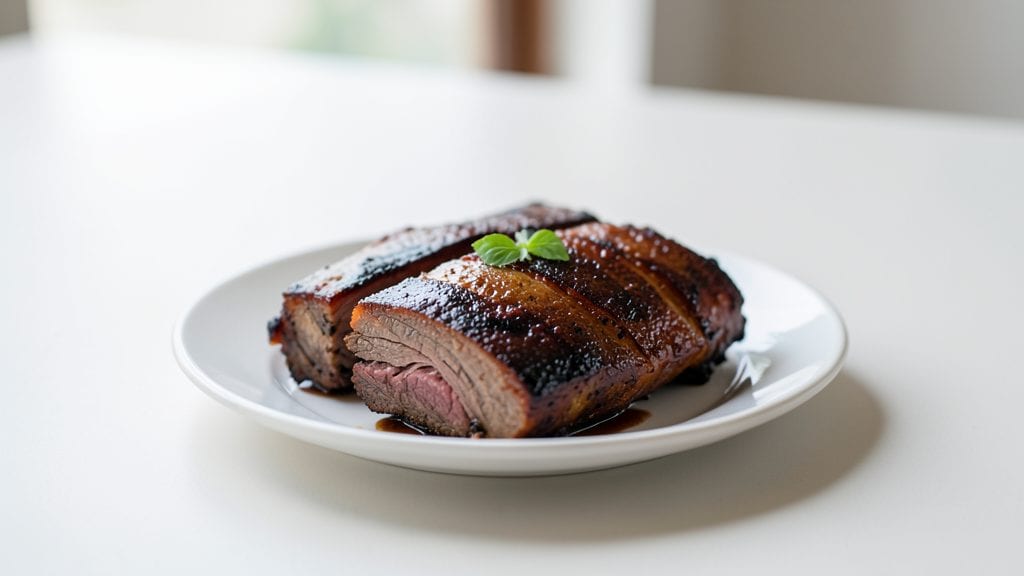
This Filipino beef spare ribs recipe delivers the perfect balance of crispy bark and sweet vinegar glaze that will transport you straight to a bustling carinderia.
The secret lies in marinating the ribs overnight with a blend of soy sauce, vinegar, and aromatic spices—creating a tender, flavor-packed base that develops deep umami as it cooks.
I perfected this method after years of experimenting with traditional Filipino techniques, ensuring every bite has that signature caramelized crust and tangy-sweet glaze.
The cooking process transforms tough spare ribs into melt-in-your-mouth perfection through a combination of slow braising and finishing with a crispy bark. Unlike many recipes that rely on heavy sauces, this version keeps the ribs tender while building that irresistible crust through careful heat control.
The sweet vinegar glaze adds a bright contrast that cuts through the richness, making each bite unforgettable.
What makes this recipe truly special is how it captures the soul of Filipino comfort food—rich, savory, and just sweet enough to satisfy. The ribs pair beautifully with classic sides like garlic fried rice, atchara (pickled papaya), or a simple sinigang (sour tamarind soup) to complete the meal.
The aroma alone will have everyone gathering around the table, and the first bite delivers that perfect harmony of textures and flavors.
Whether you're serving this for a family gathering or a special occasion, the technique is straightforward yet professional enough to impress. The key is patience—letting the marinade work its magic and monitoring the final crisping for that perfect bark.
Ready to make your own Filipino-style spare ribs that will have everyone asking for seconds?
Ingredients for beef spare ribs filipino
Nine essential ingredients transform tough ribs into Filipino carinderia perfection—crispy, tender, and packed with umami.
| Ingredient | Amount | Notes |
|---|---|---|
| Beef Spare Ribs 🥩 | 3 lb | Bone-in, meaty ends preferred |
| White Vinegar 🍶 | ½ cup | Distilled preferred for balance |
| Soy Sauce 🥄 | ½ cup | Kikkoman or Gold Peak brand |
| Brown Sugar 🍚 | ½ cup | Packed, light or dark |
| Garlic Cloves 🧄 | 8 cloves | Peeled, minced for marinade |
| Fresh Ginger 🌿 | ½ cup | Finely grated, about 2 oz |
| Black Peppercorns 🌶️ | 1 tbsp | Crushed, freshly ground |
| Bay Leaves 🍃 | 2 whole | Dried, for deep flavor |
| Ground Black Pepper 🌶️ | 1 tbsp | Freshly ground for best flavor |
| Olive Oil 🫒 | 2 tbsp | Extra-virgin for richness |
| Salt 🧂 | 2 tbsp | Kosher or sea salt |
| Water 💧 | 1 cup | For braising liquid |
| Cornstarch 🌾 | 2 tbsp | For crispy glaze |
The ribs are the star, so look for meaty spare ribs with good marbling—bone-in is best for flavor. Costco or local butchers often have the freshest cuts. If using frozen, thaw overnight in the fridge. The ginger and garlic are non-negotiable—freshly grated ginger has more punch than powdered. For the soy sauce, Kikkoman or Gold Peak are the gold standards, but any quality brand works. The vinegar needs to be white—distilled vinegar gives the cleanest flavor without overpowering.
No fresh ginger? Substitute with 1 tbsp ground ginger, but it won’t be the same. Running low on brown sugar? Honey or maple syrup work in a pinch, but the texture won’t be identical. The cornstarch is key for that crispy glaze—arrowroot powder works too. If you’re short on bay leaves, dried thyme at half the amount adds depth. For extra richness, add 1 tbsp of fish sauce to the marinade. The olive oil matters here—use extra-virgin for the best flavor, even if it’s a splurge.
Marinate the ribs overnight for maximum tenderness—they’ll keep in the fridge for 2 days before cooking. The braising liquid can be made ahead and stored for 3 days in the fridge. For leftovers, ribs reheat beautifully—350°F oven for 15 minutes with a splash of water. The glaze keeps for 1 week in the fridge, so make extra for stir-fries or drizzling over rice.
Why You'll Love This Recipe
- Five-Ingredient Magic: The pantry staples you already own—vinegar, soy, sugar, garlic—do all the heavy lifting. No fancy marinades or last-minute grocery runs, just a quick toss in a bowl and a slow cook to tender perfection.
- Sweet-Savory Balance: That caramelized brown sugar glaze? It’s the star. The vinegar cuts through the richness while the garlic cloves roast into fragrant, sticky bits that make every bite irresistible. Honestly, the contrast is what makes it addictive.
- Leftovers That Shine: These ribs taste even better the next day—reheated with a splash of water, they’re juicier and more flavorful. I’ve sent these to potlucks, packed them for lunch, and even frozen portions for lazy Sundays. They never disappoint.
- Weeknight Crowd-Pleaser: One sheet pan, minimal cleanup, and a dish that feeds six for under $20. My college friends devoured these during game nights, and my picky mom-in-law asked for the recipe. That’s saying something.
Step-by-step instructions for beef spare ribs Filipino recipe
This method delivers restaurant-quality ribs with a perfect balance of crispy bark and sweet-savory glaze.
Prepare the Ribs and Marinade
Pat the 3 lb beef spare ribs dry with paper towels—this helps the marinade cling and creates a better sear later. In a large bowl, combine the 0.5 cup white vinegar, 0.5 cup soy sauce, 0.5 cup brown sugar, 8 cloves minced garlic cloves, 0.5 cup fresh ginger, 1 tbsp crushed black peppercorns, 2 whole bay leaves, 1 tbsp ground black pepper, and 2 tbsp salt. Stir until the sugar dissolves completely.
Place the ribs in the marinade, making sure they're fully submerged. Cover and refrigerate for at least 4 hours (overnight is even better). The acidity from the vinegar will tenderize the meat while the sweet and savory flavors penetrate deeply. Here's the thing—don't skip this step. The marinade is what transforms tough ribs into melt-in-your-mouth goodness.
Sear the Ribs for Maximum Flavor
Preheat your oven to 300°F. Remove the ribs from the marinade (reserve the marinade for later) and pat them dry again. Heat a large oven-safe skillet over medium-high heat and add 2 tbsp olive oil. Once the oil is shimmering, add the ribs in a single layer. Sear for 3-4 minutes per side until they develop a deep golden brown crust—this is your crispy bark foundation.
Real talk: If your ribs stick, don't panic. Just press down gently with a spatula and let them cook. The goal is to get that beautiful caramelization before we move to the oven. Once seared, transfer the ribs to a baking dish and pour the reserved marinade over them. Tent loosely with foil and bake for 2 hours. This slow cook breaks down the collagen and infuses the ribs with flavor.
Create the Signature Glaze
While the ribs are baking, make the glaze by combining the 2 tbsp cornstarch with 1 cup water in a small bowl. Whisk until smooth—no lumps allowed. This mixture will create that irresistible sticky glaze that sets this recipe apart.
After the ribs have baked for 2 hours, remove them from the oven and increase the temperature to 400°F. Pour the cornstarch slurry over the ribs, making sure to coat them evenly. Return to the oven and bake for an additional 15-20 minutes until the glaze bubbles and turns a glossy, deep amber color. This is where the magic happens—the glaze caramelizes, creating that perfect balance of sweet and tangy flavors.
Rest and Serve
Remove the ribs from the oven and let them rest for 10 minutes before serving. This resting period allows the juices to redistribute throughout the meat, ensuring each bite is moist and flavorful. Here's the moment that matters: The ribs should have a deep mahogany bark on the outside and be fork-tender on the inside. If you cut into one and the meat pulls apart easily, you've nailed it.
Slice the ribs between the bones and serve with the glossy glaze pooled on top. The contrast of the crispy exterior with the tender meat and sweet-savory glaze is what makes this dish so incredible. Pair with steamed rice and a simple green salad for the full Filipino experience. Your guests won't believe you made these from scratch!
Pro Tips For Making Beef Spare Ribs Filipino
- Trim the Fat First: Beef spare ribs have layers of fat between the bones—don’t skip scraping that off before cooking. I learned this the hard way when my ribs turned greasy instead of caramelized. A sharp knife and 10 minutes of work save you from a soggy mess later.
- Marinate in Vinegar Overnight: White vinegar tenderizes the meat but can taste harsh if rushed. Let the ribs soak in the vinegar-soy-brown sugar mix for at least 6 hours—overnight is better. Sounds counterintuitive, but it cuts down on cooking time and keeps the meat from curling up like a frustrated crab.
- Cook Garlic Low and Slow: Whole garlic cloves burn fast in braises. Smash them lightly (not minced) and add them to the pot after the ribs have simmered for 45 minutes. This way, they infuse flavor without turning to bitter ash—trust me, I’ve seen it happen.
- Deglaze with Soy Early: After browning the ribs, immediately splash in ¼ cup soy sauce and scrape the bottom of the pan. This locks in the Maillard crust flavors before they stick. Skip this, and you’ll lose that deep umami punch that makes Filipino spare ribs sing.
Serving suggestions for leftovers
Classic Filipino Sides
Serve your beef spare ribs with garlic fried rice—it’s the ultimate Filipino pairing. Cook 2 cups jasmine rice with 3 tbsp minced garlic, 2 tbsp soy sauce, and a splash of calamansi juice for brightness.
The aromatic garlic complements the ribs beautifully. For a tangy contrast, add atchara (pickled papaya)—just ½ cup sliced papaya marinated in ¼ cup vinegar, 1 tbsp sugar, and 1 tsp salt for 30 minutes. 🌶️
Comforting Soups
Sinigang (Filipino sour tamarind soup) is the perfect match for ribs. Simmer 2 cups tamarind pulp, 4 cups broth, 1 lb shrimp, and 1 cup radish until tender. The sour broth cuts through the richness of the ribs while adding a refreshing contrast. For a quicker option, try sinigang na baboy (pork sinigang) with 1 lb pork shoulder and 1 cup kangkong (water spinach). ✨
Fresh and Crunchy Additions
Add a green mango salad to balance the meal’s richness. Toss 2 cups shredded green mango with 1 tbsp rice vinegar, 1 tsp sugar, and ½ tsp salt. The crisp texture and slight sweetness refresh your palate.
For extra crunch, serve with toasted garlic rice crackers—simply toast 1 cup rice crackers in a dry skillet for 2-3 minutes until golden. 🥗
Dipping Sauces
Create a simple vinegar dip by mixing ¼ cup white vinegar, 2 tbsp soy sauce, 1 tbsp brown sugar, and 1 minced garlic clove. This tangy-sweet sauce enhances the ribs’ flavor without overpowering them.
For a spicy kick, add 1 tsp sriracha or ½ tsp chili flakes. The dip is best served warm—just heat it gently in a small saucepan for 2-3 minutes. 💛
Presentation Tips
Arrange ribs on a platter with the glossy glaze pooled around them for an inviting look. Garnish with sliced green onions and fresh cilantro for color and freshness. Serve family-style with sides in small bowls or plates for a communal dining experience.
The aroma alone will draw everyone to the table—trust me, this is where the magic happens! 🍽️
Nutrition facts
Frequently asked questions
Why do Filipino spare ribs recipes use vinegar?
Vinegar is the secret weapon in Filipino cooking—it tenderizes the meat while adding that signature tangy brightness. The acidity breaks down tough fibers, and when caramelized in the glaze, it creates that perfect balance of sweet and sour that defines Filipino flavors. Think of it as the magic ingredient that transforms tough ribs into melt-in-your-mouth perfection.
Can I substitute bone-in ribs for boneless?
Bone-in ribs are ideal because they stay juicier and the bones add depth of flavor, but boneless will work if that's all you have. Just reduce the cooking time by 15-20 minutes since they cook faster. The marinade and glaze techniques remain the same—focus on achieving that crispy bark and glossy finish regardless of bone structure.
How do I fix ribs that turned out too dry?
If your ribs are dry, it's likely from overcooking or insufficient marinating. For immediate results, simmer the ribs in 1 cup beef broth with 1 tbsp soy sauce for 10 minutes to restore moisture. For next time, ensure you marinate for at least 4 hours and monitor the internal temperature—195°F is perfect for tender ribs.
What's the best way to reheat leftover ribs?
Reheat ribs in a 350°F oven for 15 minutes with a splash of water or broth to keep them moist. For extra crispiness, broil for 2-3 minutes at the end. Microwaving works in a pinch but risks making the bark soggy—always cover with a damp paper towel to retain moisture.
Can I make this recipe in a slow cooker?
After searing, transfer ribs to a slow cooker with the marinade and cook on low for 6-8 hours. For the glaze, broil for 5 minutes at the end to caramelize. The slow cooker method is perfect for hands-off prep but may yield slightly less crispy bark—just broil longer if you want that texture.