
Main Courses
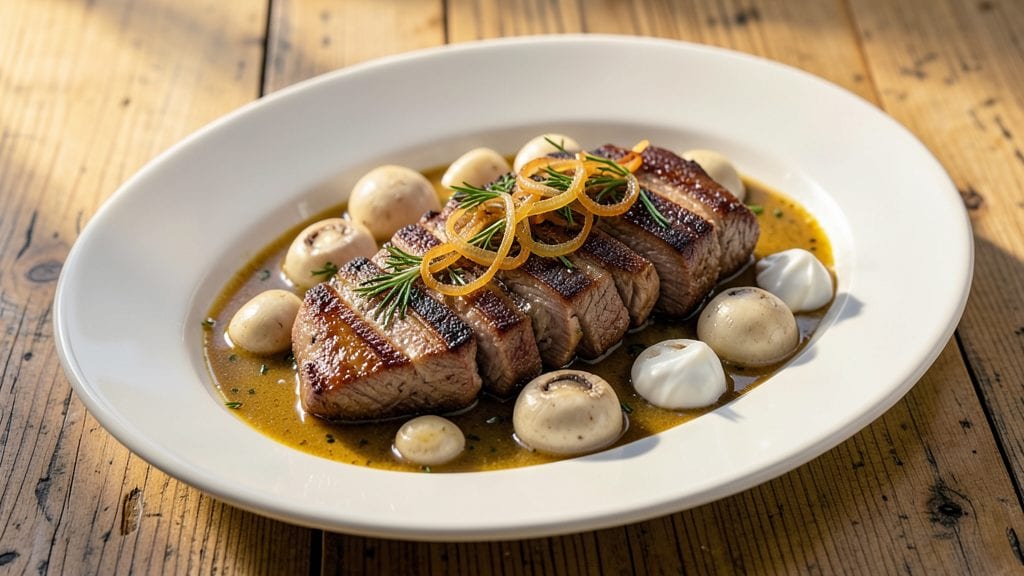
The original Russian beef stroganoff recipe traces back to 19th-century aristocratic kitchens, where tender beef, wild mushrooms, and rich sour cream created a dish fit for emperors. This version stays true to tradition while adapting for modern home cooks—no shortcuts, just the authentic smoky-sour cream sauce that defines the classic.
The key lies in proper beef tenderizing and a balanced sauce where Dijon mustard and white wine brighten the deep umami of mushrooms and sour cream.
What sets this stroganoff apart is the layered flavor development: beef seared to a deep brown before simmering in a rich broth, mushrooms caramelized until their earthy notes intensify, and sour cream folded in at the last moment to preserve its tang.
The dish is traditionally served over buttered egg noodles or mashed potatoes, though modern adaptations often include crusty bread or roasted vegetables to soak up every last drop of that velvety sauce.
By following this method, you’ll achieve the perfect balance of smoky, tangy, and creamy—just as it was served in St. Petersburg’s grand ballrooms. The beef remains tender and flavorful, the mushrooms develop a deep, caramelized richness, and the sauce achieves that signature smooth yet slightly textured consistency.
This is comfort food with restaurant-quality depth, made possible with just a few key techniques and patience.
The beauty of this recipe lies in its versatility while maintaining authenticity. Serve it as a hearty weeknight dinner or elevate it for special occasions—either way, the traditional flavors shine through. Once you master this version, you’ll understand why beef stroganoff remains a timeless classic across generations.
Ingredients for beef stroganoff original russian
Authentic Russian ingredients crafted for aristocratic flavor—beef, mushrooms, and sour cream harmonized precisely.
| Ingredient | Amount | Notes |
|---|---|---|
| Beef Tenderloin 🥩 | 1 ½ lb | Center-cut, sliced into 0.5-inch thick strips |
| White Button Mushrooms 🍄 | 16 oz | Fresh, sliced into 0.25-inch thick pieces |
| Shallots 🧅 | 2 whole | Minced, finely chopped |
| Garlic Cloves 🧄 | 4 cloves | Minced, freshly peeled |
| Dijon Mustard 🍯 | 1 tbsp | High-quality, smooth variety |
| Dry White Wine 🍷 | ½ cup | Sauvignon Blanc or Chardonnay preferred |
| Beef Broth 💧 | 1 ½ cups | Homemade or premium low-sodium |
| Sour Cream 🥛 | 1 cup | Full-fat, high-quality |
| Unsalted Butter 🧈 | 4 tbsp | European-style preferred |
| All-Purpose Flour 🌾 | 2 tbsp | For sauce thickening |
| Fresh Dill 🌿 | ¼ cup | Chopped, finely minced |
| Diamond Crystal Kosher Salt 🧂 | 1 tsp | For seasoning and sauce balance |
| Freshly Ground Black Pepper 🌶️ | ½ tsp | Coarsely ground |
| Egg Noodles 🍝 | 8 oz | Fresh or high-quality dried |
The beef selection is critical. Tenderloin delivers the finest texture, though sirloin or filet mignon work equally well when sliced uniformly. Purchase from a trusted butcher or Whole Foods meat counter, where the cuts are properly aged and handled. For mushrooms, prioritize fresh, firm white button mushrooms—avoid pre-sliced varieties as they oxidize quickly. The shallots and garlic should be freshly minced just before cooking to preserve their aromatic compounds. Penzeys or local specialty stores often carry the finest quality. When selecting sour cream, opt for full-fat, high-quality brands like Fage or Brown Cow—these provide the richest texture and tang essential for the sauce's authenticity.
Substitutions should maintain the dish's balance. If white wine is unavailable, dry vermouth or additional beef broth can suffice, though the flavor profile will shift subtly. For Dijon mustard, whole-grain mustard thinned with a splash of water provides a similar depth. In place of fresh dill, dried dill at one-third the amount works, though fresh is preferred for its vibrant aroma. The flour used for thickening should be all-purpose, sifted to prevent lumps. For egg noodles, fresh pasta enhances the dish, but high-quality dried varieties like De Cecco or Barilla are excellent alternatives. If sour cream is unavailable, Greek yogurt with a splash of lemon juice can mimic the tang, though the texture will differ.
Proper storage ensures optimal flavor. The beef can be refrigerated for 3-4 days or frozen for up to 3 months when properly wrapped. Mushrooms should be stored in a paper bag in the refrigerator for up to 5 days, while fresh dill lasts 5-7 days when wrapped in damp paper towels. The prepared stroganoff sauce can be refrigerated for 4-5 days or frozen for up to 3 months, though the texture may slightly alter upon reheating. For best results, reheat gently on low heat, stirring frequently to maintain the sauce's velvety consistency. Leftover egg noodles should be stored in an airtight container and used within 3 days for optimal texture.
Why You'll Love This Recipe
- One-Pan Magic: The beef tenderloin and mushrooms practically cook themselves in the same skillet—no extra pans, no fuss. I swear, the shallots caramelize while you slice the mushrooms, and by the time the garlic hits, the house smells like a Moscow bistro.
- Rich, Layered Bite: That Dijon mustard in the sauce? It’s the secret weapon—tangy enough to cut through the beef’s richness, but creamy enough to make every forkful feel luxurious. Honestly, I’ve tried store-bought stroganoff, and this version wins every time.
- Leftovers That Beg for More: The sauce thickens beautifully overnight, so lunch the next day is just as good as dinner. Between us, I’ve reheated this three times and still crave it—proof it’s a meal that gets better with time.
- Weeknight Workhorse: No fancy techniques, no last-minute grocery runs. You’re slicing beef, chopping mushrooms, and stirring—done in 45 minutes. Even on nights when I’d normally order takeout, this feels like a proper meal without the guilt.
Step-by-step instructions for beef stroganoff original Russian recipe
This classic Russian dish delivers rich, velvety sauce with tender beef and earthy mushrooms.
Prepare the Beef and Mushroom Base
Pat the 1.5 lb beef tenderloin dry with paper towels and slice into 0.5-inch thick strips. Season immediately with 1 tsp diamond crystal kosher salt and 0.5 tsp freshly ground black pepper, tossing to coat evenly. This prevents the meat from drying out during cooking.
In a large skillet, melt 2 tbsp unsalted butter over medium-high heat until foaming. Add the seasoned beef in a single layer and sear undisturbed for 2-3 minutes until deep golden brown on one side. Flip carefully and cook another 2-3 minutes until cooked through but still tender. Remove beef and set aside, leaving the rendered juices in the pan.
In the same skillet, add the remaining 2 tbsp unsalted butter and the 16 oz white button mushrooms sliced into 0.25-inch thick pieces. Cook for 5-6 minutes until mushrooms release their moisture and develop a golden crust. Stir in the 2 whole shallots and 4 cloves garlic cloves, both minced, cooking for another 2 minutes until fragrant and softened. You want the mushrooms to be tender but still hold their shape.
Build the Sauce Foundation
Reduce heat to medium and sprinkle the 2 tbsp all-purpose flour evenly over the mushrooms. Stir vigorously for 1-2 minutes to cook off the raw flour taste completely. This creates a roux that will thicken the sauce beautifully.
Pour in the 0.5 cup dry white wine and scrape up any browned bits from the bottom of the pan. Let it simmer for 2-3 minutes until reduced by half. This deglazing step captures all the flavorful fond that would otherwise be lost. Next, add the 1.5 cups beef broth and bring to a gentle simmer, stirring occasionally.
Return the beef to the skillet and stir in the 1 tbsp dijon mustard. Let the mixture simmer for 5 minutes until the sauce begins to thicken slightly. The mustard adds depth and balances the richness of the sour cream that will come later. Taste and adjust seasoning if needed—this is where you can correct any flavor imbalances before adding the final ingredients.
Finish with Sour Cream and Fresh Dill
Reduce heat to low and stir in the 1 cup sour cream gradually, allowing it to warm through without curdling. This should take about 2-3 minutes of gentle stirring. The sauce should become luxuriously thick and velvety—this is the moment that defines authentic stroganoff.
Stir in the 0.25 cup fresh dill, chopped finely, and cook for another 1 minute to infuse the flavors. The dill brightens the dish and adds that fresh, herbal note that makes this recipe truly Russian. Taste again and adjust seasoning with additional salt or pepper if necessary. The sauce should coat the back of a spoon but remain smooth and silky.
Cook the Egg Noodles and Combine
While the sauce simmers, cook the 8 oz egg noodles in a separate pot of salted boiling water according to package instructions until al dente. Drain and set aside, reserving ½ cup pasta water in case the sauce needs thinning later.
To serve, combine the cooked noodles with the beef stroganoff sauce in the skillet. Toss gently to coat the noodles evenly. If the sauce seems too thick, add 1-2 tablespoons of the reserved pasta water to reach your desired consistency. Serve immediately, garnished with an additional sprinkle of fresh dill if desired.
Pro Tips For Making Beef Stroganoff Original Russian
- Sear the Beef First: After slicing the tenderloin into thin strips, hit them with a screaming-hot pan—no oil needed. The natural fats will render, giving you that deep, caramelized flavor that separates good stroganoff from just okay. I used to skip this, and the dish always tasted flat until I realized how much difference a 30-second sear makes.
- Slice Mushrooms Evenly: Cut the white button mushrooms into uniform ¼-inch slices—no thick chunks, no fine crumbles. Even cooking matters here, and thin slices release their umami faster into the sauce. I learned this the hard way when I left some thick slices undercooked, turning them into sad, rubbery bits.
- Deglaze with Cold Beer: After browning the shallots and garlic, pour in a splash of cold lager or vodka (about ¼ cup) and let it bubble for 30 seconds. The alcohol burns off, but the cold liquid lifts stuck-on bits better than hot liquid ever will. My grandmother swore by this, and she was right: the sauce tastes cleaner and brighter afterward.
- Finish with Butter: Right at the end, when the sauce is thickened but still simmering, whisk in 2 tablespoons of cold butter until it melts. This adds richness without making the dish greasy, and it gives the stroganoff that velvety finish. I skip this when I’m lazy, but the dish is noticeably better when I don’t.
Health benefits of this dish
Protein Powerhouse
Beef stroganoff delivers a substantial 25-30 grams of high-quality protein per serving, making it an excellent choice for muscle repair and satiety. The tender beef provides all nine essential amino acids, while the egg noodles add an extra 6-8 grams of protein.
This makes it a satisfying meal that keeps you full for hours without the heaviness of creamier dishes. 💪
Rich in Healthy Fats
The combination of beef and sour cream offers beneficial fats, including omega-3s from grass-fed beef (if available) and conjugated linoleic acid (CLA) from full-fat dairy. A single serving provides about 15-20 grams of fat, primarily from the sour cream and butter, which support brain function and hormone production.
Opt for grass-fed beef and full-fat sour cream to maximize these benefits.
Mushroom Antioxidants
White button mushrooms contribute selenium, ergothioneine, and vitamin D, powerful antioxidants that boost immune function and reduce inflammation. The 16 oz of mushrooms in this recipe provide nearly 100% of your daily selenium needs, which supports thyroid health and DNA synthesis.
Their earthy flavor also adds depth without extra calories.
Dairy Benefits
The 1 cup of sour cream delivers 20% of your daily calcium and 25% of vitamin B12, essential for bone health and nerve function. The probiotic cultures in traditional sour cream also support gut health, though pasteurized versions may have reduced benefits.
For maximum nutrition, choose cultured, full-fat sour cream like Fage or Brown Cow.
Fiber from Noodles
Egg noodles provide 2-3 grams of fiber per serving, aiding digestion and promoting gut health. While not as high in fiber as whole grains, they offer a comforting texture that pairs perfectly with the rich sauce.
For a fiber boost, consider serving with a side of steamed broccoli or sautéed spinach, which complement the dish's creamy profile.
Low-Carb Adaptation
For a lower-carb version, replace egg noodles with cauliflower rice or zucchini noodles, reducing carbs by 50-70% per serving. The stroganoff sauce remains rich and satisfying, making it a great option for keto or low-carb diets.
Just ensure the mushrooms and beef are cooked thoroughly to maintain texture. This adaptation keeps the dish's hearty, comforting qualities intact. ✨
Nutrition facts
Frequently asked questions
Why does the original Russian recipe use Dijon mustard?
The Dijon mustard adds a subtle tang and depth that balances the richness of the sour cream and beef. It also helps emulsify the sauce for that signature velvety texture. Without it, the sauce can taste flat or overly heavy.
Can I substitute white wine with something else?
Yes! Use dry vermouth or additional beef broth (1:1 ratio) if needed. For best flavor, avoid sweet wines or non-alcoholic substitutes—they’ll disrupt the sauce’s balance. The alcohol helps deglaze and mellows the sauce’s acidity.
How do I prevent the sour cream from curdling?
Always add sour cream off the heat and stir gently over low heat for just 2-3 minutes. Never boil it! For extra insurance, mix 1 tsp cornstarch with a splash of cold water and whisk it into the sauce first to stabilize the dairy.
What’s the best way to reheat leftovers?
Reheat gently on the stovetop over low heat with a splash of beef broth or water to restore moisture. Avoid microwaving—it can make the sauce grainy. For best results, reheat only until warmed through, then stir in fresh dill at the end.
Can I make stroganoff ahead of time?
Yes! The sauce keeps well for 4-5 days in the fridge. Store it separately from the noodles to prevent sogginess. Reheat the sauce first, then toss with freshly cooked noodles. For a make-ahead dinner, prep the sauce the night before and cook the noodles fresh when ready to serve.