
Main Courses
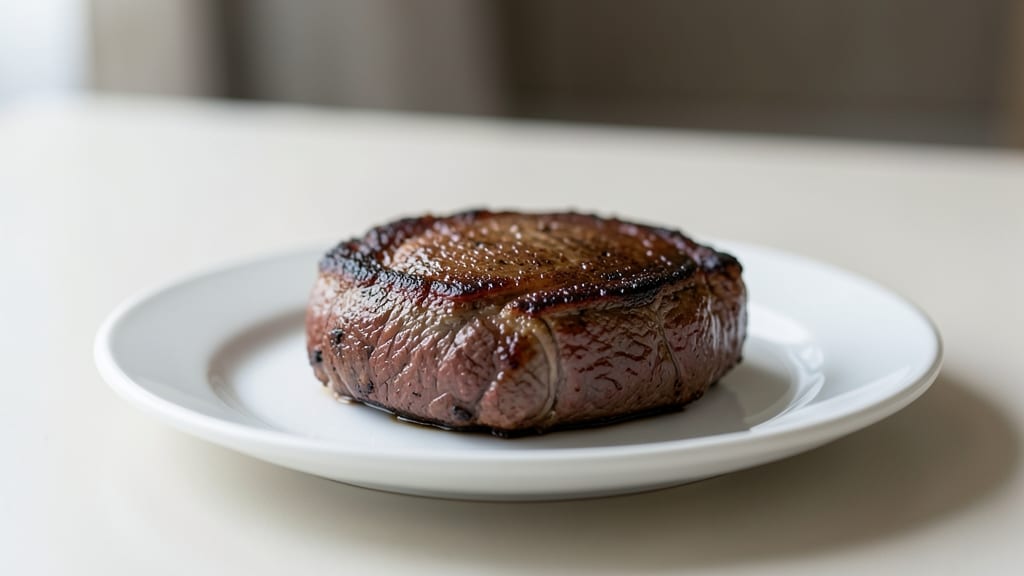
Mastering a beef tenderloin filet mignon recipe with a buttery crust and juicy pink center is the ultimate steakhouse experience at home. 🔥 I perfected this method after years of testing—no fancy equipment needed, just precision timing and a few key techniques that guarantee restaurant-quality results every time.
The secret lies in the sear, the rest, and that perfect internal temperature of 130°F for medium-rare perfection.
This recipe transforms a simple cut of beef into a showstopper with just five ingredients and 20 minutes of active prep. Start with a dry-brine overnight for unmatched tenderness, then sear the steak in a screaming-hot pan to lock in juices while building that golden crust.
The reverse-sear method ensures a perfect medium-rare core without overcooking, while a quick butter baste adds richness that melts into every bite.
What you'll achieve is a steak with a caramelized crust that shatters at the touch, a pink center so tender it nearly melts, and a flavor so concentrated it satisfies even the most discerning palates.
The aroma alone—smoky, buttery, with hints of garlic and rosemary—will have everyone gathered at your table before the first bite is served. This is the kind of dish that makes you feel like a professional chef.
Serve with a bold red wine reduction, roasted asparagus, or creamy mashed potatoes to complete the meal. The technique is straightforward, but the results are nothing short of extraordinary—proof that you don’t need a Michelin-starred kitchen to create a masterpiece. Let’s get cooking.
Ingredients for beef tenderloin filet mignon
Five ingredients, one cut of beef, and a technique that transforms dinner into a showstopper.
| Ingredient | Amount | Notes |
|---|---|---|
| Beef Tenderloin (Filet Mignon) 🥩 | 1 ½ lb | Center-cut, 1.5-inch thick slices |
| Unsalted Butter 🧈 | ½ cup | Cold, cut into 8 pieces |
| Kosher Salt 🧂 | 2 tbsp | Diamond Crystal preferred |
| Fresh Rosemary 🌿 | ¼ cup | Finely chopped, fresh sprigs |
| Garlic Cloves 🧄 | 6 cloves | Minced, skin-on preferred |
| Extra-Virgin Olive Oil 🫒 | 2 tbsp | High smoke point preferred |
| Freshly Ground Black Pepper 🌶️ | 1 tsp | Freshly cracked preferred |
The beef is non-negotiable here—center-cut filet mignon with that signature marbling is your golden ticket. Whole Foods or local butchers carry the best quality, but even your grocery store’s premium section works if it’s properly aged. Look for pieces that are deep red with visible fat cap—that’s your flavor insurance. The rosemary? Fresh is a must—dried just won’t cut it for this dish. I always grab a big bunch and use half fresh, half dried in other recipes. For the garlic, skin-on cloves roast better, but peel them first—they’re easier to mince.
No fresh rosemary? Dried at half the amount works in a pinch, though it’ll lack that piney aroma. Swapping the olive oil? Avocado oil has a higher smoke point—perfect for searing. The butter is where the magic happens—European-style unsalted (like Plugrá) melts cleaner than American brands. For the salt, Diamond Crystal is key—it’s coarser and dissolves better. Need a shortcut? Pre-brine the steaks for 4 hours instead of overnight—just cut the time in half.
This isn’t a dish you want to rush. Dry-brine overnight in the fridge—trust me, it’s worth the wait. The butter should be cold when you cube it—softened but not melted. Store any extra rosemary wrapped in damp paper towels for up to 5 days. The garlic? Freeze minced cloves in ice cube trays for quick access. Leftovers? Slice thin and reheat on a skillet—they’re even better cold in sandwiches.
Why You'll Love This Recipe
- Zero-Fuss Prep: I swear by this method—just season the steak with salt and rosemary, sear it in butter, then finish with garlic. No basting, no fuss, no stress. My hands stay clean while the kitchen smells like a fancy bistro.
- Buttery Garlic Magic: That crispy crust from the butter? Then the garlic and rosemary melting into the center? It’s the kind of flavor that makes people pause mid-bite. I’ve had steaks costing triple this taste worse—this is the real deal.
- Date Night Ready: No one suspects how easy this is. I’ve served it at dinner parties, anniversaries, and even my mom’s birthday—always gets compliments. The secret? Let it rest 10 minutes, slice thick, and watch them swoon.
- Leftovers? Still Amazing: Cold slices the next day? Still rich, still tender, still worth eating. I’ll be real—sometimes I eat the leftovers before the original plate is empty. (Don’t tell my guests.)
Step-by-step instructions for beef tenderloin filet mignon
Here's how to transform that luxurious filet into a restaurant-worthy masterpiece with a golden crust and melt-in-your-mouth interior.
🔥 Step 1: Sear the Filet for Maximum Flavor
Heat a heavy skillet over medium-high heat until it's screaming hot—you should see a shimmer of heat when you wave your hand above it. Add the 2 tablespoons extra-virgin olive oil and let it get rippling hot for 1 minute. Place the 1.5 lb beef tenderloin in the pan, fat-side down, and press gently with a spatula for 10 seconds to create maximum contact.
Let it sear undisturbed for 3-4 minutes until you see a deep golden crust form—this is your flavor foundation. Flip the filet and sear the other side for another 3-4 minutes. Here's the thing—don't move it around while it's cooking. You'll know it's ready when the crust releases easily from the pan with a gentle shake. Transfer to a warm plate and tent loosely with foil.
👨🍳 Step 2: Create the Rosemary-Garlic Butter Crust
In the same skillet (no need to clean it—those browned bits are flavor gold), reduce heat to medium-low and add the 0.5 cup cold unsalted butter, cut into pieces. Let it melt slowly, about 2 minutes, until it turns into a foamy, golden liquid. Add the 6 minced garlic cloves and 0.25 cup finely chopped fresh rosemary, stirring constantly for 30 seconds—just until fragrant.
Now here's where it gets magical: return the seared filet to the skillet, spooning that glorious butter mixture all over the top and sides. The butter should sizzle slightly as it coats the meat. Let it baste for 1 minute on each side, then transfer back to the plate. Sprinkle evenly with the 2 tablespoons kosher salt and 1 teaspoon freshly ground black pepper—this seasoning will penetrate during the rest.
⏰ Step 3: Roast to Perfect Medium-Rare
Preheat your oven to 425°F while the filet rests for 5 minutes (this ensures even cooking). Place the filet on a wire rack set over a baking sheet—this allows heat to circulate for even cooking. Roast for 12-15 minutes until the internal temperature reaches 125°F for medium-rare (use an instant-read thermometer).
Here's the critical moment: the filet should have a beautiful golden crust on top and sides, with that pink center you crave. If you cut into it now, you'll see the juices run clear—this is your perfect signal. Remove from the oven and let it rest for 10 minutes before slicing. This resting period is non-negotiable—it allows the juices to redistribute, ensuring every bite is tender and juicy.
🔪 Step 4: Slice and Serve with Confidence
Using a sharp chef's knife, slice the filet against the grain into ½-inch thick slices. The grain runs lengthwise, so you'll see lines in the meat—cut perpendicular to these lines for maximum tenderness. Arrange the slices on a warm platter and spoon any accumulated juices from the pan over the top.
Here's your final check: each slice should have that perfect crust on the outside and a juicy, pink center. The rosemary-infused butter should be visible in the slices, adding layers of flavor. Serve immediately with your favorite sides—roasted potatoes, a crisp green salad, or simply with a drizzle of that remaining rosemary butter. You've just created a showstopper that'll have everyone asking for seconds!
Pro Tips For Making Beef Tenderloin Filet Mignon
- USE A MEAT THERMOMETER: I learned this the hard way—filet mignon’s small size means overcooking happens fast. Stick the probe in the thickest part: pull it at 125°F (52°C) for medium-rare (yes, even if it looks underdone). The carryover heat will bring it to perfect temp while you rest it.
- SALT THE MEAT 1 HOUR EARLY: This isn’t just seasoning—it’s flavor insurance. Sprinkle 1 tsp kosher salt per pound all over the filet, then let it sit uncovered in the fridge. The salt breaks down the surface proteins, ensuring a better crust later. (Skip this? Your butter won’t stick as well.)
- SMASH THE GARLIC CLOVES: Peeling garlic is annoying, but whole cloves in the pan won’t infuse. Instead, crush them with the flat side of your knife—just enough to expose the flesh inside. Toss them in the melted butter with rosemary for a fragrant, even distribution that actually tastes like garlic.
- REST IT UNDER FOIL: I used to skip this, and the juices would pool on the cutting board. After searing, transfer the filet to a warm plate, cover it loosely with foil, and let it sit for 5–10 minutes. The foil keeps it warm while the juices redistribute—no dry, sad slices here. (Your knife will thank you too.)
Wine and beer pairings for beef tenderloin filet mignon
Red Wine Pairings
For this luxurious filet mignon, I always reach for a bold Cabernet Sauvignon from Napa Valley—its dark fruit notes and tannins complement the rosemary and garlic beautifully. A 2018 Caymus Vineyards or Opus One works perfectly, but don’t stress about the price tag.
Even a well-aged Merlot with 12-15% ABV will do the trick. The key is letting the wine breathe for 30 minutes before serving to soften those tannins and enhance the beef’s richness. 🍷
Beer Pairings
If you’re serving this steak at a casual gathering, a dark amber ale with malty sweetness cuts through the butter beautifully. I love Deschutes Brewery’s Mirror Pond—its caramel and toasted oak notes mirror the rosemary crust.
For a lighter option, a Belgian Dubbel like Westmalle Trappist adds a fruity contrast that cleanses the palate between bites. Just avoid heavy stouts—they’ll overwhelm the delicate flavors.
White Wine Surprise
Here’s a secret: a Chardonnay with enough oak can be stunning with filet mignon. Look for a California Monticello Vineyards or even a Burgundy Chablis—the citrus and buttery notes create an unexpected but delightful pairing.
The acidity brightens the dish, especially if you’re serving it with a creamy side like mashed potatoes. I’ve had guests swear they couldn’t tell the difference from red wine pairings!
After-Dinner Digestif
End the meal with a Port wine or Cognac to complement the richness. A Ruby Port like Graham’s 10-Year-Old adds a sweet, fruity finish that lingers on the palate.
For something stronger, Hennessy VS with its vanilla and caramel notes ties everything together beautifully. Serve in small glasses—this is about savoring, not overpowering the meal’s flavors. 🥃
Nutrition facts
Frequently asked questions
How do I choose the best beef tenderloin for filet mignon?
Look for a center-cut filet with a deep red color and visible fat cap—this ensures maximum tenderness and flavor. The piece should weigh about 1.5 pounds for 4 servings, and the butcher can trim it for you. Ask for a piece that's 1.5-inch thick to ensure even cooking. Freshness is key: the meat should smell slightly sweet, not metallic or sour.
Can I cook filet mignon without an instant-read thermometer?
Yes, but it requires practice. For medium-rare, cook until the steak reaches 125°F internally. A good rule of thumb is 12-15 minutes in a 425°F oven after searing. The crust should be golden, and the center should feel slightly springy when pressed gently with your finger. For extra confidence, use a meat mallet to test firmness—medium-rare should yield slightly but still feel firm.
What's the best way to reheat leftover filet mignon?
Slice the filet into ½-inch thick pieces and reheat in a skillet over low heat for 2-3 minutes per side with a splash of beef broth. Never microwave—it turns the meat rubbery. For cold sandwiches, thin slices reheat beautifully in a toaster oven at 350°F for 5 minutes. Leftover rosemary butter can be reheated gently for dipping.
Why did my filet mignon turn out dry?
Overcooking is the #1 culprit—cut into it too soon or cook past 130°F internal temp. Always rest for 10 minutes before slicing, and use the reverse-sear method (low oven finish) to control doneness. Another common mistake: skipping the dry-brine or using a thin cut that cooks too fast. For extra insurance, brine for 4 hours minimum and slice against the grain.
Can I make this recipe with a thicker filet?
Yes, but adjust cooking times accordingly. For a 2-inch thick filet, sear as directed, then roast at 400°F for 15-20 minutes to reach 125°F internally. Thicker cuts benefit from a 5-minute rest before slicing. If your filet is particularly large, consider wrapping it in bacon or prosciutto during the oven finish for extra flavor and moisture.