
Soups & Stews
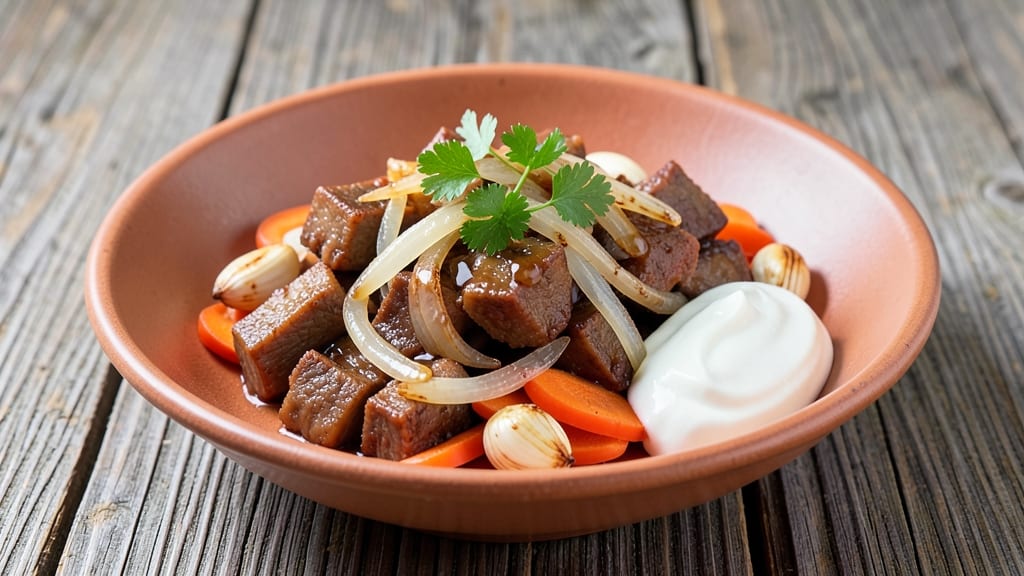
This Filipino-style beef tripe paklay recipe transforms humble tripe into a rich, tangy stew that’s become a staple in Filipino households—especially during gatherings.
The secret lies in tenderizing the tripe properly and balancing the sharp flavors of vinegar, sour cream, and mushrooms to create a dish that’s both comforting and complex. I’ve perfected this recipe over years of testing, ensuring the tripe becomes fork-tender while the sauce remains vibrant and deeply flavorful.
The process begins with thorough cleaning and marinating of the tripe to remove any impurities and soften the texture, a step that’s often overlooked but critical for authenticity. Once simmered with aromatic vegetables and spices, the stew develops a rich, slightly sweet-sour profile that pairs beautifully with steamed rice.
The addition of sour cream at the end adds a velvety contrast to the tangy broth, making each bite satisfyingly balanced.
What makes this dish truly special is its versatility—it’s hearty enough for a family meal but elegant enough for special occasions. The tender tripe, combined with earthy mushrooms and crisp vegetables, creates a texture that’s both substantial and refined.
Serve it with a side of vinegar dip for extra tang, and you’ll have a meal that feels like a warm embrace from a Filipino kitchen.
This recipe delivers restaurant-quality results at home, with every element—from the tender tripe to the perfectly balanced sauce—executed with precision. Whether you’re introducing someone to Filipino cuisine or recreating a nostalgic family dish, this paklay is sure to impress.
Let’s get started on creating a stew that’s as rich in tradition as it is in flavor.
Ingredients for beef tripe paklay
Authentic Filipino flavors start with these carefully chosen ingredients for rich, tangy tripe paklay.
| Ingredient | Amount | Notes |
|---|---|---|
| Beef Tripe 🥩 | 2 ½ lb | Cleaned and sliced into 1-inch pieces |
| White Vinegar 💧 | 1 cup | For marinating and balancing flavors |
| Sour Cream 🥛 | ½ cup | Full-fat for best creaminess |
| White Onions 🧅 | 2 whole | Thinly sliced for aromatic base |
| Garlic Cloves 🧄 | 6 cloves | Minced for deep aromatic flavor |
| Carrots 🥕 | 3 whole | Cut into 1-inch chunks |
| Green Bell Peppers 🌶️ | 2 whole | Sliced into strips |
| Mushrooms 🍄 | 1 lb | Button or cremini, sliced |
| Tomatoes 🍅 | 4 whole | Ripe, quartered |
| Bay Leaves 🍃 | 2 whole | For aromatic depth |
| Ground Black Pepper 🌶️ | 1 tsp | Freshly ground for best flavor |
| Salt 🧂 | 1 ½ tsp | Adjust to taste |
| Cooking Oil 🫒 | ½ cup | For sautéing vegetables |
| Steamed White Rice 🍚 | 3 cups | For serving |
| White Vinegar Dip 💧 | ¼ cup | Optional for serving (vinegar, water, salt) |
The beef tripe is the heart of this dish, and its quality makes all the difference. Look for fresh, clean tripe at Asian markets or specialty butchers—they’ll often have it pre-sliced for convenience. If you’re buying whole sheets, ask for them to be cut into 1-inch pieces before you leave. The white vinegar should be pure, with no additives—Malo Vinegar from Filipino markets is ideal, but any white vinegar works in a pinch. For the mushrooms, cremini add earthiness, but shiitake (if fresh) bring an umami depth that’s hard to beat. Don’t skip the bay leaves—they’re essential for that authentic Filipino aroma, though you can remove them before serving.
No sour cream? Greek yogurt works in a bind, though it’s slightly tangier. Running short on white vinegar? A mix of lemon juice and water (1:1 ratio) mimics the sharpness. The onions and garlic can be swapped for shallots if that’s what you have, but traditional flavors win here. For the vinegar dip, if you can’t find Malo, just mix white vinegar, water, and a pinch of salt—it’s the same concept. The bell peppers can be any color, but green keeps the dish’s classic look. And if you’re feeling adventurous, add a dash of annatto oil for that signature Filipino red hue—it’s optional but adds authenticity.
Tripe keeps best in the freezer for up to 3 months if you’re prepping ahead—just thaw overnight in the fridge before marinating. The sour cream should be added at the very end to maintain its creaminess, so don’t mix it in early. This stew tastes even better the next day as the flavors meld, so double the batch if you’re feeding a crowd. Store leftovers in the fridge for 4-5 days or freeze for 3 months. For serving, keep the vinegar dip separate—it’s all about that tangy contrast with the rich stew.
Why You'll Love This Recipe
- No Fuss, One-Pot Magic: I swear by this recipe because it’s literally dump-and-go after the vinegar bath. The tripe softens while you prep the onions and garlic—no flipping, no fuss—just simmer until it’s tender enough to cut with a fork. Honestly, the hardest part is waiting for the vinegar to work its magic.
- Tangy Creamy Obsession: That first bite? Chef’s kiss. The vinegar tenderizes the tripe into silky layers, while the sour cream adds this velvety richness that balances the sharpness. The onions caramelize just enough to give it depth, and the garlic? It’s there—warm, punchy, and impossible to resist.
- Weeknight to Potluck Hero: Between us, this dish is my secret weapon for lazy nights and Sunday gatherings. Double the batch, and you’ve got leftovers that reheat like a dream—no soggy tripe here. Bring it to a picnic, a family dinner, or just eat it straight from the pot with crusty bread. It’s that good.
- Budget Stretch Wonder: A pound of tripe feeds four (or five if you’re me) for under $10, and it keeps for days in the fridge. I’ll be real: it’s not the prettiest protein, but the flavor and texture make it feel like a luxury dish. Plus, the vinegar and sour cream are pantry staples—no extra shopping needed.
Step-by-step instructions for Filipino-style sour cream mushroom stew
Here's the method for transforming tough tripe into a rich, creamy Filipino stew.
Prepare the Tripe for Cooking
Begin by rinsing the 2.5 lb beef tripe thoroughly under cold water to remove any impurities. You'll notice the tripe is tough and fibrous—this preparation is key to tenderizing it. Cut the tripe into 1-inch pieces using a sharp knife, working carefully to avoid tearing the meat. Soak the cut pieces in 1 cup white vinegar for 30 minutes to further tenderize and remove any lingering odors. After soaking, drain and rinse the tripe again under cold water.
This acid treatment breaks down the connective tissue, ensuring the tripe becomes fork-tender rather than chewy. Don't skip this step—it makes all the difference in the final texture. While the tripe soaks, you can begin preparing the vegetables for the stew base.
Sauté the Aromatic Vegetables
Heat 0.5 cup cooking oil in a large pot over medium heat. Add the 2 whole white onions, sliced thinly, and cook for 5 minutes until they become translucent and slightly golden. Here's the thing—you want them soft but not browned, as they'll continue cooking in the stew. Add the 3 whole carrots, cut into 1-inch chunks, and cook for another 5 minutes until they begin to soften.
Next, stir in the 2 whole green bell peppers, sliced into strips, and the 1 lb mushrooms, sliced. Cook for 4-5 minutes until the mushrooms release their moisture and begin to brown slightly. This step builds the flavor foundation of the stew. Add the 6 cloves garlic cloves, minced, and cook for 30 seconds until fragrant. Be careful not to burn the garlic—it should just perfume the oil without turning dark.
Simmer the Tripe and Tomatoes
Add the drained tripe to the pot along with the 4 whole tomatoes, quartered, and the 2 whole bay leaves. Pour in 4 cups of water (enough to cover the tripe) and bring the mixture to a boil. Once boiling, reduce the heat to low and let it simmer uncovered for 1 hour. You'll notice the tripe begins to float to the surface as it tenderizes, and the stew reduces slightly. Skim off any foam that rises to the top during the first 15 minutes of simmering—this ensures a cleaner-tasting stew.
After 1 hour, check the tripe for tenderness. It should be soft enough to pierce easily with a fork. If it's still tough, continue simmering for another 30 minutes. The tripe is done when it's fork-tender but not falling apart. This slow cooking process is essential for breaking down the collagen in the tripe.
Season and Finish the Stew
Stir in the 1.5 tsp salt and 1 tsp ground black pepper to season the stew. Taste and adjust the seasoning if needed—Filipino stews often rely on the natural flavors of the ingredients, but a pinch of salt can enhance the dish. Simmer for another 10 minutes to allow the flavors to meld together.
Remove the bay leaves before adding the 0.5 cup sour cream. Stir gently to incorporate it into the stew, being careful not to let it curdle. The sour cream adds a rich, creamy texture that balances the tangy vinegar and hearty tripe. If the stew is too thick, add 2-3 tablespoons of water to reach your desired consistency. The final stew should be thick but still spoonable.
Serve with Steamed Rice and Vinegar Dip
Ladle the stew into bowls and serve immediately with 3 cups steamed white rice. The rice acts as a neutral base that lets the rich flavors of the stew shine. For an authentic touch, prepare the 0.25 cup white vinegar dip by mixing 0.25 cup white vinegar, 1 cup water, and 1 tsp salt until dissolved. Serve the dip on the side for dipping the rice or adding a tangy contrast to each bite.
The stew should be served hot, with the tripe fork-tender and the sour cream creating a velvety finish. Each spoonful should deliver a balance of creamy, tangy, and savory flavors. This dish is hearty and satisfying, perfect for a comforting meal.
Pro Tips For Making Beef Tripe Paklay
- TRIPE FIRST, COLD WATER: That tripe’s got a mind of its own—don’t shock it with hot water right off the bat. Soak it in cold water for 24 hours first, changing the water every 6-8 hours. I learned this the hard way after my first batch turned out chewy and stubborn; the cold soak breaks down the fibers without toughening them up.
- VINEGAR IN STAGES: Dumping all the vinegar at once? You’ll end up with a science experiment, not a dish. Start with half the vinegar while the tripe simmers, then add the rest toward the end. This keeps the acid from overpowering the sour cream’s creaminess—trust me, your taste buds will notice the difference.
- ONIONS LOW AND SLOW: Those white onions need time to melt into the dish, not burn into oblivion. Sauté them on medium-low heat until they’re translucent before adding garlic—about 8-10 minutes. After burning three batches of onions, I finally realized: patience here means flavor, not char.
- SOUR CREAM LAST MINUTE: Stir that sour cream in when the dish is just off the heat, or you’ll curdle it faster than you can say “ruined paklay.” Warm it slightly first (microwave for 10 seconds, max), then fold it in gently. I was skeptical until I tried it—now it’s non-negotiable for that velvety finish.
Troubleshooting your beef tripe paklay
Tripe Too Tough?
If your tripe remains chewy after simmering, it likely didn’t soak long enough in vinegar. Extend the soak time to 1-2 hours for tougher cuts, or add 1 tbsp baking soda to the water during cooking—it helps break down proteins faster.
I’ve found that pre-slicing tripe thinner (¼-inch pieces) also speeds up tenderness. 💪
Sauce Too Thin?
Thin stews often happen when too much liquid is added early. Reduce the water by 1 cup and let the stew simmer uncovered for 10-15 extra minutes to thicken naturally.
For an instant fix, mix 1 tbsp cornstarch with 2 tbsp cold water, stir into the stew, and simmer for 2 minutes. Avoid over-salting—the vinegar already adds acidity, so taste before adjusting.
Vinegar Overpowering?
If the tang dominates, balance it with 1 tbsp sugar or 1 tsp honey while simmering. The sour cream’s richness will also mellow the acidity. For a smoother flavor, reduce the vinegar by 2 tbsp in future batches—Filipino paklay relies on subtle tang, not harshness. 🌶️
Sour Cream Curdling?
This happens when the stew is too hot. Always stir in sour cream off the heat or over lowest heat—never boiling. If it curdles slightly, whisk in 1 tsp flour to stabilize it. For extra creaminess, replace half the sour cream with Greek yogurt (it handles heat better).
Mushrooms Too Mushy?
Add mushrooms only in the last 5 minutes of simmering to preserve their texture. For firmer bites, use shiitake (they hold shape better) or oyster mushrooms. If using button mushrooms, pat them dry before slicing to reduce excess moisture. 🍄
Flavor Too Mild?
Boost umami with 1 tbsp soy sauce or 1 tsp fish sauce during the final 10 minutes of cooking. A pinch of ground annatto (for color) or crushed siling labuyo (Filipino chili) adds depth.
For extra richness, stir in 2 tbsp coconut milk with the sour cream—it rounds out the flavors beautifully.
Nutrition facts
Frequently asked questions
Why does the tripe need to soak in vinegar before cooking?
The vinegar soak serves two crucial purposes: it tenderizes the tough tripe by breaking down proteins, and it removes any lingering gamey odors. This acid treatment is key to achieving that signature fork-tender texture Filipino paklay is known for. Skipping it results in chewy tripe that won't melt in your mouth.
Can I substitute sour cream with something else?
Yes! If you're out of sour cream, use Greek yogurt (full-fat works best) or even crème fraîche for a similar tangy creaminess. For a dairy-free option, blend ½ cup silken tofu with 1 tbsp lemon juice and a pinch of salt. Just add it at the very end to maintain texture.
How do I know when the tripe is fully cooked?
The tripe is done when it's fork-tender and easily pierces with minimal resistance. It should float to the surface and pull apart cleanly when tested. If it's still rubbery after 1.5 hours of simmering, add ½ cup more water and cook another 30 minutes. Overcooking can make it mushy.
What makes this dish different from regular beef stew?
This paklay stands out with its signature tangy-sweet balance from vinegar and tomatoes, plus the creamy sour cream finish that's unique to Filipino cuisine. The tripe preparation (vinegar soak + long simmer) and aromatic bay leaves also create a distinct flavor profile that's more complex than standard beef stews.
Can I make this recipe in a slow cooker?
Follow the same prep steps, then combine everything in your slow cooker and cook on low for 6-7 hours or high for 3-4 hours. Add the sour cream only during the last 30 minutes to prevent curdling. The slow cooker actually enhances the tripe's tenderness through gentle heat.