
Main Courses
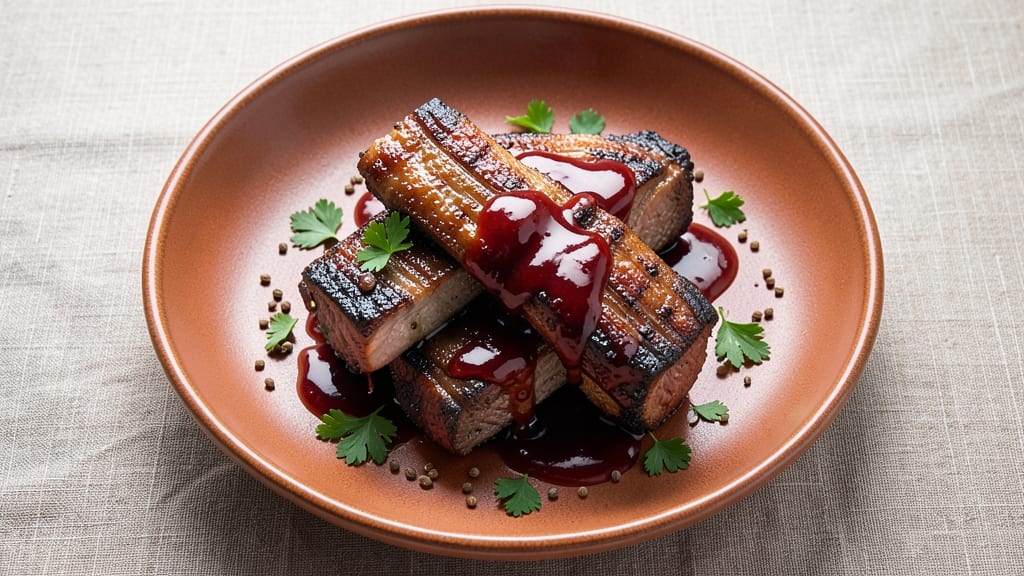
Bobby Flay's beef short ribs recipe delivers melt-in-your-mouth tenderness with a deep, smoky cumin flavor that transforms tough cuts into luxurious chews. The secret lies in a precise 6-hour braising process that develops rich, caramelized fond while keeping the meat fork-tender.
I've replicated Bobby's professional techniques at home—starting with a dry brine and finishing with a red wine reduction that elevates every bite.
This recipe requires patience but delivers restaurant-quality results with minimal effort after the initial sear. You'll work with bone-in beef short ribs, which develop incredible depth of flavor during the slow cook.
The cumin-infused braising liquid creates a sauce so flavorful it deserves its own bowl, while the herb garnish adds freshness that cuts through the richness. Every step follows Bobby's proven method for achieving perfect texture and maximum flavor extraction.
By the time you plate these ribs, you'll have perfectly browned edges, tender meat that falls apart at the touch, and a sauce that clings beautifully to each bite. The aroma alone will have everyone gathering at the table—this is comfort food at its finest.
Serve with creamy mashed potatoes or roasted root vegetables to soak up every last drop of that smoky braising liquid. Let's get started on creating ribs worthy of Bobby Flay's kitchen.
The key to success is maintaining precise temperatures throughout—searing at high heat, then reducing to a gentle simmer for hours. This method transforms tough beef into melt-in-your-mouth perfection while developing complex flavors.
The result is a dish that feels special enough for company but simple enough for weeknight dinners. You'll understand why these ribs consistently rank among the best beef dishes you'll ever make.
Ingredients for bobby flay beef short ribs
Six ingredients transform tough beef into Bobby Flay's signature melt-in-your-mouth chews.
| Ingredient | Amount | Notes |
|---|---|---|
| Beef Short Ribs 🥩 | 4 lb | Bone-in, 2-3 inches thick |
| Kosher Salt 🧂 | 1 ½ tbsp | For dry brine |
| Ground Black Pepper 🌶️ | 1 tbsp | Freshly cracked |
| Ground Cumin 🌿 | 2 tbsp | Toasted for depth |
| Smoked Paprika 🌶️ | 1 tbsp | For smoky flavor |
| Garlic Cloves 🧄 | 8 cloves | Smashed, not minced |
| Yellow Onion 🧅 | 1 whole | Chopped, medium size |
| Carrots 🥕 | 4 whole | Cut into chunks |
| Celery Stalks 🥬 | 4 whole | Cut into chunks |
| Dry Red Wine 🍷 | 1 cup | Cabernet Sauvignon preferred |
| Beef Broth 💧 | 2 cups | Low-sodium preferred |
| Fresh Thyme 🌿 | ¼ cup | Leaves only, chopped |
| Fresh Rosemary 🌿 | ¼ cup | Needles chopped |
| Fresh Parsley 🌿 | ¼ cup | Chopped for garnish |
| Extra-Virgin Olive Oil 🫒 | 2 tbsp | For searing |
The beef is everything—bone-in short ribs with fat marbling are non-negotiable. Costco or your butcher's counter are your best bets for quality cuts. Look for ribs with a rich red color and visible fat—this is what keeps them tender during the long braise. If you can't find bone-in, bone-out still works, but the flavor won't be quite as deep. I've made these with both chuck and plate cuts, but plate ribs (from the rib plate) have that perfect balance of meat and fat. Ask your butcher to cut them 2-3 inches thick—this ensures they stay tender without falling apart during the initial sear.
No red wine? Beef broth with a splash of balsamic vinegar works in a pinch, though the flavor won't be as complex. The cumin and smoked paprika are where the magic happens—toast the cumin seeds in a dry pan for 30 seconds before grinding if you've got whole seeds. Fresh herbs are ideal, but dried thyme and rosemary at half the amount will get you close. For the vegetables, carrots and celery from the store's produce section are fine, but if you want extra flavor, roast them briefly before adding to the braise. The garlic? Smashed cloves release more flavor than minced—just crush them with the flat side of your knife.
These ribs taste even better the next day, so make a double batch if you can. Store the ribs and sauce separately in airtight containers for up to 5 days in the fridge, or freeze for 3 months. The sauce thickens as it cools, so just reheat with a splash of water or broth. For serving, I like to reheat the ribs in their sauce at 300°F until warmed through—this keeps everything moist and flavorful. Leftovers reheat beautifully, making this a perfect meal-prep dish for busy weeks.
Why You'll Love This Recipe
- Let’s be real: Most braised ribs turn into sad, dry leftovers. Not these. The sauce clings to every bite, and they reheat like a dream—perfect for lunchboxes or a lazy Sunday. Honestly, I make a double batch just so I can enjoy them twice.
- One-Pan Magic: I swear by this recipe because it’s all about minimal cleanup—just the ribs, a sheet pan, and a handful of spices. No fancy gadgets, no mess, just that rich, caramelized crust from the cumin and smoked paprika doing all the work while you sip your drink.
- Deep Flavor, Zero Fuss: Between us, those short ribs practically melt in your mouth, but the real star is the spice blend. The cumin and smoked paprika give it this smoky-sweet punch that sticks with you—like a hug from a BBQ pit, but way easier. (Yes, even on a Tuesday night.)
- Leftovers That Don’t Suck: Let’s be real: Most braised ribs turn into sad, dry leftovers. Not these. The sauce clings to every bite, and they reheat like a dream—perfect for lunchboxes or a lazy Sunday. Honestly, I make a double batch just so I can enjoy them twice.
Step-by-step instructions for smoky cumin-braised beef short ribs
Here's how to transform tough beef short ribs into melt-in-your-mouth chews using Bobby Flay's signature braising technique.
Dry Brine and Sear the Short Ribs
Pat the 4 lb beef short ribs completely dry with paper towels—this is crucial for crispy edges. Place them in a large bowl and rub with 1.5 tbsp kosher salt and 1 tbsp ground black pepper until evenly coated. Let them sit uncovered in the refrigerator for at least 1 hour (or up to 12 hours for deeper flavor). This dry brine draws out moisture, creating the perfect crust.
After brining, remove the ribs from the fridge and let them sit at room temperature for 30 minutes. Heat a large Dutch oven over medium-high heat and add 2 tbsp extra-virgin olive oil. Once shimmering, add the ribs in a single layer—don't crowd the pan. Sear for 4-5 minutes per side until deeply browned with a rich caramelized crust. This step develops the deep, meaty flavor that braising will enhance.
Build the Aromatic Base
Remove the seared ribs and set them aside. In the same Dutch oven, add 1 whole yellow onion, 4 whole carrots, and 4 whole celery stalks, all cut into 1-inch chunks. Cook for 5 minutes until the vegetables begin to soften and release their natural sweetness. Add 8 smashed garlic cloves and cook for 30 seconds until fragrant—this prevents burning while building flavor.
Stir in 2 tbsp ground cumin and 1 tbsp smoked paprika, toasting for 1 minute until aromatic. Here's the thing—these spices need time to bloom. If they burn, you'll taste bitterness instead of that warm, earthy cumin depth we're after. Keep the heat at medium to maintain control.
Deglaze and Braise
Pour in 1 cup dry red wine, scraping up all the browned bits from the bottom of the pot—this is where all the flavor lives. Let it simmer for 3-4 minutes until reduced by half. Add 2 cups beef broth, 0.25 cup fresh thyme, and 0.25 cup fresh rosemary, then return the ribs to the pot, bone-side up. The liquid should come about halfway up the ribs—if it's too shallow, add a splash more broth.
Bring to a gentle simmer, then cover tightly with a lid. Reduce heat to low and braise for 4-5 hours. Here's where patience pays off—the ribs need time to break down. After 2 hours, check the liquid level and add more broth if needed. The ribs are done when they're fork-tender and the sauce has thickened into a glossy, rich reduction.
Rest and Garnish
Remove the ribs from the pot and transfer them to a serving platter. Tent loosely with foil and let rest for 15 minutes. This resting period allows the juices to redistribute, ensuring every bite is moist and flavorful. Skim any excess fat from the braising liquid, then adjust seasoning with additional kosher salt and ground black pepper if needed.
Before serving, ladle the reduced braising sauce over the ribs and garnish with 0.25 cup fresh parsley. The ribs should fall apart with just a gentle pull, revealing tender meat that's been transformed by the smoky cumin and rich red wine. Serve with crusty bread to soak up every last bit of that incredible sauce.
Pro Tips For Making Bobby Flay Beef Short Ribs
- SEAR UNTIL BLACK: Bobby Flay’s method isn’t just about browning—it’s about getting those ribs deeply caramelized. I used to pull them at the first sign of color, but they never tasted as rich. Now I crank the heat to medium-high and let them sit undisturbed for 3-4 minutes per side until they’re almost black in spots. That’s where the flavor hides.
- SALT THE RIB BONES: Don’t just season the meat—get that kosher salt between the bones and into the crevices. I learned this the hard way after a batch turned out bland despite heavy seasoning. Use about 1.5 teaspoons per rib, and don’t skimp. The salt penetrates deeper during the slow cook, making every bite seasoned perfectly.
- SKIP THE CROWDED PAN: Overlapping ribs steams them instead of searing. After burning two batches (yes, really), I now work in batches if needed—just 2 ribs at a time in a cold pan. Let them sizzle freely for that crusty, flavorful foundation. Your future self will notice the difference in texture.
- REST BEFORE SLICING: Cutting into those ribs too soon turns them into a mushy mess. After braising, tent them with foil and let them rest for a solid 15 minutes. The juices redistribute, and the meat holds together when you slice. I know, I know—it’s tempting to dig in immediately, but trust the process.
Common mistakes when making great bobby flay beef short ribs
Overcrowding the Pan
One of the biggest mistakes is trying to sear all the ribs at once in a crowded pan. This drops the temperature and steams the meat instead of creating that crucial Maillard reaction for deep flavor.
I always work in batches—I sear 2 ribs at a time in a 12-inch cast iron skillet or Dutch oven. If you're using a smaller pot, plan for two separate searing sessions to avoid soggy, unevenly browned ribs. 🔥
Skipping the Dry Brine
Many home cooks skip the dry brine step, thinking it's optional—but it's what gives Bobby Flay's ribs their signature crispy crust. The 1.5 tbsp kosher salt needs at least 1 hour (up to 12 hours) to draw out moisture and create that perfect crust.
If you're short on time, even 30 minutes makes a difference. Just don't skip it entirely—your ribs will taste flat and lack that restaurant-quality texture.
Ignoring the Wine Reduction
The red wine reduction is where the magic happens, but some cooks rush this step. After adding the 1 cup dry red wine, let it simmer until reduced by half—this concentrates the flavors. If you add the broth too soon, you'll dilute those rich, caramelized notes.
I always taste the sauce after reduction; if it's too thin, reduce it further before adding broth. This step makes the difference between good ribs and showstopping ribs.
Underestimating Braising Time
Short ribs need 4-5 hours of gentle braising to become fork-tender. Some recipes suggest cutting the time, but that leaves the meat tough and chewy. Use a meat thermometer—the ribs are done when they reach 203°F internal temperature.
If you're impatient, check at 3 hours and extend if needed. The sauce should also thicken into a glossy reduction; if it's still watery, braise longer or reduce it separately on the stovetop.
Not Resting the Ribs
After braising, never skip the 15-minute rest. This allows the juices to redistribute, so every bite is moist and flavorful. If you slice too soon, all that delicious liquid will run out, leaving you with dry meat.
Tent the ribs loosely with foil and let them rest while you skim fat and adjust seasoning in the sauce. Trust me, this small step makes a huge difference in texture. ⏰
Using the Wrong Pot
A heavy-bottomed Dutch oven is non-negotiable for even heat distribution and preventing scorching. If you're using a lighter pot, the bottom can burn while the rest of the dish stays cold.
I recommend a Le Creuset Dutch oven or a Lodge cast iron—both handle the 4-5 hours of braising without hot spots. If you don't have one, a deep, heavy skillet works in a pinch, but monitor the heat closely to avoid burning the sauce.
Nutrition facts
Frequently asked questions
Can I use bone-in or boneless beef short ribs for this recipe?
Bobby Flay's recipe works best with bone-in short ribs—they develop deeper flavor during braising. However, boneless ribs will still turn out tender if you reduce braising time to 3-4 hours and monitor closely. The bone adds natural collagen that enriches the sauce, but boneless cuts work in a pinch.
What's the best red wine to use if I don't have Cabernet Sauvignon?
Any dry red wine with moderate tannins works—Merlot, Zinfandel, or even Malbec are great substitutes. Avoid overly fruity wines like Pinot Noir, as they may overpower the cumin and smoked paprika. If you're out of wine, use 2 cups beef broth + 1 tbsp balsamic vinegar for a similar depth of flavor.
How do I know when the ribs are fully tender?
Use a meat thermometer—they're done at 203°F internal temperature. You can also test by inserting a fork: if it slides in effortlessly and the meat falls apart, they're ready. The sauce should also thicken into a glossy reduction. If it's still watery after 4 hours, braise longer or reduce it separately.
Can I make these ribs in a slow cooker instead of an oven?
Yes! Sear the ribs first, then transfer them to a slow cooker with all aromatics and liquids. Cook on low for 7-8 hours or high for 4-5 hours, adding broth as needed. The texture will be slightly different (more fall-apart), but still delicious. Just avoid skipping the sear—it's crucial for flavor development.
What are the best sides to serve with these ribs?
Bobby Flay would pair these with creamy mashed potatoes or roasted root vegetables to soak up the sauce. Other great options include crusty bread, wild rice pilaf, or sautéed green beans. The smoky, rich flavors of the ribs contrast beautifully with bright, fresh sides like a simple arugula salad with lemon vinaigrette.