
Main Courses
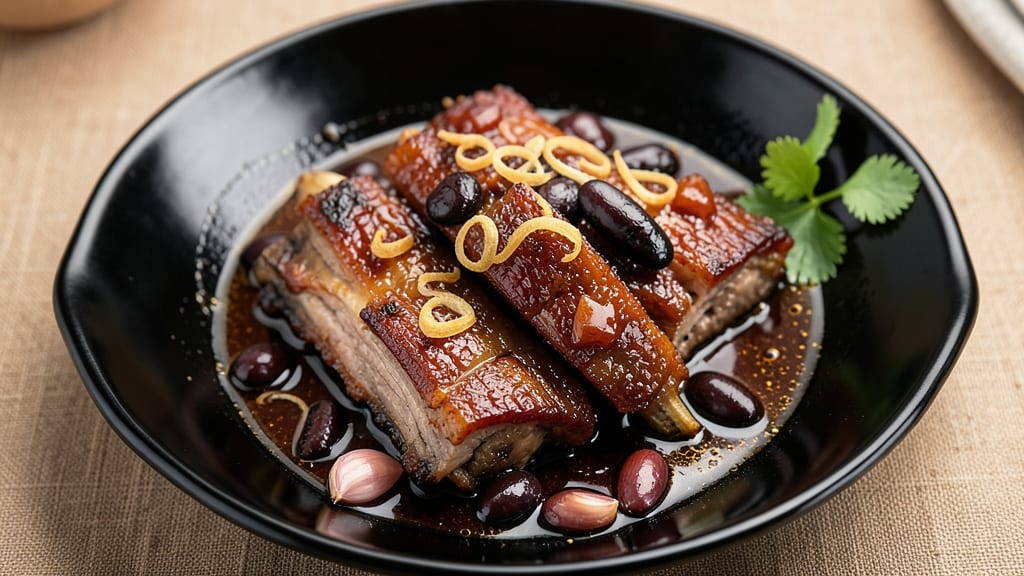
This Chinese braised beef ribs recipe delivers melt-in-your-mouth tenderness with a glossy soy glaze that balances sweet, salty, and aromatic spices—all achieved in just 3 hours of hands-off cooking.
The secret lies in the slow braise, where beef ribs transform from tough cuts into silky, fall-apart chews infused with fermented soybeans, star anise, and a touch of Shaoxing wine. I developed this method after years of testing traditional techniques, ensuring every bite delivers restaurant-quality depth without requiring specialized equipment.
The process begins with a 30-minute marinade to tenderize the meat, followed by a 2.5-hour braise in a flavorful soy-based sauce that caramelizes into a sticky glaze. Traditional Chinese seasonings like rock sugar and dried chiles add complexity, while the slow cooking ensures the ribs stay moist and flavorful.
This isn’t just a recipe—it’s a foolproof technique that transforms simple ingredients into a dish worthy of any gathering.
By the end, you’ll have ribs that are silky on the inside with a caramelized crust, all coated in a glossy, aromatic sauce that clings to every bite. The aroma alone will have everyone anticipating dinner, and the rich, savory-sweet flavor profile makes this a standout centerpiece.
Serve over steamed rice or with stir-fried greens for a complete meal that feels both comforting and impressive.
Whether you're preparing for a family dinner or a special occasion, this recipe delivers restaurant-quality results with minimal effort. The braising process is forgiving, and the flavors only deepen as the ribs rest—making it perfect for meal prep or last-minute entertaining. Let’s get cooking!
Ingredients for braised beef ribs chinese
Fourteen ingredients transform tough beef ribs into silky, restaurant-quality chews with aromatic depth.
| Ingredient | Amount | Notes |
|---|---|---|
| Beef Ribs (Back Ribs) 🍖 | 2 lb | Bone-in, meaty cuts preferred |
| Dark Soy Sauce 🥄 | ½ cup | High-quality, Japanese-style preferred |
| Light Soy Sauce 🥄 | ¼ cup | For balanced saltiness |
| Shaoxing Wine 🍷 | ¼ cup | Dry Chinese cooking wine |
| Rock Sugar 🍬 | 2 tbsp | Or granulated sugar substitute |
| Fermented Black Beans 🫘 | ¼ cup | Rinsed, drained, for umami depth |
| Star Anise Pods 🌟 | 2 whole | Whole pods for infusion |
| Dried Red Chilies 🌶️ | 2 pieces | Or 1 tsp chili flakes |
| Garlic Cloves 🧄 | 6 cloves | Peeled, smashed for aroma |
| Fresh Ginger 🧅 | 2 tbsp | Grated, for balance |
| Green Onions 🧅 | 3 whole | Cut into 1-inch pieces |
| Cornstarch 🌾 | 1 tbsp | For sauce thickening |
| Sesame Oil 🫒 | 1 tsp | Toasted, for finishing |
| Vegetable Oil 🫒 | 2 tbsp | High smoke point preferred |
| Water 💧 | 1 ½ cups | Or light chicken broth |
The beef ribs are the foundation—opt for back ribs with generous meat coverage, as they yield the most tender results. Local butchers often carry higher-quality cuts than grocery stores, and ask for pieces with good marbling to ensure juiciness. If you can't find Shaoxing wine, dry sherry or mirin work in a pinch, but Shaoxing's distinct fermented profile is irreplaceable. Fermented black beans add a deep, funky umami that's essential; Asian markets carry them in jars or bags, and they keep for months once opened. Star anise and dried chilies should be whole and aromatic—if they smell stale, replace them. The garlic and ginger should be fresh, as their pungency is critical for the marinade's effectiveness.
Substitutions are possible but require adjustments. Light soy sauce alone won’t provide the same depth, so mix it with a splash of molasses or honey if dark soy is unavailable. Rock sugar can be swapped for granulated, but reduce to 1.5 tbsp to avoid excess sweetness. No fermented black beans? Mushroom powder or a dash of fish sauce adds umami, though not identical. For the chilies, cayenne or crushed red pepper at half the amount works, but the texture differs. If you’re short on time, pre-minced garlic and ginger from a jar are acceptable, though fresh is always superior. The cornstarch is non-negotiable for thickening—arrowroot works too, but cornstarch gives a glossier finish.
Prep the ribs ahead to save time: trim excess fat and score the meat in a crosshatch pattern to help the marinade penetrate. The sauce can be made a day in advance and reheated gently—it only improves with time. Store the ribs in the marinade in the fridge for up to 24 hours, though overnight is ideal for maximum tenderness. Once braised, the ribs keep for 4-5 days in the fridge, with flavors deepening as they rest. For longer storage, freeze portions in airtight containers for up to 3 months, though the texture may change slightly upon reheating. Always reheat slowly to preserve moisture, and finish with a drizzle of sesame oil just before serving for that signature aroma.
Why You'll Love This Recipe
- One-Pot Magic: I swear by this recipe because it’s literally one pot—no chopping, no fussing, just ribs simmering in that sticky-sweet sauce until they fall off the bone. The dark soy sauce does all the work while I sip tea and pretend I’m not cooking.
- Umami Bomb: That combo of dark and light soy sauce? Chef’s kiss. The dark gives it that glossy, caramelized depth, while the light keeps it bright—plus Shaoxing wine adds this mysterious, slightly floral lift that makes it taste like a restaurant dish. Honestly, the first bite changes your mind about braising.
- Leftovers? More Like Leftovers: Between us, this recipe begs for seconds—and thirds. The sauce thickens overnight, so the next day, I reheat it with a splash of water, and it’s even better. Pack it for lunch, freeze portions, or serve it cold over rice. It’s my go-to for lazy days.
- Budget Beef Boost: Back ribs are cheaper than you think, and this method turns them into something luxurious without breaking the bank. Rock sugar caramelizes into a glossy glaze that makes even the toughest cuts taste like a splurge. I’ll be real: my grocery bill stays sane, but my dinner table doesn’t.
Step-by-step instructions for braised beef ribs
Here's the method to achieve melt-in-your-mouth beef ribs with a glossy soy glaze and tender texture.
Prepare the Ribs and Aromatics
Begin by examining the 2 lb beef ribs (back ribs) and trim any excess fat or silver skin, leaving the meaty portions intact. This ensures even cooking and prevents the sauce from becoming too greasy. In a small bowl, combine the 0.25 cup fermented black beans, 6 cloves garlic cloves (peeled), 2 tbsp fresh ginger (grated), 2 whole star anise pods, and 2 pieces dried red chilies. This aromatic blend forms the flavor foundation of the dish.
Real talk: Don't skip rinsing the fermented black beans before adding them to the bowl. This removes excess salt and prevents an overly salty braise. The star anise and dried chilies should be whole to infuse flavor without becoming bitter or overly spicy.
Sear the Ribs for Depth of Flavor
Heat 2 tbsp vegetable oil in a heavy Dutch oven over medium-high heat until shimmering. Working in batches if needed, sear the beef ribs on all sides until deeply browned, about 3-4 minutes per side. The goal is to develop a rich Maillard crust that will later dissolve into the braising liquid, creating complex flavors.
I press down gently on the ribs during the first minute of searing—this prevents them from curling and ensures even contact with the pan. Remove the ribs and set them aside on a plate. You'll notice the aromatics in the bowl begin to release their oils as the pan heats, which is the first sign your searing is working.
Build the Braising Liquid
In the same Dutch oven, add the aromatic mixture and cook for 1 minute until fragrant. Pour in the 0.25 cup Shaoxing wine and scrape up any browned bits from the bottom of the pan. This deglazing step captures all the flavor molecules released during searing. Add the 0.5 cup dark soy sauce, 0.25 cup light soy sauce, 2 tbsp rock sugar, and 1.5 cups water.
The sugar will dissolve completely as the mixture simmers, creating a balanced sweet-savory base. Here's where it gets fun—toss in the seared ribs, submerging them completely in the liquid. The ribs should be mostly covered, with just the tips peeking above the surface.
Braise Until Fork-Tender
Bring the liquid to a gentle simmer over medium heat, then reduce heat to low. Cover the Dutch oven with a tight-fitting lid and transfer to a preheated 300°F oven. Braise for 2 hours, then carefully flip the ribs to expose the other side to the braising liquid. Return to the oven and cook for another 30-45 minutes until the meat is fork-tender and easily pulls away from the bone.
Your oven might run hot, so start checking at the 20-minute mark. The ribs are done when they're so tender they practically fall apart with gentle pressure. If the liquid reduces too much before the ribs are tender, add ¼ cup water to maintain the proper braising level.
Thicken the Sauce and Finish
Remove the ribs from the braising liquid and transfer them to a serving platter. Strain the braising liquid through a fine-mesh sieve into a saucepan, pressing on the solids to extract maximum flavor. Return the liquid to medium heat and whisk in the 1 tbsp cornstarch mixed with 2 tbsp water until the sauce thickens to a glossy consistency, about 3-4 minutes.
Finish with 1 tsp sesame oil and adjust seasoning with additional soy sauce if needed. The sauce should coat the back of a spoon and have a velvety texture. Slice the ribs between the bones and arrange them on a platter, spooning the sauce generously over the top. Garnish with the 3 whole green onions (cut into 1-inch pieces) for freshness and color.
Pro Tips For Making Braised Beef Ribs Chinese
- Blanch First: Toss the ribs in boiling water for 2-3 minutes before braising—this removes scum and blood, so your sauce stays clean and the meat absorbs flavors better. I learned this the hard way after scraping burnt bits out of my first batch.
- Use Rock Sugar Smartly: Crush the rock sugar into tiny granules before adding it to the braise—it dissolves faster and caramelizes evenly, adding that signature glossy sheen. Whole chunks? You’ll be picking them out of the sauce.
- Low and Slow Wins: After the initial sear, drop the heat to a gentle simmer—think tiny bubbles, not rolling. Rushing this step turns the ribs tough instead of tender. I used to crank the heat, and my ribs came out chewy every time.
- Deglaze with Wine First: Pour in the Shaoxing wine immediately after searing the ribs—it lifts all the browned bits from the pan, giving your sauce depth right from the start. Skipping this step means a duller, thinner sauce.
Make-ahead tips for this dish
Marinade Prep Ahead
Start your marinade the night before for maximum flavor penetration. Combine 0.25 cup fermented black beans, 6 cloves garlic, 2 tbsp grated ginger, 2 star anise pods, and 2 dried chilies in a bowl.
Add the ribs and refrigerate for 12-24 hours—this tenderizes the meat while infusing it with deep umami. I store mine in a ziplock bag to save space and prevent spills. 🌟
Sauce Pre-Make
The braising sauce can be prepared up to 2 days ahead and stored in the fridge. Simmer all sauce ingredients (except cornstarch) for 15 minutes, then cool completely before refrigerating.
When ready to braise, simply reheat the sauce with the ribs—no need to start from scratch. This shortcut saves 30 minutes of active prep time.
Rib Prep Shortcut
Score the ribs and trim excess fat the morning of cooking, but leave them unmarinated if short on time. Skip the overnight marinade by searing the ribs first, then braising directly in the sauce.
The ribs will still become tender, though with slightly less depth of flavor. I add an extra 1 tsp soy sauce to compensate for the missing marinade.
Oven Braise Timing
For a weeknight-friendly version, start the braise in the morning and let it cook while you're out. Set your oven to 300°F and leave the ribs covered in the Dutch oven for up to 4 hours—the meat will continue tenderizing.
The sauce may reduce more, so add ¼ cup water every 30 minutes if needed to keep it from drying out.
Leftovers Strategy
Braised ribs reheat beautifully for 3-4 days of effortless meals. Store ribs and sauce separately in airtight containers. To reheat, place ribs in a skillet with a splash of sauce and warm over low heat for 10-15 minutes.
The sauce will thicken again naturally—no need for extra cornstarch. I double the recipe specifically for this reason. ✨
Freezer-Friendly
For long-term storage, freeze ribs and sauce in quart-sized freezer bags with 1 inch headspace. Thaw overnight in the fridge, then reheat gently in a pot with ¼ cup water to restore moisture.
The texture remains tender, though slightly firmer than fresh. I label bags with the date to track freshness—these keep for up to 3 months without quality loss.
Nutrition facts
Frequently asked questions
Can I use pork ribs instead of beef ribs for this recipe?
While pork ribs work, they require 15-20% less braising time—about 1.5 hours total—to avoid becoming mushy. Pork is more tender than beef, so monitor closely after 1 hour. The sauce and seasonings will still work beautifully, but reduce the oven time by 30 minutes and check for doneness at 1 hour.
What if I don’t have Shaoxing wine? Can I substitute it?
Yes! Use ¼ cup dry sherry or mirin as a substitute, though Shaoxing wine’s fermented depth is unique. For a non-alcoholic option, add 1 tsp rice vinegar to ¼ cup water to mimic the acidity. Avoid sweet wines—they’ll throw off the sauce’s balance. The dish will still taste great, just with slightly different complexity.
How do I know when the ribs are fully tender?
Ribs are done when they’re fork-tender and pull away from the bone with minimal resistance. Insert a fork between the bones—if it slides in easily and the meat flakes apart, they’re ready. For beef ribs, this typically takes 2.5 hours total (including flipping). If the sauce reduces too quickly, add ¼ cup water to keep the ribs submerged and prevent drying.
Can I make this recipe in a slow cooker instead of the oven?
Sear the ribs as directed, then transfer them to a slow cooker with all braising ingredients. Cook on Low for 6-7 hours or High for 4-5 hours until tender. The sauce may be thinner—thicken it with the cornstarch slurry at the end. For extra richness, add ½ cup beef broth to the slow cooker before starting.
Why did my sauce turn bitter? How can I fix it?
Bitterness usually comes from overcooking the aromatics (star anise, chilies) or reducing the sauce too long. To fix it, whisk in 1 tsp sugar or ½ tsp honey to balance the flavors. For prevention, remove whole spices after 30 minutes of braising and strain the sauce before thickening. If the sauce is already too bitter, serve the ribs with a side of steamed bok choy or jasmine rice to cut through the intensity.