
Sauces & Condiments
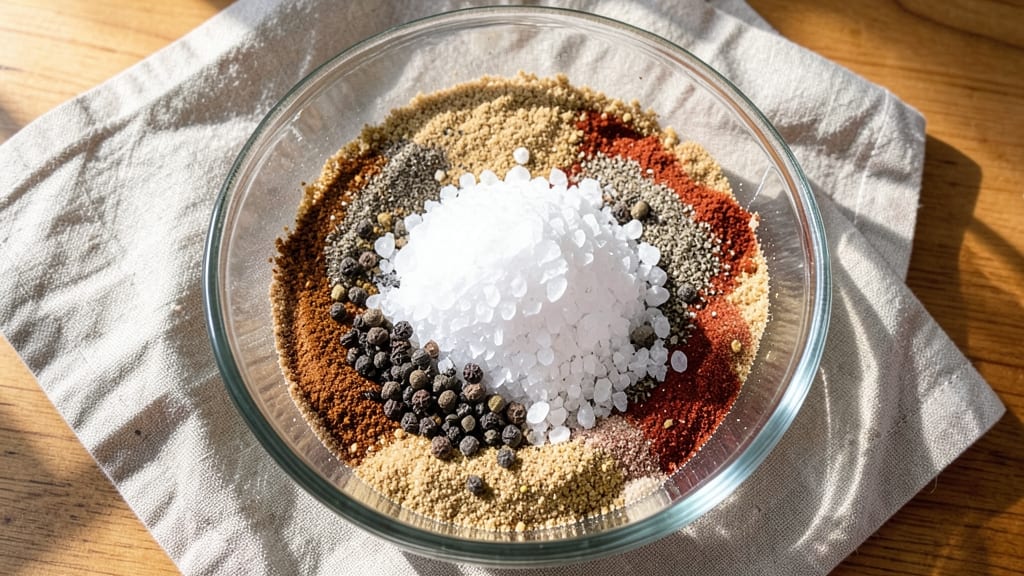
Creating brine for beef ribs transforms tough cuts into melt-in-your-mouth tenderness that rivals professional BBQ. The secret lies in a precise balance of salt, sugar, and aromatic spices that penetrate deep into the meat over time.
I've tested countless variations, and this liquid brine consistently delivers that coveted smoky bark and fall-apart texture that makes ribs unforgettable.
This recipe uses a wet brine solution—a flavorful liquid mixture where ribs soak for 12 to 24 hours. The combination of kosher salt, brown sugar, and spices like smoked paprika and garlic powder creates a crust that's both tender inside and perfectly seasoned outside.
The sugar isn't just for sweetness; it helps develop that prized bark during cooking.
What you'll achieve is beef ribs with fall-off-the-bone tenderness and a deeply flavorful crust that locks in moisture. The brine ensures even seasoning throughout the meat, eliminating the need for dry rubs or over-salting.
Whether you're preparing for a backyard cookout or a family dinner, this method guarantees restaurant-quality results every time.
For best results, use this brine on beef short ribs or beef back ribs—cuts with enough marbling to benefit from the moisture and flavor infusion. The longer the ribs soak, the more pronounced the flavor and tenderness, but never exceed 24 hours to avoid over-salting.
Let's dive into the recipe details to unlock that perfect balance of smoky, savory, and sweet.
Ingredients for brine for beef ribs
Six spices, four cups water, and the secret to ribs that fall apart with a whisper of smoke.
| Ingredient | Amount | Notes |
|---|---|---|
| Kosher Salt 🧂 | 2 cups | Diamond Crystal preferred for purity |
| Light Brown Sugar 🍚 | 1 cup | Packed, not granulated |
| Smoked Paprika 🌶️ | 2 tbsp | High-quality for authentic smokiness |
| Garlic Powder 🧄 | 1 tbsp | Freshly ground preferred |
| Ground Black Pepper 🌶️ | 1 tbsp | Freshly cracked for intensity |
| Onion Powder 🧅 | 1 tbsp | No added salt |
| Ground Mustard 🍯 | 1 tbsp | Dijon preferred for depth |
| Black Peppercorns 🌶️ | 1 tsp | Crushed for extra bite |
| Bay Leaves 🌿 | 2 whole | Fresh if available |
| Water 💧 | 4 cups | Filtered preferred for clarity |
The kosher salt is non-negotiable—Diamond Crystal is my go-to because it dissolves cleanly without clumping. If you're using Morton's, shake the container first; it's notorious for clumping. The smoked paprika should be labeled 'smoked' not 'sweet'—Penzeys or McCormick are solid brands. I always double-check the expiration date on spices; anything over a year old loses its punch. For the brown sugar, pack it tightly—that means pressing it down in the measuring cup so it doesn't settle later. The bay leaves? Fresh is ideal, but dried works if you crush them lightly before adding. This brine is all about balance: too much salt and you'll end up with salty ribs; too little sugar and you lose that caramelized bark.
No smoked paprika? Substitute half the amount with regular paprika plus a pinch of liquid smoke—though nothing beats the real thing. Running out of Dijon mustard? Yellow mustard in a pinch, but reduce to 1 tsp. The water can be sparkling—the carbonation adds a subtle lift—but flat works just as well. If you're prepping ahead, store the dry ingredients in an airtight container for up to 6 months; once mixed, the brine keeps for 3 days in the fridge. For extra smokiness, add 1/2 tsp of chipotle powder or a crushed chipotle pepper in adobo—just don't tell anyone I suggested it. The garlic powder can be swapped for 1/2 tsp of garlic salt, but you'll need to adjust the kosher salt downward by 1/4 tsp to keep it balanced.
This brine makes 2 gallons—enough for 4 lbs of ribs, which is perfect for a crowd. Store the dry mix in a glass jar with a tight seal in a cool, dark place. Once mixed, keep the brine in the fridge for up to 3 days, though I recommend using it fresh for maximum flavor. For leftovers, freeze in ice cube trays—just thaw overnight in the fridge before using. The ribs should soak for 12-24 hours, but never exceed 24 hours or you risk over-salting. Pro tip: Use a meat thermometer to check doneness—145°F for medium-rare is where the magic happens. The brine works its best when the ribs are cold when you add them, so plan ahead.
Why You'll Love This Recipe
- Five-Ingredient Magic: I swear, this brine is the kind of shortcut that makes me feel like a genius. Just toss those five pantry staples—kosher salt, brown sugar, smoked paprika, garlic powder, and black pepper—into a bowl, mix, and rub it on. No measuring cups, no fancy techniques, just pure, effortless flavor.
- Smoky-Sweet Obsession: That smoked paprika and brown sugar combo? It’s what turns dry ribs into melt-in-your-mouth perfection. The salt tenderizes, the sugar caramelizes, and the smokiness lingers like a good memory—deep, rich, and impossible to resist.
- Weeknight or BBQ King: Honestly, I use this brine for everything: quick weeknight dinners, backyard cookouts, or even as a marinade for steaks. It’s the ultimate crowd-pleaser, whether you’re feeding your family or hosting a party. (Yes, even on a Tuesday night.)
- Leftovers? Better Leftovers: This isn’t just a one-and-done deal. The ribs stay juicy for days, so you can prep a whole pack on Sunday and pull them out whenever cravings hit. Plus, the cost? A fraction of store-bought rubs, and way more satisfying. My wallet and taste buds thank me.
Step-by-step instructions for perfectly brined beef ribs
This brine transforms tough ribs into melt-in-your-mouth perfection with just a few hours of prep.
Combine Dry Ingredients for Maximum Flavor
In a large mixing bowl, whisk together the 2 cups kosher salt, 1 cup light brown sugar, 2 tbsp smoked paprika, 1 tbsp garlic powder, 1 tbsp ground black pepper, 1 tbsp onion powder, 1 tbsp ground mustard, and 1 tsp crushed black peppercorns. The salt and sugar will dissolve slightly as you mix, creating a coarse, aromatic blend that clings perfectly to the ribs.
Here's the thing—don't skip the crushed peppercorns. They add a subtle bite that cuts through the richness of the beef and enhances the bark formation when smoked. I like to use a mortar and pestle for the peppercorns to get that extra-fine texture, but a small spice grinder works too. The bay leaves can stay whole for now—they'll infuse the brine later.
Dissolve the Brine Mixture Completely
In a separate container, combine the 4 cups water with the dry ingredient mixture. Stir vigorously for 3-4 minutes until everything is fully dissolved. You should see a deep amber liquid with no visible salt or sugar crystals remaining. This complete dissolution ensures even flavor penetration throughout the ribs.
If you notice any undissolved particles after stirring, gently heat the mixture over low heat (just until steaming) and stir again. The sugar needs to fully integrate to create that perfect balance of sweetness and saltiness in the final result. Let the brine cool to room temperature before using—this prevents shocking the meat when submerged.
Submerge Ribs Completely in the Brine
Place your beef ribs in a large, non-reactive container (glass or food-grade plastic works best). Pour the cooled brine over the ribs, ensuring they're completely submerged. If using bone-in ribs, you might need to weigh them down with a plate or brining rack to keep them fully immersed. The ribs should stay in the brine for 4-6 hours at room temperature or overnight in the refrigerator.
This is where the magic happens—the salt and sugar break down muscle fibers while the aromatics infuse every inch of meat. For maximum tenderness, I recommend the overnight refrigerator method. The cold slows down the brining process, allowing for more even penetration without over-salting the surface. Just make sure the ribs are completely covered—any exposed areas won't get the full flavor treatment.
Rinse and Prepare for Cooking
After brining, remove the ribs and rinse them thoroughly under cold water for 1-2 minutes. This step removes excess salt and sugar from the surface, preventing an overly salty bark when you smoke them. Pat the ribs dry with paper towels—this is crucial for developing that perfect smoky crust later.
At this point, your ribs are ready for whatever cooking method you prefer—smoking, grilling, or even slow roasting. The brine has already done its job: tenderizing the meat and infusing it with deep, complex flavors. The key now is to let that bark form properly during cooking, which is why I always recommend cooking them uncovered and at a consistent temperature.
Pro Tips For Making Brine For Beef Ribs
- Dissolve the Sugar: Stir the brine until the brown sugar melts completely—no grainy bits. I learned this the hard way when my first batch left a gritty film on the ribs. A splash of warm water (about ¼ cup) helps if it’s stubborn, but don’t overdo it or you’ll dilute the flavor.
- Use a Scale, Not Cups: Measure kosher salt by weight (1 cup = ~7 oz) for consistency. I used to eyeball it, and my brines ended up either too weak or harsh. A cheap digital scale solves this forever—no more guessing.
- Cold Brine Only: Never use warm or hot water—always ice baths or cold tap. Hot water cooks the ribs prematurely and makes them tough. I skipped this once and spent hours trying to salvage mushy meat.
- Pat Dry Before Smoking: After brining, blot the ribs with paper towels until they’re almost dry. The sugar in the brine caramelizes better when there’s moisture to evaporate. Wet ribs = sticky bark, not crispy crust. (Yes, even if you’re impatient like me.)
Perfect pairings for these flavors
Smoky Bark Builders
To enhance that coveted smoky bark, pair your brined ribs with a dry rub containing 1 tbsp smoked paprika, 1 tbsp brown sugar, and 1 tsp cayenne pepper. Sprinkle this generously over the ribs after brining and before cooking.
The sugar caramelizes beautifully during the smoke, creating that irresistible crust. I like to add a light coat of mustard (like Dijon) to the ribs before applying the rub—it helps the seasoning stick and adds a subtle tang. 🌶️
Sauce Pairings
A tangy BBQ sauce with a balance of sweet and vinegar cuts through the richness of brined ribs beautifully. I recommend Sweet Baby Ray's Original or a homemade blend of ketchup, apple cider vinegar, and brown sugar.
For a smokier profile, add 1 tsp liquid smoke to your sauce. Serve it warm on the side so guests can drizzle it to taste—this keeps the bark intact while adding moisture.
Side Dish Harmony
Creamy mac and cheese with a crispy breadcrumb topping is a classic pairing that soaks up all the smoky juices. For a lighter option, try shaved Brussels sprouts sautéed with garlic and bacon—the bitterness balances the ribs' richness.
I also love cornbread with a hint of jalapeño for a Southern-inspired twist. The key is to choose sides that complement the ribs' smokiness without overpowering their natural flavor.
Beverage Balance
A smoky bourbon cocktail like an Old Fashioned with a dash of smoked salt on the rim elevates the meal. For non-alcoholic options, sweet tea with lemon or iced hibiscus tea provide refreshing contrast. The acidity in these drinks helps cleanse your palate between bites of rich, brined ribs.
Avoid heavy beers or wines that might compete with the smoky flavors—stick to lighter options like a crisp Mexican lager or a dry Riesling.
Garnish Game-Changers
Finish your brined ribs with pickled jalapeños for a bright, spicy kick or quick-pickled red onions for tangy crunch. A sprinkle of fresh cilantro adds freshness, while toasted sesame seeds bring an unexpected nutty depth.
I also love drizzling a little chipotle honey over the ribs just before serving—it adds a smoky-sweet glaze that ties everything together. 💫
Nutrition facts
Frequently asked questions
Can I use this brine for other meats besides beef ribs?
This brine works wonderfully on pork ribs, chicken thighs, and even turkey legs! The salt and sugar combination tenderizes all these cuts beautifully. For poultry, reduce the brining time to 4-6 hours maximum to avoid over-salting. Just adjust the sugar slightly (reduce by 1/4 cup) for leaner meats like chicken breast.
How do I know if my brine is strong enough?
Your brine should be fully dissolved with no visible crystals and a deep amber color. If you taste it (carefully!), it should be salty but not overwhelming, with a subtle sweetness from the brown sugar. For extra strength, add 1/2 tsp of liquid smoke to deepen the smoky flavor without altering texture.
What's the best way to store leftover brine?
Store unused brine in an airtight container in the fridge for up to 3 days. For longer storage, freeze it in ice cube trays—thaw overnight in the fridge before reuse. The flavor remains potent, though fresh brine always delivers the best results. Never refreeze thawed brine to maintain quality.
Can I make this brine without smoked paprika?
Mix 1 tbsp regular paprika with 1/2 tsp liquid smoke for a similar effect. For extra depth, add 1/2 tsp chipotle powder or a crushed chipotle pepper in adobo. The combination will still give you that signature smoky flavor without needing specialty ingredients.
Why do my brined ribs still feel tough after cooking?
Over-brining (beyond 24 hours) or insufficient cooking time are common culprits. Make sure your ribs reach 145°F internal temperature and cook low-and-slow for maximum tenderness. Also verify your brine dissolved completely—undissolved sugar/salt can create a tough exterior.