
Main Courses
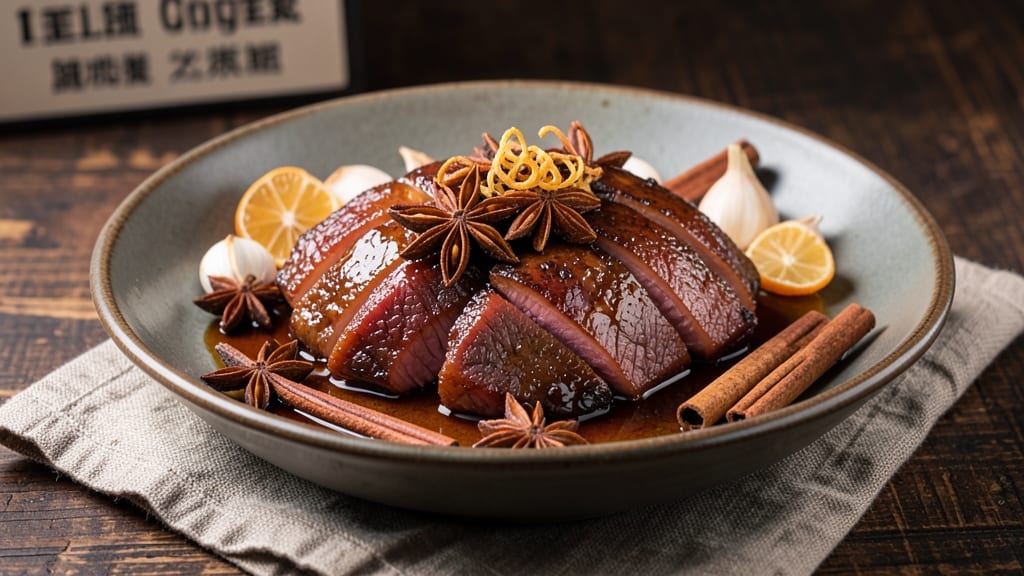
This Chinese beef tongue recipe transforms a humble cut into a luxurious centerpiece with its silky-smooth texture and deep umami flavor—exactly what I was craving after years of takeout Chinese meals.
The secret lies in the slow cooking process that melts collagen into gelatinous perfection, creating a dish that feels both comforting and sophisticated. I first discovered this recipe while researching traditional Cantonese techniques, and it quickly became a staple in my repertoire for special occasions.
The process begins with a foolproof marinade of soy sauce, star anise, and cinnamon that infuses the beef tongue with aromatic depth. After simmering for hours, the result is tender, melt-in-your-mouth beef that practically dissolves on your tongue.
This recipe delivers restaurant-quality results without requiring any special equipment—just patience and a large pot. The preparation time is long, but every step is worth it for that luxurious final texture.
What you'll achieve is a dish that's rich in both flavor and tradition—served with steamed rice and pickled vegetables for balance. The beef tongue absorbs the marinade's complex spices, creating a harmonious blend of sweet, salty, and aromatic notes.
This recipe isn't just about the cooking; it's about recreating a piece of Chinese culinary heritage in your own kitchen. Let's get started on this rewarding project.
The beauty of this recipe lies in its versatility—it works equally well as a main course for family gatherings or as an impressive centerpiece for dinner parties. The leftovers keep beautifully for days, making it an excellent meal prep option too.
Whether you're new to Chinese cuisine or a seasoned home cook, this beef tongue recipe will elevate your cooking skills and impress your guests with its authentic flavors.
Ingredients for chinese beef tongue
Fourteen ingredients transform a humble cut into a luxurious Cantonese centerpiece with melt-in-your-mouth tenderness.
| Ingredient | Amount | Notes |
|---|---|---|
| Beef Tongue (whole) 🥩 | 2 lb | Fresh, cleaned, and trimmed |
| Light Soy Sauce 🥄 | ½ cup | High-quality, low-sodium preferred |
| Star Anise Pods 🌿 | 4 whole | Whole, not ground |
| Cinnamon Sticks 🌳 | 2 whole | 2-inch pieces |
| Garlic Cloves 🧄 | 6 cloves | Peeled, smashed |
| Fresh Ginger 🌿 | ½ cup | Thinly sliced, skin on |
| Rock Sugar 🍯 | ¼ cup | Or substitute brown sugar |
| Shaoxing Wine 🍷 | ¼ cup | Substitute with dry sherry |
| Green Onions 🧅 | 4 whole | White and green parts separated |
| Sesame Oil 🫒 | 1 tbsp | Toasted, for finishing |
| Vegetable Oil 🫒 | 2 tbsp | For searing |
| Salt 🧂 | 1 ½ tsp | Kosher or sea salt |
| Black Peppercorns 🌶️ | 1 tsp | Crushed, not ground |
| Dried Red Chili Peppers 🌶️ | 2 whole | Optional, for heat |
The beef tongue is the star, so source it fresh from a trusted butcher—Whole Foods or Asian markets often carry it pre-cleaned. Look for tongues with a vibrant, deep red color and minimal blemishes; they should feel firm but pliable. If buying whole, trim off any excess fat or connective tissue before marinating. Costco sometimes stocks them pre-trimmed, saving you time. The marinade's aromatic trio—star anise, cinnamon, and Shaoxing wine—creates that signature umami depth, so don’t skimp on quality. Penzeys Spices carries excellent whole star anise and cinnamon sticks if your local market lacks them.
No Shaoxing wine? Dry sherry or even a splash of apple cider vinegar works in a pinch, though the flavor will differ slightly. Rock sugar can be swapped for brown sugar (lightly packed), but it adds that delicate caramel note that’s key. For the garlic and ginger, fresh is non-negotiable—dried lacks the aromatic punch. The green onions are divided: white parts go into the marinade, while the greens are reserved for garnish. If you’re feeling adventurous, add a dash of five-spice powder to the marinade for extra complexity. The sesame oil should be toasted—heat it gently in a dry pan until fragrant, then cool before using.
Marinated beef tongue keeps in the fridge for up to 2 days before cooking, but the longer it sits, the more flavor it absorbs. Cooked beef tongue reheats beautifully—simmer gently in its juices for 10-15 minutes until fork-tender. For leftovers, store in an airtight container with a thin layer of its cooking liquid to keep it moist. It freezes well for up to 3 months, though the texture may become slightly grainier after thawing. Serve with steamed jasmine rice and pickled vegetables for a balanced meal that’s as satisfying as it is impressive.
Why You'll Love This Recipe
- Simmering Simplicity: I swear, this recipe is about as hands-off as it gets—just toss the whole tongue, spices, and a splash of soy sauce into one pot and let it work its magic. No chopping, no fuss, just that deep, caramelized flavor building over time.
- Umami Bomb: The star anise and cinnamon sticks infuse the beef tongue with this warm, aromatic depth that’s hard to resist. Honestly, the first time I bit into it, I nearly dropped the fork—it’s that good, especially when the edges get crispy and the center stays tender.
- Leftovers Heaven: This dish actually improves the next day. Between us, I’ve made it twice in a row because the flavors meld even better after resting. Slice it thin, toss it in a wrap with pickled veggies, or just eat it straight with rice—it’s always a win.
- Budget Crowd-Pleaser: A whole beef tongue stretches to feed four or five people for pennies per serving. I’ll be real: my college friends still ask for this recipe, and my mom’s potluck group begs for it every holiday. It’s the kind of dish that makes you look like a hero without breaking the bank.
Step-by-step instructions for Chinese beef tongue
Transform tough beef tongue into melt-in-your-mouth perfection using this traditional Chinese technique.
Prepare and Parboil the Tongue
Begin by rinsing the 2 lb beef tongue thoroughly under cold water, then place it in a large pot and cover with cold water by 2 inches. Add the 1.5 tsp salt and bring to a boil over high heat. Once boiling, reduce heat to medium and simmer for 1 hour, skimming off any foam that rises to the surface. This initial parboil removes impurities and begins tenderizing the meat.
After 1 hour, drain the water and rinse the tongue again under cold water. Return it to the pot with fresh cold water covering it by 2 inches and bring back to a boil. Reduce heat to maintain a gentle simmer and cook for another 1 hour. The tongue should now be fork-tender when pierced with a sharp knife. This parboiling process is crucial—it removes blood and surface impurities while beginning the tenderization that will result in that signature silky texture.
Create the Aromatic Marinade
In a small saucepan, combine the 0.5 cup light soy sauce, 0.25 cup shaoxing wine, 0.25 cup rock sugar, 4 whole star anise pods, 2 whole cinnamon sticks, 6 smashed garlic cloves, 0.5 cup sliced fresh ginger, and the 2 whole dried red chili peppers. Bring to a gentle simmer over medium heat and reduce by half, about 10-12 minutes. This concentrated marinade carries all the aromatic flavors that will penetrate the tongue during the braising process.
Strain the reduced marinade through a fine-mesh sieve to remove the solids, then return it to the saucepan. Add the parboiled tongue to the marinade and let it soak at room temperature for 30 minutes. This brief marinating step allows the flavors to begin working their magic on the meat's surface. The combination of soy sauce, wine, and sugar creates a perfect balance of salty, sweet, and umami that will develop throughout the cooking process.
Braise Until Fork-Tender
Transfer the marinated tongue to a large Dutch oven or heavy pot with a tight-fitting lid. Pour the marinade over the tongue, ensuring it's completely submerged. Add enough water to cover the tongue by 1 inch. Bring to a gentle boil over medium-high heat, then immediately reduce to low heat, cover, and simmer for 3 hours. This long, slow braising is where the magic happens—the collagen in the tongue breaks down into gelatin, transforming tough meat into silky perfection.
After 3 hours, check the tenderness by piercing the thickest part with a fork. It should slide in easily with no resistance. If not, continue braising for another 30-60 minutes. The liquid should have reduced significantly but still cover the tongue. The aroma at this stage will be intoxicating—deep, savory, and slightly sweet from the caramelized sugar and soy sauce. This is the moment when all the flavors meld together to create that unmistakable Chinese beef tongue character.
Finish with Crispy Skin and Garnish
Remove the tongue from the braising liquid and transfer it to a plate. Strain the cooking liquid through a fine-mesh sieve into a clean saucepan, discarding the solids. Skim off any remaining fat from the surface. Return the liquid to medium heat and reduce until it thickens slightly, about 5-7 minutes. This concentrated sauce will coat the tongue and add depth of flavor.
Heat 2 tbsp vegetable oil in a large skillet over medium-high heat until shimmering. Carefully place the braised tongue in the skillet and sear on all sides until the skin develops a beautiful golden-brown crust, about 3-4 minutes per side. The contrast between the crispy exterior and silky interior is what makes this dish so satisfying. While still hot, brush the tongue with 1 tbsp toasted sesame oil and garnish with the white and green parts of the 4 separated green onions.
Serve with the Reduced Sauce
Slice the beef tongue into ½-inch thick pieces against the grain for maximum tenderness. Arrange the slices on a platter and spoon the reduced braising sauce generously over the top. The sauce should coat the meat and pool slightly on the plate, adding to the visual appeal and flavor experience. Serve immediately while the tongue is still warm, with steamed jasmine rice to soak up all that delicious sauce.
Each bite should offer a perfect balance of textures—crispy skin giving way to melt-in-your-mouth tenderness, with layers of umami, sweetness, and aromatic complexity. The dish tastes even better the next day as the flavors continue to develop, making it perfect for meal prep or special occasions when you want to impress your guests with authentic Chinese cuisine.
Pro Tips For Making Chinese Beef Tongue
- Blanching First: Drop the tongue in boiling water for 10 minutes before braising—this loosens the skin and makes peeling it off later a breeze. I used to skip this and spent 20 minutes scraping stubborn layers off with a knife. Not worth it.
- Toast Spices Dry: Lightly fry star anise and cinnamon sticks in oil for 30 seconds until fragrant—this deepens their flavor and prevents them from turning bitter. My grandmother swore by this, and she was right: the aroma alone makes the dish taste richer.
- Don’t Rush the Low Heat: After the initial sear, simmer the tongue at a gentle bubble (not rolling boil) for at least 3 hours—this keeps it tender without falling apart. I learned this the hard way when I rushed it and ended up with a chewy, tough mess.
- Deglaze with Soy Early: Add light soy sauce to the pot after the initial sear but before adding water—this locks in flavor instead of diluting it. I was skeptical until I tried it: the sauce caramelizes into the meat, giving it that classic umami depth.
Storing and reheating your chinese beef tongue
Refrigerator Storage
Cooked beef tongue keeps beautifully in the fridge for up to 4 days when stored properly. After slicing, transfer it to an airtight container with a thin layer of its braising sauce at the bottom. This sauce prevents the slices from drying out and adds extra flavor.
I use glass containers with snap-on lids—I find they maintain moisture better than plastic. Store at 40°F or below for best results. The flavors actually deepen overnight, making it perfect for leftovers. 💫
Freezer Storage Tips
For longer storage, beef tongue freezes exceptionally well for up to 3 months. After slicing, arrange the pieces in a single layer on a tray lined with parchment paper and freeze until solid. Then transfer to freezer bags or airtight containers, squeezing out excess air to prevent freezer burn.
I like to portion it into individual servings for easy reheating. When ready to eat, thaw overnight in the fridge before reheating. The texture remains tender, though it may be slightly firmer than fresh.
Stovetop Reheating
My preferred method for reheating is stovetop because it preserves the silky texture. Place the cold beef tongue slices in a skillet with 1-2 tablespoons of water or reserved braising sauce. Cover with a lid and heat over medium-low heat for 8-10 minutes, stirring occasionally.
The gentle heat ensures the slices don't dry out. For extra flavor, add a splash of Shaoxing wine or soy sauce while reheating. This method brings back that restaurant-quality tenderness. 🔥
Microwave Reheating
For quick reheating, use the microwave on 50% power to avoid overcooking. Place slices on a microwave-safe plate with a damp paper towel covering them. Heat for 1-2 minutes, then check for doneness. If needed, continue in 30-second intervals until warmed through.
Be careful not to overheat—the beef tongue can become rubbery if microwaved too long. I find this method works best for individual portions when you're short on time.
Serving Leftovers Creatively
Don't let leftovers go to waste—get creative with your beef tongue! Slice it thinly and use it in banh mi sandwiches with pickled daikon and cilantro. Or chop it into a stir-fry with bell peppers and jasmine rice.
The tender texture holds up beautifully in these dishes. Another favorite is to serve it cold in rice paper rolls with fresh herbs and vermicelli noodles. The flavor remains rich and satisfying even after reheating. 💡
Nutrition facts
Frequently asked questions
Why does beef tongue need to be parboiled twice?
The double parboiling removes blood and surface impurities while breaking down connective tissue. The first boil cleanses the meat, and the second begins tenderizing it—critical for achieving that signature silky texture after braising. Skipping either step risks a tough, gamey result.
Can I substitute Shaoxing wine with something else?
Yes! Use dry sherry or even apple cider vinegar in a pinch. For best results, choose a wine with similar acidity and depth. The alcohol helps tenderize the meat, while the acidity balances the sweetness from the rock sugar.
How do I know when the beef tongue is fully tender?
Pierce the thickest part with a fork—it should slide in effortlessly with no resistance. If it feels slightly firm, continue braising for 30-60 more minutes. The cooking liquid should also reduce significantly, creating a rich, concentrated sauce.
What if my beef tongue turns out too tough?
Overcooking is the most common cause. Ensure you braise at a gentle simmer (not a rolling boil) and check tenderness frequently. For extra tenderness, try adding 1 tsp baking soda to the first parboil—it helps break down proteins.
Can I make this recipe in a slow cooker?
After parboiling and marinating, transfer everything to your slow cooker and cook on low for 6-8 hours. The slow cooker maintains consistent low heat, which is ideal for collagen breakdown. Just ensure the tongue is fully submerged in liquid.