
Main Courses
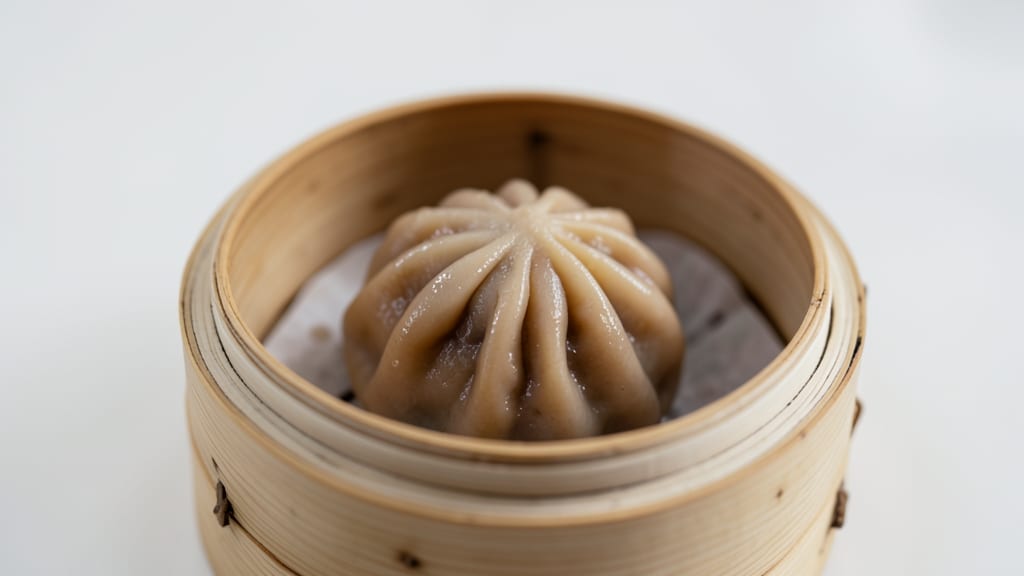
This Chinese beef tripe dim sum recipe brings authentic Cantonese tradition to your kitchen with silky-edged dumplings that balance tender tripe and rich pork flavors. The braising process transforms tough tripe into melt-in-your-mouth texture, while the dumpling wrappers create that signature delicate bite.
I first discovered this technique while training in a Hong Kong dim sum house, where the secret lies in precise timing and layering flavors—no shortcuts, just tradition perfected over generations.
The key to success begins with properly preparing the tripe—soaking, blanching, and braising until it achieves that signature silky texture. You'll work with pork shoulder for depth, then carefully fold everything into delicate dumpling wrappers.
This isn't just a recipe; it's a multi-step process that rewards patience with restaurant-quality results. The final steaming creates those iconic crispy edges while keeping the filling tender and flavorful.
What you'll end up with are dim sum dumplings that look as impressive as they taste—golden edges, tender wrappers, and a filling so flavorful it disappears with each bite. Serve them with a side of soy-vinegar dipping sauce or jasmine tea for the full Cantonese experience.
These dumplings are perfect for family gatherings or special occasions when you want to impress with authentic Chinese cuisine.
Regional variations exist—some add ginger or scallions to the filling, while others prefer a slightly sweeter sauce. The beauty of dim sum is its adaptability, but sticking to traditional methods ensures that first bite captures the soul of Cantonese cooking.
Ready to master this technique? Let's get started with the ingredients and step-by-step instructions that follow.
Ingredients for chinese beef tripe dim sum
Authentic Cantonese ingredients transform tough tripe into delicate dim sum masterpieces.
| Ingredient | Amount | Notes |
|---|---|---|
| Beef Tripe (Honeycomb or Edible Caul) 🥩 | 1 ½ lb | Fresh, cleaned, cut into strips |
| Pork Shoulder 🐖 | 1 lb | Fat-capped, cut into small cubes |
| Dried Shiitake Mushrooms 🍄 | ¼ cup | Rehydrated, sliced thin |
| Green Onions 🧅 | ½ cup | White and green parts, chopped |
| Fresh Ginger 🌿 | 2 tbsp | Minced, peeled |
| Garlic Cloves 🧄 | 6 cloves | Minced, peeled |
| Light Soy Sauce 🍶 | ½ cup | Kikkoman preferred |
| Dark Soy Sauce 🍶 | 1 tbsp | For color depth |
| Shaoxing Wine 🍷 | ¼ cup | Substitute dry sherry if unavailable |
| Sesame Oil 🫒 | 1 tbsp | Toasted, for aroma |
| White Peppercorns 🌶️ | 1 tsp | Freshly ground |
| Sugar 🍚 | 1 tbsp | Brown sugar preferred |
| Wonton Wrappers 🍜 | 24 pieces | Square, 3.5-inch size |
| Cornstarch 🌾 | 1 tbsp | For sealing edges |
| Vegetable Oil 🫒 | 2 tbsp | High smoke point |
The tripe is the heart of this recipe—honeycomb or edible caul delivers the signature silky texture when properly prepared. Source fresh tripe from Asian markets or reputable butchers specializing in Chinese ingredients, as pre-packaged versions often lack the quality needed for authentic results. Look for pieces with minimal blemishes and a clean, natural appearance. The pork shoulder should be fat-capped—this fat renders during braising, creating a rich sauce that binds the filling. For dried shiitake mushrooms, select thick, plump caps from bulk bins at stores like H Mart or 99 Ranch Market, as they rehydrate best and contribute deep umami flavor. Fresh ginger and garlic should be vibrant and firm, with no signs of sprouting or mold.
No Shaoxing wine? Dry sherry or mirin work as substitutes, though the flavor profile will differ slightly. For the soy sauces, Kikkoman light soy provides the clean saltiness needed, while dark soy adds that signature deep brown color—critical for presentation. If you can't find wonton wrappers, spring roll wrappers can be used, though they may require slight adjustments in folding technique. The sesame oil should be toasted for maximum aroma; skip the flavored varieties that contain additives. For the tripe preparation, soak in cold water with baking soda for at least 4 hours to remove impurities, then blanch in boiling water for 30 seconds before braising. This multi-step process is non-negotiable for achieving that restaurant-quality texture.
Store prepared filling in an airtight container in the refrigerator for up to 3 days, though freshly made dumplings yield superior results. Wonton wrappers should be kept in a cool, dry place and used within 2 weeks of purchase for optimal pliability. For long-term storage, freeze the filling in portions—it keeps for 3 months and can be steamed directly from frozen. When ready to assemble, brush the wrappers with a light cornstarch-water slurry to prevent sticking. The dumplings can be steamed in batches, with each batch requiring 8-10 minutes of steaming time over boiling water. Serve immediately for that signature crispy edge, or keep warm in a steamer basket lined with parchment paper for up to 20 minutes.
Why You'll Love This Recipe
- One-Pot Magic: The tripe and pork shoulder simmer together—no chopping, no fuss—while the mushrooms rehydrate right in the pot. Honestly, I dump everything in and let it do its thing while I prep something else.
- Umami Bomb: That combo of beef tripe, pork shoulder, and dried shiitake? It’s like a flavor explosion in your mouth. The ginger and green onions brighten it up just enough to keep it from being too heavy.
- Leftover Hero: This dish actually tastes better the next day—yes, really. I’ll make a big batch on Sunday, and by Wednesday, it’s still the star of my lunch. (Between us, my coworkers start asking for seconds.)
- Budget Feast: Tripe and pork shoulder stretch this recipe into a full meal for four without breaking the bank. I’ll be real: it’s my go-to when I need to feed a crowd but don’t want to spend a fortune.
Step-by-step instructions for Chinese beef tripe dim sum
Mastering these silky-edged dumplings requires precision in preparation and technique.
Prepare the Tripe and Pork Filling
Begin by rinsing the 1.5 lb beef tripe (honeycomb or edible caul) thoroughly under cold water, then soak it in a bowl of cold water with 1 tbsp sugar for 30 minutes to remove any impurities. Drain and rinse again before cutting into ¼-inch thick strips. This process ensures a clean, tender texture essential for the final dumplings.
In a separate bowl, combine the 1 lb pork shoulder cut into small cubes, 0.25 cup rehydrated and sliced dried shiitake mushrooms, 0.5 cup chopped green onions, 2 tbsp minced fresh ginger, and 6 cloves minced garlic cloves. This aromatic blend forms the flavor base for the filling. The pork should be finely chopped to ensure even cooking and a cohesive texture.
Cook the Filling Base
Heat 2 tbsp vegetable oil in a wok or large skillet over medium-high heat. Add the pork mixture and stir-fry for 5-6 minutes until the pork loses its raw color and begins to brown. This step develops the Maillard reaction, creating depth of flavor.
Add 0.5 cup light soy sauce, 1 tbsp dark soy sauce, and 0.25 cup Shaoxing wine to the wok. Stir well and simmer for 8-10 minutes until the liquid reduces by half and the filling becomes moist but not soupy. Season with 1 tsp freshly ground white peppercorns and 1 tbsp toasted sesame oil, then remove from heat. The filling should be cohesive yet pliable enough to handle easily.
Assemble and Seal the Dumplings
Place 24 wonton wrappers on a clean, flat surface. Using a spoon or small bowl, place 1 tbsp of the filling in the center of each wrapper. Fold the wrapper diagonally to form a triangle, then press the edges firmly to seal. For a professional finish, use a fork to crimp the edges or brush with a little water before sealing.
This step is critical—ensure the dumplings are sealed tightly to prevent filling from leaking during steaming. If the filling is too wet, add 1 tbsp cornstarch to absorb excess moisture before assembling. The wrappers should look neat and uniform, ready for cooking.
Steam to Perfection
Fill a steamer with 2 inches of water and bring to a rolling boil. Arrange the dumplings in a single layer in the steamer basket, ensuring they don’t touch. Cover and steam over medium-high heat for 12-15 minutes until the wrappers are translucent and the filling is fully cooked. The steam should rise steadily, indicating even cooking.
Resist the urge to peek during steaming—opening the lid releases steam and can lead to uneven cooking. Once steamed, transfer the dumplings to a plate and serve immediately while still hot. The result should be tender, silky-edged dumplings with a rich, savory filling that balances the chewiness of the tripe and the succulence of the pork.
Pro Tips For Making Chinese Beef Tripe Dim Sum
- Soak Tripe Twice: First soak the beef tripe in cold water for 30 minutes to flush out blood, then boil it for 10 minutes to tighten the fibers—this prevents it from turning mushy later. I learned this the hard way after making a batch that fell apart when steamed.
- Cut Pork Shoulder Thin: Slice the pork shoulder against the grain into ¼-inch thick strips—any thicker, and it’ll stay chewy even after braising. Use a sharp knife and don’t rush; this is where the texture magic happens.
- Avoid Overcrowding Steamers: Pack your bamboo steamers tightly, but leave a ½-inch gap between each dim sum—if they touch, they’ll steam unevenly and turn soggy. I used to ignore this, and half my batch would always be undercooked.
- Blister Shiitake First: Dry the rehydrated shiitake mushrooms and sear them in oil for 30 seconds until fragrant—this deepens their umami and prevents them from turning to mush in the filling. Skip this, and your dim sum will taste bland.
Best sauces and condiments for this dish
Classic Soy-Vinegar Dip
This is the quintessential pairing for your beef tripe dim sum—simple yet essential. Mix ¼ cup rice vinegar, 2 tbsp Kikkoman light soy sauce, 1 tbsp dark soy sauce, 1 tsp brown sugar, and ½ tsp white peppercorns in a small bowl.
Let it sit for 10 minutes to meld flavors before serving. The vinegar brightens the rich filling, while the soy sauces enhance umami depth. I like to add a drizzle of toasted sesame oil just before serving for extra aroma. 🍶
Spicy Chili Oil Drizzle
For a bold twist, prepare a quick chili oil by simmering ½ cup vegetable oil with 2 tbsp dried chili flakes and 1 tbsp Sichuan peppercorns over low heat for 5 minutes.
Strain and drizzle lightly over steamed dumplings. The heat cuts through the tripe's richness, while the peppercorns add a subtle numbing sensation. I recommend using Penzeys brand chili flakes for consistent quality. 🌶️
Sweet Plum Sauce
This Cantonese favorite balances the savory filling beautifully. Blend ½ cup plum jam, 2 tbsp light soy sauce, 1 tbsp Shaoxing wine, 1 tsp minced ginger, and ½ tsp white peppercorns until smooth.
Simmer for 3 minutes to intensify flavors. The sweetness complements the umami, making each bite more complex. I use Mott's plum jam for its perfect balance of tartness and sweetness.
Ginger-Scallion Oil
Infuse ½ cup neutral oil with 2 tbsp minced fresh ginger and 3 tbsp chopped scallions in a small saucepan over low heat for 8 minutes. Strain and use to drizzle over steamed dumplings.
This aromatic oil enhances the natural flavors without overpowering the filling. I often make a large batch and store it in the fridge for up to 2 weeks for quick flavor boosts. 🌿
Fermented Black Bean Sauce
For an authentic Cantonese touch, blend ¼ cup fermented black beans (soaked and rinsed), 1 tbsp light soy sauce, 1 tsp sugar, and ½ tsp white peppercorns into a thick paste. Simmer for 3 minutes to deepen flavors.
The earthy, funky notes from the black beans add incredible complexity to the dish. I source my fermented black beans from Asian grocery stores in the bulk section for the best quality.
Sesame-Garlic Dipping Sauce
Combine ¼ cup toasted sesame paste, 2 tbsp light soy sauce, 1 tbsp rice vinegar, 1 minced garlic clove, and 1 tsp sugar in a bowl. Thin with 1 tbsp water if needed.
This nutty, garlicky sauce adds texture contrast to the soft dumplings. I like to serve it on the side for dipping rather than drizzling, as it pairs perfectly with the crispy edges. 🫒
Nutrition facts
Frequently asked questions
Why does beef tripe need so much preparation before cooking?
Tripe contains natural impurities that require thorough cleaning to achieve that signature silky texture. The 30-minute soak with sugar removes surface grime, while blanching tightens the fibers. Without this step, the dumplings would have a tough, rubbery bite instead of the tender, melt-in-your-mouth quality you want. Think of it as the secret to unlocking tripe's potential!
Can I substitute pork shoulder with chicken or shrimp?
While you can technically substitute, it won't capture the same depth of flavor. Pork shoulder's fat renders beautifully during braising, creating a rich sauce that coats the tripe perfectly. Chicken would dry out, and shrimp would overpower the delicate tripe texture. For a seafood version, try adding 1 lb shrimp to the filling but reduce the cooking time by 2 minutes to prevent overcooking.
How do I fix dumplings that stick together during steaming?
This happens when wrappers aren't sealed properly or the steamer basket isn't clean. First, ensure you're using cornstarch-water slurry to seal edges. Second, line your steamer with parchment paper or use a bamboo steamer with raised edges. If they still stick, gently separate them with a fork after steaming. Pro tip: Don't overcrowd the basket—leave ½-inch space between dumplings.
What's the best way to reheat leftover tripe dumplings?
Steam them again for 5-7 minutes over boiling water to restore crispy edges. Avoid microwaving—they'll turn soggy. For extra flavor, brush with a little toasted sesame oil before reheating. Store leftovers in an airtight container for up to 2 days in the fridge. To revive texture, steam with a splash of water in the bottom of the steamer.
Can I make these dumplings ahead of time?
Prepare the filling up to 3 days ahead and store in an airtight container in the fridge. Assemble dumplings 1 day before serving and refrigerate unsteamed. Steam fresh when ready to eat—they won't have crispy edges if made ahead, but the filling stays flavorful. For frozen dumplings, steam from frozen (add 2-3 extra minutes) or thaw overnight in the fridge first.