
Main Courses
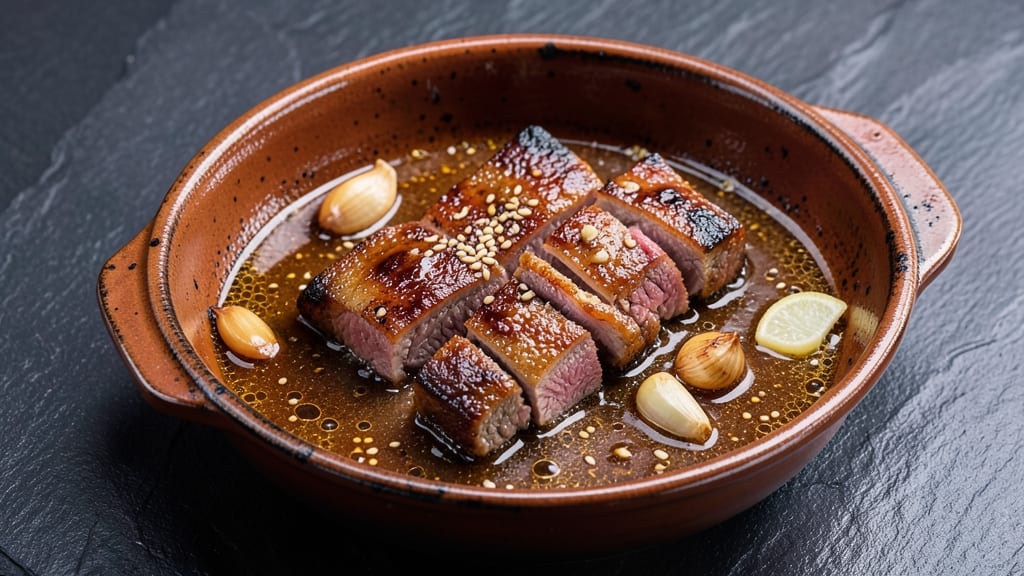
This Chinese braised beef short ribs recipe delivers restaurant-quality tenderness with a deep soy-wine glaze that caramelizes into rich, aromatic perfection. The key lies in slow-cooking the ribs until they practically melt in your mouth while building layers of flavor through traditional spices like star anise and cinnamon.
I've perfected this method over countless batches, ensuring every bite achieves that ideal balance of silky meat and complex sauce.
The process begins with a simple marinade of soy sauce, Shaoxing wine, and spices that tenderizes the meat while establishing the foundation for the braising liquid.
What sets this recipe apart is the two-stage cooking method: first searing the ribs to develop deep flavors, then slow-braising until the collagen breaks down into velvety tenderness. The sauce reduces to a glossy glaze that coats each rib perfectly.
By the time you serve these ribs, you'll have achieved that coveted restaurant-quality result at home—fall-apart tender beef swimming in a glossy, aromatic sauce. The combination of sweet soy, rich wine, and warming spices creates a dish that's equally impressive for dinner parties or comforting weeknight meals.
Let's get started on creating these melt-in-your-mouth ribs.
This recipe works beautifully as a standalone main course or paired with steamed jasmine rice and stir-fried vegetables. The leftovers actually improve the next day as the flavors continue to meld, making it perfect for meal prep.
The technique is straightforward once you understand the key principles of slow cooking and sauce reduction.
Ingredients for chinese braised beef short ribs
Restaurant-quality braise starts with these 14 ingredients—simple but powerful for silky ribs.
| Ingredient | Amount | Notes |
|---|---|---|
| Beef Short Ribs 🥩 | 3 lb | Bone-in, cut into 2-inch pieces |
| Soy Sauce 🍶 | ½ cup | Kosher or Japanese preferred |
| Shaoxing Wine 🍷 | ½ cup | Dry Chinese cooking wine |
| Brown Sugar 🍯 | ¼ cup | Packed, light brown preferred |
| Garlic Cloves 🧄 | 6 cloves | Peeled, smashed |
| Fresh Ginger 🌿 | 2 tbsp | Finely minced, peeled |
| Star Anise 🌶️ | 2 whole | Lightly crushed |
| Cinnamon Sticks 🍃 | 2 whole | 2-inch pieces |
| Cloves 🌶️ | 4 whole | Lightly crushed |
| Black Peppercorns 🌶️ | 1 tsp | Crushed |
| Cornstarch 🌾 | 1 tbsp | For thickening sauce |
| Water 💧 | 1 ½ cups | For braising liquid |
| Vegetable Oil 🫒 | 2 tbsp | High smoke point |
| Green Onions 🧅 | 3 whole | Sliced, for garnish |
The beef short ribs are non-negotiable—look for bone-in cuts with good marbling from the butcher section. Costco or Whole Foods often carry high-quality beef, but your local butcher will have the freshest. Avoid pre-cut ribs from the meat counter; they tend to be tougher. For Shaoxing wine, Asian markets carry it at reasonable prices—avoid substituting with regular wine unless it's dry. The spices—star anise, cinnamon, and cloves—should be whole and aromatic. If they smell stale, toss them. Fresh ginger and garlic are essential for brightness; frozen works in a pinch but fresh is ideal.
No Shaoxing wine? Dry sherry or mirin works, but reduce by half. The brown sugar can be swapped for white sugar, though it won't caramelize as beautifully. For the cornstarch, arrowroot powder is a 1:1 substitute. If you're short on time, pre-cut ribs save effort, but sear them longer to compensate. The green onions can be omitted, but they add freshness—scallions or chives work too. For extra depth, a splash of fish sauce (1 tsp) enhances umami, but it's optional. The key is balancing sweetness, acidity, and salt—taste as you go.
This braise tastes even better the next day as flavors meld. Store in the fridge for up to 5 days in an airtight container. For longer storage, freeze for up to 3 months. Reheat gently on the stove with a splash of water to restore moisture. The sauce thickens as it cools, so thin with a little water if needed. Portion into containers for easy lunches—jasmine rice pairs perfectly and reheats well. Leftovers reheat beautifully, so double the batch if you're feeding a crowd.
Why You'll Love This Recipe
- One-Pot Magic: I swear by this recipe when I’m too tired to scrub a dozen dishes. Toss the ribs, sauce, and aromatics in one pot, then walk away—it’ll smell like heaven when you come back. The garlic and soy caramelize right into the beef, so no extra cleanup.
- Umami Bomb: That first bite? The Shaoxing wine and brown sugar melt into the meat, giving it this deep, savory-sweet punch. Honestly, the contrast of tender ribs with that glossy, slightly sticky sauce is why I keep making it—it’s like a hug in a bowl.
- Leftovers That Shine: Between us, this dish only gets better the next day. The flavors meld into something richer, and reheating it is a breeze—just a splash of water, a few minutes in the oven. My lazy Sundays now include cold rice and reheated ribs, and I don’t even feel guilty.
- Budget Feast: Short ribs are pricey, but this recipe stretches them far. A single batch feeds four, and the leftovers? Perfect for lunch or a quick dinner. I’ll be real: it’s my go-to for when I want to splurge on one fancy ingredient but still eat well all week.
Step-by-step instructions for Chinese braised beef short ribs
Here's the method for achieving melt-in-your-mouth tenderness with a glossy, caramelized glaze.
Sear the Short Ribs for Deep Flavor
Heat the 2 tablespoons vegetable oil in a heavy Dutch oven over medium-high heat until shimmering. Working in batches, add the 3 lb beef short ribs in a single layer, ensuring they don't overcrowd the pan. Sear for 4-5 minutes per side until the exterior develops a deep mahogany crust. This step creates the Maillard reaction that builds complex flavors.
Real talk: Don't rush this. You'll know they're ready when the ribs release easily from the pan and the crust looks rich and caramelized. Transfer the seared ribs to a plate and set aside. The residual heat in the pot will help build your braising liquid later.
Build the Aromatic Base
In the same Dutch oven, reduce heat to medium and add the 6 cloves garlic cloves and 2 tablespoons fresh ginger. Cook for 30 seconds until fragrant—this releases their essential oils and prevents bitterness. Add the 2 whole star anise, 2 whole cinnamon sticks, 4 whole cloves, and 1 teaspoon black peppercorns, stirring to toast for 1 minute until the spices release their aroma.
Here's the thing—these spices are the secret to that authentic Chinese restaurant depth. Don't skip toasting them; their flavor compounds activate when heated. After toasting, pour in the 0.5 cup shaoxing wine and scrape up any browned bits from the bottom with a wooden spoon. Let it simmer for 2 minutes until the wine reduces by half.
Braise Until Fork-Tender
Return the seared ribs to the Dutch oven. Add the 0.5 cup soy sauce, 0.25 cup brown sugar, and 1.5 cups water. Bring to a gentle simmer, then reduce heat to low. Cover tightly with a lid and braise for 2.5 hours until the ribs are fork-tender with no resistance. The liquid should reduce to a thick, glossy glaze that coats the ribs completely.
I check for doneness by inserting a fork—it should slide in like butter with no chew. If the ribs aren't tender after 2.5 hours, add 0.25 cup water and continue braising. The sugar will caramelize as it reduces, creating that signature sticky glaze. Don't peek too often; every time you lift the lid, you lose heat and extend cooking time.
Thicken the Glaze and Finish
Once the ribs are tender, remove them from the pot and set aside. In a small bowl, whisk together the 1 tablespoon cornstarch with 2 tablespoons water until smooth. Stir this slurry into the braising liquid and bring to a gentle simmer for 2-3 minutes until the sauce thickens to a glossy consistency that coats the back of a spoon.
The sauce should coat a spoon and leave a slight trail when dipped in. If it's too thin, add another ½ tablespoon cornstarch mixed with water. Return the ribs to the pot and simmer uncovered for 5 minutes to let the glaze set. This final step ensures each bite delivers that perfect balance of tender meat and rich sauce.
Garnish and Serve
Transfer the braised ribs to a serving platter and garnish with the 3 whole green onions, sliced on the bias. The bright green contrast cuts through the richness of the braised meat. Serve immediately with steamed jasmine rice or egg noodles to soak up every last bit of that silky sauce.
This dish tastes even better the next day as the flavors meld further. Store leftovers in the refrigerator for up to 4 days or freeze for 3 months. The ribs will continue to tenderize slightly over time, making them even more fork-friendly.
Pro Tips For Making Chinese Braised Beef Short Ribs
- Blister the Garlic First: After browning the ribs, toss in the whole garlic cloves and let them sizzle until deep golden—almost blackened at the edges. I used to skip this, but that crispy aroma and flavor? It’s what ties the whole dish together. (Yes, even if it looks like you’re overcooking them—you’re not.)
- Par-Cook the Ribs: Give the beef short ribs a 10-minute head start in boiling water before braising. This short simmer collapses the connective tissue faster, so your final dish falls apart with less effort. I learned this the hard way—my first attempt took hours to tenderize.
- Deglaze with Shaoxing Wine: Don’t just dump the wine in after browning—let it reduce by half before adding soy sauce and brown sugar. That extra step concentrates the alcohol’s caramelizing power, giving your sauce depth instead of just boozy flatness. (And no, you can’t skip this—trust me.)
- Use Dark Soy for Color: Swap half your regular soy sauce for dark soy sauce when building the braising liquid. It adds that signature glossy sheen without overpowering the flavor, and it cuts through the richness of the ribs. I was skeptical until I tried it—now I never go back.
Creative variations of these flavors
Sweet and Spicy Sichuan Style
Transform these ribs into fiery Sichuan braised beef by adding 2 tablespoons chili bean paste (like Lao Gan Ma) and 1 tablespoon doubanjiang to the braising liquid. Stir in 1 teaspoon Sichuan peppercorns (toasted) and 1 minced chili during the aromatic base step.
The ribs will develop a numbing-spicy kick from the peppercorns and deep umami from the fermented pastes. Serve with extra chili oil drizzled on top for maximum heat. 🌶️
Creamy Coconut Thai Fusion
Swap the soy sauce for ½ cup coconut aminos and add ½ cup light coconut milk to the braising liquid. Include 1 stalk lemongrass (bruised) and 1-inch galangal slice for aromatic depth. Finish with 1 tablespoon fish sauce and 1 teaspoon palm sugar.
Garnish with fresh cilantro and lime wedges. This version delivers a creamy, slightly sweet profile that pairs beautifully with jasmine rice or rice noodles.
Dry Braised Version
For a more concentrated flavor experience, reduce the water by half (0.75 cup) and add 1 tablespoon hoisin sauce to the braising liquid. After the initial 2-hour braise, remove the ribs and reduce the sauce uncovered on medium-high heat until it reaches a thick, jam-like consistency.
This method creates a sticky, caramelized crust on the ribs that's perfect for serving with steamed buns or egg noodles.
Spiced Orange Glaze
Brighten the classic recipe by adding ½ cup orange juice and zest of 1 orange to the braising liquid. Include 1-inch piece fresh turmeric (or ½ teaspoon ground turmeric) for color and earthy notes.
The acidity from the orange juice cuts through the richness while adding a vibrant citrus aroma. Garnish with orange slices for an elegant presentation that works beautifully for special occasions.
Miso-Butter Glaze
Elevate these ribs with a Japanese-inspired twist by adding 2 tablespoons white miso paste and 2 tablespoons butter during the final 5-minute simmer. The miso adds deep umami while the butter creates a luxurious, velvety finish.
Garnish with toasted sesame seeds and serve with steamed rice and quick-pickled cucumbers. This fusion version delivers restaurant-quality depth with a silky texture.
Slow Cooker Adaptation
For hands-off cooking, sear the ribs as directed, then transfer everything (including spices and braising liquid) to a 6-quart slow cooker. Cook on low for 8 hours or high for 5 hours, then proceed with the cornstarch thickening step.
The slow cooker method yields incredibly tender ribs with minimal effort—perfect for busy weeknights. The sauce will be slightly thinner but can be reduced further on the stovetop if desired.
Nutrition facts
Frequently asked questions
Why do I need to sear the beef short ribs before braising?
Searing creates the Maillard reaction, which develops deep, caramelized flavors that form the flavor base for your braise. The crust also helps lock in juices during the long cook. Skipping this step means missing out on that rich, restaurant-quality depth.
Can I use beef chuck roast instead of short ribs?
Yes, but expect different results. Chuck roast will be more tender but less flavorful than bone-in short ribs. Cut it into 2-inch cubes and increase braising time to 3 hours. The bone-in ribs add natural collagen that breaks down into gelatin, creating that signature silky texture.
What if my sauce is too thin after braising?
Whisk 1 tablespoon cornstarch with 2 tablespoons cold water and stir it into the sauce. Simmer for 2-3 minutes until thickened. For extra richness, add 1 tablespoon butter at the end. The sauce should coat the back of a spoon with a slight gloss.
How do I make this dish ahead of time?
Prepare the ribs up to 2 days ahead. Cool completely, then refrigerate in an airtight container. Reheat gently on the stove with a splash of water to restore moisture. The flavors actually improve as they meld further! For freezing, store for up to 3 months—thaw overnight in the fridge before reheating.
Can I substitute Shaoxing wine with something else?
Use dry sherry or mirin in equal amounts. For a non-alcoholic option, try apple cider vinegar mixed with 1 teaspoon sugar. The wine's depth enhances the sauce, but these substitutes work in a pinch. Avoid sweet wines like Riesling—they'll make the dish too cloying.