
Main Courses
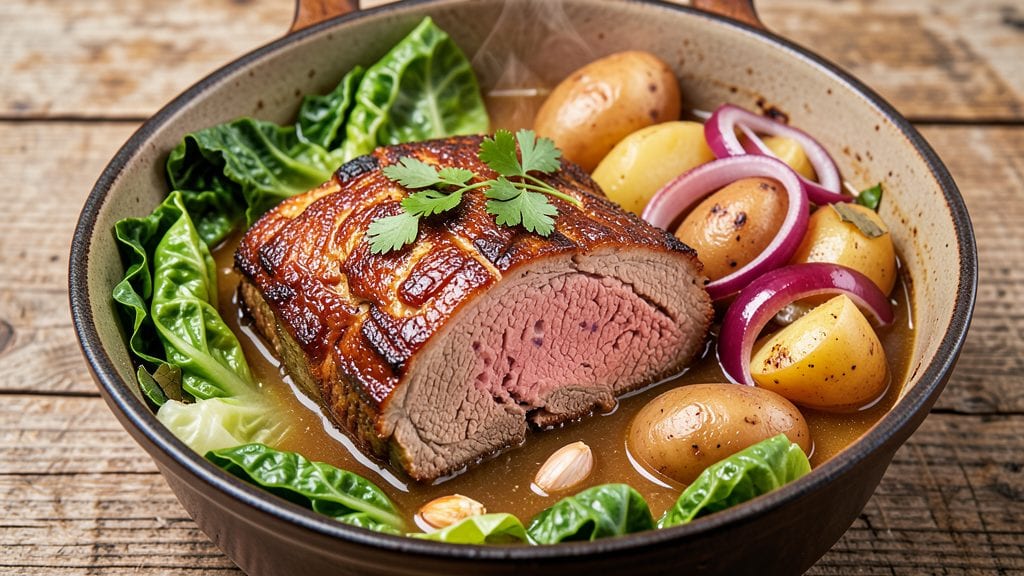
This classic boiled corned beef and cabbage recipe delivers the rich, spiced depth of a traditional Irish Sunday roast—tender beef infused with aromatic spices and hearty cabbage that softens into perfect bite-sized pieces.
The secret lies in slow simmering, which transforms tough cuts into melt-in-your-mouth perfection while letting flavors meld into a deeply satisfying broth. I’ve perfected this method over years of holiday tables, where it becomes the centerpiece that brings everyone back for seconds.
The beauty of this dish is its simplicity: just a few key ingredients—corned beef, cabbage, potatoes, and a handful of spices—work together to create a meal that feels both nostalgic and refined.
Unlike rushed versions, this recipe demands patience, with the beef simmering for hours until it’s fork-tender and the cabbage achieves that ideal tender-crisp texture. The result? A savory, spice-infused experience that tastes like a home-cooked celebration, not a shortcut.
What makes this recipe stand out is the balance of tradition and flexibility—you can stick to classic flavors or add modern twists like garlic, bay leaves, or a splash of beer for depth.
The aroma alone will fill your kitchen with warmth, while the first bite delivers that perfect harmony of salty, savory, and slightly sweet notes. This is the kind of dish that turns a simple meal into a memorable gathering, whether for St. Patrick’s Day or a cozy family dinner.
Ready in about 3 hours (mostly hands-off time), this recipe is ideal for those who appreciate restaurant-quality results without the fuss. The slow cooking process ensures every bite is infused with flavor, and the leftovers—if there are any—make for equally delicious sandwiches the next day.
Let’s get started on creating this timeless classic.
Ingredients for classic boiled corned beef and cabbage
Six core ingredients transform into a restaurant-quality Irish roast without shortcuts.
| Ingredient | Amount | Notes |
|---|---|---|
| Corned Beef Brisket 🥩 | 3 lb | Pre-brined, 2-3 inches thick |
| Green Cabbage 🥬 | 1 whole | Hearty green variety, cut into wedges |
| Russet Potatoes 🥔 | 2 lb | Firm, peeled, cut into 2-inch chunks |
| Yellow Onions 🧅 | 2 whole | Medium, peeled, quartered |
| Garlic Cloves 🧄 | 6 cloves | Fresh, smashed, not minced |
| Bay Leaves 🍃 | 4 whole | Dried, standard size |
| Black Peppercorns 🌶️ | 1 tbsp | Whole, lightly crushed |
| Diamond Crystal Kosher Salt 🧂 | 1 tbsp | For seasoning broth |
| Dark Beer 🍺 | 2 cups | Stout or porter, chilled |
| Fresh Parsley 🌿 | ¼ cup | Chopped, for garnish |
| Carrots 🥕 | 4 whole | Medium, peeled, halved lengthwise |
| Water 💧 | 8 cups | Filtered or spring water |
| Apple Cider Vinegar 🍎 | 1 tbsp | For brightness |
The corned beef brisket is the foundation—opt for a 3-pound brisket with visible fat cap for moisture retention during slow cooking. Costco or Whole Foods typically carry high-quality pre-brined cuts, but if sourcing from a butcher, request a 2-3 inch thick piece for even cooking. The cabbage should be firm and heavy, indicating freshness, while potatoes and carrots need uniform size for consistent doneness. Fresh garlic and bay leaves elevate the dish beyond canned spice blends, so prioritize these aromatic components. Diamond Crystal kosher salt is recommended for its coarse texture, which dissolves cleanly into the broth.
No dark beer? Substitute with beef broth for depth, though the malt notes are irreplaceable. Fresh parsley can be swapped for dried parsley at one-third the amount, but the bright flavor is best when fresh. If using pre-sliced cabbage, increase to 1.5 heads to account for smaller leaves. For a quicker version, parboil potatoes 5 minutes before adding to the pot. The apple cider vinegar adds subtle tang—white vinegar works in a pinch, though it lacks the fruity complexity. For a modern twist, add 1 tsp smoked paprika with the spices for a subtle smokiness.
This dish rewards patience—3 hours of simmering yields fork-tender beef and perfectly tender vegetables. Store leftovers in an airtight container for up to 5 days, though the flavors deepen overnight. For meal prep, portion into individual containers with reserved broth for reheating. The broth itself is a treasure—freeze extras in ice cube trays for future soups or gravies. Garnish with fresh parsley just before serving to maintain vibrant color.
Why You'll Love This Recipe
- One-Pot Magic: I swear by this recipe—just toss everything into a pot, add water, and let it simmer. No fancy techniques, no last-minute grocery runs. The brisket stays tender while the potatoes and cabbage soak up all that savory garlic broth.
- Deep, Savory Bite: That first slice of corned beef—juicy, peppery, with just enough bite—paired with the sweetness of caramelized onions and the crunch of cabbage? It’s the kind of flavor that makes you close your eyes and sigh. Honestly, the spice blend in the brisket does most of the work.
- Leftovers for Days: This dish actually improves the next day. Reheat the corned beef with a splash of broth, and it’s even more tender. My freezer’s always stocked with portions—perfect for quick lunches or a lazy Sunday supper. (Yes, even on a Tuesday night.)
- Budget-Friendly Feast: A whole brisket feeds six for under $20, and the potatoes and cabbage stretch it further. Between us, this is my go-to when I need to feed the family without breaking the bank. The onions and garlic add depth without costing extra.
Step-by-step instructions for classic boiled corned beef and cabbage
Here's the method for achieving that signature tender brisket and perfectly wilted cabbage every time.
Prepare the Corned Beef Brisket
Rinse the 3 lb corned beef brisket thoroughly under cold water to remove any surface brine. This ensures the meat absorbs the fresh flavors of the cooking liquid rather than carrying the initial curing salt. Pat it completely dry with paper towels, focusing on the edges and corners where moisture tends to collect.
Place the brisket in a large, heavy-bottomed pot—preferably one that's at least 8-quart capacity. Add the 2 whole yellow onions, quartered, and the 4 whole carrots, halved lengthwise, around the brisket. This creates a flavorful base while preventing the meat from floating. The onions and carrots will infuse the broth with sweetness and depth as they cook.
Build the Flavorful Broth
Add the 8 cups water to the pot, followed by the 2 cups dark beer. The beer contributes malty complexity and helps tenderize the meat. Stir in the 1 tbsp apple cider vinegar, which brightens the broth and balances the richness of the brisket. Bring the liquid to a full, rolling boil over high heat.
Once boiling, reduce the heat to medium-low and add the 4 whole bay leaves, 1 tbsp lightly crushed black peppercorns, and 1 tbsp diamond crystal kosher salt. The broth should simmer gently—small bubbles breaking the surface, but not a vigorous boil. This controlled simmer is crucial for even cooking and preventing the meat from becoming tough. Skim off any foam that rises to the surface during the first 10 minutes for a clearer broth.
Add Vegetables and Simmer
Cut the 1 whole green cabbage into wedges, leaving the core intact to maintain structure. Add the cabbage wedges to the pot, arranging them around the brisket. The cabbage should be partially submerged but not completely covered—this allows it to wilt gently rather than steam. Add the 6 smashed garlic cloves and the 2 lb russet potatoes, cut into 2-inch chunks, to the pot.
Return the liquid to a gentle simmer and partially cover the pot with a lid, leaving a small gap for steam to escape. This indirect heat method prevents the cabbage from turning mushy while allowing the potatoes to cook through. The brisket will need approximately 3 to 3½ hours to reach fork-tenderness, depending on its initial thickness. Check the internal temperature with a meat thermometer—it should register 205°F to 210°F when fully done.
Rest and Serve
Once the brisket reaches the proper temperature, remove it from the pot and transfer to a cutting board. Tent loosely with aluminum foil and let it rest for 15 to 20 minutes. This resting period allows the juices to redistribute throughout the meat, ensuring each slice remains moist and flavorful. During this time, the cabbage will continue to soften slightly, and the potatoes will absorb the remaining broth.
Slice the brisket against the grain into ¼-inch thick pieces. Ladle the cooking liquid through a fine-mesh strainer to remove any solids, then pour it back over the sliced meat. Garnish each serving with the 0.25 cup chopped fresh parsley for a pop of color and freshness. Serve immediately with the cabbage and potatoes, allowing guests to assemble their own plates for the ultimate classic dining experience.
Pro Tips For Making Classic Boiled Corned Beef And Cabbage
- COLD START THE BRISKET: I learned this the hard way—skip the urge to thaw the corned beef brisket overnight. Toss it straight from the freezer into cold water (yes, even if it’s rock-solid) and bring to a boil. The shock thawing keeps the meat juicier than a slow defrost ever will, and you’ll save hours of waiting. Just plan for an extra 30-45 minutes of simmering time.
- CUT CABBAGE IN EVEN STRIPS: Uneven cabbage pieces mean some will cook mushy while others stay crunchy. Aim for ½-inch-wide strips—thick enough to hold shape but thin enough to soften in the same time as the potatoes. And here’s the real trick: core out the cabbage first with a knife before slicing. You’ll save 10 minutes of frustration later.
- DON’T SKIP THE GARLIC SMASH: Whole garlic cloves just sit there, adding flavor but not much impact. Crush them with the flat side of your knife (or smash them with a wine bottle if you’re feeling dramatic) before adding to the pot. The released oils infuse the broth faster, and the flavor becomes way more noticeable. (Your future self will notice.)
- POTATOES LAST, NOT FIRST: I used to add potatoes with the cabbage, but they’d turn to glue before the meat was done. Instead, drop them in the last 15 minutes of cooking—just enough time to soften without falling apart. Pro move: Parboil them for 5 minutes first if you’re worried about doneness. (This isn’t the prettiest method, but it’s the tastiest.)
Serving suggestions for leftovers
Traditional Garnishes
Freshly chopped parsley adds a vibrant pop of color and brightens the dish with its fresh, slightly peppery notes. I like to sprinkle it generously over the sliced corned beef just before serving—it’s the classic finish that ties everything together.
For an extra touch of authenticity, add sliced green onions or a pinch of coarse black pepper right on top of the cabbage. These simple garnishes elevate the presentation without overpowering the rich flavors. 🌿
Broth Utilization
The cooking liquid from this dish is pure liquid gold—don’t let it go to waste! Strain it and use it to make corned beef sandwiches the next day, or serve it as a hearty soup with extra potatoes and carrots.
I often freeze the broth in ice cube trays for future use in stews or gravies. For an instant upgrade, add a splash of apple cider vinegar or a dash of smoked paprika to the reheated broth for extra depth.
Side Pairings
While the cabbage and potatoes are already classic sides, consider adding buttered egg noodles or crusty Irish soda bread to round out the meal. The bread soaks up the delicious broth beautifully, while the noodles add a comforting texture contrast.
For a lighter option, serve with a simple arugula salad dressed with a lemon vinaigrette—the peppery greens cut through the richness of the beef. 🥖
Modern Twists
Want to put a contemporary spin on this classic? Swap the potatoes for roasted baby potatoes tossed with rosemary and garlic, or add caramelized onions to the cabbage for extra sweetness. For a smoky kick, sprinkle crumbled bacon or smoked paprika over the top.
Even a drizzle of horseradish cream adds a tangy contrast that pairs perfectly with the rich beef. These tweaks keep the dish feeling fresh while honoring its roots.
Leftovers Reinvented
Transform leftover corned beef into Reuben sandwiches with sauerkraut, Swiss cheese, and Russian dressing on rye bread. For a hearty breakfast, shred the beef into corned beef hash with diced potatoes and onions, then crisp it in a skillet.
The cabbage also makes great stir-fry fillings—sauté it with garlic and a splash of soy sauce for a quick weeknight meal. These reinventions turn leftovers into new favorites without extra effort. 💡
Presentation Tips
For a restaurant-worthy look, serve the corned beef on a large platter with the cabbage and potatoes arranged around it. Garnish with extra parsley and sliced green onions for color. If serving family-style, use individual bowls with the beef and cabbage layered separately, letting guests assemble their plates.
For a festive touch, add a sprig of rosemary or a lemon wedge to the table—it’s simple but adds a touch of elegance. The key is keeping it warm, inviting, and full of flavor.
Nutrition facts
Frequently asked questions
Why does the corned beef need to rest after cooking?
Resting the beef for 15-20 minutes after removing it from the pot lets the juices redistribute throughout the meat, preventing them from leaking out when sliced. This keeps every bite moist and flavorful—skipping this step can leave your beef dry and less tender.
Can I use regular salt instead of kosher salt in the broth?
Yes, but use about half the amount—kosher salt has larger crystals. For 1 tbsp kosher salt, use 1½ tsp table salt. Too much salt can make the broth overly salty and overpower the natural flavors of the beef and vegetables.
How do I know when the corned beef is fully cooked?
Use a meat thermometer to check the internal temperature—it should reach 205°F-210°F. The beef should be fork-tender and easily pull apart with minimal resistance. If it’s still slightly firm, return it to the pot for another 30 minutes of simmering.
What’s the best way to store leftovers?
Store leftovers in an airtight container in the fridge for up to 5 days or freeze for 3 months. For reheating, warm in a pot with a splash of broth or water to prevent drying out. The broth also freezes well—portion it into ice cube trays for future use.
Can I make this dish in a slow cooker?
Follow the same steps but add everything to the slow cooker on low for 8-10 hours or high for 5-6 hours. The slow cooker’s gentle heat mimics the traditional simmering method, ensuring tender beef and perfectly cooked vegetables. Just skip the skimming step—it’s unnecessary in a slow cooker.