
Main Courses
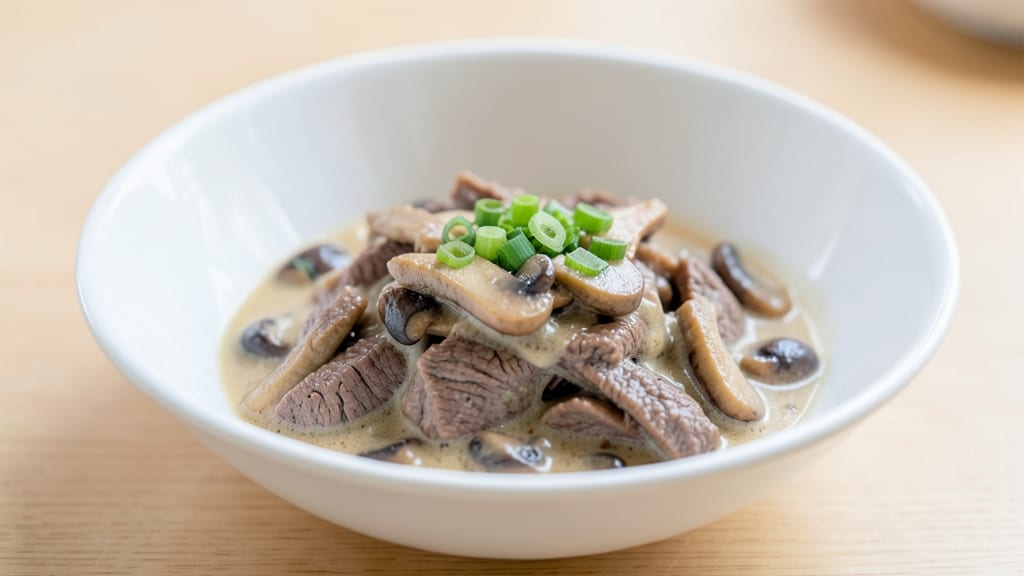
This classic Russian beef stroganoff recipe delivers the velvety sour cream sauce and tender beef that made it a 19th-century aristocratic favorite. The dish traces back to St. Petersburg’s high society, where it was perfected in the kitchens of Count Stroganov—now a beloved comfort food worldwide.
What sets this version apart is the balance of mustard’s sharp bite and sour cream’s richness, creating a sauce that clings perfectly to the beef.
The secret to authentic stroganoff lies in proper beef searing and gradual sauce reduction. I use ribeye or sirloin cut into thin strips for quick cooking, then build the sauce with a simple roux before adding broth and mustard.
The sour cream finishes the sauce gently, ensuring it stays smooth rather than curdling. This method delivers restaurant-quality results in under 45 minutes—ideal for weeknight dinners.
By the time you serve this dish, you’ll have perfectly tender beef swimming in a glossy, creamy sauce that’s tangy yet rich. The texture is unmistakably Russian: silky sauce with just enough bite to keep it interesting.
Pair it with buttery egg noodles or fluffy mashed potatoes to soak up every last drop of that velvety goodness.
While traditional recipes called for homemade broth and roux, modern shortcuts like store-bought beef broth and instant roux powder keep the dish accessible without sacrificing authenticity. The key is patience—letting the sauce simmer just long enough to develop depth while keeping the beef moist.
This is comfort food at its finest, with a history as impressive as its flavor.
Ingredients for classic russian beef stroganoff
Nine simple ingredients transform into velvety stroganoff with restaurant-quality depth.
| Ingredient | Amount | Notes |
|---|---|---|
| Ribeye Steak 🥩 | 1 ½ lb | Thinly sliced against grain |
| Unsalted Butter 🧈 | 4 tbsp | For searing beef, room temp |
| All-Purpose Flour 🌾 | 2 tbsp | For roux, sifted preferred |
| Beef Broth 💧 | 2 cups | Low-sodium preferred, homemade or store-bought |
| Dijon Mustard 🍯 | 1 tbsp | Not prepared, for authentic bite |
| Sour Cream 🥛 | ¾ cup | Full-fat for creamy texture |
| Dry White Wine 🍷 | ½ cup | Substitute with extra broth if needed |
| Shallots 🧅 | 2 whole | Minced, or substitute with onions |
| Garlic Cloves 🧄 | 3 cloves | Minced, fresh preferred |
| Salt 🧂 | 1 tsp | Kosher or sea salt |
| Ground Black Pepper 🌶️ | ½ tsp | Freshly ground for best flavor |
| Egg Noodles 🍝 | 8 oz | Fresh or dried, for serving |
The beef is everything here. Ribeye or sirloin cut into thin strips cooks quickly and stays tender—Costco or Whole Foods have pre-sliced options that save time. Look for good marbling, not lean cuts. If you're slicing yourself, cut against the grain for that signature tender bite. The shallots? Fresh is best, but jarred minced shallots in vinegar work in a pinch. Just rinse them well to remove excess acid. For the wine, any dry white will do—Sauvignon Blanc or Pinot Grigio keep things bright.
No wine? Extra beef broth plus a splash of lemon juice mimics the acidity. Sour cream matters—full-fat is non-negotiable for that creamy texture. The Dijon mustard adds authenticity; prepared mustard lacks the depth. Short on time? Instant roux powder (like Betty Crocker) works just as well as homemade. The egg noodles should be buttery—Barilla or De Cecco are my go-tos, but any good-quality egg noodles do the trick. And if you're feeling fancy, toss in a handful of fresh parsley at the end for color.
This reheats beautifully—just warm through gently on the stove, adding a splash of broth if it thickens too much. Keeps for 4-5 days in the fridge, freezes for 3 months. I always make extra because it tastes even better the next day. Portion into containers with a side of noodles for easy lunches—trust me on this. The sauce thickens as it cools, so a quick stir with a splash of warm water brings it back to perfection.
Why You'll Love This Recipe
- One-Pan Magic: I swear by this recipe because it’s effortless—just sear the ribeye, toss in the flour-butter roux, and let the broth do the work. No chopping, no fussing, just a single pan that handles everything from browning to simmering.
- Rich Without Guilt: That Dijon mustard cut into the butter? Chef’s kiss. It adds a tangy depth that balances the beef’s richness, while the ribeye’s natural juiciness keeps it from feeling heavy. Honestly, it’s the kind of flavor that makes you forget it’s a “classic” recipe—it just feels indulgent.
- Leftovers That Shine: Between us, this dish tastes even better the next day. The flavors meld into something deeper, and it reheats like a dream—just a splash of broth to loosen it up. I make a double batch on Sundays because it’s my go-to for lazy weeknight dinners when I’m too tired to cook.
- Budget-Friendly Luxury: You’re using ribeye, sure, but the rest of the ingredients are pantry staples—flour, butter, broth. The dish stretches easily over noodles or mashed potatoes, so you’re getting restaurant-quality flavor without breaking the bank. (Yes, even on a Tuesday night.)
Step-by-step instructions for classic Russian beef stroganoff
Here's how to create a velvety stroganoff with perfectly tender ribeye and rich, tangy sauce.
Sear the Ribeye for Maximum Flavor
Pat the 1.5 lb ribeye steak completely dry with paper towels. Using a sharp knife, slice it thinly against the grain into ¼-inch strips. This ensures tender bites that cook quickly in the sauce.
Heat 2 tablespoons of the unsalted butter in a large skillet over medium-high heat. Once the butter foams, add half the ribeye strips in a single layer. Let them sear undisturbed for 2-3 minutes until deep golden brown on one side, then flip and sear the other side for another 2 minutes. Remove the beef and set aside. Repeat with the remaining strips and the remaining 2 tablespoons butter. The beef should be cooked to medium-rare (about 130°F internal temp) before it finishes in the sauce.
Build the Roux and Deglaze
Reduce the heat to medium and add the 2 tablespoons all-purpose flour to the skillet, stirring constantly for 1-2 minutes until it turns a light golden color. This creates a flavorful base for your sauce.
Add the 2 whole minced shallots and 3 minced garlic cloves, cooking for 30 seconds until fragrant. Immediately pour in the 0.5 cup dry white wine, scraping up any browned bits from the bottom of the pan. Let it simmer for 2 minutes until the wine reduces by half. This deglazing step captures all the meaty flavors that would otherwise stick to the pan.
Simmer the Sauce to Perfection
Gradually whisk in the 2 cups beef broth, stirring constantly to prevent lumps. Bring to a gentle simmer and cook for 8-10 minutes until the sauce thickens slightly. The mixture should coat the back of a spoon but still be smooth.
Remove from heat and stir in the 1 tablespoon Dijon mustard and 1 tsp salt. Taste and adjust seasoning with the 0.5 tsp ground black pepper if needed. The sauce should be tangy but balanced, with a subtle kick from the mustard. Keep the sauce warm while you prepare the noodles.
Finish with Sour Cream and Combine
Cook the 8 oz egg noodles according to package instructions until al dente. Drain and set aside, reserving ½ cup pasta water. Return the skillet with the sauce to low heat and gently stir in the 0.75 cup sour cream. Add the reserved pasta water 1 tablespoon at a time until the sauce reaches your desired consistency—it should be creamy but still coat the noodles well.
Add the cooked noodles and ribeye strips to the skillet, tossing gently to combine. Let everything heat through for 1-2 minutes before serving. The noodles should absorb the sauce without becoming soggy, and the beef should be perfectly tender with a slight pink center.
Pro Tips For Making Classic Russian Beef Stroganoff
- Sear Ribeye in Two Stages: First, hit the steak with a dry pan over high heat until it releases a deep crust—about 2 minutes per side. Then, finish searing in the butter (with the flour already melted in) to lock in flavor. I learned this the hard way—skipping the second sear leaves the sauce tasting like it’s missing something.
- Use Cold Butter for Roux: Chill that unsalted butter before making the roux—literally scoop it from the fridge and cut it into cubes. Cold butter emulsifies better with the flour, giving you a smoother, less grainy sauce. Sounds weird, but it works: your stroganoff won’t taste like you overcooked the base.
- Deglaze with Broth Early: Don’t wait until the flour is browned to add the beef broth—pour it in right after the butter melts, while the pan is still hot. This keeps the sauce from turning into glue and gives you more control over the consistency. (Yes, even if you’re impatient like me.)
- Skip the Mustard Until the End: Add the Dijon mustard after the sauce has thickened, not at the start. If you mix it in too soon, the acidity can break down the roux and make the sauce thin out. Stir it in last—just a splash—and let it brighten the flavor without wrecking the texture.
Troubleshooting this recipe
Sauce Too Thin?
If your sauce ends up too thin, don’t panic—simmering longer is the first fix. Reduce the heat to low and let it cook uncovered for 5-10 minutes, stirring occasionally.
For an instant fix, mix 1 tablespoon cornstarch with 2 tablespoons cold water, stir into the sauce, and simmer for 1-2 minutes until thickened. I’ve also used 1 teaspoon instant roux powder (like Betty Crocker) mixed with 1 tablespoon water for a quick boost.
Beef Overcooked?
If your beef turns out tough, it likely overcooked during searing. For next time, sear in two batches to avoid crowding the pan, and remove beef immediately when it reaches 130°F internal temp (medium-rare).
If it’s already overdone, shred the beef and serve it over mashed potatoes instead of noodles—the sauce will still shine. 💡
Sour Cream Curdling?
This happens when you add sour cream to a hot sauce. Always stir the sauce on low heat and add sour cream gradually, letting it warm slowly.
If it starts to curdle, immediately remove the pan from heat and whisk in 1 teaspoon cold butter or 1 tablespoon heavy cream to stabilize it. I’ve also had success whisking in ½ teaspoon lemon juice to balance the tang.
Sauce Too Tangy?
If the mustard or sour cream overpowers the dish, balance it with a touch of sweetness. Stir in ½ teaspoon honey or 1 teaspoon maple syrup to mellow the acidity.
A pinch of sugar (about ¼ teaspoon) also works. Taste as you go—this sauce should be tangy but not overpowering.
Noodles Soggy?
To prevent soggy noodles, cook them al dente (1 minute less than package instructions) and drain them well. Toss them with the stroganoff off the heat to avoid absorbing too much sauce. If they still seem dry, add 1-2 tablespoons reserved pasta water to the skillet before combining everything.
I also like serving stroganoff with a side of buttered egg noodles instead of mixing them in.
Lacking Depth?
For richer flavor, add 1 teaspoon Worcestershire sauce when simmering the broth, or a splash of red wine vinegar (just ½ teaspoon) to brighten the sauce. A pinch of smoked paprika (about ¼ teaspoon) adds complexity without overpowering.
If you’re short on time, use 1 teaspoon beef bouillon powder dissolved in the broth for an umami boost. 🌟
Nutrition facts
Frequently asked questions
Why does traditional stroganoff use Dijon mustard instead of regular mustard?
Dijon mustard provides a smoother, more complex flavor with less heat than prepared mustard. The 1 tablespoon in this recipe adds a subtle tang that balances the richness of the sour cream without overpowering the dish. Prepared mustard often contains vinegar and sugar, which can alter the sauce's delicate flavor profile.
Can I make this recipe without wine?
Replace the 0.5 cup dry white wine with 0.5 cup beef broth plus 1 teaspoon lemon juice to maintain the dish's acidity. The wine primarily deglazes the pan and adds depth, so this substitution works perfectly while keeping the recipe authentic.
What's the best way to reheat leftovers?
Reheat stroganoff gently on the stove over low heat with a splash of beef broth or water to restore creaminess. Avoid microwaving, as it can make the sauce grainy. Stir occasionally and add more liquid if needed—the sauce thickens as it cools.
Is there a vegetarian version of this dish?
You can substitute the beef with mushroom strips or chickpea crumbles for a plant-based version. Use the same cooking method for the "meat" substitute, then proceed with the sauce as written. For extra richness, add 1 tablespoon nutritional yeast when simmering the broth.
How do I know when the roux is ready?
The roux should turn a light golden color and smell nutty—about 1-2 minutes of constant stirring. It should coat the back of a spoon but not burn. Overcooking turns it dark and bitter, so keep a close eye on it.