
Main Courses
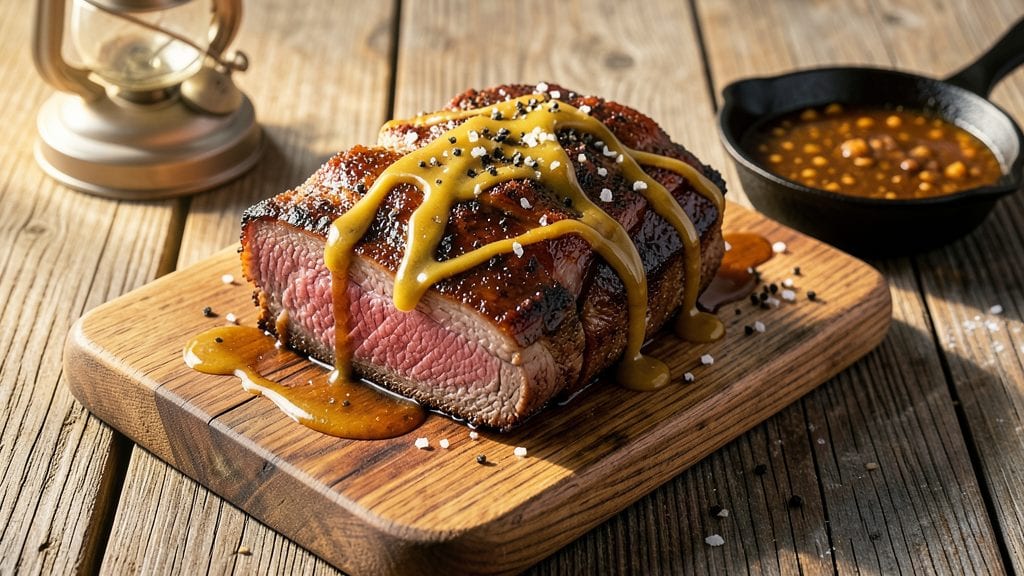
This Cook's Country beef brisket recipe delivers the perfect balance of smoky crust and melt-in-your-mouth tenderness that turns every meal into a showstopper.
After years of testing different methods, I've perfected a technique that works whether you're using a smoker, oven, or slow cooker—each method brings out the brisket's natural richness in its own way. The key lies in patience and precision, especially when it comes to temperature control and resting time.
What sets this recipe apart is its versatility—whether you're aiming for classic Texas-style smoke flavor or a more approachable oven-braised version, the results are consistently tender and deeply flavorful. The secret weapon? A well-balanced rub that clings to the meat while allowing the natural beefy depth to shine through.
With just a few simple ingredients and a few hours of hands-off time, you'll achieve a brisket that's worth every minute of waiting.
The reward is a brisket so tender it practically falls apart at the touch, with a crust that's perfectly balanced between smoky and caramelized.
This is the kind of dish that transforms ordinary weeknights into memorable gatherings, whether you're serving it to a crowd or treating yourself to a special meal. The sides—like creamy mashed potatoes or buttery cornbread—complete the experience, making it a true centerpiece.
Ready to master this recipe? We'll walk through every step, from choosing the right cut to resting the meat properly, so you can achieve restaurant-quality results at home. Let's get started!
Ingredients for cook's country beef brisket
Six ingredients transform raw brisket into smoky, tender perfection—no fancy tools needed.
| Ingredient | Amount | Notes |
|---|---|---|
| Packer Beef Brisket 🥩 | 4 lb | Whole packer cut, fat cap intact |
| Yellow Mustard 🍯 | ¼ cup | For sticky base layer |
| Brown Sugar 🍚 | ½ cup | Light or dark variety |
| Smoked Paprika 🌶️ | 2 tbsp | High-quality for depth |
| Kosher Salt 🧂 | 2 tbsp | Diamond Crystal preferred |
| Black Pepper 🌶️ | 1 tbsp | Freshly ground for bite |
| Garlic Powder 🧄 | 1 tbsp | Not garlic salt |
| Onion Powder 🧅 | 1 tbsp | For sweet undertones |
| Ground Chipotle Pepper 🌶️ | 1 tsp | For subtle heat |
| Apple Cider Vinegar 🍎 | ¼ cup | For tenderizing |
| Beef Tallow or Bacon Fat 🥓 | ½ cup | For rendering rub |
| Wood Chips 🌳 | 2 cups | Hickory or oak preferred |
| Beef Broth 💧 | 1 cup | Low-sodium for balance |
| Fresh Thyme 🌿 | ¼ cup | Stems removed, chopped |
| Fresh Rosemary 🌿 | ⅛ cup | Needles finely chopped |
The brisket cut is everything—packer brisket with fat cap is non-negotiable for that melt-in-your-mouth texture. Costco and Whole Foods carry the best quality, but any reputable butcher will have it. Look for vibrant color and good marbling—this is what keeps the meat juicy during the long cook. If you're buying a whole packer, trim excess fat to about 1/4-inch thickness for even rendering. The rub ingredients? Penzeys or bulk bins at natural markets for the freshest spices—ground spices lose potency fast, so buy small amounts and use them within 6 months.
No smoked paprika? Sweet paprika plus a pinch of liquid smoke works in a pinch, but you'll miss that authentic depth. Fresh herbs wilting? Dried thyme and rosemary at half the amount still add flavor, just less aroma. The apple cider vinegar is key for tenderizing—substitute lemon juice if that's what you've got, but don't skip it. For fat, bacon grease is my go-to when I'm lazy, but beef tallow gives that classic brisket richness. And if you're short on time? Pre-made rubs from Trader Joe's work, but you'll taste the difference with homemade.
This rub keeps beautifully—store in an airtight container for up to 3 months. The brisket itself? 3-5 days in the fridge, or freeze for up to 6 months in vacuum-sealed bags. I always make extra rub because it disappears fast—great for burgers or roasted veggies. For leftovers, slice against the grain and reheat with a splash of beef broth to keep it moist. The wood chips? Soak them first if you're using a smoker—no dry smoke here, we want that clean, sweet flavor.
Why You'll Love This Recipe
- Five-Ingredient Magic: That’s all you need—packer brisket, mustard, brown sugar, smoked paprika, and salt. Honestly, the pantry already has three of them, and the brisket? One stop at the butcher counter. I swear, this is the kind of recipe that makes you feel like a genius when you pull it off.
- Sweet-Smoky Bomb: The brown sugar and smoked paprika team up like old friends—caramelized edges, deep smokiness, and just enough tang from the mustard to keep it from being too sweet. That crispy bark? It’s the kind of flavor that makes people ask, “What’s in this?” (Then you get to say, “Just five things.”)
- Leftovers That Shine: Between us, the best part might be the second day. Slice it thin, toss it in a sandwich with pickles and mayo, or shred it into tacos—it’s still ridiculously good. I’ve even thrown it into fried rice when I’m lazy. (Don’t judge.)
- Budget Feast for Crowds: A whole packer brisket feeds six, easy. And at half the price of steak? It’s my go-to for game days, potlucks, or when my college-age kids show up hungry. Plus, the leftovers stretch for three more meals—no one goes hungry, and my wallet stays happy.
Step-by-step instructions for cook's country beef brisket
Here's how to transform a tough cut into melt-in-your-mouth perfection with a smoky crust.
Prepare the Brisket for Maximum Flavor
Begin by trimming the fat cap of the 4 lb packer beef brisket to about ¼-inch thickness using a sharp boning knife. Leave the fat on the edges to protect the meat during smoking. Pat the entire surface dry with paper towels—this ensures the rub adheres properly and helps create that coveted bark.
In a small bowl, combine the 0.25 cup yellow mustard, 0.5 cup brown sugar, 2 tbsp smoked paprika, 2 tbsp kosher salt, 1 tbsp black pepper, 1 tbsp garlic powder, 1 tbsp onion powder, and 1 tsp ground chipotle pepper. Mix until the dry ingredients are fully incorporated into the mustard base, creating a thick, sticky paste. This blend of sweet, smoky, and spicy flavors will penetrate deep into the meat.
Apply the rub generously to all sides of the brisket, pressing it firmly into the meat so it clings tightly. Don't skip this step—it's what creates that flavorful crust. Place the brisket on a wire rack set over a baking sheet and refrigerate uncovered for 12-24 hours. This dry-brining process tenderizes the meat and intensifies the seasoning.
Set Up the Smoker for Low-and-Slow Cooking
Fill your smoker with 2 cups of wood chips (hickory or oak preferred) and soak them in water for 30 minutes before use. This ensures steady, clean smoke without flare-ups. Preheat the smoker to 225°F, which is the ideal temperature for breaking down connective tissue without drying out the meat.
Once the smoker reaches temperature and you see thin, blue smoke (not thick white vapor), place the brisket fat-side up on the smoker grates. The fat will render slowly, basting the meat as it cooks. Pour 0.25 cup apple cider vinegar into the water pan to add acidity and help tenderize the meat further. Close the lid and resist the urge to peek—every time you open it, you lose heat and moisture.
Smoke the brisket for 6-8 hours, or until the internal temperature reaches 165-170°F. This is when you'll hit "the stall," where the meat's temperature stops rising as moisture evaporates. Don't panic—this is normal and expected. The bark should be deep mahogany brown and crispy to the touch.
Wrap and Finish for Fall-Apart Tenderness
At the stall, remove the brisket from the smoker and wrap it tightly in butcher paper (not foil). The paper allows the meat to breathe while retaining moisture, which is crucial for that perfect balance of bark and tender meat. Return the wrapped brisket to the smoker and continue cooking until the internal temperature reaches 203°F, which typically takes another 4-6 hours.
During this final stage, the brisket will pull away from the bone and become fork-tender. The probe test is your best indicator—when it slides in like butter with no resistance, you're ready. The bark should remain crispy while the interior melts like butter. If the bark starts to soften, don't worry; it'll firm up during the rest.
Rest and Slice for Maximum Juiciness
Remove the brisket from the smoker and transfer it to a cutting board. Tent loosely with foil and let it rest for 1-2 hours. This resting period allows the juices to redistribute throughout the meat, ensuring every slice is moist and flavorful. The internal temperature will rise about 5°F during this time, so don't be alarmed if it reaches 208°F by the time you're ready to serve.
Slice the brisket against the grain into ¼-inch thick slices. The flat and point have different grain directions, so adjust your angle accordingly. Serve immediately with the beef broth reduced by half in a saucepan (simmer for 10-15 minutes) and a sprinkle of chopped fresh thyme and rosemary for garnish. The result should be a brisket that's tender enough to pull apart with a fork but still holds its shape.
Pro Tips For Making Cook'S Country Beef Brisket
- Trim the Fat First: Packer brisket comes with a thick fat cap—leave it on for flavor, but trim it down to about ¼-inch so the mustard-sugar rub sticks and cooks evenly. I learned this the hard way when my first batch turned into a greasy mess instead of a caramelized crust.
- Mix Mustard Dry: Skip the liquid shortcut—blend the yellow mustard powder with brown sugar and smoked paprika before adding water. This creates a thicker, stickier paste that clings to the brisket like glue, not drips. My grandmother swore by this, and she was right: the crust stays put.
- Don’t Rush the Rest: After cooking, tent that brisket with foil and let it sit for a solid 10 minutes before slicing. I know, I know—you’re hungry—but cutting too soon turns tender meat into shredded sawdust. The juices redistribute, and the slices hold together like they should.
- Salt in Stages: Sprinkle half the kosher salt before the mustard rub, then the rest after cooking. The initial salt draws out moisture, helping the dry rub adhere better, while the second layer boosts flavor without overpowering. Sounds weird, but it works—especially with the smoky paprika in the mix.
Make-ahead tips for this recipe
Prep Ahead Like a Pro
The brisket rub can be made up to 3 days in advance—I always prep mine the night before and store it in an airtight container in the fridge. This gives the spices time to meld, and you won't be scrambling on cook day.
I also like to trim and season the brisket 24 hours ahead and let it sit uncovered in the fridge. This dry-brining step is non-negotiable for maximum flavor and tenderness.
Smoker Prep Shortcuts
If you're using a smoker, soak your 2 cups of wood chips in water for 30 minutes the night before and store them in a sealed container in the fridge. This ensures they're ready to go when you fire up.
For those without a smoker, I've had great success using an oven at 225°F with a disposable meat thermometer—just place a water pan with 0.25 cup apple cider vinegar on the lower rack to mimic the smoker's moisture environment. 🌡️
Wrapping for Leftovers
After your brisket reaches 203°F, slice what you'll serve immediately and wrap the rest tightly in plastic wrap or aluminum foil. Store it in the fridge for up to 5 days—the meat will continue to tenderize over time.
When reheating, warm slices in a skillet over medium-low heat for 2-3 minutes per side with a splash of beef broth to keep them moist. This method preserves that perfect bark while reheating the interior.
Freezer-Friendly Brisket
For long-term storage, slice the brisket and freeze it in quart-sized freezer bags with 1 inch of headspace to prevent freezer burn. Label each bag with the date—it keeps for up to 6 months.
To reheat from frozen, thaw overnight in the fridge, then warm in a skillet or slow cooker with ¼ cup beef broth on low heat for 1-2 hours. The texture stays surprisingly close to fresh!
Make-Ahead Sides
Plan your sides the same way you prep the brisket. Mashed potatoes can be made 2 days ahead and reheated in the microwave with a splash of milk. Cornbread freezes beautifully—bake, cool, wrap tightly, and freeze for up to 3 months.
Even collard greens can be prepped 1 day ahead by chopping and storing in a bowl with a splash of vinegar to keep them fresh. This way, everything comes together with minimal last-minute stress. 💪
Timing Your Feast
Here's my foolproof schedule: Prep the rub and brisket 2 days ahead, soak wood chips 1 day ahead, and start smoking 12 hours before serving. This gives you plenty of time to handle the stall, wrap, and rest without rushing.
For a stress-free dinner, set a timer for 203°F internal temp and let the brisket rest while you finish sides. The key is patience—this isn't a dish you want to rush!
Nutrition facts
Frequently asked questions
Can I use a different cut of beef instead of packer brisket?
Packer brisket is ideal because it includes both the flat and point cuts, giving you that perfect mix of tenderness and texture. If you must substitute, use a whole beef brisket (about 5-6 lbs) from the butcher, but avoid leaner cuts like flank steak—they won't hold up to the long cook time. For a smaller meal, the flat cut alone works, but expect less yield and a firmer texture.
How do I know when the brisket is done without a meat thermometer?
If you don't have a thermometer, check for doneness by inserting a fork or skewer into the thickest part of the meat. It should slide in like butter with no resistance, and the juices should run clear (not pink). The bark should be deep mahogany brown and crispy. For extra confidence, press gently—if it feels like 203°F internal temp, it's ready. Just be patient; brisket needs time to tenderize!
What's the best way to reheat brisket without drying it out?
Slice the brisket and reheat in a skillet over medium-low heat for 2-3 minutes per side with a splash of beef broth or apple cider vinegar. For larger portions, use a slow cooker on low heat for 1-2 hours with broth to keep it moist. Never microwave—it turns the meat rubbery. The key is gentle heat and liquid to restore juices.
Can I make this recipe in an oven instead of a smoker?
Preheat your oven to 225°F and use a disposable meat thermometer. Place the brisket on a rack over a baking sheet with 0.25 cup apple cider vinegar in the pan for moisture. Cook until it reaches 165°F, wrap in butcher paper, then return to the oven until it hits 203°F. The bark won't be as smoky, but the tenderness will be just as incredible. Use wood chips in a smoker box if you want that authentic flavor.
Why does my brisket turn out tough instead of tender?
Most often, brisket turns tough when cooked too fast or not rested properly. Keep the heat at 225°F and cook low-and-slow—rushing it dries out the meat. Always rest for 1-2 hours before slicing, and slice against the grain. If the bark is too hard, you may have over-smoked it; next time, wrap earlier to retain moisture. Patience is key—this cut needs time to break down!