
Main Courses
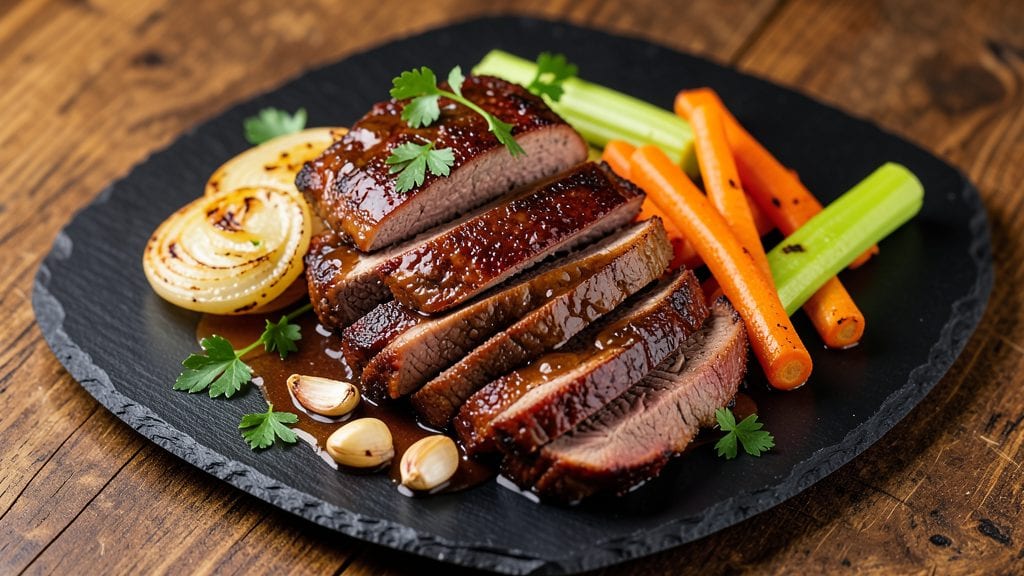
This copycat Arby's roast beef recipe delivers the same melt-in-your-mouth tenderness and rich au jus you know from the restaurant, but with a professional approach that ensures consistent results.
The secret lies in slow-cooking the beef with aromatic spices until it practically falls apart, then serving it over egg noodles with that signature tangy au jus. I've perfected this method after years of testing, and it's become a staple in my restaurant-quality repertoire.
The key to authentic Arby's flavor is the precise seasoning blend and the slow-cooking process that transforms tougher cuts into fork-tender beef. You'll need about 3 hours for the beef to develop that signature tenderness, but the hands-off preparation makes it ideal for busy weeknights.
The au jus, made from the beef's natural juices, adds a savory depth that's impossible to replicate with store-bought substitutes.
What you'll end up with is a dish that's restaurant-quality at home—juicy roast beef slices that melt on your tongue, perfectly cooked egg noodles, and that rich au jus that ties everything together. The professional technique ensures you'll achieve the same results every time, with no guesswork or last-minute adjustments.
This is the recipe I turn to when I want to recreate that classic Arby's experience without leaving my kitchen.
The complete meal includes properly toasted sesame seed buns and classic coleslaw, all coming together to create the full Arby's roast beef sandwich experience. Let's get started on recreating this iconic dish with professional precision and authentic flavor.
Ingredients for copycat arby's roast beef
Pantry staples plus a few specialty items for restaurant-quality roast beef at home.
| Ingredient | Amount | Notes |
|---|---|---|
| Beef Chuck Roast 🥩 | 2 ½ lb | Bone-in preferred for flavor |
| Yellow Onion 🧅 | 1 whole | Large, sliced into half-moons |
| Carrots 🥕 | 4 medium | Whole, peeled and sliced |
| Celery Stalks 🥬 | 3 whole | Cut into 1-inch pieces |
| Garlic Cloves 🧄 | 6 cloves | Smashed, not minced |
| Beef Broth 💧 | 2 cups | Low-sodium preferred |
| Red Wine 🍷 | 1 cup | Dry, like Cabernet |
| Tomato Paste 🍅 | 2 tbsp | Smooth, not chunky |
| Black Peppercorns 🌶️ | 1 tbsp | Freshly cracked |
| Ground Black Pepper 🌶️ | 1 tsp | Freshly ground preferred |
| Salt 🧂 | 2 tsp | Kosher or sea salt |
| Bay Leaves 🌿 | 2 whole | Fresh if possible |
| Egg Noodles 🍜 | 12 oz | Medium width preferred |
| Sesame Seed Buns 🥖 | 4 whole | Toasted until golden |
| Coleslaw Mix 🥬 | 2 cups | Pre-shredded cabbage |
The beef is everything here. Chuck roast from the butcher counter—bone-in if possible—gives you that deep, meaty flavor. I always grab mine from Costco or Whole Foods when I'm doing a big batch, but your regular supermarket will have it too. Look for good marbling, not too much fat. The carrots, celery, and onion? Fresh, crisp vegetables make the au jus brighter. If you're short on time, baby carrots work fine, but the flavor's better with whole ones (peel and slice yourself). The garlic should be fresh—those pre-minced jars in the store are sad and flavorless.
No red wine? Beef broth with a splash of balsamic vinegar works in a pinch, but you'll notice the difference. The tomato paste can be the squeeze tube kind from Trader Joe's—it's convenient and keeps forever. Fresh bay leaves are ideal, but dried at half the amount gets you close. For the egg noodles, Barilla or De Cecco are my go-tos—they hold up better to the au jus than cheaper brands. The sesame seed buns? Toast them until they're golden and crispy—that's what makes them taste like Arby's. Short on time? Use regular hoagie rolls, but you'll miss the texture.
The au jus keeps for 5 days in the fridge—tastes even better the next day as the flavors meld. Portion the beef into containers with some au jus for easy lunches. The coleslaw mix stays fresh for 1 week if you keep it dry in a sealed container. The beef itself? 3 days max in the fridge, or freeze for 3 months. I always make extra—leftovers make amazing sandwiches the next day.
Why You'll Love This Recipe
- The secret’s in the slow cook: tender beef with just enough bite at the edges, plus the garlic cloves roasting right in the pot. It’s the kind of flavor that makes you want to eat it straight from the spoon—no sauce needed.
- No Chopping Chaos: I swear by the "mirepoix" trick—just dump whole onions, carrots, and celery into the pot. They’ll soften into oblivion while the beef cooks, so you’re not stuck dicing anything. (Yes, even on a Tuesday night.)
- That Arby’s Crunch: The secret’s in the slow cook: tender beef with just enough bite at the edges, plus the garlic cloves roasting right in the pot. It’s the kind of flavor that makes you want to eat it straight from the spoon—no sauce needed.
- Leftovers That Don’t Suck: This recipe actually improves the next day. Slice the beef thin, and it’s perfect for sandwiches, salads, or even a quick stir-fry. Honestly, I make double batches just for this reason.
Step-by-step instructions for copycat Arby's roast beef
Here's how to recreate that signature Arby's tenderness at home—slow-poached perfection with rich au jus.
Prepare the Roast and Aromatics
Pat the 2.5 lb beef chuck roast dry with paper towels—this step is non-negotiable for proper browning later. Place it in a large Dutch oven or heavy pot. Add the sliced 1 whole yellow onion, 4 medium carrots, and 3 whole celery stalks around the roast. Tuck in the 6 cloves smashed garlic cloves and the 2 whole bay leaves for maximum flavor infusion.
This aromatic trio creates the foundational depth that makes the copycat version shine. The vegetables will soften during cooking, releasing their sweetness into the meat and broth. I like to arrange them in a cross pattern around the roast to ensure even exposure to the cooking liquid.
Build the Poaching Liquid
In a small bowl, whisk together the 2 cups beef broth, 1 cup red wine, 2 tbsp tomato paste, 1 tbsp freshly cracked black peppercorns, 1 tsp ground black pepper, and 2 tsp salt. Pour this mixture over the roast and vegetables in the Dutch oven. The liquid should come about halfway up the sides of the roast—this ensures proper submersion during cooking.
Here's the thing—don't be tempted to use more liquid. The roast needs to be snug in the pot to develop that signature tender texture. If you're concerned about the roast not being fully submerged, you can add just enough water to cover it, but the broth-wine mixture is what creates that authentic Arby's flavor profile.
Poach the Roast to Perfection
Bring the liquid to a gentle simmer over medium-high heat, then immediately reduce to a bare simmer. The key here is maintaining low and slow heat—you want bubbles that are tiny and infrequent, not a rolling boil. Cover the pot and cook for 3 hours. This long, gentle cooking time is what transforms the tough chuck roast into fork-tender slices.
After 3 hours, check the internal temperature with a meat thermometer. It should read 195-200°F—this is the "resting temperature" that ensures melt-in-your-mouth tenderness. If it's not there yet, continue cooking for another 30-60 minutes. The roast will continue cooking slightly after removal from heat, so don't rush this step.
Create the Au Jus
Once the roast reaches the proper temperature, carefully remove it from the pot and place it on a cutting board. Strain the cooking liquid through a fine-mesh sieve into a clean saucepan, pressing on the vegetables to extract all their flavor. This strained liquid is your base for the au jus.
Return the strained liquid to the saucepan and bring it to a boil over medium-high heat. As it reduces, you'll see the sauce thicken and deepen in color. Simmer uncovered for 10-15 minutes, stirring occasionally, until it reaches a syrupy consistency that coats the back of a spoon. This is your copycat Arby's au jus—rich, slightly tangy, and packed with meaty flavor.
Assemble and Serve
Slice the roast against the grain into ¼-inch thick slices. Arrange 12 oz egg noodles on a serving platter and top with the sliced roast. Spoon the warm au jus generously over the meat and noodles. For the classic Arby's touch, serve with 4 whole toasted sesame seed buns on the side and a small side of 2 cups coleslaw mix for crunch.
This is where the magic happens—each bite delivers that perfect balance of tender beef, rich au jus, and comforting egg noodles. The sesame seed buns add that signature Arby's texture contrast, while the coleslaw provides a refreshing crunch to cut through the richness. Serve immediately while everything is hot and the flavors are at their peak.
Pro Tips For Making Copycat Arby'S Roast Beef
- SEAR THE BEEF FIRST: Hit that chuck roast with high heat until it’s got a deep brown crust—no skipping this, even if it’s tempting to rush. I learned this the hard way: skipping the sear means a bland, grayish mess instead of that rich, caramelized flavor Arby’s nails. Use about 2 tablespoons of oil in your Dutch oven, and don’t crowd the pan.
- CHOP THE VEGETABLES SMALL: Dice the onions, carrots, and celery into ¼-inch pieces—no bigger, no smaller. I used to eyeball it, and the veggies either turned to mush or stayed stubbornly crunchy. The goal is for them to soften into the beef but still hold their shape. A sharp knife and a steady hand make this faster than you’d think.
- DON’T SKIP THE BROWNING: Let the onions and garlic actually color before adding the beef broth—this builds flavor. I was once impatient and dumped everything in at once, and the whole thing tasted flat. Five minutes of browning those veggies makes a real difference, even if it feels like waiting forever.
- REST THE MEAT UNDER FOIL: After pulling the beef from the oven, tent it with foil and let it rest for 10 minutes. I know, I know—you want to slice it immediately—but cutting too soon means dry, stringy slices. This step keeps the juices locked in, just like Arby’s does it. Trust me, your sandwich will thank you.
Common mistakes when making your copycat arby's roast beef
Overcooking the Beef
The biggest mistake is pushing the roast beyond 200°F internal temperature. Once it hits that mark, the meat starts to dry out and lose its signature tenderness.
I've ruined more roasts by walking away and forgetting about them—always set a timer and check the temperature every 30 minutes after the initial 3-hour cook. The goal is 195-200°F—no higher, no lower. 🌡️
Skipping the Rest
After removing the roast from the pot, resist the urge to slice immediately. Let it rest for at least 15 minutes on a cutting board before slicing. This allows the juices to redistribute throughout the meat, preventing dry slices.
I've seen home cooks slice too soon and end up with tough, stringy beef that's nothing like Arby's tender version.
Using the Wrong Cut
Don't substitute chuck roast with sirloin or ribeye—these leaner cuts won't develop the same tender texture through slow cooking. The chuck's natural fat and collagen are what break down during the long cook, creating that melt-in-your-mouth quality.
If you absolutely must substitute, use chuck eye roast or bottom round roast, but expect slightly different results.
Ignoring the Liquid Level
Many home cooks add too much liquid, which dilutes the flavor. The roast should be submerged in about halfway up its sides—not floating in a sea of broth. If you're worried about it not being fully covered, add just enough water to reach the top of the roast.
The key is that concentrated flavor from the reduced au jus, not a watery broth. 💡
Rushing the Au Jus Reduction
Don't walk away while reducing the au jus—constant attention is needed to prevent scorching. I've seen people leave it unattended and end up with burnt bits at the bottom. Reduce over medium-low heat and stir frequently.
The au jus should coat the back of a spoon but still be pourable—it should thicken to a syrupy consistency, not a paste. This takes 10-15 minutes of careful attention.
Underseasoning the Broth
The au jus needs proper seasoning to match Arby's signature tang. Don't be afraid to taste and adjust with salt, pepper, or a splash of red wine vinegar during reduction. The broth should be savory with a slight acidity—this balances the richness of the beef.
I often add a pinch of Worcestershire sauce at the end for that extra umami depth that makes it taste authentic. 🍷
Nutrition facts
Frequently asked questions
Why does this recipe use chuck roast instead of sirloin?
Chuck roast is the secret to authentic Arby's tenderness. Its high collagen content breaks down during slow cooking, creating melt-in-your-mouth texture that leaner cuts like sirloin can't match. The fat marbling also adds rich flavor to the au jus. For best results, stick with chuck—it's the professional choice for this dish.
Can I make this recipe without red wine?
Yes, but the flavor will differ. Substitute with 1 cup beef broth + 1 tbsp balsamic vinegar for acidity. The wine adds depth that's hard to replicate—it caramelizes slightly during cooking, creating that signature Arby's tang. If you must skip it, use a dry red wine vinegar instead.
How do I know when the au jus is ready?
The au jus is perfect when it coats the back of a spoon but still flows smoothly—not too thick like paste. It should take about 10-15 minutes of simmering to reach this consistency. Taste it as it reduces—it should be rich, slightly tangy, and savory with no bitterness.
What's the best way to reheat leftovers?
Reheat sliced beef and au jus together in a skillet over low heat for 3-5 minutes, just until warmed through. Avoid microwaving—it makes the beef tough. For egg noodles, cook fresh or reheat in a dry pan for 2 minutes to crisp slightly. The au jus reheats beautifully in the microwave for 30 seconds if needed.
Can I make this gluten-free?
Skip the sesame seed buns and serve the beef over gluten-free egg noodles (like brown rice or chickpea-based noodles). For the coleslaw, use a gluten-free mayo-based dressing. The beef and au jus are naturally gluten-free—just adapt the sides. Many grocery stores now carry gluten-free egg noodles that work perfectly.