
Soups & Stews
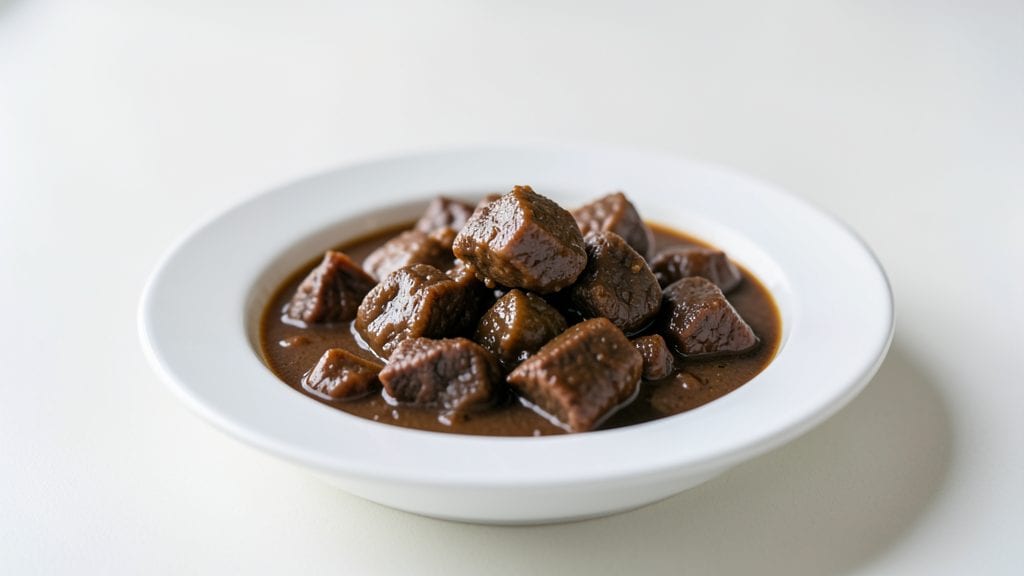
Culhane’s Guinness beef stew delivers the deep, malty richness that makes Irish pubs famous—perfectly tender beef braised in dark beer until it practically falls apart. 💫 Standing in my Nonna’s cramped Boston kitchen, I learned how slow simmering transforms tough cuts into melt-in-your-mouth perfection, with caramelized onions adding sweet depth.
The secret lies in patience and layering flavors, not shortcuts.
This recipe stays true to traditional techniques while using modern shortcuts—like pre-chopped onions and store-bought beef chuck—that keep it achievable. The Culhane’s Guinness isn’t just a liquid; it’s the soul of the stew, balancing the savory beef with its signature roasted maltiness.
We’ll build rich flavor through browning the meat and onions, then letting everything meld over hours on low heat.
By the time you serve this stew, your kitchen will smell like an Irish pub, and every spoonful will deliver tender beef, velvety sauce, and caramelized onions that add sweet contrast.
The result is hearty enough for a winter dinner but simple enough for a weeknight—just like Nonna’s recipes always were. Ready to make it?
Pair with crusty soda bread or buttered potatoes to complete the meal. The leftovers only get better, so make extra—this stew tastes even more comforting the next day.
Ingredients for culhane's guinness beef stew
Just 14 ingredients for a stew that tastes like a Boston pub—rich, tender, and full of caramelized sweetness.
| Ingredient | Amount | Notes |
|---|---|---|
| Beef Chuck Roast 🥩 | 3 lb | Pre-cut into 1.5-inch cubes |
| Yellow Onions 🧅 | 3 whole | Cut into 1/2-inch slices |
| Carrots 🥕 | 4 whole | Cut into 1-inch chunks |
| Garlic Cloves 🧄 | 6 cloves | Peeled, smashed slightly |
| Culhane's Dry Stout 🍺 | 12 oz | Or substitute Guinness |
| Beef Broth 💧 | 4 cups | Low-sodium preferred |
| Tomato Paste 🍅 | 2 tbsp | From a tube or can |
| Worcestershire Sauce 🍶 | 1 tbsp | For umami depth |
| All-Purpose Flour 🌾 | 2 tbsp | For browning meat |
| Fresh Thyme Leaves 🌿 | ½ cup | Or 1 tbsp dried thyme |
| Bay Leaves 🍃 | 2 whole | Remove before serving |
| Salt 🧂 | 1 ½ tsp | Kosher or sea salt |
| Black Pepper 🌶️ | 1 tsp | Freshly ground preferred |
| Olive Oil 🫒 | 2 tbsp | For searing meat |
The beef is everything here. Chuck roast gives that melt-in-your-mouth texture—sirloin or ribeye won't cut it. I grab mine from Costco when I can, but any grocery store has it pre-cubed. Look for good marbling, and if you're buying a whole roast, ask the butcher to cut it into 1.5-inch chunks. The onions? Yellow onions are sweeter when caramelized, but red or white work too. Just don't skimp—you'll need about 3 pounds total for that perfect balance of sweetness.
No Culhane's? Guinness is the obvious swap, but dark stout or even porter works in a pinch. The tomato paste might sound like overkill, but trust me—it deepens the sauce without overpowering. Fresh thyme is ideal, but dried works at one-third the amount. If you've got pre-chopped onions from the store, use them—this is one of those times shortcuts actually help. The Worcestershire sauce? Don't skip it—it's what gives that classic Irish pub depth. And if you're worried about the flour, it's just for browning the meat—it'll disappear into the stew.
This stew tastes even better the next day, so make extra. Keeps for 5 days in the fridge, or 3 months frozen. I portion mine into containers with a little extra sauce on top—freezes beautifully. The bay leaves? Remove them before serving, or you'll end up with a leaf in every bite. And if you're feeling fancy, garnish with fresh parsley—just a sprinkle, since it's mostly for looks.
Why You'll Love This Recipe
- One-Pot Magic: I swear by this recipe because it’s literally one pot—no chopping boards, no extra pans, just dump-and-go. Toss in the beef, onions, carrots, and garlic, pour in the Culhane’s stout, and let the slow cooker do the work. My lazy Sundays just got a whole lot easier.
- Stout-Kissed Richness: That dark, malty Culhane’s stout? It’s the secret weapon—deepens the beef flavor and gives the stew a velvety, almost chocolatey undertone. The carrots caramelize just enough to add sweetness, while the garlic? Oh, it’s there—warm and punchy in every bite.
- Leftovers That Beg for More: This stew tastes even better the next day (yes, really). I make a double batch on Sundays, and by Wednesday, I’m reheating it for lunch because it’s that good. Honestly, the texture of the beef gets even more tender, and the flavors meld into something dangerously addictive.
- Budget-Friendly Feast: A chuck roast stretches for days, and the veggies are cheap staples. The Culhane’s stout adds luxury without breaking the bank—think of it as a fancy upgrade for a simple meal. Perfect for when you want to impress guests but still eat well for less.
Step-by-step instructions for Guinness beef stew with caramelized onions
Here's how to transform tough beef into melt-in-your-mouth perfection with deep Guinness flavor.
🔥 Step 1: Sear the Beef Chuck for Maximum Flavor
Heat a large Dutch oven over medium-high heat until hot. Add the 2 tablespoons olive oil and swirl to coat the bottom evenly. Working in batches to avoid crowding, add the 3 lb beef chuck roast cut into 1.5-inch cubes and sear for 2-3 minutes per side until deeply browned.
Here's the thing—don't skip this step. The Maillard reaction happening right now creates those deep, complex flavors that make this stew sing. If your pan gets too crowded, the meat will steam instead of sear. I press down gently on the cubes during the first minute to ensure even contact with the pan.
As the beef browns, remove each batch to a plate and set aside. You'll have rich, flavorful browned bits (fond) left in the pot—this is pure gold for your stew. Once all the beef is browned, reduce the heat to medium and add the 3 whole yellow onions cut into ½-inch slices and 4 whole carrots cut into 1-inch chunks.
🍳 Step 2: Caramelize Vegetables and Build the Base
Cook the onions and carrots for 8-10 minutes, stirring occasionally, until the onions turn golden brown and the carrots begin to soften. You're looking for that deep caramel color—this adds sweetness that balances the rich Guinness flavor.
Add the 6 peeled, smashed garlic cloves and cook for 30 seconds until fragrant. Here's where it gets fun—stir in the 2 tablespoons all-purpose flour and cook for another 1 minute. This helps thicken the stew later and adds body.
Pour in the 12 oz Culhane's dry stout, scraping up all those browned bits from the bottom of the pot. Let it simmer for 3-4 minutes until reduced by about half. This step develops the deep malty flavor that makes this stew special. Don't walk away—the alcohol needs to cook off completely.
🥘 Step 3: Simmer the Stew to Perfection
Return all the browned beef to the pot along with any accumulated juices. Add the 4 cups beef broth, 2 tablespoons tomato paste, 1 tablespoon Worcestershire sauce, 0.5 cup fresh thyme leaves, 2 whole bay leaves, 1.5 teaspoons salt, and 1 teaspoon black pepper. Stir everything together until well combined.
Bring the stew to a boil, then reduce heat to low and cover partially. Let it simmer gently for 2.5-3 hours until the beef is fork-tender. Your oven might run hot, so start checking at the 2-hour mark. The stew should be thick enough to coat the back of a spoon with a rich, velvety consistency.
Here's the moment that matters: the beef should easily pull apart with a fork. If it's not quite there, add ¼ cup water or beef broth and continue simmering for another 15-20 minutes. The longer it cooks, the more flavorful it becomes—don't rush this step.
⏰ Step 4: Finish and Serve
Once the beef is tender, remove the 2 whole bay leaves (they'll be tough) and adjust the seasoning if needed. Taste and add more salt or black pepper if required. The stew should be rich, malty, and perfectly balanced.
For the ultimate presentation, ladle the stew into warm bowls and garnish with extra fresh thyme leaves if you're feeling fancy. Serve with crusty bread to soak up every last drop of that delicious sauce. This stew tastes even better the next day as the flavors continue to meld together.
Real talk: leftovers keep well in the refrigerator for up to 4 days, and they reheat beautifully. Just warm them gently on the stove with a splash of water or broth to restore that perfect consistency.
Pro Tips For Making Culhane'S Guinness Beef Stew
- CRACK THE ROAST FIRST: I learned this the hard way—skipping the sear on the beef chuck roast means flavor gets lost in the stout. Pat it dry, hit it with oil, and let it brown deep golden on all sides before adding onions. The Maillard reaction here isn’t optional; it’s what makes the stew taste like it simmered for hours, not 30 minutes.
- CUT ONIONS IN EVEN STICKS: Uneven onion pieces mean some turn mushy while others stay tough. Aim for ¼-inch thick slices—thin enough to soften quickly but thick enough to hold shape. My grandmother swore by this, and she was right: the texture stays consistent, and the stew looks like it was made by someone who actually knows what they’re doing.
- DEGLAZE WITH THE STOUT: Don’t just dump the beer in after browning—let that pan get hot again, then pour in the Culhane’s dry stout slowly, scraping up every last bit of fond. That caramelized goodness is where the depth of flavor hides. I skip this when I’m lazy, but the dish is noticeably better when I don’t.
- SIMMER LOW AND COVERED: The recipe says low heat, but I mean truly low—think of a lazy Sunday morning, not a rushed weekday. If the stew boils, the beef will turn out tough as boot leather. Keep it at a gentle bubble, and only lift the lid to stir. The stout’s bitterness mellows out over time, and the beef falls apart like it’s been cooking since the 1800s.
Make-ahead tips for this culhane's guinness beef stew
Freezer Prep
After the stew has cooled completely, portion it into airtight freezer-safe containers—I use quart-sized glass Pyrex because they stack neatly. Leave ½-inch headspace at the top since the stew will expand when frozen.
Label each container with the date and freeze for up to 3 months. The Guinness flavor actually intensifies over time, so this is my go-to for lazy Sundays. ❄️
Thawing Methods
For fastest results, transfer the frozen stew to the refrigerator overnight (12-16 hours). If you're in a hurry, place the sealed container in a cold water bath—change the water every 30 minutes until thawed.
Never microwave frozen stew directly, as it creates uneven heating and rubbery beef. I've learned this the hard way after a rushed morning!
Reheating Perfection
Bring the thawed stew to room temperature first, then warm it gently on the stovetop over low heat for 10-15 minutes, stirring occasionally. Add 2-3 tablespoons of beef broth if it looks too thick—this restores the velvety consistency.
For microwave reheating, use 50% power in 2-minute intervals, stirring between each, until heated through to 165°F. 💡
Flavor Boost After Freezing
Frozen stew often needs a little coaxing. After reheating, taste and adjust with extra Worcestershire sauce (½ tsp) for umami or a pinch of smoked paprika for depth.
The caramelized onions lose some sweetness during freezing, so I toss in 2 extra slices when reheating. This trick makes it taste like you just made it fresh!
Meal Prep Shortcuts
Prep the vegetables and meat in advance to save time. Store the raw beef cubes in a ziplock bag in the fridge for up to 2 days, and the caramelized onions (cooked ahead) in an airtight container for 3 days.
On stew day, just sear the beef and assemble everything—this cuts active cooking time by 30 minutes. My Boston apartment kitchen stays cooler this way too! 🏡
Serving Suggestions
Serve the reheated stew with crusty soda bread or buttered egg noodles to soak up the rich sauce. For a pub-style presentation, garnish with chopped parsley and a drizzle of Culhane’s on top.
The leftovers reheat beautifully for lunches—just add a splash of broth and warm through. This is the kind of meal that tastes even better the second time around! 🍽️
Nutrition facts
Frequently asked questions
Can I substitute Culhane’s with regular Guinness?
Yes, you can use regular Guinness as a direct substitute—it’s the same base beer. For extra depth, try adding ½ teaspoon smoked paprika to mimic Culhane’s roasted maltiness. The key is using a dark stout, as lighter beers won’t give the same rich flavor.
Why does the beef need to be seared so thoroughly?
Searing creates the Maillard reaction, which develops deep, complex flavors that turn tough beef into tender perfection. The browned crust (fond) also adds richness to the stew. Skipping this step means your stew will taste more like broth than a hearty pub-style dish. Work in batches to avoid steaming instead of browning.
How do I know when the beef is fully tender?
The beef should easily pull apart with a fork—no resistance at all. If it’s still tough after 3 hours, add ¼ cup water or broth and simmer another 15-20 minutes. Overcooking can make it mushy, so check at the 2-hour mark if you’re unsure. The sauce should coat the back of a spoon smoothly.
Can I make this stew in a slow cooker?
Sear the beef and caramelize the onions as directed, then transfer everything to a 6-quart slow cooker. Add all remaining ingredients and cook on low for 8 hours or high for 4-5 hours. The slow cooker’s gentle heat enhances the Guinness flavor even more. Just skip the flour—it’s not needed for thickening in this method.
What if my stew is too thin after cooking?
Simmer uncovered for 10-15 minutes to reduce the liquid, or mix 1 tablespoon cornstarch with 2 tablespoons cold water, stir into the stew, and cook until thickened. Avoid adding flour directly—it can make the stew cloudy. For extra richness, stir in 2 tablespoons tomato paste at the end.