
Main Courses
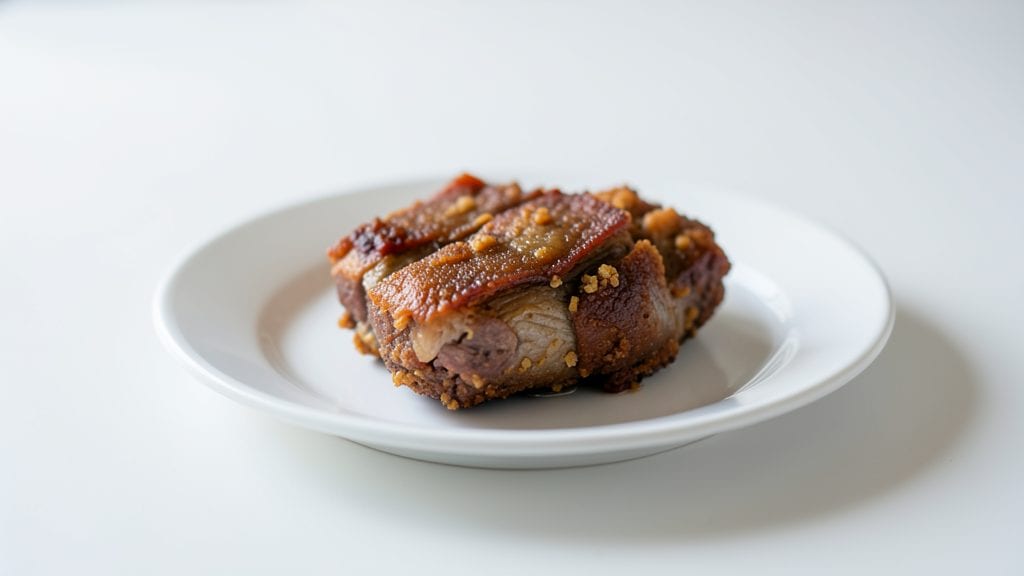
This fried beef short ribs recipe delivers the perfect balance of crispy-bark and melt-in-your-mouth tenderness that makes every bite unforgettable. After years of experimenting with different techniques, I've refined a method that guarantees restaurant-quality results at home—no shortcuts, just precise timing and careful preparation.
The secret lies in marinating the ribs overnight to tenderize them deeply, then coating them in a seasoned flour mixture that creates that coveted golden crust. Once fried to perfection, the meat falls apart with just a touch, while the exterior stays shatteringly crisp.
The process begins with selecting the right cut—bone-in beef short ribs with a good layer of fat for maximum flavor and moisture. You'll marinate them in a blend of soy sauce, brown sugar, and spices for 24 hours, ensuring they absorb every layer of flavor before frying.
The breading uses a mix of all-purpose flour, cornstarch, and paprika for that signature crispy texture, while the frying temperature must stay steady at 350°F to avoid grease splatter or uneven cooking. This isn't just a recipe; it's a technique that transforms tough cuts into a luxurious main course.
What you'll end up with is a plate of short ribs that looks and tastes like it came from a high-end steakhouse—the crispy, caramelized exterior gives way to tender, buttery meat that practically melts in your mouth.
The aroma alone will have everyone gathering around the table, and the first bite delivers that perfect contrast of textures and flavors. This dish pairs beautifully with creamy mashed potatoes, roasted vegetables, or a simple arugula salad to balance the richness. Let's get started on creating your own showstopping meal.
One of the best parts of this recipe is its versatility—you can serve it as a centerpiece for a special dinner or as a hearty comfort food for a casual gathering.
The leftovers reheat surprisingly well, making it a great option for meal prep when you want something indulgent but still manageable. With just a few key ingredients and careful attention to technique, you'll master a dish that's sure to impress even the most discerning eaters.
Ready to experience the magic for yourself?
Ingredients for fried beef short ribs
Crispy-bark magic starts with these 13 ingredients—bone-in ribs, smoky spices, and a secret marinade.
| Ingredient | Amount | Notes |
|---|---|---|
| Bone-In Beef Short Ribs 🥩 | 2 lb | With good fat marbling preferred |
| All-Purpose Flour 🌾 | 1 ½ cups | For breading, sifted if lumpy |
| Cornstarch 🌾 | ½ cup | For extra crispiness |
| Smoked Paprika 🌶️ | 2 tbsp | For that signature color |
| Ground Black Pepper 🌶️ | 1 tbsp | Freshly ground for best flavor |
| Kosher Salt 🧂 | 1 ½ tsp | Adjust to taste |
| Soy Sauce 🍶 | ½ cup | For marinating, low-sodium preferred |
| Brown Sugar 🍚 | ¼ cup | Light or dark, packed |
| Garlic Cloves 🧄 | 6 cloves | Minced for marinade |
| Vegetable Oil 🫒 | 4 cups | High smoke point for frying |
| Fresh Ginger 🌿 | 1 tbsp | Grated, for marinade |
| Sesame Oil 🫒 | 1 tbsp | For finishing, optional |
| Green Onions 🧅 | 4 whole | Sliced, for garnish |
The ribs are everything—bone-in with fat is non-negotiable. Costco or Whole Foods carry the best cuts, but any butcher will have them if you ask. Look for thick, meaty bones with good marbling. I always buy extra because the leftovers are amazing. The soy sauce should be low-sodium—you don’t want to over-salt the marinade. For the garlic, freshly minced makes all the difference—no jarred stuff here. And trust me, smoked paprika is worth the splurge for that restaurant-quality color.
No smoked paprika? Regular paprika plus a pinch of liquid smoke gets you close. Short on brown sugar? White sugar works too, but the caramelization won’t be as deep. The cornstarch is key for that shatteringly crisp crust—don’t skip it. If you’re frying in a skillet, use a deep one and don’t overcrowd the ribs. And for the oil, vegetable or peanut oil works best—avoid olive oil, it burns too easily. The sesame oil is just for finishing, so grab a small bottle if you don’t want to splurge on a big one.
Marinate the ribs overnight—this is where the magic happens. Store the marinade in a sealed bag in the fridge. The fried ribs reheat best in a 200°F oven for 10 minutes, not the microwave. They’ll stay crispy for 3-4 days in the fridge, but honestly, they’re best eaten fresh. If you’re prepping ahead, freeze the marinated ribs (uncooked) for up to 3 months. Just thaw overnight before frying.
Why You'll Love This Recipe
- No-Fuss Coating: I swear by the flour-cornstarch mix—it clings like glue, so no fiddling with dry patches or messy dredging. Toss the ribs in the seasoned blend, pat once, and they’re ready for the pan. That’s how you avoid flour explosions mid-fry.
- Smoky Crisp Magic: That smoked paprika? It’s the secret weapon. The first bite hits with a crispy crust so golden it looks like caramelized honey, then melts into tender meat with a slow-smoked depth that lingers. Honestly, it’s the kind of flavor that makes you slow down and actually taste your food.
- Leftovers That Shine: Cold fried short ribs? They’re my lazy lunch savior. Slice them up, toss with rice or noodles, and suddenly you’ve got a 10-minute meal that still tastes like it took hours. (Yes, even on a Tuesday night.)
- Budget-Friendly Luxury: Bone-in ribs stretch further than you’d think—two pounds feeds four, and the bones add richness without extra cost. Plus, the flour and spices are pantry staples. It’s fancy enough for company but cheap enough to make weekly. My wallet and taste buds both approve.
Step-by-step instructions for crispy fried beef short ribs
Here's how to transform tough short ribs into melt-in-your-mouth perfection with that coveted crispy bark.
Create the Flavor-Packed Marinade
In a large bowl, combine the 0.5 cup soy sauce, 0.25 cup brown sugar, 6 cloves minced garlic cloves, and 1 tablespoon grated fresh ginger. This marinade is the secret weapon that tenderizes the meat while infusing it with deep, savory flavors. Stir until the brown sugar dissolves completely, creating a glossy, aromatic liquid.
Place the 2 lb bone-in beef short ribs in a resealable plastic bag and pour the marinade over them. Seal the bag and massage the marinade into every crevice, ensuring the ribs are fully coated. Let them marinate in the refrigerator for at least 4 hours, but overnight is even better for maximum tenderness. The longer they soak, the more flavor they'll absorb and the easier they'll be to chew.
Prepare the Double-Crisp Breading
In a separate large bowl, whisk together the 1.5 cups all-purpose flour, 0.5 cup cornstarch, 2 tablespoons smoked paprika, 1 tablespoon ground black pepper, and 1.5 teaspoons kosher salt. The cornstarch is crucial here—it creates that irresistible crunch while keeping the interior juicy. Sift the mixture through a fine-mesh sieve to break up any lumps and create a light, airy texture.
Remove the ribs from the marinade (reserve the marinade for later) and pat them completely dry with paper towels. This step is non-negotiable—any moisture will prevent the breading from adhering properly and will cause the coating to steam instead of crisp. Working in batches, toss each rib in the flour mixture, pressing gently to ensure an even, thick coating on all sides. Place the breaded ribs on a wire rack set over a baking sheet to keep them dry and prevent sticking.
Fry to Golden Perfection
Fill a deep skillet or Dutch oven with the 4 cups vegetable oil and heat it over medium heat until it reaches 350°F on a deep-fry thermometer. The oil should be shimmering but not smoking—this ensures a perfect sear without burning the breading. Test the temperature by dropping in a small piece of breading; if it sizzles and turns golden in 30 seconds, the oil is ready.
Carefully add the breaded ribs to the hot oil, working in batches if needed to avoid overcrowding. Fry for 4-5 minutes per side, turning with tongs, until the breading is deep golden brown and the ribs are cooked through. You'll know they're done when the internal temperature reaches 195°F—this is the magical point where the collagen breaks down and the meat becomes fork-tender. Keep the oil temperature consistent throughout cooking to maintain that perfect crispiness.
Finish with Sesame Oil and Garnish
Transfer the fried ribs to a paper towel-lined plate to drain excess oil. Drizzle with the 1 tablespoon sesame oil while they're still hot, tossing gently to coat. This final step adds a nutty aroma and enhances the overall flavor profile. The sesame oil should sizzle slightly as it hits the hot ribs—this is your signal that it's working its magic.
Slice the 4 whole green onions into thin rings and sprinkle them over the top of the ribs just before serving. The fresh, bright flavor of the green onions cuts through the richness of the fried meat, creating a perfect balance. Serve immediately while the ribs are still crispy and the interior is meltingly tender—every bite should deliver that perfect contrast of textures and flavors.
Pro Tips For Making Fried Beef Short Ribs
- PAT THE DRY: Bone-in short ribs come in wet from the butcher—shake off excess, then blot them thoroughly with paper towels. I learned this the hard way after my first batch turned out greasy instead of crispy; the flour coating just slides off damp meat.
- SEAR IN BATCHES: Don’t crowd the pan—work in single layers with 2-3 ribs at a time. I used to toss them all in at once, and the temperature dropped like a rock, leaving me with sad, pale ribs instead of golden, caramelized crusts.
- MIX FLOUR AND CORNSTARCH: Combine 75% flour and 25% cornstarch in a shallow dish—cornstarch adds crunch without overpowering. My grandmother swore by this ratio, and I finally understood why after my first attempt with just flour turned out gummy.
- REST BEFORE SLICING: Let the ribs sit under foil for 5-10 minutes after frying—this keeps them juicy when you cut. I know, I know, you’re eager to dig in, but resisting the urge makes all the difference for clean slices.
Make-ahead tips for this recipe
Marinate Ahead
The real flavor magic happens during marinating, so I always prep the ribs the night before. Place the ribs in a resealable bag with the marinade and refrigerate for at least 12 hours—I usually do 24 hours for maximum tenderness.
The soy sauce and brown sugar work their way into the meat fibers, breaking down tough proteins while infusing rich umami flavor. When you're ready to fry, just remove the ribs from the fridge 30 minutes before cooking to bring them to room temperature.
This prevents cold spots that can make the breading stick unevenly. 🌶️
Breading Prep
Make the breading mixture the morning of your cooking day and store it in an airtight container. The cornstarch and flour blend stays fresh for 2 days at room temperature, but I recommend using it within 12 hours for best results.
Sift the mixture through a fine-mesh sieve right before breading the ribs—this creates a lighter, more even coating. For extra crispiness, I like to chill the breaded ribs uncovered in the fridge for 15-20 minutes before frying. The cold helps the coating set up better. ❄️
Oil Prep Shortcut
Instead of heating fresh oil every time, I save and reuse frying oil for up to 3 uses if properly stored. After frying, strain the oil through a fine-mesh sieve into a clean glass jar, let it cool completely, then refrigerate.
When ready to reuse, heat it in a saucepan over medium heat until it reaches 350°F again. This saves money and reduces waste—just be sure to strain out any food particles before reheating. I use Avocado Brand vegetable oil because it has a high smoke point and neutral flavor. 💡
Freezer-Friendly Ribs
For ultimate convenience, marinate and bread the ribs completely, then freeze them on a parchment-lined tray for 1 hour to firm up. Transfer to a freezer bag with parchment between layers to prevent sticking. They'll keep for 3 months this way.
When ready to cook, fry from frozen—just add 1-2 extra minutes per side to account for the cold start. The breading will still get crispy, though you may need to adjust your oil temperature slightly to 340°F to avoid burning. 🥶
Reheating Leftovers
Fried ribs reheat best in the oven to maintain crispiness. Place them on a wire rack over a baking sheet and heat at 200°F for 10-15 minutes—this gentle heat prevents sogginess. For extra crunch, broil for 1-2 minutes at the end.
I never microwave these because the breading turns rubbery. If you're short on time, a 30-second blast in the air fryer at 400°F can revive the texture surprisingly well. Store leftovers in the fridge for 3-4 days or freeze for 2 months. 🔥
Batch Cooking Tips
Double the recipe and freeze half for future meals. I like to make 8 servings at a time during football season—it's perfect for game day. When reheating large batches, divide them into 2-3 portions and reheat separately to ensure even cooking.
For serving, keep the ribs warm in a 200°F oven while you finish sides—this maintains their temperature and crispiness. I always make extra marinade to use as a dipping sauce or glaze for the ribs after frying. 💪
Nutrition facts
Frequently asked questions
Can I use bone-in or boneless beef short ribs for this recipe?
This recipe is designed specifically for bone-in beef short ribs—they add incredible flavor and moisture during frying. Boneless ribs will work, but they'll cook faster and may lack the same depth of flavor. If using boneless, reduce frying time by 1-2 minutes per side and check for doneness at 185°F internal temperature.
What's the best way to keep the ribs crispy after frying?
Serve immediately after frying while they're at their crispiest! If you need to hold them, place on a wire rack in a 200°F oven for no more than 15 minutes. For extra crunch, broil for 1 minute before serving. Avoid covering with foil—it traps steam and makes the breading soggy.
Can I substitute cornstarch with something else for the breading?
You can replace the 0.5 cup cornstarch with an extra 0.5 cup flour, but the breading won't be quite as crispy. For a gluten-free option, use 0.5 cup tapioca starch or arrowroot powder—it works beautifully and creates a similar texture. The cornstarch is key for that signature shatteringly crisp exterior!
Why did my ribs turn out greasy instead of crispy?
Greasy ribs usually mean the oil wasn't hot enough (350°F) or the ribs were overcrowded in the pan. Always test oil temperature by dropping in a small piece of breading—it should sizzle and turn golden in 30 seconds. Fry in batches if needed, and never exceed 3 ribs at a time in a standard skillet.
What's the best way to use leftover marinade?
Simmer the leftover marinade in a small saucepan until reduced by half, then use it as a dipping sauce or glaze for the ribs. For extra richness, whisk in 1 tablespoon butter or 1 teaspoon sesame oil before serving. It makes an amazing sauce for rice bowls or noodle dishes too!