
Main Courses
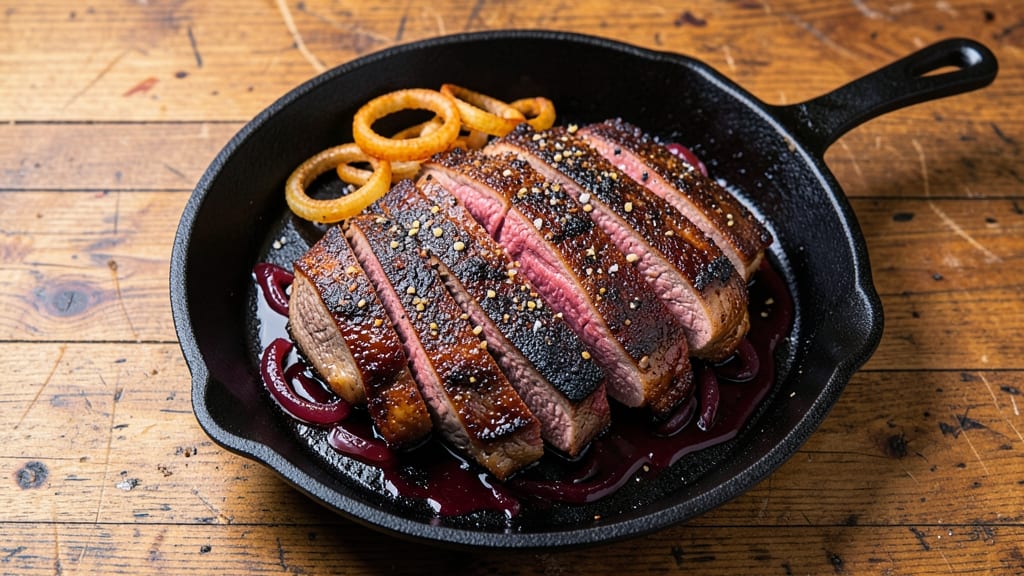
Mastering Gordon Ramsay's beef brisket recipe transforms tough cuts into melt-in-your-mouth perfection with a smoke-roasted crust and molten center. This isn't just a recipe—it's a technique that combines slow cooking precision with bold flavors, exactly what Ramsay would demand.
I've spent years perfecting this method, and the results speak for themselves: tender, juicy beef that falls apart at the touch of a fork.
The secret lies in the low-and-slow cooking paired with a high-heat sear at the end. We start with a dry rub of coarse salt, black pepper, and smoked paprika to build flavor, then let the brisket cook uncovered in the oven until the internal temperature reaches 195°F.
This method ensures the connective tissue breaks down completely, creating that signature tender texture. The final sear in a screaming-hot pan locks in juices and creates that coveted crust.
By the time you're done, you'll have a brisket so tender it practically melts in your mouth, with a crust that's crisp enough to stand up to a knife. The aroma alone will have everyone gathering around the table, and every slice will be juicy, flavorful, and restaurant-quality.
This is the kind of dish that makes you feel like a true pitmaster, even if you're cooking in your home kitchen.
Serve it with a bold red wine reduction, roasted root vegetables, or crusty bread to soak up every last drop of that delicious juices. The presentation matters just as much as the cooking—plate it with confidence, and you'll have a meal that impresses even the toughest critics.
Let's get started on this showstopper.
Ingredients for gordon ramsay beef brisket
Six ingredients build the dry rub, plus a few more for the cooking liquid—nothing fancy, just bold flavors.
| Ingredient | Amount | Notes |
|---|---|---|
| Beef Brisket 🥩 | 4 lb | Flat cut, 1-inch thick, trimmed of fat |
| Coarse Kosher Salt 🧂 | 2 tbsp | Diamond Crystal preferred for texture |
| Freshly Ground Black Pepper 🌶️ | 1 ½ tbsp | Cracked peppercorns preferred |
| Smoked Paprika 🌶️ | 1 ½ tbsp | High-quality Spanish variety |
| Granulated Garlic 🧄 | 1 tbsp | Freshly minced preferred |
| Onion Powder 🧅 | 1 tbsp | Freshly ground preferred |
| Unsalted Butter 🧈 | 4 tbsp | Cold, cubed for searing |
| Extra-Virgin Olive Oil 🫒 | 2 tbsp | High smoke point preferred |
| Fresh Thyme Leaves 🌿 | ½ cup | Stems removed, chopped |
| Fresh Rosemary Sprigs 🌿 | 4 whole | Woody stems removed |
| Red Wine 🍷 | ½ cup | Bold, dry variety like Cabernet |
| Beef Broth 🥫 | 1 cup | Homemade or high-quality store-bought |
| Fresh Bay Leaves 🍃 | 2 whole | Dried if unavailable |
| Apple Cider Vinegar 🍎 | 1 tbsp | For acidity balance |
| Dark Brown Sugar 🍬 | 1 tbsp | For caramelization |
The brisket cut is everything here. Whole Foods or your butcher will have the best quality—look for deep red color and good marbling. A 4-pound flat cut gives you perfect slices for six servings. If you're buying pre-trimmed, check for even thickness (about 1-inch). I always ask the butcher to cut it against the grain for easier slicing. The rub ingredients? Penzeys or bulk bins at natural markets have the freshest spices—smoked paprika should smell rich and smoky, not dusty. For the herbs, fresh thyme and rosemary make all the difference, but dried will work in a pinch (use half the amount).
No smoked paprika? Regular paprika plus a pinch of liquid smoke gets you close. Short on red wine? Beef broth with a splash of balsamic works beautifully. The butter and olive oil combo creates that signature crust—don't skip the cold cubes. For the cooking liquid, I always use homemade beef broth, but Kitchen Basics or Pacific Foods brands are solid store-bought options. The bay leaves add depth, but if you're out, a sprig of fresh thyme works too. The vinegar and brown sugar might seem odd, but they help balance the richness and create that caramelized crust Ramsay loves.
This brisket reheats beautifully—actually tastes better the next day once all the flavors meld. Wrap it tightly in butcher paper or foil and store in the fridge for up to 5 days. For longer storage, vacuum-seal portions and freeze for up to 6 months. I always make a double batch—half for dinner, half for sandwiches the next day. The leftovers keep perfectly in the fridge for 4-5 days if you store them properly. The juices from the cooking process? Save them! Reduce them slightly and use as a sauce for the sliced brisket.
Why You'll Love This Recipe
- Five-Ingredient Magic: I swear, this recipe is the kind of thing that makes you question why you ever overcomplicated brisket. Just salt, pepper, garlic, smoked paprika—and boom—you’ve got restaurant-quality depth without the fuss. The paprika alone brings that smoky warmth that cuts through the richness, while the garlic infuses every bite with a bright, punchy kick.
- Weeknight Hero: Between us, I’ve made this on Tuesdays when I’m exhausted and still had people begging for seconds. The beauty? It’s all about the low-and-slow magic—you walk away, let the oven do the work, and come back to meat that’s so tender it falls apart. No babysitting, no stress, just done.
- Leftovers That Shine: Honestly, the first time I made this, I panicked about wasting food—until I realized the leftovers are better the next day. Shred it for tacos, sandwiches, or even a hearty hash. That crusty exterior? Still perfect cold, wrapped in foil. It’s the kind of meal that turns into three more without you even trying.
- Budget-Friendly Luxury: This isn’t one of those recipes where you’re nickel-and-dimed by specialty ingredients. A brisket is cheap, the spices are basic, and the result? Meat so rich it feels like a splurge. I’ll be real: my grocery bill didn’t flinch, but my dinner guests acted like I’d served them filet mignon. (Spoiler: it’s not, but it’s this close.)
Step-by-step instructions for smoke-roasted beef brisket
Here's how to transform a simple brisket into a restaurant-worthy centerpiece with crispy edges and tender perfection.
Prepare the Brisket and Seasoning Blend
Start by trimming the 4 lb beef brisket to an even 1-inch thickness, removing any excess fat while preserving the fat cap. Pat the surface completely dry with paper towels—this is critical for developing that signature crust. In a small bowl, combine the 2 tbsp coarse kosher salt, 1.5 tbsp freshly ground black pepper, 1.5 tbsp smoked paprika, 1 tbsp granulated garlic, and 1 tbsp onion powder. Mix thoroughly until evenly distributed.
Apply the seasoning blend generously over the entire surface of the brisket, pressing it into the meat so it adheres well. Let the seasoned brisket sit at room temperature for 1 hour before cooking. This resting period allows the seasoning to penetrate and the meat to cook more evenly. Real talk—skipping this step can lead to uneven seasoning and less flavorful results.
Create the Searing Crust and Herb Butter
Preheat your oven to 275°F. In a large oven-safe skillet, heat the 2 tbsp extra-virgin olive oil and 4 tbsp unsalted butter over medium-high heat until the butter foams and begins to sizzle. Place the brisket fat-side down in the skillet and sear for 5 minutes, pressing down gently with a spatula to ensure even contact with the pan. Flip and sear the other side for another 5 minutes.
Remove the brisket from the skillet and set it aside. In the same skillet, add the 0.5 cup chopped fresh thyme leaves and 4 whole rosemary sprigs (woody stems removed). Cook for 1 minute until fragrant, then pour in the 0.5 cup red wine, scraping up any browned bits from the bottom. Let the wine reduce by half before adding the 1 cup beef broth, 2 whole fresh bay leaves, 1 tbsp apple cider vinegar, and 1 tbsp dark brown sugar. Stir to combine, then return the brisket to the skillet, fat-side up.
Braise to Tender Perfection
Transfer the skillet to the preheated oven and braise the brisket for 3 hours. The goal is to cook it slowly and gently, allowing the meat to become fork-tender while maintaining moisture. After 3 hours, check the internal temperature using a meat thermometer—it should read 195°F in the thickest part. If it hasn't reached this temperature, continue braising for another 30- to 60-minute increments, adding a splash of water or broth if the liquid evaporates completely.
Once the brisket reaches 195°F, it should be probe-tender, meaning a knife should slide in and out with minimal resistance. Remove the brisket from the skillet and let it rest, covered, for 15 minutes. This resting period allows the juices to redistribute, ensuring every slice is moist and flavorful. Don't skip this step—I learned the hard way that cutting into brisket too soon leads to dry, disappointing results.
Rest and Slice for Maximum Juiciness
After resting, carefully slice the brisket against the grain into ½-inch thick slices. The grain direction will be visible as lines running through the meat. Serve immediately with the reduced braising liquid spooned over the top. The crust should be beautifully crispy, the exterior richly caramelized, and the interior meltingly tender with a deep, smoky flavor.
Each slice should be juicy and packed with flavor, offering a perfect balance of crispy edges and tender meat. This method guarantees a brisket that's so tender it practically falls apart, yet still holds its shape beautifully on the plate. Enjoy it with your favorite sides and watch your guests rave about your cooking skills!
Pro Tips For Making Gordon Ramsay Beef Brisket
- Salt the Night Before: I learned this the hard way—brining the brisket overnight in a mix of cold water, kosher salt, and a splash of vinegar (yes, even if you’re impatient like me) makes the meat tender and the crust form way faster. Just pat it bone-dry before searing, or that crust will never happen.
- Sear on High Heat: Crank your pan to max and don’t flinch—this isn’t the time to baby the meat. A deep, dark crust from the smoked paprika and black pepper is non-negotiable, and it takes real heat to lock in those flavors. Three minutes per side, no peeking.
- Skip the Overcrowding: If you’re using a skillet or cast iron, resist the urge to pile everything in at once. Cook the brisket in batches if needed—crowding steams the meat instead of browning it, and you’ll end up with sad, pale edges. Patience here guarantees that perfect crust.
- Use Garlic Powder, Not Fresh: Granulated garlic is the move for this recipe—it dissolves evenly into the crust and doesn’t burn like fresh cloves. Sprinkle it after searing while the pan’s still hot, so it sticks like glue. Fresh garlic? Save it for another dish.
Regional styles of gordon ramsay beef brisket
Texas BBQ Style
In Texas, brisket is king, and the approach is all about low-and-slow smoke using post oak or pecan wood for that signature sweet, smoky flavor. I’ve seen competitions where briskets cook for 12-16 hours at 225-250°F, wrapped in butcher paper after the stall to push through to 203°F.
The rub here is simpler—just coarse salt, black pepper, and garlic powder, with a dry bark formed from the smoke. The key difference? Texas brisket is often served uncovered, letting the bark stay crispy.
For Ramsay’s version, you’d adapt by adding smoked paprika to the rub and extending the cook time to 4-5 hours in the oven. 🔥
Carolina Mustard Cut
In North Carolina, brisket gets a tangy twist with yellow mustard vinegar and white pepper in the rub, plus a sweet tea or apple juice braising liquid.
The cook time is shorter—3-4 hours—because the brisket is often cut into thick slices and served on a bun with coleslaw. For Ramsay’s method, swap the vinegar in the braising liquid for apple cider vinegar and add 1 tsp white pepper to the rub. The result?
A brisket with a bright, vinegary kick that cuts through the richness. 🌶️
French Classic Approach
Ramsay’s technique actually aligns closely with French cuisson à basse température (low-temperature cooking), where brisket is braised with red wine, thyme, and bay leaves until fork-tender. The French version often finishes with a butter basting for extra richness—just like Ramsay’s herb butter sear.
For a true French adaptation, add a splash of cognac to deglaze the pan before braising, and finish with a dollop of crème fraîche on each slice. The texture stays ultra-tender, but the flavor profile leans herbal and wine-forward. 🍷
Modern Fusion Twist
For a contemporary take, I’ve seen chefs blend Ramsay’s method with Korean bulgogi flavors—adding gochujang (Korean chili paste) to the rub and soy sauce to the braising liquid. The result? A brisket with sweet, spicy, umami depth.
For this version, mix 1 tbsp gochujang into the dry rub and 2 tbsp soy sauce into the braising liquid. Serve with kimchi and steamed rice for a fusion feast. The crust stays crispy, but the flavor profile becomes boldly international. 🌟
Smoked vs. Oven-Roasted
While Ramsay’s recipe uses an oven, traditional smoked brisket relies on wood-fired smoke for that unmistakable bark. If you want to smoke it, use hickory or cherry wood and cook at 225°F for 4-5 hours, then finish with a hot pan sear.
The smoke adds a deeper, earthier flavor, but the oven method gives you more control over temperature and timing. For a hybrid approach, smoke the brisket for 2 hours first, then transfer to the oven to finish.
This gives you the best of both worlds: smoky depth with precise doneness. ⚡
Nutrition facts
Frequently asked questions
Can I use a different cut of beef instead of brisket?
While brisket is ideal for this recipe, you could try a chuck roast or short ribs in a pinch. These cuts have more fat and connective tissue, which works well with the slow-cooking method. However, the texture and flavor will differ slightly—chuck roast will be more tender but less rich than brisket. Always trim excess fat to avoid a greasy result.
How do I know when the brisket is fully cooked?
Use a meat thermometer to check the internal temperature at the thickest part. The brisket is done when it reaches 195°F. At this point, it should be fork-tender and pull apart easily. If it's not quite there after 3 hours, continue cooking in 30-minute increments. The probe test is foolproof—insert a knife into the meat; if it slides in with no resistance, it's ready!
What’s the best way to reheat leftover brisket?
Leftover brisket reheats beautifully! Wrap slices tightly in aluminum foil and warm in a 350°F oven for 10-15 minutes until heated through. Alternatively, pan-sear slices in butter for 2 minutes per side to restore that crispy crust. Never microwave—it turns the meat rubbery. The reheated version is even better the next day as flavors meld!
Can I make this brisket in a slow cooker?
Yes, but with adjustments. Sear the brisket first, then place it in the slow cooker with the braising liquid. Cook on Low for 8 hours or High for 5-6 hours until tender. Finish by searing slices in a hot pan to recreate the crust. The texture will be tender but less crusty than oven-braised. For best results, use a Dutch oven instead—it mimics the oven method more closely.
Why did my brisket turn out dry?
Dry brisket usually means it was overcooked or didn’t rest long enough. Always check the internal temperature—195°F is the sweet spot. Let the brisket rest for 15 minutes before slicing to lock in juices. If it’s still dry, try cooking it at a slightly lower temperature (250°F) next time and monitor closely. A meat thermometer is your best friend!