
Main Courses
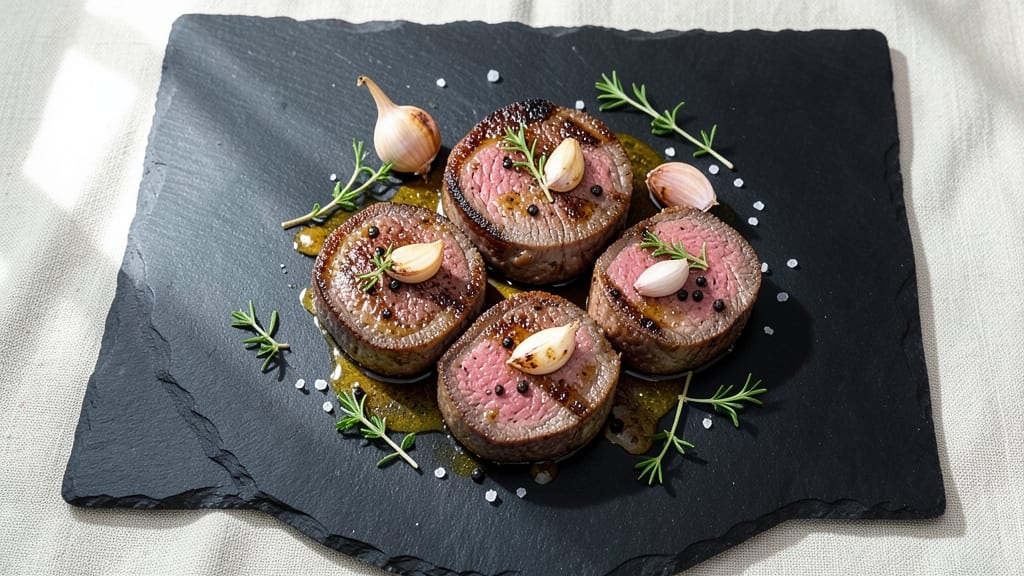
Mastering Gordon Ramsay's beef tenderloin steak means achieving a crispy crust and perfectly tender medium-rare center—every time. This recipe distills Ramsay’s signature techniques into a step-by-step method that transforms a simple cut into a restaurant-worthy centerpiece.
The secret lies in dry-brining, precise temperature control, and a high-heat sear that locks in juices while building that coveted crust.
Professional chefs rely on dry-brining to enhance tenderness and flavor, while Ramsay’s method for reverse searing ensures even cooking without overcooking the interior. You’ll work with a 30-minute prep (including resting) and 20-30 minutes of active cooking, depending on the steak’s thickness.
The result? A steak with a caramelized exterior, a pink center that yields to pressure, and a depth of flavor that rivals high-end steakhouses.
This technique also includes optional finishing touches like garlic butter basting and a red wine reduction for serving—elevating the dish from impressive to unforgettable. Whether you’re cooking for a special occasion or simply treating yourself, these steps guarantee a steak that’s foolproof and worthy of a Michelin-starred menu.
Let’s get started with the professional approach.
Pair your steak with classic sides like garlic mashed potatoes or roasted asparagus to complete the meal. The key is balancing textures and temperatures—creamy potatoes contrast beautifully with the steak’s crust, while roasted vegetables add freshness.
With this recipe, you’ll not only cook like Ramsay but also understand the science behind every step, ensuring success every time.
Ingredients for gordon ramsay beef tenderloin steak
Precision-cut beef tenderloin and professional-grade seasonings transform this into a Michelin-worthy centerpiece.
| Ingredient | Amount | Notes |
|---|---|---|
| Beef Tenderloin 🥩 | 2 ½ lb | Center-cut, 1.5-2 inches thick |
| Diamond Crystal Kosher Salt 🧂 | 1 ½ tbsp | For dry-brine, coarse grain preferred |
| Freshly Ground Black Pepper 🌶️ | 1 ½ tsp | Cracked peppercorns preferred |
| Unsalted Butter 🧈 | ½ cup | Cold, European-style preferred |
| Garlic Cloves 🧄 | 6 whole | Peeled, smashed for butter |
| Fresh Thyme Leaves 🌿 | ¼ cup | From 4-5 sprigs, finely chopped |
| Extra-Virgin Olive Oil 🫒 | 2 tbsp | For searing, high smoke point |
| Dry Red Wine 🍷 | ½ cup | Cabernet Sauvignon preferred |
| Beef Stock 🍲 | ½ cup | Homemade or high-quality store-bought |
| Cold Water 💧 | ¼ cup | For wine reduction |
| Heavy Cream 🥛 | ¼ cup | Full-fat, chilled |
| Grain Mustard 🌶️ | 1 tsp | Dijon preferred |
The beef tenderloin is non-negotiable—center-cut with visible marbling ensures tenderness. Purchase from a reputable butcher or high-end grocer like Whole Foods or D'Artagnan, where they can source USDA Prime or equivalent. Aim for a 1.5-2 inch thickness—thinner cuts risk drying out during the reverse sear. If your steak arrives with a thick fat cap, trim it to 1/4 inch for even cooking. The Diamond Crystal kosher salt is essential; its coarse texture clings better than table salt for dry-brining. For pepper, freshly cracked black peppercorns add complexity that pre-ground can't match.
No dry red wine? Substitute with beef stock or even balsamic vinegar (though the flavor profile shifts). For the wine reduction, dry sherry or port work in a pinch, but the acidity won't be identical. The heavy cream in the reduction is critical—don't substitute with half-and-half or light cream, as it won't emulsify properly. If you're short on time, pre-portion the garlic butter into small ramekins and refrigerate; it stays fresh for 3 days. For the thyme, dried works at half the amount, but fresh leaves infuse better. The grain mustard adds depth; omit it only if you're allergic, but the reduction will lack brightness.
Store the dry-brined steak uncovered on a wire rack in the fridge for up to 24 hours before cooking—this enhances tenderness. The garlic butter can be made a day ahead and kept in an airtight container; reheat gently before basting. Leftover wine reduction freezes beautifully for up to 3 months, though it's best used within 5 days for peak flavor. For reheating, low heat only—never microwave, as it breaks the emulsion. Portion the steak into individual servings before reheating to maintain even temperature.
Why You'll Love This Recipe
- I swear by this: just salt, pepper, and butter. That’s it. No fancy marinades or hours of prep—just a quick sear and a garlic kiss at the end. The beef tenderloin does all the heavy lifting.
- Two-Ingredient Magic: I swear by this: just salt, pepper, and butter. That’s it. No fancy marinades or hours of prep—just a quick sear and a garlic kiss at the end. The beef tenderloin does all the heavy lifting.
- Crispy-Creamy Perfection: Between us, the butter-basted crust while the inside stays tender? Chef’s kiss. The garlic cloves sizzling in the pan at the end release this insane aroma that makes everyone linger at the table.
- Date Night or Dinner Party: Honestly, this steak feels fancy without the fuss. Serve it with roasted potatoes and a simple salad, and suddenly you’re hosting a Michelin-star moment. (Yes, even on a Tuesday night.)
Step-by-step instructions for Gordon Ramsay's beef tenderloin preparation
Mastering this technique delivers restaurant-quality results with perfect medium-rare centers and flawless crispy edges.
Dry-Brine the Beef Tenderloin for Maximum Flavor and Texture
Remove the beef tenderloin from the refrigerator and pat it completely dry with paper towels—this is non-negotiable for crispy edges. Place it on a wire rack set over a baking sheet to ensure even air circulation. In a small bowl, combine the 1.5 tablespoons diamond crystal kosher salt and 1.5 teaspoons freshly ground black pepper. Generously coat the entire surface of the beef tenderloin with this mixture, pressing it into the meat so it adheres evenly.
Cover loosely with plastic wrap and refrigerate for at least 4 hours, or ideally overnight. This dry-brine method creates a flavorful crust while ensuring the steak remains tender throughout. The salt will penetrate deeply, enhancing both the exterior and interior flavors. Real talk: skipping this step results in bland, dry meat—don't cut corners here.
Create the Herb Butter Compound for Rich Flavor Infusion
While the beef tenderloin brines, prepare the herb butter by combining the 0.5 cup cold unsalted butter, 6 whole peeled and smashed garlic cloves, 0.25 cup finely chopped fresh thyme leaves, and 1 teaspoon grain mustard in a small mixing bowl. Using a fork or rubber spatula, mash everything together until you achieve a smooth, homogeneous paste. The butter should be softened but not melted—this ensures proper incorporation of the aromatics.
Shape the herb butter into a log by rolling it tightly in plastic wrap. Chill in the refrigerator until ready to use. This compound will bast the steak during searing, creating a flavorful crust while keeping the interior juicy. The thyme and garlic will infuse the butter with complex aromatics that elevate every bite. Don't skip the chilling step—warm butter spreads instead of basting.
Sear the Beef Tenderloin to Develop Crispy Edges
Preheat your oven to 400°F. Heat a heavy oven-safe skillet (cast iron works best) over high heat until smoking hot. Add 2 tablespoons extra-virgin olive oil and allow it to shimmer for 1 minute. Remove the beef tenderloin from the refrigerator and let it sit at room temperature for 30 minutes before cooking—this ensures even doneness.
Place the beef tenderloin in the hot skillet and sear for 3-4 minutes per side until developing a deep golden-brown crust. Press down gently on the steak during the first minute to prevent curling. This high-heat sear creates the Maillard reaction that gives professional-quality steaks their signature flavor and texture. The edges should be crispy while maintaining a perfect medium-rare center—this is where precision matters most.
Finish in the Oven for Perfect Medium-Rare Doneness
Transfer the seared beef tenderloin to the preheated oven and roast for 10-15 minutes, depending on thickness, until the internal temperature reaches 125°F for medium-rare. Use a meat thermometer for accuracy—this is the only reliable way to achieve consistent results. The steak should still feel slightly springy when pressed with your finger.
During the last 2 minutes of roasting, place the herb butter log on top of the steak. This basting technique ensures the butter melts and coats the surface, locking in moisture and adding layers of flavor. The thyme and garlic will infuse into the meat, creating a harmonious balance of savory and aromatic notes. Remove from the oven immediately when reaching the target temperature—overcooking is the fastest way to ruin a perfect steak.
Prepare the Red Wine Reduction for Elegant Presentation
After removing the beef tenderloin from the oven, place the skillet with any rendered juices over medium-high heat. Deglaze with the 0.5 cup dry red wine, scraping up all the browned bits from the bottom of the pan—this captures all the concentrated flavors. Simmer for 3-4 minutes until reduced by half, then add the 0.5 cup beef stock and 0.25 cup cold water. Continue simmering for another 5 minutes until slightly thickened.
Strain the reduction through a fine-mesh sieve into a small saucepan and stir in the 0.25 cup heavy cream. Keep warm over low heat until ready to serve. This elegant sauce complements the rich beef without overpowering its natural flavors. The wine reduction adds depth while the cream provides a velvety finish that ties everything together. Serve immediately alongside the perfectly cooked beef tenderloin for a restaurant-worthy dining experience.
Pro Tips For Making Gordon Ramsay Beef Tenderloin Steak
- Use a Meat Thermometer: Skip guessing—this is the only way to nail medium-rare (130°F internal temp). I used to pull mine too early, then overcompensate with extra butter, and it always tasted off. The tenderloin cooks fast; check 2-3 minutes before your target.
- Sear on High Heat: Crank that pan to screaming hot before adding the steak. I learned this after a batch turned out gray and sad—low heat steals the flavor. Let it get a deep crust first, then dial it down for the butter baste.
- Mince Garlic, Don’t Slice: Finely minced garlic (almost paste-like) blends better into the butter than slices. I used to burn it every time, and even when it didn’t, the texture was wrong. Press it through a microplane or crush it with the flat of your knife first.
- Salt the Butter: More salt than you think—especially if using Diamond Crystal (it’s less salty than table salt). Toss the melted butter with a pinch of kosher salt and black pepper before basting. It makes the crust pop and balances the richness.
Storing and reheating your leftovers
Refrigerator Storage
After cooking your beef tenderloin, let it rest for 10-15 minutes before slicing—this ensures juices redistribute. Transfer any leftovers to an airtight container (I recommend Glasslock containers) and store in the refrigerator for up to 3 days.
The steak will maintain its tenderness better than most cuts when stored properly. For best results, slice against the grain before refrigerating, as the fibers tighten slightly when cold. 🥩
Freezer Storage
For longer storage, freeze the steak in portioned individual servings wrapped tightly in plastic wrap followed by aluminum foil. This prevents freezer burn and makes reheating easier. Label with the date and store for up to 3 months at 0°F or below.
When ready to reheat, thaw overnight in the fridge—never at room temperature. The texture remains surprisingly tender when frozen properly. ❄️
Reheating Methods
For the best texture, reheat steak slices in a skillet over medium-low heat with a splash of beef stock or water. Cover the pan and heat for 2-3 minutes per side until reaching 135°F internal temperature.
Avoid microwaving, as it dries out the meat. For extra flavor, add a pat of the herb butter during reheating. The residual aromatics will revive the dish beautifully. 🔥
Restoring Crispy Edges
If your reheated steak loses its crust, finish it in a screaming-hot cast iron skillet for 30 seconds per side. This quick sear recreates the Maillard reaction and restores that coveted texture.
I also recommend brushing with a little extra-virgin olive oil before reheating—it helps maintain moisture while promoting browning. This technique works especially well for sliced portions. ✨
Sauce Revitalization
The red wine reduction can be reheated gently in a saucepan over low heat with an extra splash of beef stock if it thickens too much. Avoid boiling, as this breaks the emulsion. For extra richness, stir in 1 tablespoon cold butter at the end.
This method revives the sauce's velvety texture while maintaining its depth of flavor. Serve immediately alongside reheated steak for that restaurant-quality finish. 🍷
Portion Control
When reheating, portion the steak into individual servings before heating to ensure even temperature. I typically slice into ½-inch thick portions for easier handling. Use a meat thermometer to verify each portion reaches 135°F—this ensures food safety while maintaining tenderness.
Leftovers reheated this way taste nearly as good as fresh, making this a great meal prep option. 💡
Nutrition facts
Frequently asked questions
What’s the secret to achieving Gordon Ramsay’s signature crispy crust?
The key lies in three steps: dry-brining (at least 4 hours), a high-heat sear in a screaming-hot cast iron skillet, and pressing the steak gently during the first minute to prevent curling. The butter basting in the final 2 minutes of roasting also locks in moisture while promoting browning.
Can I cook this recipe without a meat thermometer?
While possible, it’s risky. For medium-rare, the steak should reach 125°F internally. Without a thermometer, use the finger test: press your finger gently—if it feels slightly springy, it’s ready. Overcooking is the #1 mistake with beef tenderloin, so invest in a $15 instant-read thermometer for foolproof results.
How do I adjust cooking time for a thicker or thinner steak?
Use the 10-minute rule: for every ½ inch of thickness beyond 1.5 inches, add 2-3 extra minutes to the oven finish. For example, a 2-inch steak needs 12-15 minutes in the oven, while a 1-inch steak only needs 8-10 minutes. Always sear first to build the crust!
What’s the best way to slice the beef tenderloin?
Slice against the grain at a 45-degree angle for maximum tenderness. Use a sharp chef’s knife and cut through the connective tissue cleanly. For even slices, freeze the steak for 20 minutes first—this tightens the fibers for cleaner cuts. Serve immediately to maintain juiciness.
Can I make the red wine reduction ahead of time?
Yes! Prepare it up to 2 days ahead and refrigerate in an airtight container. Reheat gently over low heat with a splash of beef stock to loosen the sauce. For extra richness, stir in 1 tablespoon cold butter at the end. Avoid boiling, or the emulsion will break.