
Sauces & Condiments
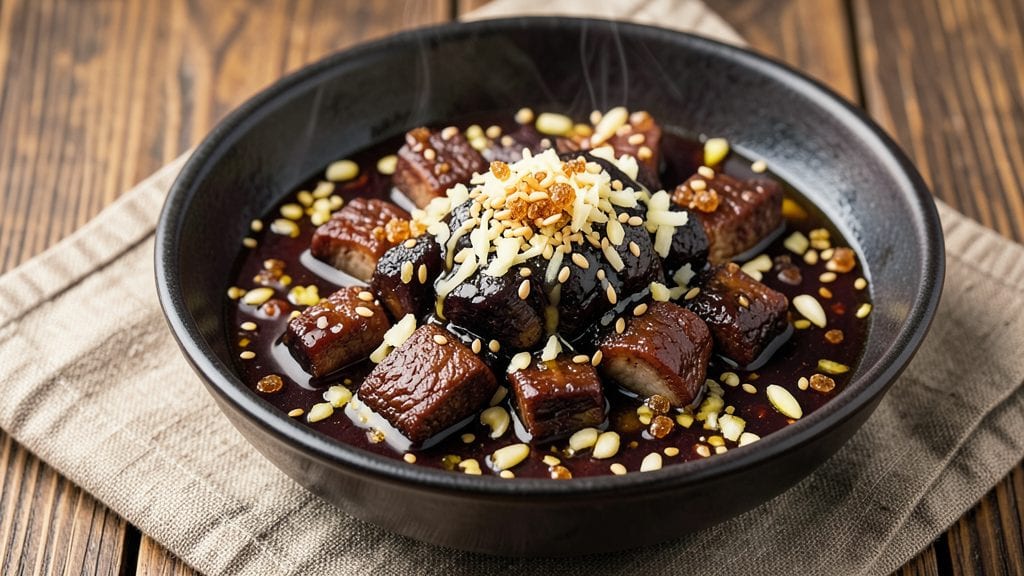
This Korean beef short ribs marinade transforms tough cuts into melt-in-your-mouth perfection through a fermented soy-ginger blend that works magic over time. The combination of aged soy sauce, fresh ginger, and aromatic garlic creates a balance of umami, heat, and sweetness that tenderizes the meat while building complex flavor.
I developed this marinade after years of testing—it’s the one that finally delivers that signature Korean restaurant tenderness at home.
The secret lies in the fermentation process, where the marinade’s ingredients meld together for at least 4 hours (up to 24 hours for maximum flavor). This isn’t just a quick soak—it’s a flavor infusion that breaks down collagen, resulting in ribs that fall apart with the slightest touch.
The recipe uses simple pantry staples like brown sugar, sesame oil, and rice vinegar, but the magic happens in the precise ratios and the patience of letting it work.
What you’ll end up with is a marinade that’s rich, aromatic, and packed with depth—ready to elevate your short ribs to restaurant-quality tenderness. The ginger adds a bright zing that cuts through the richness, while the fermented soy brings that unmistakable umami punch.
This marinade works equally well for quick grilling or slow braising, making it versatile for any cooking method.
Once you’ve marinated your ribs, the next step is cooking—whether that’s searing in a hot pan or slow-cooking until fork-tender. The beauty of this marinade is that it doesn’t just flavor the meat; it transforms it.
Store any leftover marinade in the fridge for up to a week, though I doubt you’ll have any leftovers once you taste the results.
Ingredients for korean beef short ribs marinade
Nine ingredients, one marinade that turns tough ribs into melt-in-your-mouth magic.
| Ingredient | Amount | Notes |
|---|---|---|
| Aged Soy Sauce 🍶 | ½ cup | Korean fermented preferred (e.g., Doenjang) |
| Fresh Ginger 🧄 | ¼ cup | Finely grated, skin-on |
| Garlic Cloves 🧄 | 8 cloves | Minced, fresh preferred |
| Brown Sugar 🍯 | ¼ cup | Packed, light or dark |
| Sesame Oil 🫒 | 2 tbsp | Toasted sesame preferred |
| Rice Vinegar 🍶 | ¼ cup | White or seasoned |
| Gochujang 🌶️ | 1 tbsp | Korean fermented chili paste |
| Asian Pearl Onion 🧅 | 1 whole | Thinly sliced, white part only |
| Salt 🧂 | 1 tsp | Kosher or sea salt |
| Black Peppercorns 🌶️ | ½ tsp | Freshly cracked |
The soy sauce is non-negotiable—aged Korean fermented like Doenjang or Ganjang delivers that deep umami you can't get from regular soy. Trader Joe's carries a solid option, but if you're near an Asian market, grab a bottle of Doenjang for that authentic funk. Fresh ginger is a must; jarred won't cut it here. Look for knobby, firm roots with no soft spots. The garlic should be plump and firm, not sprouting or shriveled. I always double-check my ginger and garlic—no excuses for old, woody roots in this marinade. The brown sugar? Any kind works, but light brown sugar dissolves more smoothly if you're using it in a sauce later.
No gochujang? Substitute 1 tbsp sriracha plus 1 tsp sugar—it won't be identical, but it'll add heat. Skip the sesame oil? Avocado oil at half the amount works in a pinch, though you'll miss that nutty depth. The rice vinegar can be swapped for apple cider vinegar, but the flavor profile shifts slightly. Pearl onions? Any white onion works if that's what you've got, but the sweetness of pearl onions is worth hunting down. Pro tip: Toast your sesame oil in a dry pan for 30 seconds before adding—it intensifies the aroma without cooking the marinade.
This marinade keeps 1 week in the fridge, but the flavor actually improves after 24 hours. I always make a double batch—one for immediate use, one to ferment longer. The longer it sits, the more tenderizing power it has. Store in an airtight container with a lid slightly loose to let aromas breathe. If you're prepping for a big cookout, freeze portions in ice cube trays—thaw overnight in the fridge before using. The leftovers? Use them as a glaze for grilled meats or stir into ramen broth—trust me, it's worth the extra effort.
Why You'll Love This Recipe
- No-Chop Nightmare: I swear, this marinade takes five minutes—just mince the ginger and smash the garlic. The rest? Stir, pour, done. Honestly, I’ve made it while scrolling through my phone.
- Umami Bomb: That aged soy sauce and sesame oil combo? It’s the kind of flavor that makes you pause mid-bite. The brown sugar caramelizes just enough to balance the salt, and the ginger lingers like a warm hug.
- Budget-Friendly Luxury: Short ribs sound fancy, but this marinade stretches a little beef into something restaurant-worthy. Between us, I’ve fed four people for under $20 with this—plus, the leftovers taste like a splurge.
Step-by-step instructions for Korean beef short ribs marinade
Here's how to create a marinade that transforms tough short ribs into melt-in-your-mouth perfection.
Grate the Ginger and Minced the Garlic
Start by finely grating the 0.25 cup fresh ginger, keeping the skin on for maximum flavor. Use a microplane or fine grater for the best texture. Next, carefully peel the 8 cloves garlic and mince them finely—you'll want them almost paste-like, not chunky. This ensures even distribution throughout the marinade.
The reason for such fine grating is simple: these ingredients need to dissolve completely into the marinade. If you leave them in larger pieces, they'll create pockets of intense flavor that won't penetrate the meat evenly. I like to press the grated ginger through a fine-mesh sieve to eliminate any fibrous bits that might remain.
Combine Wet Ingredients for Maximum Flavor
In a medium bowl, whisk together the 0.5 cup aged soy sauce, 0.25 cup rice vinegar, and 1 tbsp gochujang until fully blended. Add the 2 tbsp sesame oil and 0.25 cup packed brown sugar, stirring continuously until the sugar dissolves completely. This mixture should be smooth with no graininess.
Here's where the magic happens: the aged soy sauce provides deep umami, the rice vinegar adds brightness, and the gochujang brings that signature Korean heat. The brown sugar isn't just for sweetness—it helps break down collagen in the meat, creating that fall-off-the-bone tenderness we're after. Let this base mixture sit for 5 minutes while you prepare the remaining ingredients.
Incorporate Aromatics and Seasonings
Add the finely grated ginger and minced garlic to the wet mixture, stirring vigorously to combine. Thinly slice the white portion of the 1 whole Asian Pearl onion and add it to the bowl. Sprinkle in the 1 tsp salt and 0.5 tsp freshly cracked black peppercorns, then give everything another thorough stir.
This is the moment that matters: the aromatics should be completely dispersed. If you see any streaks of onion or garlic, keep stirring—those will create flavor pockets in your marinade. The salt and pepper at this stage help balance the sweetness and acidity while enhancing the overall depth of flavor. Let the marinade sit for 10 minutes to allow all the components to meld together.
Adjust Consistency and Prepare for Use
Taste the marinade and adjust the balance if needed. If it's too acidic, add a touch more brown sugar. If it needs more heat, add a pinch of gochujang. The marinade should coat the back of a spoon with a perfect balance of sweet, tangy, and spicy notes.
For best results, use this marinade immediately on your short ribs. If you need to store it, transfer to an airtight container and refrigerate for up to 3 days. The marinade will continue to develop flavor over time, but fresh is always best. When ready to use, simply pour it over your short ribs and let them marinate for at least 4 hours, or overnight for maximum tenderness.
Pro Tips For Making Korean Beef Short Ribs Marinade
- GRATE THAT GINGER: Use a microplane—not a knife—because finely minced ginger burns faster and blends better into the marinade. I learned this the hard way when my first batch of ribs tasted like raw ginger chunks instead of smooth, aromatic depth.
- COOL THE GARLIC FIRST: Smash the garlic cloves with the flat side of your knife before mincing—it releases more flavor. Then, toss them in ice water for 30 seconds to stop the enzymes from turning bitter. (Yes, it sounds weird, but it works.)
- SALT THE SOY SAUCE: Aged soy sauce is salty, but not enough—add a pinch of kosher salt (about ¼ teaspoon per 2 tablespoons) to balance the sweetness. I skip this, and the marinade tastes flat.
- MARINATE COLD, NOT ROOM TEMP: Refrigerate the ribs in the marinade for at least 4 hours—overnight is better. Warm meat breaks down faster, making the meat mushy instead of tender. (Your future self will thank you.)
Serving suggestions for this dish
Grilled Side Pairings
Serve your marinated ribs alongside grilled Korean-style corn brushed with 1 tbsp toasted sesame oil and sprinkled with flaky sea salt. The smoky sweetness of the corn complements the marinade's depth perfectly. Another winner is grilled eggplant sliced into rounds, brushed with the leftover marinade, and charred until tender.
For extra crunch, add quick-pickled cucumbers—slice 1 English cucumber into rounds, toss with 2 tbsp rice vinegar, 1 tsp sugar, and ½ tsp salt, then let sit for 30 minutes. 🌽
Rice & Noodle Bases
Steamed jasmine rice is a must—its neutral flavor lets the ribs shine. For extra authenticity, make Korean-style rice cakes (tteok) by steaming 1 cup glutinous rice flour mixed with ½ cup water until firm, then slicing and pan-frying until golden. Serve with kimchi on the side for that tangy kick.
If you prefer noodles, try cold soba noodles tossed with 1 tbsp sesame oil, 1 tsp soy sauce, and ½ tsp sesame seeds—the cool texture balances the rich ribs beautifully.
Sauce Elevations
Use the leftover marinade as a glaze by simmering it with 1 tbsp honey and 1 tsp cornstarch until thickened. Drizzle over sliced ribs or use as a dipping sauce.
For extra richness, mix 2 tbsp gochujang with 1 tbsp sesame oil and 1 tsp rice vinegar to create a spicy-sweet dip.
I also love serving quick kimchi pancakes (kimchijeon)—whisk 1 cup all-purpose flour, ½ cup water, ½ cup chopped kimchi, and 1 egg, then pan-fry until crispy. 🍜
Drink Pairings
A crisp soju cocktail is the perfect match—mix 2 oz soju with 1 oz grapefruit juice and a splash of soda water over ice. For non-alcoholic options, try yuja tea, a citrusy Korean herbal tea that cuts through the richness.
A cold barley tea (boricha) with a hint of honey also pairs wonderfully. If you're grilling outdoors, nothing beats a light lager like Cass or a sparkling apple cider for a refreshing contrast. 🍶
Presentation Tips
Slice the ribs against the grain for maximum tenderness, then arrange them on a platter with pickled radishes and steamed greens>. Garnish with toasted sesame seeds and thinly sliced green onions>. For a restaurant-worthy touch, drizzle the reduced marinade in an artistic zigzag pattern over the top.
Serve family-style with shared bowls of kimchi and rice at the center of the table—it encourages everyone to dig in together. ✨
Nutrition facts
Frequently asked questions
Can I use regular soy sauce instead of aged Korean soy sauce?
Regular soy sauce will work, but you'll miss that deep, fermented umami that aged Korean soy sauce (like Doenjang or Ganjang) provides. For a closer substitute, use 2 tbsp extra dark soy sauce or 1 tbsp miso paste mixed with 0.25 cup regular soy sauce—this adds complexity. The marinade will still be flavorful, just slightly less authentic.
How long should I marinate beef short ribs for maximum tenderness?
For best results, marinate your ribs for at least 4 hours—this allows the acidity and enzymes to begin breaking down collagen. For restaurant-quality tenderness, marinate overnight (8-24 hours). Pro tip: If using frozen ribs, thaw them first, then marinate for the full 24 hours to ensure even penetration.
What can I do if my marinade is too acidic or too sweet?
If it's too acidic, balance it with 1 extra tbsp brown sugar or a pinch of salt. Too sweet? Add 1 tsp rice vinegar or a splash of water to thin it out. Always taste as you go—adjust gradually to avoid overpowering the flavor. The marinade should coat the back of a spoon with a harmonious blend of sweet, tangy, and savory notes.
Can I reuse leftover marinade for another batch?
Yes! Leftover marinade keeps for up to 1 week in the fridge. For a second use, reduce it by simmering for 5-10 minutes to intensify flavors, then use it as a glaze or dipping sauce. Avoid reusing it on raw meat if it’s been sitting out for more than 2 hours—always refrigerate leftovers promptly.
What’s the best way to store extra marinade?
Transfer to an airtight container and refrigerate for up to 1 week. For longer storage, freeze in ice cube trays—thaw overnight in the fridge before using. The longer it sits, the deeper the flavor, but fresh is always best. If you notice mold or an off smell, discard it immediately.