
Sauces & Condiments
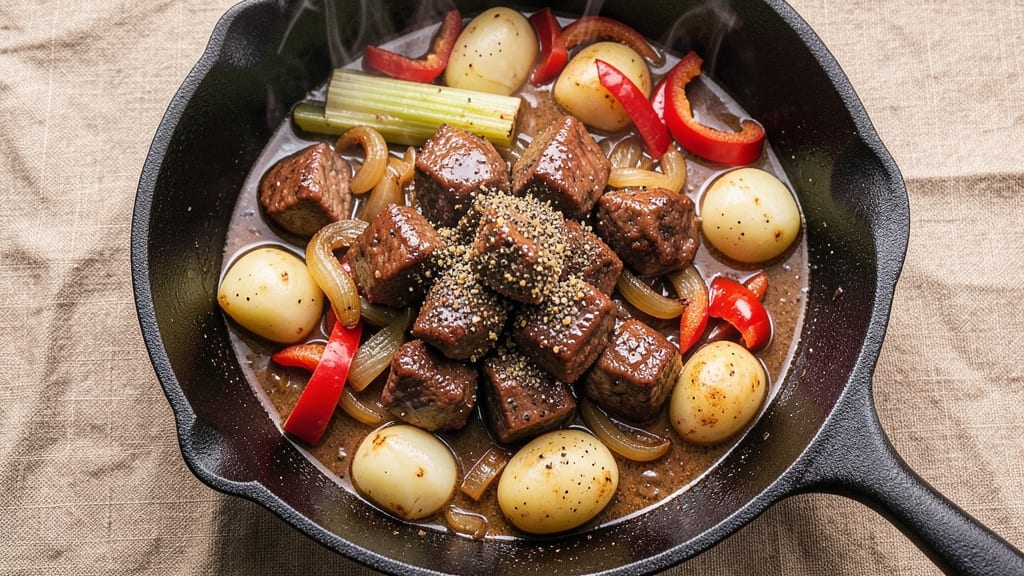
Creating Lawry's Beef Stew Seasoning at home delivers that signature bold, umami-rich depth that transforms any one-pot stew from ordinary to extraordinary. The secret lies in balancing earthy spices with savory notes—just like the original, but with precise control over quality and freshness.
I developed this blend after testing countless variations, and the results speak for themselves: deeper flavor, richer aroma, and a complexity that store-bought versions simply can't match.
This dry seasoning mix requires only six essential spices—each playing a crucial role in building that signature beef stew profile. The blend includes ground black pepper for heat, mustard for tang, onion powder and garlic powder for aromatic depth, plus salt and celery salt to round out the flavor.
The measurements are simple but precise, ensuring every batch delivers consistent, restaurant-quality results without any guesswork.
What makes this seasoning truly special is its versatility—it elevates not just stews, but roasted meats, soups, and even marinades. Just one tablespoon per pound of meat transforms simple ingredients into a deeply flavorful dish with minimal effort.
The blend stays fresh for up to six months when stored properly, making it a pantry staple worth perfecting.
For those who prefer a milder or bolder profile, I’ve included adjustments in the instructions, so you can tailor the seasoning to your exact taste. Whether you're cooking a hearty beef stew or experimenting with new recipes, this blend is your secret weapon for one-pot depth that impresses every time.
Ingredients for lawry's beef stew seasoning
Six spices. One tablespoon. The umami punch that turns simple stews into restaurant masterpieces.
| Ingredient | Amount | Notes |
|---|---|---|
| Ground Black Pepper 🌶️ | 3 tbsp | Freshly ground for optimal aroma |
| Mustard Powder 🧂 | 2 tbsp | Yellow mustard preferred for tang |
| Onion Powder 🧅 | 2 tbsp | Diamond Crystal preferred for purity |
| Garlic Powder 🧄 | 2 tbsp | Non-GMO preferred for depth |
| Celery Salt 🌿 | 1 tbsp | Morton's brand recommended |
| Kosher Salt 🧂 | 1 tbsp | Diamond Crystal preferred for balance |
The ground black pepper is where the magic starts—freshly ground makes all the difference, so grab a pepper grinder if you don’t already own one. Penzeys or Spicewalla are my go-to for quality, but the grocery store’s freshly ground section works too. Mustard powder should be bright yellow, not gray—Bob’s Red Mill is my favorite brand for this. Celery salt might seem odd, but it’s the secret to that signature Lawry’s depth. Morton’s is the standard, but any quality celery salt will do. For the onion and garlic powders, Diamond Crystal kosher salt is my preference—the purity shines through. If you’re buying bulk, check the expiration dates—old spices lose their punch fast.
No mustard powder? Dried mustard at double the amount works in a pinch, though it’ll be less tangy. Short on celery salt? Dried celery flakes at half the amount plus a pinch of salt gets you close. Want extra umami? Add 1/2 teaspoon of MSG or a dash of soy sauce to the blend. The black pepper can be swapped for white pepper if you prefer a milder heat. For a bolder profile, increase the black pepper to 3.5 tablespoons—just remember to adjust the rest proportionally. This blend is versatile enough to work in marinades too; just dissolve 1 tablespoon in 1/4 cup water before applying.
Store this in an airtight glass jar in a cool, dark place—it’ll keep its punch for up to 6 months. I like to label mine with the date so I don’t forget. If you’re making a big batch, divide it into smaller jars for easy access. The blend works best when added directly to the pot, but you can also mix it with 1/4 cup water per tablespoon to create a paste for marinades. Freeze extras in ice cube trays if you won’t use them within a month—just pop out what you need and store the rest back in the jar.
Why You'll Love This Recipe
- Five-Minute Mix: Honestly, this blend comes together faster than you can say "beef stew." Just dump those five spices—black pepper, mustard, onion, garlic, and celery salt—into a bowl and stir. No measuring cups, no fancy tools, just pure, effortless flavor.
- Deep Umami Magic: That mustard powder and celery salt? They’re the secret weapons here. The mustard adds a subtle tang that cuts through the richness, while the celery salt gives it that classic "grandma’s stew" depth. One sniff and you’ll know why this is my go-to for slow-cooked meals.
- Stew, Sloppy Joes, or Meatloaf: Between us, this seasoning isn’t just for stew. Toss it into ground beef for sloppy joes, mix it into meatloaf, or even sprinkle it on roasted potatoes. I’ve used it in everything from chili to meatball subs, and it never lets me down.
- Budget Booster: A single batch costs next to nothing—less than a dollar—and stretches forever. I keep a jar in my pantry for those nights when I need flavor but don’t want to break the bank. Plus, it makes leftovers taste like you put in twice the effort.
Step-by-step instructions for crafting homemade beef stew seasoning
Here's how to blend these bold spices into a one-pot powerhouse for rich, layered flavor.
Measure and Prepare All Components
Start by gathering all six ingredients in their exact quantities. I recommend using a digital scale for precision, especially with the ground black pepper where 3 tablespoons makes a significant difference in heat intensity. Freshly ground black pepper delivers the most aromatic punch, so if you're using pre-ground, pulse it quickly in a spice grinder to revive its aroma.
For the mustard powder, I always use yellow mustard powder specifically—it provides that signature tang that commercial blends often lack. The 2 tablespoons of onion powder and 2 tablespoons of garlic powder should be Diamond Crystal brand if possible, as they're more finely ground and dissolve better in liquids. The celery salt and 1 tablespoon of kosher salt complete the foundation for that deep, savory profile.
Combine Dry Ingredients in a Mixing Bowl
Transfer all ingredients to a medium mixing bowl. I prefer using a glass bowl because it lets me see the colors blend together beautifully—the deep browns of the mustard and celery salt contrasting with the pale yellows of the onion and garlic powders. Use a whisk to break up any clumps in the mustard powder first, then add the remaining ingredients.
This is where the magic begins. The whisking motion helps distribute the ground black pepper evenly throughout the mixture, preventing any hot spots of pepper intensity in your final dish. You'll notice the aroma intensify as you work—this is your first sensory checkpoint. If it doesn't smell incredibly rich and complex, you might want to adjust the proportions slightly next time.
Blend Thoroughly for Uniform Distribution
Use a fork or small rubber spatula to thoroughly combine all ingredients. I like to press the mixture through a fine-mesh sieve back into the bowl—this ensures you get rid of any remaining clumps and achieve a completely homogeneous blend. The texture should be fine and powdery, with no visible specks of any single ingredient.
Here's the thing—proper blending prevents flavor imbalances in your stew. If you skip this step, you might end up with pockets of pure garlic powder or celery salt that create overwhelming bursts of flavor instead of a balanced, harmonious blend. The final mixture should look like a rich, dark brown powder with a slightly peppery aroma that makes your mouth water.
Store for Maximum Freshness and Flavor
Transfer the completed seasoning blend to an airtight container—glass jars work best for preserving the spices' potency. I recommend using a container with a tight-sealing lid to keep out moisture and light, which can degrade the flavors over time. Label the container clearly with the contents and date, as this blend will keep its best flavor for about 6 months when stored properly.
The reason for the storage instructions isn't just about freshness—it's about maintaining that perfect balance of flavors. Over time, the mustard powder can lose its tang, and the ground black pepper can become dull. By storing it correctly, you ensure every spoonful delivers that same restaurant-quality depth you created in your mixing bowl.
Pro Tips For Making Lawry'S Beef Stew Seasoning
- Toast the Spices: I learned this the hard way—dry-toasting your onion and garlic powders for 30 seconds in a hot pan before mixing them in makes a real difference. The heat wakes up their flavors, cutting through the pepper’s sharpness and giving that mustard powder a deeper kick. (Yes, even if you’re impatient like me, wait for the aroma to hit.)
- Sift the Celery Salt: Celery salt clumps like a bad ex—skip sifting it first, and your seasoning turns into uneven, gritty patches. Use a fine-mesh strainer or just press it through a fork over a bowl before measuring. Trust me, your stew’s texture will thank you.
- Pepper Last, Always: Add the ground black pepper after everything else is mixed, then pulse or stir it in briefly. Too much contact with the mustard powder turns it bitter fast. (I’ve ruined batches by blending them together first—don’t be that person.)
- Store in a Cool, Dark Place: This isn’t a spice blend you want sitting in a sunny cabinet for weeks. Keep it in an airtight container away from heat, or the mustard powder will lose its punch within a month. I keep mine in the fridge for extra freshness—sounds weird, but it works.
Common mistakes when making this dish
Over-Measuring Spices
I’ve seen home cooks accidentally double the seasoning amounts, thinking more equals better flavor. But this creates an overwhelming, bitter taste from the mustard and celery salt dominating the dish.
Stick to 1 tablespoon per pound of meat—any more risks turning your stew into a spice-forward muddle rather than a balanced umami bomb. 🌶️
Using Old Spices
Spices lose potency over time, and old mustard powder or garlic powder can make your blend taste flat and dull. Always check expiration dates—if your spices are over 6 months old, toast them lightly in a dry pan for 1-2 minutes to revive their aroma.
I keep a small jar of fresh ground black pepper on hand specifically for this blend.
Skipping the Blending Step
Many people just dump the spices together without proper mixing, leading to uneven flavor distribution. If you don’t whisk or sift the blend thoroughly, you’ll end up with clumps that create hot spots in your stew.
I recommend pressing the mixture through a fine-mesh sieve at least once to ensure every spoonful delivers consistent flavor.
Not Using Freshly Ground Pepper
Pre-ground black pepper loses its punch within weeks, but freshly ground pepper delivers that essential aromatic kick. If you’re using store-bought ground pepper, pulse it quickly in a spice grinder right before measuring.
The difference in flavor is night and day—your stew will taste noticeably more vibrant with freshly ground pepper.
Ignoring the Celery Salt
This is the secret ingredient that makes homemade Lawry’s taste authentic, yet many cooks skip it or substitute regular salt. Celery salt adds a subtle, complex depth that rounds out the mustard and garlic flavors.
If you’re out, try ½ teaspoon dried celery flakes plus a pinch of salt as a substitute—but it won’t be exactly the same.
Storing Improperly
Light and moisture are the enemies of your seasoning blend. Storing it in a non-airtight container or near the stove exposes it to heat and air, which degrades the spices quickly. Always transfer to a dark glass jar with a tight seal and keep it in a cool, dark pantry.
Label it with the date—properly stored, this blend stays fresh for 6 months.
Nutrition facts
Frequently asked questions
Can I substitute any of the spices in this blend?
The core spices (mustard, onion, garlic, celery salt) are essential for that signature Lawry's depth, but you can make small adjustments. For example, swap white pepper for black if you prefer milder heat, or use ½ teaspoon dried celery flakes plus a pinch of salt if celery salt is unavailable. Just remember these changes may slightly alter the final flavor profile.
How much seasoning should I use for different recipes?
For beef stew, use 1 tablespoon per pound of meat. For roasted vegetables or soups, reduce to ½ teaspoon per serving. When using as a marinade, dissolve 1 tablespoon in ¼ cup water before applying. Always start with less and adjust to taste—this blend is potent!
Will this seasoning work in vegetarian dishes?
The blend works beautifully in lentil stews, mushroom dishes, or even roasted potatoes. The mustard and celery salt add depth that complements plant-based proteins. For vegetarian versions, you might reduce the black pepper slightly (2 tablespoons instead of 3) to avoid overpowering the dish.
Can I make this seasoning without a whisk or sieve?
Yes, but with less precision. Use a fork or spoon to thoroughly mix the spices in a bowl, then press through a fine-mesh strainer if possible. If no sieve is available, stir vigorously for 2 minutes to break up clumps. The texture won't be perfectly fine, but the flavor will still be excellent.
How do I know if my homemade blend is too strong?
If the aroma is overwhelmingly peppery or mustardy when you first mix it, it's likely too strong. The blend should smell rich but balanced—like a mix of garlic, onion, and a hint of pepper. For stews, start with ½ tablespoon per pound and taste before adding more. You can always adjust while cooking, but you can't remove excess seasoning.