
Soups & Stews
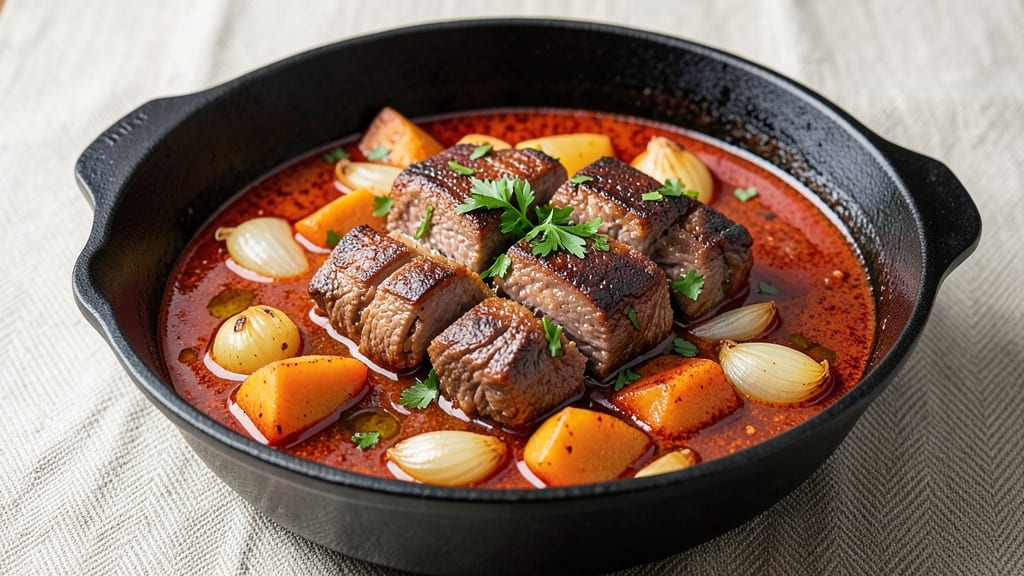
In Lidia’s Kitchen, her legendary beef and potato goulash recipe delivers the hearty, paprika-spiced richness that makes Hungarian cuisine unforgettable. This one-pot wonder transforms tough beef into tender, flavorful bites swimming in a deep, aromatic sauce—just like Nonna Lidia taught us.
The secret lies in slow simmering and layering spices, creating a dish that's both comforting and impressive.
What sets this goulash apart is its perfect balance of earthy paprika, sweet potatoes, and beef that practically melts in your mouth. We'll start with properly browning the beef for deep flavor, then build the sauce with onions, garlic, and tomatoes before adding potatoes and simmering until everything is tender.
The result? A dish that tastes like home, with rich layers of flavor developed over time.
By the end, you'll have a steaming pot of goulash with tender beef, perfectly cooked potatoes, and a sauce so flavorful it'll have everyone asking for seconds.
This is the kind of meal that feeds a crowd, warms the soul, and becomes an instant family favorite. Let's get started on creating this Hungarian classic.
The beauty of this recipe is its versatility—serve it with crusty bread to soak up every last bit of sauce, or pair it with a simple green salad for balance.
The flavors only get better the next day, making it perfect for meal prep or holiday gatherings. Here's how to make it just like Lidia's Kitchen would.
Ingredients for lidia's kitchen beef and potato goulash
Paprika, beef, potatoes—this is the classic combo that makes Lidia’s goulash unforgettable.
| Ingredient | Amount | Notes |
|---|---|---|
| Beef Chuck Roast 🥩 | 3 lb | Cut into 1.5-inch cubes |
| Yellow Onions 🧅 | 2 whole | Medium, sliced thin |
| Garlic Cloves 🧄 | 6 cloves | Minced, fresh preferred |
| Sweet Potatoes 🍠 | 2 lbs | Peeled, cut into chunks |
| Tomato Paste 🍅 | ½ cup | Smooth, not chunky |
| Hungarian Sweet Paprika 🌶️ | 3 tbsp | Not regular paprika |
| Beef Broth 💧 | 4 cups | Low-sodium preferred |
| Red Wine 🍷 | 1 cup | Dry, like Cabernet |
| All-Purpose Flour 🌾 | 2 tbsp | For thickening sauce |
| Bay Leaves 🍃 | 2 whole | Fresh if possible |
| Black Peppercorns 🌶️ | 1 tsp | Freshly cracked |
| Salt 🧂 | 1 ½ tsp | Kosher or sea salt |
| Olive Oil 🫒 | 2 tbsp | For browning beef |
| Fresh Thyme 🌿 | 1 tbsp | Leaves only, chopped |
| Parsley 🌿 | ¼ cup | Chopped, for garnish |
The beef makes or breaks this dish. Chuck roast is non-negotiable—it’s got the right fat-to-meat ratio for tender results. Grab a 3-pound roast from the butcher section, not the pre-cut beef counter. If you're buying a whole roast, ask for it to be cubed for you—saves time and ensures even cooking. For the paprika, Hungarian sweet paprika is a must. Regular paprika won’t give you that deep, earthy flavor Lidia’s recipe depends on. Penzeys or Kalustyan’s sell it, but most Latin markets carry it too.
No red wine? Substitute beef broth with a splash of balsamic vinegar—it’ll still taste rich. Running low on sweet potatoes? Russet potatoes work in a pinch, but they’ll absorb more liquid. Fresh thyme? Dried works at half the amount. The tomato paste can be the squeeze-tube kind from Trader Joe’s—it’s perfect for this recipe. For the onions, yellow or red both work, but yellow adds a touch of sweetness. The beef broth? Homemade is best, but even the low-sodium canned stuff will do in a pinch.
This goulash tastes even better the next day—make extra. Store leftovers in the fridge for 4-5 days or freeze for 3 months. I like to portion it into containers with a little sauce on top for easy reheating. The sauce thickens as it cools, so add a splash of broth if it’s too thick when reheating. Serve with crusty bread to soak up every last bit of that paprika-kissed goodness.
Why You'll Love This Recipe
- Foolproof Simplicity: I swear, this recipe’s the kind of thing you can start while scrolling through your phone. Dice the onions and garlic, brown the beef—no fancy technique, just sear until golden—and the slow cooker does the rest. No babysitting required.
- Sweet-Savory Magic: That tomato paste and sweet potatoes? Oh, it’s a game-changer. The deep, caramelized beef meets the earthy sweetness of the potatoes, and the garlic? It layers in like a warm hug. Honestly, I’ve made goulash before, but this one sticks with you.
- Weeknight to Potluck: Make it for Tuesday dinner or double the batch for a holiday gathering—it’s that adaptable. The rich, hearty flavors actually improve the next day, so it’s my go-to for meal prep. (Yes, even on a Tuesday night.)
- Budget-Friendly Feast: A chuck roast stretches for days, and sweet potatoes are cheaper than regular potatoes. I’ve fed six people for under $15, and everyone leaves happy. Plus, leftovers reheat like a dream—no dry, sad stew here.
Step-by-step instructions for Lidia's kitchen beef and potato goulash
Here's how to create a rich, paprika-kissed goulash that brings together tender beef and sweet potatoes in one flavorful pot.
Sear the Beef and Sauté the Aromatics
Heat the 2 tablespoons olive oil in a large Dutch oven over medium-high heat. Cut the 3 lb beef chuck roast into 1.5-inch cubes and pat them dry with paper towels. This step is crucial—dry meat browns better and creates deeper flavor. Working in batches, add the beef to the pot and sear for 3-4 minutes per side until deeply browned on all sides. You want those pieces to develop a rich crust.
Once the beef is browned, remove it from the pot and set it aside. In the same pot, add the 2 whole yellow onions sliced thin and the 6 cloves garlic cloves minced. Cook for 5-6 minutes until the onions turn translucent and the garlic becomes fragrant. Here's the thing—don't rush this part. The onions should soften and caramelize slightly, adding sweetness to the goulash. If they start to brown too quickly, reduce the heat slightly.
Build the Flavor Base
Reduce the heat to medium and stir in the 3 tablespoons Hungarian sweet paprika. Let it cook for 1 minute, stirring constantly, until the aroma fills your kitchen. This is where the magic happens—the paprika releases its deep, smoky flavor that will infuse the entire dish. Next, add the 0.5 cup tomato paste and stir to combine with the onions and garlic. Cook for another 2 minutes until the tomato paste darkens slightly and the mixture thickens.
Pour in the 1 cup red wine and scrape up any browned bits from the bottom of the pot. This deglazing step captures all the flavor you've built so far. Let the wine simmer for 3-4 minutes until it reduces by half. The alcohol will cook off, leaving behind concentrated flavor. Here's a pro tip: If you don't have red wine, you can substitute an extra ½ cup beef broth, but the wine adds a depth that's hard to replicate.
Simmer the Goulash
Return the browned beef to the pot. Add the 4 cups beef broth, 2 whole bay leaves, 1 teaspoon black peppercorns (cracked), 1.5 teaspoons salt, and 1 tablespoon fresh thyme. Stir everything together, bring to a boil, then reduce the heat to low. Cover the pot and let it simmer for 1 hour, stirring occasionally. This long simmer is essential—it breaks down the tough beef fibers, making them tender and juicy.
After 1 hour, add the 2 lbs sweet potatoes cut into chunks. Stir gently to submerge them in the sauce. Increase the heat to medium-low and simmer uncovered for another 45-60 minutes, until the sweet potatoes are fork-tender and the sauce has thickened to your liking. You'll know the sweet potatoes are done when they easily pierce with a fork and the edges start to soften. The sauce should coat the back of a spoon with a velvety consistency.
Thicken and Finish
In a small bowl, whisk together the 2 tablespoons all-purpose flour with 1 tablespoon cold water to create a slurry. Slowly stir this into the goulash, letting it simmer for 5-7 minutes until the sauce thickens slightly. This step ensures the goulash has a rich, velvety texture without being gluey. Taste and adjust the seasoning with more salt or pepper if needed. The dish should be rich, slightly sweet from the sweet potatoes, and deeply flavored from the paprika and beef.
Remove the 2 whole bay leaves and discard them. Ladle the goulash into bowls and garnish with the 0.25 cup chopped parsley. Serve immediately with crusty bread or over buttered egg noodles. The flavors will meld even more as it sits, so don't wait too long to enjoy this hearty, comforting dish. Real talk: This goulash tastes even better the next day, so consider making extra for leftovers.
Pro Tips For Making Lidia'S Kitchen Beef And Potato Goulash
- Sear the Chuck Hard: After burning three batches, I finally figured out that a deep, dark crust on the beef chuck is non-negotiable—this is where the flavor lives. Use a heavy pot or Dutch oven and let it sit undisturbed for 5-6 minutes until it’s got that stubborn, blackened crust. (Yes, even if you’re impatient like me.)
- Dice Those Potatoes: The recipe might call for chunks, but I swear by small, even dice—about ½-inch pieces—so they cook through without turning to mush. Sweet potatoes break down faster than regular spuds, so resist the urge to go big. (Your future self will thank you.)
- Bloom the Paste: Skip the crowding, and instead, cook the tomato paste in the pot for 2-3 minutes before adding liquids. This step deepens the flavor by caramelizing the sugars—it’s the thing that matters most when you’re simmering for hours. (No, you don’t need to stir constantly.)
- Deglaze with Wine First: I was skeptical until I tried it: splash in the wine immediately after searing the beef, then scrape every last bit of browned bits from the pot. That extra 30 seconds of scraping makes a real difference—it’s what turns a good goulash into a rich one. (Does it look weird? Yes. Does it work? Every single time.)
Essential equipment for lidia's kitchen beef and potato goulash
Dutch Oven Essentials
A 5-7 quart Dutch oven is non-negotiable for this goulash—it's the only pot that can handle the searing, simmering, and sauce-thickening without burning or sticking.
I swear by the Le Creuset Stoneware Dutch Oven (5.5 qt) for its even heat distribution and heavy construction, but a Lodge Cast Iron Dutch Oven is a budget-friendly alternative that works just as well. Preheat your Dutch oven for 5 minutes before adding oil to ensure proper searing. 🔥
Precision Thermometer
While goulash doesn't require precise temperature readings like sous vide, a meat thermometer helps ensure your beef reaches 195°F internal temperature for perfect tenderness. The ThermoWorks Smoke is my go-to—it's durable and accurate.
Insert the probe into the thickest piece of beef during the 1-hour simmer to monitor progress. This prevents overcooking while ensuring the meat breaks down properly.
Sharp Knife Set
Invest in a high-quality chef's knife (like the Wüsthof Classic 8-inch) and a boning knife for this recipe. You'll need to cut the 3 lb beef chuck roast into 1.5-inch cubes evenly for consistent cooking.
A dull knife makes this task frustrating—take the time to sharpen your blades before starting. The same goes for the 2 lbs sweet potatoes, which should be cut into 1-inch chunks for even cooking.
Deglazing Tools
After searing the beef, you'll need a wooden spoon or heat-resistant spatula to scrape up those flavorful browned bits from the Dutch oven. These bits, called fond, contain concentrated meaty flavor that forms the base of your goulash.
A silicone spatula works well too, but avoid metal when scraping—it can damage your Dutch oven's seasoning over time. Keep a small bowl nearby to collect these precious bits before adding wine.
Measuring Tools
Precision matters when measuring spices like Hungarian sweet paprika and tomato paste. Use a set of stainless steel measuring spoons for accuracy—those cheap plastic ones often overfill. For liquids like red wine and beef broth, a liquid measuring cup with clear markings ensures you don't over or under-measure.
I keep my OXO Good Grips set on hand—they're durable and easy to read. Don't skimp on measurements here; they directly impact flavor balance.
Optional Gadgets
While not essential, a mortar and pestle comes in handy for crushing black peppercorns fresh—this adds a subtle complexity to the dish. For those who love presentation, a slotted spoon helps remove bay leaves cleanly before serving.
And if you're making this goulash frequently, consider a food mill to achieve that classic Hungarian smooth sauce texture. The OXO Good Grips Food Mill does the job perfectly without breaking the bank. 💡
Nutrition facts
Frequently asked questions
Can I substitute regular paprika instead of Hungarian sweet paprika?
Regular paprika won't give you the same deep, earthy flavor that defines authentic goulash. Hungarian sweet paprika has a richer, slightly smoky profile that's essential for this recipe. If you absolutely must substitute, use a mix of smoked paprika (1 tbsp) and sweet paprika (2 tbsp) for a similar effect, but the flavor won't be identical.
How do I make this goulash in a slow cooker?
Transfer the browned beef, onions, garlic, paprika, and tomato paste to your slow cooker. Add all remaining ingredients and cook on low for 7-8 hours or high for 4-5 hours. The potatoes will absorb more liquid, so you may need to add ½ cup extra broth before serving. The sauce will be thinner but still delicious!
Why does my goulash taste bland?
Bland goulash usually means one of three things: under-seasoned meat, insufficient browning, or not enough simmering time. First, always sear beef until deeply browned. Second, taste the sauce before serving—add more salt, pepper, or even a pinch of sugar to balance flavors. Finally, never rush the simmering; the flavors develop over time.
Can I use regular potatoes instead of sweet potatoes?
Yes, but the texture and flavor will differ slightly. Russet or Yukon Gold potatoes work well—they'll absorb more liquid and become creamier. For best results, add them 15 minutes earlier than sweet potatoes and adjust seasoning since they're less sweet. The dish will still be delicious, just with a different character.
How far in advance can I prep this goulash?
You can prep everything up to the simmering step 2 days ahead and store it in the fridge. Reheat gently on the stove with a splash of broth to restore the sauce's consistency. For the full recipe, leftovers keep for 4-5 days in the fridge or 3 months in the freezer—just thaw overnight in the refrigerator.