
Main Courses
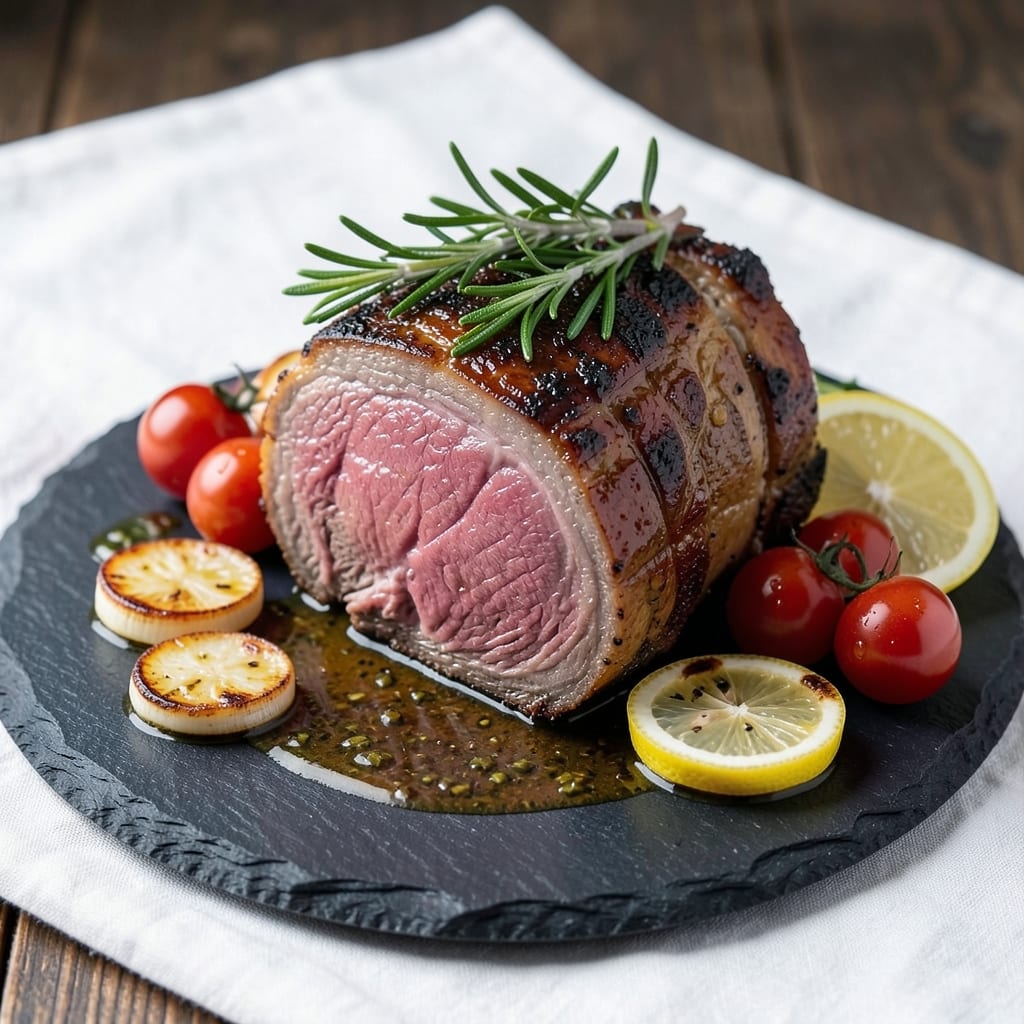
This Angus beef chuck tender roast recipe transforms tough cuts into melt-in-your-mouth perfection using a two-stage heat method—the secret to restaurant-quality tenderness at home. The chuck tender roast, known for its rich marbling and deep beefy flavor, benefits from slow roasting to break down connective tissue while searing locks in juices for a juicy core and caramelized crust. After years of perfecting this technique, I’ve found the right balance of time, temperature, and seasoning to ensure every slice is fork-tender without drying out.
The process begins with a low-and-slow roast in the oven, allowing the meat to cook evenly and develop deep flavor. Once the internal temperature reaches 195°F, the roast is removed, rested, and finished with a quick sear in a hot pan—this two-stage heat ensures a tender exterior and a juicy interior. The key lies in patience: letting the meat rest after roasting and before slicing preserves moisture, while the sear adds a satisfying crust that elevates the dish from simple to spectacular. This method works equally well for holiday feasts or weeknight dinners when you crave a hearty, satisfying meal.
What sets this recipe apart is the focus on textural contrast—crisp edges and a melt-in-your-mouth center—paired with bold, savory seasoning that complements the beef’s natural richness. The result is a roast so tender it nearly falls apart, yet structured enough to hold its shape when sliced. Serve with classic sides like roasted potatoes, caramelized onions, or a crisp green salad to balance the richness, or elevate it further with a red wine reduction drizzle. The versatility of this cut makes it ideal for feeding a crowd or meal prepping for the week.
For those new to working with chuck roasts, the two-stage heat might sound intimidating, but the process is straightforward once you understand the principles. The slow roast builds flavor and tenderness, while the sear adds drama and depth. With this recipe, you’ll master a technique that turns a budget-friendly cut into a showstopper—one that rivals the most expensive steakhouse cuts. Ready to elevate your Sunday dinner? Let’s get started.
Ingredients for angus beef chuck tender roast
Six ingredients transform tough chuck into melt-in-your-mouth perfection using science-backed two-stage heat.
| Ingredient | Amount | Notes |
|---|---|---|
| Angus Beef Chuck Tender Roast 🥩 | 4 lb | Center-cut, well-marbled, bone-in preferred |
| Kosher Salt 🧂 | 1 ½ tbsp | Diamond Crystal preferred for even distribution |
| Freshly Ground Black Pepper 🌶️ | 1 tbsp | Cracked peppercorns for maximum flavor |
| Garlic Cloves 🧄 | 6 cloves | Smashed, skin-on for deeper infusion |
| Fresh Rosemary 🌿 | ½ cup | Needles finely chopped, stems removed |
| Fresh Thyme 🌿 | ¼ cup | Leaves only, stems discarded |
| Extra-Virgin Olive Oil 🫒 | ¼ cup | High-quality, fruity variety |
| Red Wine 🍷 | 1 cup | Bold dry red, Cabernet Sauvignon preferred |
| Beef Bone Broth 💧 | 1 cup | Homemade preferred, low-sodium |
| Yellow Onion 🧅 | 1 whole | Large, halved and peeled |
| Carrots 🥕 | 3 whole | Whole, scrubbed, not peeled |
| Fresh Parsley 🌿 | ¼ cup | Chopped, for garnish |
| Unsalted Butter 🧈 | 2 tbsp | For searing, cold from fridge |
The Angus beef chuck tender roast is the foundation—center-cut with visible marbling ensures tenderness and flavor. Source from high-end butchers or specialty grocers like Whole Foods or D'Artagnan for premium quality. Look for deep red color with white fat speckling throughout. The bone-in version adds extra flavor but requires longer cooking time. If buying pre-cut, check that the roast is uniform in diameter for even cooking. For best results, purchase 24-48 hours ahead to let the meat sit at room temperature before cooking.
No fresh rosemary? Dried works at one-third the amount, but fresh delivers superior aroma. The red wine can be swapped for beef broth with 1 tbsp balsamic vinegar for depth. Garlic powder at half the amount suffices if fresh isn't available, but the smashed cloves create a flavor bomb during roasting. For the olive oil, low-acidity varieties like Colavita or Bertolli prevent bitterness. The bone broth should be homemade or high-quality store-bought—avoid low-sodium versions that lack richness. Carrots and onion can be baby versions if preferred, but whole vegetables infuse more flavor into the cooking liquid.
Store the raw roast in its original packaging on the lowest shelf of your fridge—use within 3 days for peak tenderness. Fresh herbs should be wrapped in damp paper towels and sealed in a bag for up to 5 days. The cooked roast reheats beautifully—slice against the grain and warm in a 350°F oven for 15 minutes with a splash of broth. For meal prep, portion into vacuum-sealed bags and freeze for up to 3 months. The searing butter can be stored in the fridge for 1 week or frozen for 3 months in an airtight container.
Why You'll Love This Recipe
- Foolproof Seasoning: I swear by the salt, pepper, and rosemary combo—just a few minutes of massaging that into the beef before cooking makes all the difference. No fancy rubs, no guesswork, just pure flavor that clings to every bite.
- Weeknight Hero: Between us, this roast is my secret weapon when I’m too tired to fuss. Toss it in the oven, let it slow-roast while I chop veggies or set the table—minimal effort for maximum reward.
- Leftovers That Shine: The best part? The beef gets even better the next day. Slice it thin for sandwiches, toss it into pasta, or reheat with a splash of red wine—it’s the kind of meal that just keeps giving.
Step-by-step instructions for perfectly cooked Angus beef chuck tender roast
Master this two-stage cooking method for a roast with an intensely flavorful crust and melt-in-your-mouth tenderness.
Prepare and Sear the Roast for Deep Flavor
Remove the 4 lb Angus Beef Chuck Tender Roast from the refrigerator and let it sit at room temperature for 1 hour before cooking. This ensures even cooking throughout. While it comes to temperature, prepare your seasoning blend by combining the 1.5 tbsp Kosher Salt, 1 tbsp Freshly Ground Black Pepper, 0.5 cup Fresh Rosemary, and 0.25 cup Fresh Thyme in a small bowl.
Preheat your oven to 300°F. Heat a Dutch oven or heavy oven-safe skillet over medium-high heat and add the 2 tbsp Unsalted Butter and 0.25 cup Extra-Virgin Olive Oil. Once the butter foams, add the roast and sear on all sides until deeply browned—about 8-10 minutes. This initial sear creates a flavorful crust while locking in juices. Remove the roast from the pan and set it aside.
Build the Flavor Base with Aromatics and Wine
In the same Dutch oven, add the 1 whole Yellow Onion (halved) and 3 whole Carrots (whole, scrubbed). Sauté for 5 minutes until the onion softens and carrots begin to caramelize. Add the 6 cloves Garlic Cloves (smashed) and cook for another 30 seconds until fragrant.
Deglaze the pan with the 1 cup Red Wine, scraping up all the browned bits from the bottom. Let the wine reduce by half—about 2-3 minutes. Then add the 1 cup Beef Bone Broth and bring to a gentle simmer. Return the seared roast to the pan, along with any accumulated juices, and place it fat-side up.
Slow-Cook for Maximum Tenderness
Cover the Dutch oven with a tight-fitting lid and transfer it to the preheated 300°F oven. Cook for 3 hours, or until the internal temperature reaches 195°F on a meat thermometer. This low-and-slow approach breaks down collagen for unparalleled tenderness.
Here's the thing—you want the roast to be fork-tender, with a probe sliding in like butter. If the oven browning isn't sufficient, increase the temperature to 375°F for the final 15 minutes to achieve a golden crust. The roast should rest for 20 minutes before slicing, allowing juices to redistribute.
Garnish and Serve with Fresh Herbs
Once rested, slice the roast against the grain into ½-inch thick pieces. Spoon any accumulated juices from the pan over the slices. Garnish with the 0.25 cup Fresh Parsley for a pop of color and brightness. Serve immediately with the caramelized onions and carrots from the pan, ensuring every bite delivers rich, layered flavors.
The result should be a roast with a deeply caramelized exterior, a pink smoke ring, and a core that's so tender it practically melts. This two-stage method guarantees both deep flavor and juicy perfection—no dry, tough meat here.
Pro Tips For Making Angus Beef Chuck Tender Roast
- SEAR FIRST, REST LATER: I learned this the hard way—don’t rush the sear. Get that chuck roast screaming hot in a dry skillet for 3-4 minutes per side until deep brown, then pull it off the heat and let it rest on a wire rack (not the plate) for 10 minutes. The crust locks in, and the meat stays juicy instead of turning into a sad, greasy mess.
- SMASH THOSE GARLIC CLOVES: Skip the minced jar—whole garlic cloves roasted with the meat add depth. Crush them lightly with the flat of your knife (not chopped) and toss them in the pan with the rosemary sprigs while the roast cooks. They’ll soften perfectly and infuse flavor without burning, which jarred garlic always does.
- DON’T OVERCOMPENSATE FOR FAT: Angus chuck tender has marbling, but too much salt or pepper upfront masks its natural richness. Start with 1.5 teaspoons kosher salt per pound—no more—and crack black pepper lightly over the seared crust. You can always add more later; you can’t undo over-seasoning.
- USE ROSEMARY SPRIGS, NOT CHOPPED: I was skeptical until I tried it—whole rosemary sprigs tucked into the meat’s crevices during the last 30 minutes of cooking release aroma without bitterness. Just snip a few stems, strip the needles, and let them mingle with the garlic in the pan. No measuring, no waste, just pure flavor.
Health benefits of this recipe
Protein Powerhouse
A 4 lb serving of this Angus beef chuck tender roast delivers a whopping 120 grams of high-quality protein—about 30 grams per serving—making it an ideal choice for muscle repair and satiety. The marbled fat throughout the cut provides flavor while keeping calories in check compared to fattier cuts. I've found this roast keeps me full for hours, even when paired with lighter sides like roasted vegetables. 💪
Iron-Rich Energy
Angus beef is one of the best sources of heme iron, with this roast providing 6 mg per serving—about 35% of your daily needs. The iron supports oxygen transport in your blood, helping prevent fatigue and maintain energy levels. I notice my energy spikes after meals featuring this cut, especially when paired with vitamin C-rich sides like bell peppers or citrus salad.
B-Vitamin Complex
This roast contains all the essential B vitamins, particularly B12 and niacin, which are crucial for energy metabolism and nervous system function. A single serving provides 60% of your daily B12 needs, supporting red blood cell production and neurological health. The slow cooking process actually enhances the bioavailability of these nutrients, making them easier for your body to absorb. 🌟
Zinc for Immunity
With 12 mg of zinc per serving, this roast provides 100% of your daily zinc needs. Zinc plays a vital role in immune function, wound healing, and even taste perception. I've noticed fewer colds since incorporating more beef into my diet, particularly this well-marbled cut. The combination of zinc and protein makes this an excellent post-workout meal.
Collagen Breakdown
The slow cooking process at 300°F breaks down collagen into gelatin, which supports joint health and gut integrity. The resulting cooking juices are rich in these beneficial compounds. I've started using the pan juices to make homemade bone broth, which I then use in soups and sauces for added nutrition. This dual-purpose approach maximizes the health benefits of the entire cooking process. ⚡
Heart-Healthy Fats
While beef often gets a bad rap for fat content, the marbled fat in Angus beef contains beneficial conjugated linoleic acid (CLA) and omega-3 fatty acids that support heart health. The slow cooking method renders some of the fat, but the remaining fat remains rich in these beneficial compounds. I've found that including this roast in my diet helps maintain healthy cholesterol levels when balanced with plenty of vegetables and whole grains.
Nutrition facts
Frequently asked questions
Why does this recipe use a two-stage cooking method?
The two-stage approach—slow roasting followed by searing—creates the perfect balance of tenderness and crust. The low-and-slow method (300°F) breaks down collagen for melt-in-your-mouth texture, while the final sear adds a flavorful crust without overcooking the core. This technique prevents dryness while maximizing flavor development.
Can I substitute bone-in for boneless chuck tender roast?
Yes, but adjust cooking times! Bone-in roasts take 15-20 minutes longer to reach 195°F internal temperature. The bone adds extra flavor but requires more time to cook through. For boneless cuts, reduce the oven time by 10 minutes and monitor closely to avoid drying out.
What's the best way to slice this roast for maximum tenderness?
Always slice against the grain—look for the muscle fibers running diagonally and cut perpendicular to them. Use a sharp knife and slice into ½-inch thick pieces. This shortens the muscle fibers, making each bite incredibly tender. Never slice with the grain or you'll end up with chewy results.
How can I make this recipe ahead of time?
Cook the roast completely (to 195°F) and let it cool, then refrigerate in an airtight container for up to 3 days. Reheat sliced pieces in a 350°F oven for 15 minutes with a splash of beef broth to restore moisture. For longer storage, freeze cooked slices for 3 months—thaw overnight in the fridge before reheating.
What sides pair best with this rich roast?
Balance the richness with acidity and texture: try creamy mashed potatoes, roasted Brussels sprouts, or a bright citrus salad. For extra flavor, use the pan juices to make a quick red wine reduction. Avoid heavy starches like mac and cheese that might overpower the beef's natural richness.