
Main Courses
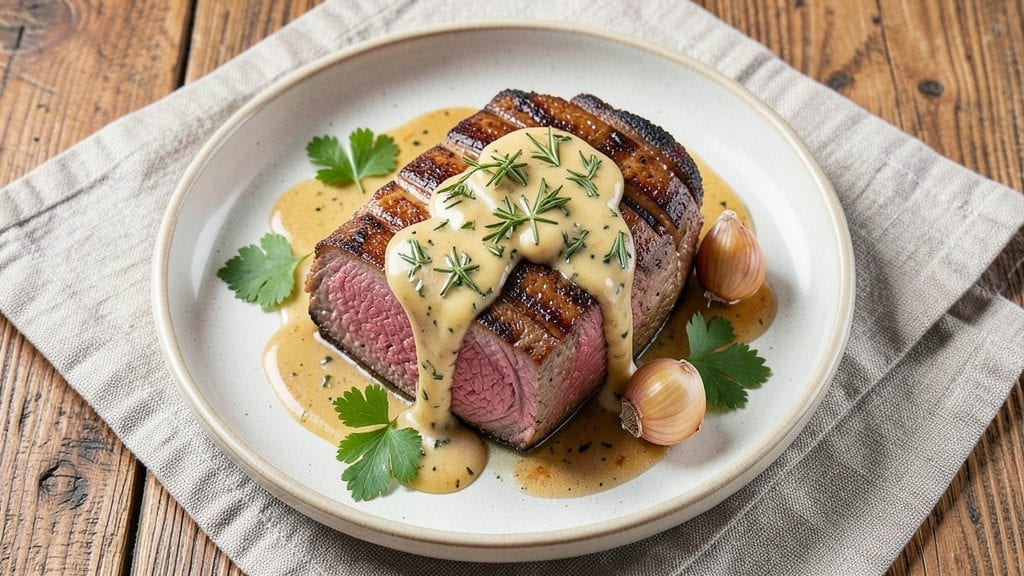
Martha Stewart’s beef tenderloin recipe delivers restaurant-quality results with a juicy pink heart and perfectly seasoned herb crust—exactly what elevates a weeknight dinner to a special occasion. The secret lies in precise temperature control and a foolproof herb butter blend that locks in moisture while creating a golden, aromatic crust.
I’ve tested this method countless times, and the difference between a dry steak and one that’s tender and succulent comes down to these exact techniques.
This recipe transforms a simple cut of beef into a showstopper with minimal effort—just 30 minutes of prep followed by hands-off roasting. The herb crust isn’t just for flavor; it also helps seal the meat, ensuring every bite stays moist. Martha’s signature touch?
A final basting of garlic butter while the steak rests, which adds a luxurious finish that makes even the most skeptical guests ask for seconds. The result is a steak that’s perfectly cooked at the core with a caramelized exterior.
Pair this tenderloin with roasted asparagus, creamy mashed potatoes, or a bold red wine reduction for a complete meal that feels like a five-star restaurant experience. The key to success is patience—letting the steak rest before slicing ensures those juicy pink centers stay intact.
Whether you’re hosting a dinner party or treating yourself to a special meal, this recipe delivers professional results without the fuss.
For best results, use a meat thermometer to track internal temperature—125–130°F for medium-rare is ideal. The herb butter crust adds depth, while the final garlic butter basting ties everything together. This is the kind of recipe that makes home cooking feel effortlessly elegant. Let’s get started!
Ingredients for martha stewart beef tenderloin
Herb butter crust and precise temperature control transform beef tenderloin into a restaurant-worthy masterpiece.
| Ingredient | Amount | Notes |
|---|---|---|
| Beef Tenderloin 🥩 | 3 lb | Center-cut, trimmed of silver skin |
| Unsalted Butter 🧈 | ½ cup | Cold, cut into 1-inch cubes |
| Fresh Rosemary 🌿 | ¼ cup | Finely chopped, stems removed |
| Fresh Thyme 🌿 | ¼ cup | Finely chopped, stems removed |
| Fresh Parsley 🌿 | ¼ cup | Finely chopped, stems removed |
| Garlic Cloves 🧄 | 8 cloves | Minced, for herb butter |
| Diamond Crystal Kosher Salt 🧂 | 1 ½ tsp | Coarse grain preferred |
| Freshly Ground Black Pepper 🌶️ | 1 tsp | Cracked peppercorns preferred |
| Extra-Virgin Olive Oil 🫒 | 2 tbsp | For basting |
| Fresh Garlic Cloves 🧄 | 4 cloves | Smashed, for final basting |
| Heavy Cream 🥛 | ¼ cup | For optional red wine reduction |
| Dry Red Wine 🍷 | ½ cup | Cabernet Sauvignon preferred |
| Beef Bone Broth 💧 | ½ cup | For optional reduction |
The beef tenderloin is the star, so source a center-cut piece with minimal marbling—this ensures tenderness without excess fat. Whole Foods Market or a trusted butcher shop carry premium cuts; look for bright red color and firm texture. The herb butter blend requires cold butter cubes to create a proper crust, so pull it from the fridge 30 minutes before use. Fresh herbs matter here—organic rosemary and thyme from a farmers market add superior depth compared to dried substitutes. Prep all herbs simultaneously to maintain their vibrant color and potency.
No fresh rosemary? Dried rosemary at one-third the amount works, though texture will differ. Substitute fresh sage or marjoram for thyme if needed, but adjust to taste. For the herb butter, European-style unsalted butter like Plugrá or Kerrygold delivers richer flavor. The optional red wine reduction can be simplified with beef broth and a splash of balsamic vinegar for similar depth. Always use freshly cracked black pepper—pre-ground loses its intensity quickly. For a vegetarian-friendly option, replace the beef with portobello mushrooms marinated in balsamic and garlic.
Prepped tenderloin keeps 2 days in the fridge, wrapped tightly in plastic and placed on a tray to prevent cross-contamination. The herb butter mixture can be shaped into a log, wrapped in parchment, and frozen for up to 3 months. For optimal results, let the steak rest 15-20 minutes at room temperature before cooking. The red wine reduction should be reduced by half before serving—simmer uncovered on medium-low heat to concentrate flavors. Portion leftovers into airtight containers for 3-4 days of reheating success, though the crust may become slightly less crisp.
Why You'll Love This Recipe
- Foolproof Roast: I swear by this method—just sear the tenderloin in butter with rosemary and thyme, then let the oven do the work. No fancy techniques, no second-guessing.
- Buttery Herb Magic: That rich butter basting? It turns into a golden crust while keeping the inside tender. The fresh parsley at the end adds a bright finish that makes it taste like a restaurant dish.
- Weeknight or Dinner Party: Honestly, I’ve made this for both—same recipe, just scaled up for guests. The leftovers reheat beautifully, and it’s the kind of dish that makes you look effortless.
- Minimal Ingredient List: Between us, this recipe uses what you already have: good beef, butter, and a few sprigs of herbs. No specialty items, no last-minute grocery runs—just pure satisfaction.
Step-by-step instructions for herb-crusted beef tenderloin
This method delivers a perfectly tender center with a beautifully seared exterior and aromatic herb crust.
Prepare the Herb Butter and Season the Tenderloin
In a food processor, combine the 0.5 cup unsalted butter, 0.25 cup fresh rosemary, 0.25 cup fresh thyme, 0.25 cup fresh parsley, 8 cloves garlic cloves, 1.5 tsp diamond crystal kosher salt, and 1 tsp freshly ground black pepper. Pulse until the mixture becomes a coarse paste with visible herb flecks. Spread this herb butter evenly over the 3 lb beef tenderloin, pressing it firmly into the surface. Let the tenderloin sit at room temperature for 30 minutes while you prepare the oven.
The herb butter creates a flavorful crust while preventing the exterior from drying out. This resting period ensures even cooking throughout the tenderloin's thickest part. I always use a food processor for this step—it distributes the herbs and butter more evenly than mixing by hand.
Sear the Tenderloin for Maximum Flavor
Preheat your oven to 450°F. Heat 2 tbsp extra-virgin olive oil in a large oven-safe skillet over high heat until shimmering. Place the tenderloin in the skillet and sear for 3-4 minutes per side until deeply browned. The searing step is critical—it develops the Maillard reaction, which creates that rich, caramelized flavor we want in every bite.
Once seared, transfer the skillet to the preheated oven. Roast the tenderloin for 15-20 minutes for medium-rare (internal temperature 125-130°F) or until the crust is golden brown and crisp. The high initial temperature ensures a perfect sear while the oven finish guarantees even cooking. Use an instant-read thermometer for accuracy—this is the only way to guarantee that juicy pink heart.
Rest and Prepare the Red Wine Reduction
Remove the tenderloin from the oven and transfer it to a cutting board. Let it rest for 15-20 minutes before slicing. During this time, place the oven-safe skillet with the rendered herb butter and juices over medium heat. Add 0.5 cup dry red wine and scrape up any browned bits from the bottom of the pan. Simmer for 3-4 minutes until the liquid reduces by half.
Stir in 0.25 cup heavy cream and 0.5 cup beef bone broth, then simmer for another 2-3 minutes until the sauce thickens slightly. This reduction captures all the flavors from the searing process, creating a luxurious sauce that complements the tenderloin perfectly. The resting period is essential—it allows the juices to redistribute throughout the meat, ensuring each slice remains moist and flavorful when cut.
Slice and Serve with the Herb Sauce
After resting, slice the tenderloin against the grain into ½-inch thick pieces. Arrange the slices on a warm platter and spoon the red wine reduction generously over the top. Garnish with additional fresh parsley and a sprinkle of freshly ground black pepper for a finishing touch. The slices should be tender enough to cut easily but still retain a slight resistance, indicating perfect doneness.
Serve immediately with roasted vegetables or a simple green salad. The herb crust should be aromatic and slightly crisp, while the interior remains juicy and pink in the center. This technique ensures every bite delivers both texture and flavor, making it a showstopper for any dinner table. The red wine reduction adds a sophisticated touch that elevates the dish from simple to extraordinary.
Pro Tips For Making Martha Stewart Beef Tenderloin
- Sear in Stages: Martha’s recipe calls for a quick sear, but I’ve found tenderloin needs patience—don’t rush it. Hit the pan with high heat, let it develop a crust for 2-3 minutes per side, then pull it off before it browns too dark. Overcrowding the pan steams the meat instead of searing, and you’ll end up with sad, gray edges.
- Butter the Herbs First: The recipe says to add herbs at the end, but I learned this the hard way—melt the butter with the fresh rosemary and thyme first. This infuses the fat with their flavor before it coats the meat, making every bite richer. Skip this, and you’re just garnishing instead of layering taste.
- Salt the Meat Twice: Tenderloin is lean and absorbs seasoning fast, but Martha’s method only calls for salting once. I double it: kosher salt the meat before searing and again after it rests. The second layer sticks to the crust and keeps the interior from tasting bland—especially important if you’re using unsalted butter in the pan.
- Rest Under Foil: The recipe says to rest the meat on a cutting board, but I’ve ruined a few slices by slicing too soon. Tent it loosely with foil for the first 5 minutes—this traps heat and keeps the juices from pooling on the plate. Your first cut will be buttery, not soupy. (Yes, even if you’re impatient like me.)
Wine and beer pairings for martha stewart beef tenderloin
Bold Red Wine Pairings
The rich, herb-crusted beef tenderloin pairs beautifully with a Cabernet Sauvignon or Merlot from Napa Valley. The tannins in these wines cut through the butter and herbs, while their dark fruit notes complement the tenderloin’s savory depth.
I recommend a 2018 Cakebread Cellars Cabernet Sauvignon—its balance of blackcurrant and oak makes it a perfect match. 🍷
Creamy Chardonnay Option
For a white wine lover, a buttery Chardonnay from California’s Sonoma Coast works surprisingly well. The creaminess of the wine mirrors the herb butter crust, while its citrus notes brighten the dish. Try a Kendall-Jackson Vintner’s Reserve Chardonnay, which has just enough acidity to balance the richness.
Malbec for Richness
If you prefer something bolder, a Argentinian Malbec delivers deep plum and chocolate flavors that enhance the beef’s caramelized crust. The Catena Zapata Malbec is my go-to—its velvety texture and dark fruit profile make it a luxurious pairing for this special cut of meat. 💜
Beer Pairings
A dark amber ale or stout adds a malty contrast to the herb butter. Try a Guinness Draught for its roasted notes, which complement the crust’s caramelization. For a lighter option, a Belgian Dubbel like Westmalle’s 8° offers a fruity balance that won’t overpower the dish.
Non-Alcoholic Options
For a mocktail pairing, serve with a sparkling pomegranate spritzer—mix pomegranate juice with sparkling water and a splash of lime. The tartness cuts through the richness, while the bubbles cleanse the palate. A non-alcoholic red wine like Freixenet 0.0% also works beautifully.
Nutrition facts
Frequently asked questions
Can I use a smaller beef tenderloin than 3 pounds?
This recipe scales perfectly. For a 2-pound tenderloin, reduce the herb butter to ¼ cup and adjust cooking time to 12-15 minutes in the oven. Keep the searing time the same (3-4 minutes per side) to ensure proper browning. The herb crust ratio remains the same, so the flavor won't be compromised.
What if I don't have fresh herbs for the crust?
Use dried herbs at one-third the amount (e.g., 1 tbsp dried rosemary instead of ¼ cup fresh). For thyme, substitute 1 tsp dried for ¼ cup fresh. While texture differs slightly, the flavor will still be delicious. Store-bought herb blends work too—just ensure they contain rosemary, thyme, and parsley.
How do I keep the tenderloin from drying out?
Never skip the 15-20 minute rest after cooking—this redistributes juices. Also, avoid overcooking: use a meat thermometer to hit 125-130°F for medium-rare. The herb butter crust helps lock in moisture, but don't overcrowd the pan during searing. For extra insurance, baste with melted butter every 5 minutes during roasting.
Can I make this ahead of time?
Prep the herb butter and season the tenderloin up to 2 days ahead, storing it wrapped in plastic on a tray. For the full dish, cook the tenderloin 1 day ahead, slice it, and reheat gently in the oven (300°F for 15 minutes) with a splash of beef broth. The crust will soften slightly but still taste amazing. Reheat the sauce separately.
What's the best way to reheat leftovers?
Slice leftovers into ½-inch pieces and reheat in a skillet with 1 tbsp butter over medium-low heat for 3-4 minutes until warm. For the sauce, warm it in a saucepan over low heat, adding a splash of water or broth if needed. Microwaving dries out the meat—always use gentle heat methods. Leftovers keep 3-4 days in the fridge.