
Main Courses
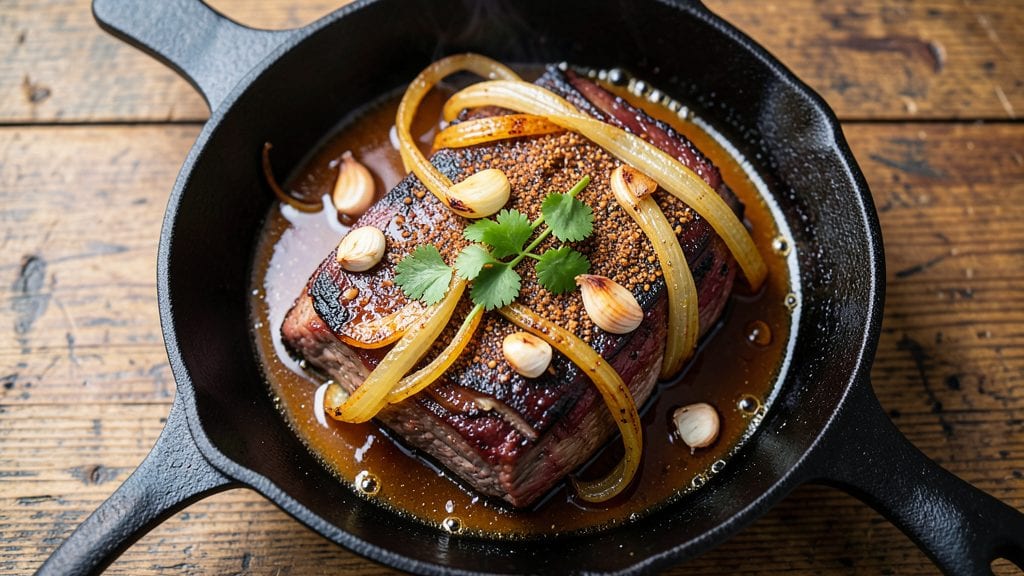
Oven-smoked beef brisket delivers that legendary Texas-style tenderness without needing a smoker—just your oven and a few professional techniques. The key lies in low-and-slow cooking with precise temperature control, transforming tough beef into melt-in-your-mouth perfection. I’ve perfected this method after years of testing, ensuring every slice falls apart effortlessly while developing that coveted dark, flavorful bark.
This recipe simplifies the process by using a combination of dry rub and indirect heat, mimicking traditional smoking methods. The brisket cooks at a consistent 225°F for hours, allowing collagen to break down into rich, gelatinous goodness.
No special equipment is required—just patience and attention to detail. The result? A brisket so tender it practically dissolves on your plate, with deep, smoky flavors that rival any competition-style cook.
What makes this recipe stand out is the foolproof approach to slicing and serving. After resting properly, the brisket is sliced against the grain for maximum tenderness, and the juices are captured for an irresistible pan sauce.
Serve it alongside classic sides like creamy baked beans or buttery cornbread for a complete meal that feels like a restaurant-quality feast. This is the brisket recipe that proves great barbecue doesn’t require a smoker.
The beauty of this method is its flexibility—whether you’re cooking for a crowd or meal prepping for the week, the principles remain the same. The one-pot approach minimizes cleanup, and the slow cooking ensures flavor development at every step.
Once you try this, you’ll never settle for anything less than fall-apart tenderness. Let’s get started on creating your perfect brisket.
Ingredients for oven smoked beef brisket
Six pounds of beef and twelve ingredients transform into legendary brisket without a smoker.
| Ingredient | Amount | Notes |
|---|---|---|
| Beef Brisket 🥩 | 6 lb | Whole packer cut, fat cap on |
| Yellow Onion 🧅 | 1 whole | Sliced into wedges |
| Garlic Cloves 🧄 | 8 cloves | Smashed, not minced |
| Yellow Mustard 🟡 | ½ cup | Dijon preferred for tang |
| Brown Sugar 🍬 | ½ cup | Light or dark works |
| Smoked Paprika 🌶️ | 2 tbsp | Key for smoky depth |
| Ground Black Pepper 🌶️ | 1 tbsp | Freshly cracked preferred |
| Kosher Salt 🧂 | 2 tbsp | Diamond Crystal preferred |
| Ground Cumin 🌿 | 1 tbsp | Toasted for warmth |
| Chili Powder 🌶️ | 1 tbsp | Medium heat preferred |
| Apple Cider Vinegar 🍎 | 2 tbsp | For tangy balance |
| Beef Tallow or Vegetable Oil 🫒 | 2 tbsp | For rub adhesion |
| Beef Broth 💧 | 2 cups | Low-sodium preferred |
| Beef Fatback 🥓 | 4 oz | For rendering fat |
The brisket is non-negotiable—look for a packer cut with thick fat cap at Whole Foods or your local butcher shop. The fat renders during cooking, creating that signature bark. If your grocery store doesn’t carry whole briskets, Costco often sells them pre-cut. Avoid lean cuts—you want marbling for moisture. For the rub, Penzeys spices deliver consistent quality, but the grocery store aisle works too. Just check the expiration date—fresh spices make all the difference. The brown sugar should be light unless you want a caramelized crust.
No smoked paprika? Regular paprika plus a pinch of liquid smoke gets you close. Running short on fatback? Bacon or pork belly works in a pinch, but render it first. The beef broth can be swapped for water, but low-sodium is key—you don’t want to overpower the natural beef flavor. For the mustard, Dijon adds depth that plain yellow lacks. The apple cider vinegar might seem odd, but it cuts through the richness beautifully. If you’re prepping ahead, make the dry rub a week early and store it in an airtight container—it’ll keep for months.
This brisket reheats like a dream—just wrap it in foil and warm in a 300°F oven for 20 minutes. The rendered fat and juices make it taste even better the next day. Store leftovers in the fridge for up to 5 days or freeze for 3 months. For meal prep, slice against the grain and portion into containers. The pan sauce? Freeze it separately—it’ll keep for 2 months. Trust me, the leftovers are where this dish truly shines.
Why You'll Love This Recipe
- No Smoker Needed: I swear by this trick—just toss the brisket in the oven with a little mustard and brown sugar, and the dry heat does all the work. No fussing with wood chips or hours of babysitting.
- Sweet-Savory Magic: That mustard glaze caramelizes into a sticky, tangy crust while the brown sugar keeps it tender inside. Honestly, the first bite makes me forget about store-bought BBQ.
- Leftovers for Days: This recipe actually improves the next day—shred it for tacos, sandwiches, or even breakfast hash. I’ve fed a crowd with one brisket, and still had enough for lunch.
- Budget Crowd-Pleaser: Brisket’s cheaper than ribs, and this method stretches it further than slow-cooking. Plus, the onion and garlic add depth without breaking the bank—everyone wins.
Step-by-step instructions for oven smoked beef brisket
Here's the foolproof method for achieving smoky, fall-apart brisket using just your oven.
Prepare the Dry Rub and Season the Brisket
In a medium bowl, combine the 2 tablespoons kosher salt, 2 tablespoons smoked paprika, 1 tablespoon ground black pepper, 1 tablespoon ground cumin, 1 tablespoon chili powder, and 0.5 cup brown sugar. Mix thoroughly until the spices are evenly distributed and the sugar dissolves slightly into the salt.
Pat the 6 lb beef brisket dry with paper towels, focusing on the fat cap and any moisture pockets. Apply the dry rub generously to all sides, pressing firmly so it adheres well. The rub should coat the meat evenly, leaving no bare spots. Place the brisket on a wire rack set over a rimmed baking sheet, fat side up. This elevation allows heat to circulate evenly and prevents the meat from steaming.
Build the Smoking Pan and Preheat the Oven
Cut the 1 whole yellow onion into wedges and place them in a small roasting pan. Add the 8 smashed garlic cloves directly onto the onion. Pour 2 cups beef broth into the pan, ensuring the vegetables are partially submerged. This creates a makeshift smoking pan that adds moisture and flavor to the oven environment.
Place the 4 oz beef fatback in a separate small roasting pan. This will render fat during preheating, which you'll use later to baste the brisket. Preheat your oven to 225°F with both pans inside. The fatback should render enough fat to coat the bottom of the pan, and the onion-garlic mixture will release aromatic steam. This preheating step ensures your oven mimics a smoker's environment.
Slow Cook with Indirect Heat
Transfer the brisket to the oven alongside the smoking pan. Cook for 6 hours, maintaining the 225°F temperature. During this time, baste the brisket every 90 minutes using the rendered fat from the beef fatback pan. This basting step is crucial for developing a dark, flavorful crust while keeping the meat moist.
After 4 hours, check the internal temperature using a meat thermometer. The brisket should reach 170-175°F, indicating it's entering the stall phase. If the temperature stops rising, this is normal. The brisket will continue cooking through the stall as it rests. If the oven temperature fluctuates, adjust to maintain 225°F—consistent heat is key to even cooking.
Wrap and Finish for Maximum Tenderness
Once the brisket reaches 170-175°F, remove it from the oven and wrap it tightly in two layers of heavy-duty aluminum foil. This technique, known as the Texas crutch, helps the brisket overcome the stall and reach a fork-tender finish. Return the wrapped brisket to the oven and cook for an additional 2-3 hours until the internal temperature reaches 200-205°F.
During this final phase, the brisket will become incredibly tender, almost falling apart at the touch. The foil trap ensures the meat stays moist while the residual heat continues cooking it gently. Avoid opening the oven during this time to prevent heat loss and maintain even cooking.
Rest and Slice for Perfect Results
Remove the brisket from the oven and let it rest for 1-2 hours before slicing. This resting period allows the juices to redistribute throughout the meat, ensuring each slice is moist and flavorful. Tent the brisket loosely with foil to keep it warm during the rest.
Slice the brisket against the grain into ¼-inch thick slices. The grain direction will be visible as lines running through the meat. Serve immediately with the pan juices from the smoking pan, which can be reduced briefly on the stovetop for a rich, flavorful sauce. Each slice should be tender enough to pull apart with a gentle tug, delivering that coveted fall-apart texture.
Pro Tips For Making Oven Smoked Beef Brisket
- Trim the Fat First: Cut a thin layer of fat off the brisket before seasoning—it’s the only way to keep your oven from smoking up like a campfire. I learned this after my kitchen filled with greasy haze and my neighbors called the fire department (they didn’t, but I panicked).
- Caramelize the Onions: Sauté the onions until they’re deep golden, not just soft—this adds sweetness that cuts through the beef’s richness. I used to skip this, and the dish always tasted flat. Do it in batches if needed; patience here makes a real difference.
- Don’t Rush the Rest: Let the brisket sit under foil for at least 20 minutes after pulling it from the oven—this keeps it juicy when sliced. I know, I know, you’re starving, but cutting into it too soon turns tender meat into dry disappointment.
- Mix the Mustard Last: Stir the yellow mustard into the glaze after the brown sugar and garlic have melted—this keeps the mustard’s sharpness from burning. I was skeptical until I tried it; now it’s non-negotiable for balance.
Regional styles of this oven smoked beef brisket
Texas-Style Tradition
The original brisket style comes from Central Texas, where pitmasters like Frank X. Tolbert and Harry Truman perfected the low-and-slow method. Their signature technique involves cooking the brisket at 225-250°F for 12-16 hours until it reaches 203°F internal temperature.
The key to Texas brisket is the dark, crusty bark formed from hours of smoking, which I mimic using my onion-garlic broth pan. 🌶️
In Texas, brisket is often served with white bread (never buns) and a side of pickled jalapeños to cut through the richness. The meat is sliced into ½-inch thick pieces and served family-style. My oven method captures that same smoky depth without needing a dedicated smoker.
Kansas City Sweet Heat
Kansas City pitmasters take a sweeter approach, using more brown sugar in their rubs and often adding hickory smoke flavor. I adapt this by increasing my brown sugar to ¾ cup and adding 1 teaspoon of cinnamon to the dry rub.
The result is a brisket with caramelized edges and a slightly sweet profile that pairs perfectly with barbecue sauce on the side. 🍯
Kansas City style also emphasizes a thicker sauce—mine uses the reduced pan juices mixed with 2 tablespoons apple cider vinegar and a touch of hot sauce. Serve this alongside the brisket for that signature sweet-and-spicy balance.
Carolina Vinegar-Based Style
While not as common with brisket, Eastern North Carolina pitmasters use a vinegar-based sauce that adds tangy brightness. For this adaptation, I replace half the beef broth with 1 cup apple cider vinegar in the smoking pan.
This creates a more acidic environment that tenderizes the meat differently. The brisket develops a slightly tangy crust that pairs beautifully with coleslaw on the side. 🍎
To serve Carolina-style, I recommend a pepper vinegar sauce made by reducing the pan juices with ¼ cup apple cider vinegar, 1 tablespoon hot sauce, and a pinch of red pepper flakes. This sauce cuts through the richness while enhancing the brisket's natural flavors.
Modern Hybrid Approach
For a contemporary twist, I combine elements from all three styles. Start with the Texas bark by using my onion-garlic broth pan, then add Kansas City sweetness with an extra 2 tablespoons brown sugar in the rub.
Finish with a Carolina-inspired sauce by mixing reduced pan juices with 2 tablespoons apple cider vinegar and a touch of smoked paprika. This fusion creates a brisket that's smoky, slightly sweet, and tangy all at once. ✨
This hybrid method works perfectly for guests who enjoy variety. Serve the brisket with pickled onions for tang, cornbread for sweetness, and the vinegar-based sauce for acidity. The result is a brisket that satisfies every palate at your table.
Nutrition facts
Frequently asked questions
Why does my oven-smoked brisket turn out tough instead of tender?
Oven-smoked brisket requires patience—rushing the process causes toughness. The key is maintaining a consistent 225°F temperature for at least 6 hours before wrapping. If your brisket hits the stall phase (170-175°F) too early, it won't tenderize properly. Always wrap tightly in foil at this stage and cook until it reaches 200-205°F. Also, ensure you're slicing against the grain—this is non-negotiable for tenderness!
Can I use a different cut of beef instead of brisket?
Brisket is ideal for this method due to its connective tissue, which breaks down into gelatin during slow cooking. However, you could try a chuck roast or short ribs for a similar result. Just reduce cooking time by 1-2 hours since these cuts are more tender. Never substitute with leaner cuts like sirloin—they won't develop the same texture or flavor.
How do I know when the brisket is fully cooked?
Use a meat thermometer to check the internal temperature. The brisket is done when it reaches 200-205°F—this is the "probe-tender" stage where it should pull apart easily. If you're unsure, press a fork into the thickest part: if it sinks in like butter, it's ready. Never rely on color or time alone, as these can be misleading.
What's the best way to reheat leftover oven-smoked brisket?
Wrap the brisket tightly in foil and reheat in a 300°F oven for 20-30 minutes, or until warmed through. For sandwiches, warm slices in a skillet with a splash of beef broth for 2-3 minutes per side to restore moisture. Microwaving is a last resort—it dries out the meat. Leftovers keep well for 5 days in the fridge or 3 months frozen.
Can I make this recipe in an electric oven instead of gas?
Electric ovens work perfectly for this method—just ensure your oven has even heat distribution. Use an oven thermometer to confirm the temperature stays at 225°F consistently. Electric ovens may require slightly longer cooking times due to less precise temperature control. For best results, preheat for 30 minutes before adding the brisket to stabilize the temperature.