
Main Courses
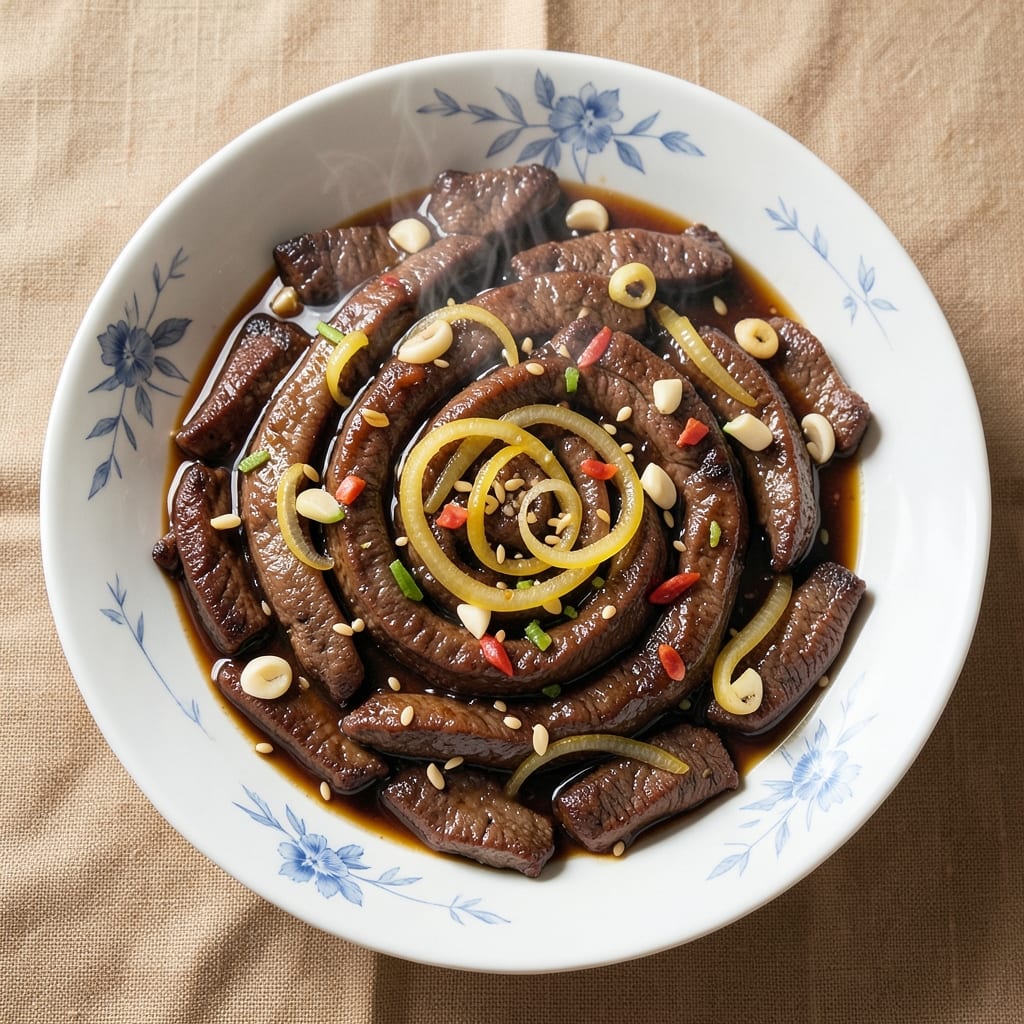
This Panda Express Mongolian beef recipe delivers restaurant-quality wok-tossed beef with that signature sweet-savory sauce in just 20 minutes. After years of takeout cravings, I finally cracked the code for recreating the perfect balance of tender beef, crispy onions, and sticky glaze at home. The key lies in properly slicing the beef against the grain and mastering the sauce reduction.
What makes this recipe work is the combination of thinly sliced beef (stripped against the grain) and a homemade sauce that mimics Panda Express's signature blend of soy sauce, brown sugar, and ginger. I've streamlined the process without sacrificing authenticity—no special equipment needed, just a hot skillet and proper technique. The beef cooks quickly while developing that signature caramelized crust.
By the time you're done, you'll have perfectly tender beef with crispy edges, sweet-savory sauce clinging to every piece, and those essential crispy fried onions on top. The aroma alone will have everyone gathering around the table. This is the kind of weeknight dinner that tastes like a restaurant favorite without the wait.
Serve it over steamed rice with steamed broccoli for the full Panda Express experience, or customize with your favorite stir-fry vegetables. The recipe scales beautifully for feeding a crowd or meal prepping for the week. Let's get cooking!
Ingredients for panda express mongolian beef
Thinly sliced beef, crispy onions, and a sticky-sweet sauce—here's how to recreate Panda Express's signature Mongolian beef at home.
| Ingredient | Amount | Notes |
|---|---|---|
| Flank Steak 🥩 | 1 ½ lb | Thinly sliced against grain |
| Yellow Onions 🧅 | 1 whole | Thinly sliced for crispy texture |
| Fresh Garlic Cloves 🧄 | 4 cloves | Minced for aromatic base |
| Fresh Ginger 🌿 | 1 tbsp | Grated, finely for heat |
| Soy Sauce 🥢 | ½ cup | High-quality, low-sodium preferred |
| Brown Sugar 🍚 | ¼ cup | Packed, for caramelized sauce |
| Rice Vinegar 🍶 | 2 tbsp | White or seasoned variety |
| Sesame Oil 🫒 | 1 tbsp | Toasted, for aroma |
| Vegetable Oil 🫒 | 2 tbsp | High smoke point for frying |
| Cornstarch 🌾 | 1 tbsp | For crispy fried onions |
| Green Onions 🧅 | 3 whole | Sliced, for garnish |
| Salt 🧂 | 1 tsp | Kosher or sea salt |
| Black Pepper 🌶️ | ½ tsp | Freshly ground for heat |
| White Pepper 🌶️ | ¼ tsp | For subtle depth |
| Steamed White Rice 🍚 | 2 cups | Cooked, for serving |
The beef is non-negotiable here. Flank steak is my go-to—it's lean, affordable, and slices beautifully against the grain. If you can't find flank, sirloin or skirt steak work too, but avoid ribeye or tenderloin (they're too tender). Grab it from the butcher counter if possible—they'll slice it for you. Look for good marbling, but don't worry if it's not perfect. The key is slicing thinly (about 1/8-inch) and cutting perpendicular to the grain fibers. If you're nervous about slicing, freeze the meat for 30 minutes first—it'll be easier to handle. For the onions, yellow onions give the best flavor, but white onions work in a pinch. Thinly slice them and toss with cornstarch before frying for maximum crispiness.
No soy sauce? Coconut aminos is the closest substitute, though the flavor will be slightly different. Brown sugar hard to find? White sugar plus 1/2 tsp molasses mimics the depth. The ginger and garlic are where the real magic happens—don't skip them. If you're missing one, extra garlic powder (1 tsp) can stand in for ginger, but it won't be the same. For the fried onions, Trader Joe's sells pre-made crispy fried onions in a jar, which is a total game-changer if you're short on time. Just heat them up before serving. The sesame oil adds that signature aroma, but if you're avoiding it for health reasons, toasted peanut oil works too. Just use half the amount—it's stronger. And if you're making this for a crowd, double the sauce ingredients and keep them warm in a slow cooker on low heat.
This dish tastes even better the next day—honestly, the flavors meld and deepen. Store leftovers in an airtight container in the fridge for up to 4 days, or freeze for 3 months. I like to portion it into meal prep containers with rice and broccoli so lunches are sorted for the week. The sauce can be made ahead too—just reheat it gently on the stove. For serving, I always keep a small bowl of extra sauce on the table so everyone can drizzle to taste. The fried onions lose crispiness fast, so make them fresh or reheat them in a dry skillet over medium heat for 2-3 minutes. And if you're feeling fancy, garnish with extra green onions and a sprinkle of sesame seeds—trust me, it makes a difference.
Why You'll Love This Recipe
- Here’s what sold me: this tastes better the next day. I make a double batch on Sundays, and by Wednesday, it’s the star of my lunchbox. The flavors meld into something even richer—perfect for busy mornings.
- One-Pan Magic: I swear by this recipe because it’s actually one-pan—no chopping boards, no extra dishes. Just slice the onions, mince the garlic, and toss everything in one skillet. My husband still jokes that I’m a “lazy genius” for it.
- Umami Bomb: That soy sauce and ginger combo? It’s where the magic happens. The steak gets this glossy, caramelized crust while staying tender, and the onions turn sweet—like someone sprinkled sugar (but they didn’t, it’s just alchemy).
- Leftover Goldmine: Here’s what sold me: this tastes better the next day. I make a double batch on Sundays, and by Wednesday, it’s the star of my lunchbox. The flavors meld into something even richer—perfect for busy mornings.
Step-by-step instructions for wok-tossed Mongolian beef
Here's how to recreate that iconic Panda Express flavor at home—crispy, caramelized, and packed with umami.
Prep the Flank Steak for Maximum Tenderness
First, slice the 1.5 lb flank steak thinly against the grain using a sharp knife. I like to cut it into ¼-inch thick strips—this ensures tender bites that won't be chewy. Place the sliced steak in a large bowl and season generously with 1 tsp salt, 0.5 tsp black pepper, and 0.25 tsp white pepper. Let it sit for 10 minutes while you prep the rest of the ingredients. This resting time helps the seasoning penetrate the meat evenly.
The reason we slice against the grain is simple—it shortens the muscle fibers, making each bite more tender. If you're unsure about the grain direction, look for the natural lines running through the meat and cut perpendicular to them. This step is non-negotiable for authentic texture.
Create the Signature Sauce and Crispy Onions
In a small bowl, whisk together the 0.5 cup soy sauce, 0.25 cup packed brown sugar, 2 tbsp rice vinegar, and 1 tbsp sesame oil. Set this aside—this is the flavor foundation. For the crispy onions, thinly slice 1 whole yellow onion and toss it with 1 tbsp cornstarch until evenly coated. Heat 2 tbsp vegetable oil in a large wok or skillet over medium-high heat until shimmering.
Add the cornstarch-coated onions and fry for 3-4 minutes, stirring constantly, until they turn golden brown and crispy. Remove them with a slotted spoon and set aside on paper towels to drain excess oil. This step is where the magic happens—the crispy onions add that signature crunch that sets this dish apart. Don't skip the cornstarch coating; it's what creates that perfect texture.
Cook the Aromatics and Sear the Steak
In the same wok, add 2 tbsp vegetable oil and heat over medium-high heat. Add the 4 minced garlic cloves and 1 tbsp finely grated ginger, cooking for 30 seconds until fragrant—this is your aromatic base. Push the aromatics to one side of the wok and add the seasoned steak in a single layer. Let it sear undisturbed for 1-2 minutes until it develops a golden crust.
Here's the thing—you want the steak to get a good sear before you start tossing it. If it sticks, don't panic; just gently nudge it with a spatula. The goal is to create a nice crust that'll add depth of flavor. Once the steak is browned on one side, give it a quick stir and cook for another 1-2 minutes until it's fully cooked through. The steak should be light brown throughout with no pink centers.
Combine Everything for the Perfect Finish
Return the crispy onions to the wok and pour in the sauce mixture you prepared earlier. Add the 3 sliced green onions and toss everything together over high heat for 2-3 minutes until the sauce thickens slightly and coats the steak evenly. The sauce should reduce just enough to cling to the meat without being overly watery.
Taste and adjust seasoning if needed—you might want to add a splash more soy sauce if it's too sweet, or a bit more rice vinegar if it needs brightness. The dish should have a perfect balance of salty, sweet, tangy, and umami flavors. Once everything is well combined and heated through, transfer the Mongolian beef to a serving platter.
Serve Over Steamed White Rice
Spoon the wok-tossed Mongolian beef over 2 cups steamed white rice, dividing it evenly among 4 servings. Garnish with additional sliced green onions for freshness and color. The rice should be hot and slightly sticky to help it soak up all that delicious sauce. Serve immediately while everything is hot and the onions are still crispy.
This dish is best enjoyed right away when the steak is tender, the onions are crisp, and the sauce is perfectly balanced. The combination of tender beef, crispy onions, and that glossy sauce over fluffy rice is what makes this recipe so addictive. Trust me, once you taste this homemade version, you'll never want to go back to takeout again.
Pro Tips For Making Panda Express Mongolian Beef
- Slice Against the Grain: Flank steak’s fibers run long—cutting perpendicular to them makes each bite tender. I used to ignore this and ended up with chewy, rubbery strips. Grab a sharp knife and angle those slices like you’re cutting a deck of cards.
- Char the Onions First: The deep, caramelized flavor in Panda Express’s version comes from browning the onions before adding anything else. Let them sit in the pan for 8-10 minutes until dark and sticky—this isn’t the time to rush. (Yes, even if you’re impatient like me.)
- Don’t Overcrowd the Pan: I learned this the hard way—dumping all the beef in at once just steams it instead of searing. Work in batches: 2-3 strips at a time, spaced apart. The crust forms faster, and the sauce clings better. Crowding turns Mongolian beef into mushy beef stir-fry.
- Use a Splash of Water: Right when the beef hits the pan, add 2 tablespoons of water. It creates a quick steam, tenderizing the meat instantly. Skip this, and you’ll end up with tough edges. (Your future self will thank you.)
Creative variations of this dish
Spicy Sichuan Twist
For a fiery kick, add 1 tbsp chili paste (like Lao Gan Ma) to the sauce and swap white pepper for ½ tsp Sichuan peppercorns, toasted and ground. This creates that signature tingling heat from Sichuan cuisine. I like to add ½ cup bell peppers sliced into strips—they soften beautifully in the sauce. Serve with extra chili oil for drizzling. 🌶️
Teriyaki Glaze Fusion
Replace the soy sauce with ½ cup teriyaki sauce (reduce it by ¼ cup first) and add 1 tbsp honey to the sauce mixture. Swap the brown sugar for 1 tbsp mirin to create a glossier, sweeter glaze. Garnish with toasted sesame seeds and sliced shiitake mushrooms for an umami boost. This version works perfectly with brown rice for a fusion twist.
Sweet Chili Heat
Blend ½ cup sweet chili sauce (like Sriracha Sweet Chili Sauce) with 1 tbsp hoisin sauce and use this as your base instead of the soy-brow sugar mix. Add ½ cup pineapple chunks to the stir-fry for a tropical twist. The sweetness balances the heat beautifully. I recommend serving this with jasmine rice and steamed snow peas for a fresh contrast.
Korean-Inspired Bulgogi Style
Marinate the beef in ¼ cup soy sauce, 1 tbsp brown sugar, 1 tbsp sesame oil, and 1 tbsp grated pear (for tenderness) for 30 minutes before cooking. Use gochujang (Korean chili paste) instead of chili paste in the sauce. Add thinly sliced carrots and scallions to the stir-fry. Serve with kimchi on the side for the full Korean experience. 🥢
Vegetarian Crunch Option
Swap the beef for 1 lb extra-firm tofu, pressed and cubed, then pan-fried until crispy. Use the same sauce and crispy onions, but add ½ cup shiitake mushrooms and 1 red bell pepper for texture. Toss in 1 tbsp cornstarch at the end to help the tofu absorb the sauce. Garnish with green onions and sesame seeds. This version is surprisingly hearty and satisfying.
Slow Cooker Shortcut
For a hands-off version, combine all sauce ingredients in a slow cooker on low heat for 2 hours. Add the beef, onions, and aromatics, then cook for another 1-2 hours until tender. The sauce will reduce naturally. Finish with 1 tbsp cornstarch slurry to thicken it. This method works perfectly for meal prep—just reheat and serve. The flavors develop even more deeply this way. ⏰
Nutrition facts
Frequently asked questions
Why does my homemade Mongolian beef turn out mushy instead of tender?
The key is slicing against the grain—this shortens the muscle fibers for tender bites. Also, don't overcook the beef! It should only take 2-3 minutes total in the hot wok. If it's still tough, try freezing the meat for 30 minutes before slicing to make it easier to cut thinly.
Can I make this recipe without a wok?
A large skillet or even a cast-iron pan works perfectly. Just make sure it's hot before adding the beef—this helps create that signature caramelized crust. A nonstick pan can work too, but avoid overcrowding the beef to prevent steaming instead of searing.
What's the best way to reheat leftover Mongolian beef?
Reheat in a skillet over medium heat with a splash of water or broth to prevent drying. Cover for 2-3 minutes until warmed through. For crispy onions, reheat them separately in a dry pan for 1-2 minutes. Microwaving works too, but the onions will lose their crunch. Leftovers taste even better the next day!
How can I make the sauce sweeter or less sweet?
For a sweeter version, increase the brown sugar by 1 tbsp or add ½ tsp vanilla extract to the sauce. To reduce sweetness, add 1 extra tbsp rice vinegar or swap 1 tbsp brown sugar for soy sauce. Taste as you go—the sauce should balance sweet, salty, and tangy flavors.
Is there a way to make this dish gluten-free?
Yes! Use tamari (gluten-free soy sauce) and ensure your brown sugar and vinegar are certified gluten-free. For extra umami, add 1 tbsp coconut aminos to the sauce. The texture will be just as rich and flavorful. Always check labels to avoid cross-contamination.