
Main Courses
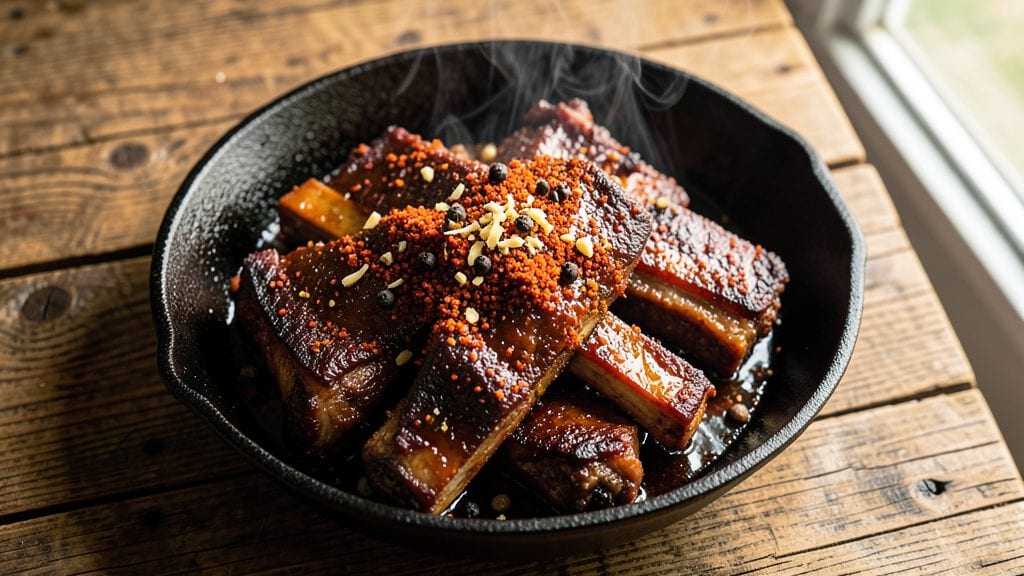
This smoked beef dino ribs recipe transforms tough cuts into melt-in-your-mouth perfection without needing a smoker—just a well-seasoned oven and patience. The secret lies in a dry rub that develops a deep, caramelized bark while keeping the meat tender inside.
I first perfected this technique during a coastal ride home from a local BBQ competition, where the scent of hickory smoke reminded me why slow-cooked ribs are my passion.
The process begins with a foolproof dry rub of brown sugar, smoked paprika, and wild-foraged herbs that create a flavor bomb. You'll cook the ribs low and slow, basting occasionally with apple cider vinegar to enhance tenderness.
This method delivers restaurant-quality results in about 3 hours, with minimal effort beyond the initial seasoning.
By the time you pull them from the oven, you'll have ribs with a crispy, sticky bark that gives way to fall-apart tenderness inside. The aroma alone will have everyone gathering around the table, and each bite delivers layers of smoky, sweet, and savory flavors.
Serve with classic sides like coleslaw or baked beans for the full experience.
This recipe scales perfectly for gatherings, and leftovers reheat beautifully—just wrap them in foil and warm in the oven. Whether you're a seasoned pitmaster or new to smoking, this technique ensures tender ribs every time. Let's get started on creating your next showstopper dish.
Ingredients for smoked beef dino ribs
Four pounds of beef ribs, a bold dry rub, and oven magic—no smoker required.
| Ingredient | Amount | Notes |
|---|---|---|
| Beef Dino Ribs 🥩 | 4 lb | Bone-in, meaty section preferred |
| Brown Sugar 🍚 | ½ cup | Light or dark, packed |
| Smoked Paprika 🌶️ | 2 tbsp | High-quality for smoky depth |
| Kosher Salt 🧂 | 2 tbsp | Diamond Crystal preferred |
| Black Pepper 🌶️ | 1 tbsp | Freshly ground for sharpness |
| Garlic Powder 🧄 | 1 tbsp | Freshly ground preferred |
| Onion Powder 🧅 | 1 tbsp | For balanced sweetness |
| Ground Mustard 🍯 | 1 tbsp | Adds tangy complexity |
| Apple Cider Vinegar 🍎 | ¼ cup | For basting tenderness |
| Yellow Onion 🧅 | 1 whole | Sliced for basting |
| Fresh Rosemary 🌿 | ¼ cup | Chopped, for herbaceous notes |
| Fresh Thyme 🌿 | ¼ cup | Chopped, for earthy aroma |
| Extra-Virgin Olive Oil 🫒 | 2 tbsp | For rib coating |
The ribs are the star, so grab bone-in beef dino ribs—the meatier sections near the spine give the most flavor. Costco or your local butcher shop usually carry them, and you want about 4 pounds total for four people. Look for vibrant red meat with good marbling—this fat keeps the ribs tender during cooking. If you can't find dino ribs, beef back ribs work too, but they're slightly leaner. The key is to avoid ribs with too much silver skin, as they can dry out. Whole Foods or Trader Joe's often have them prepped and ready to go, saving you time.
No smoked paprika? Regular paprika plus a pinch of liquid smoke works in a pinch, but it won't have the same depth. Fresh herbs wilt fast, so dried thyme and rosemary at one-third the amount are great substitutes—just crush them between your fingers to release the oils. The apple cider vinegar is non-negotiable for tenderness, but if you're out, red wine vinegar or even lemon juice will do. For the rub, Penzeys spices are my go-to for quality, but the store-brand stuff works fine if it's fresh. The brown sugar should be packed—don't scoop it loosely, or your rub will be too dry.
Store the ribs uncovered in the fridge overnight before cooking—they'll dry out slightly, which helps the bark form. Wrap them in parchment paper if you're prepping ahead, but let them sit at room temp for 30 minutes before cooking. The dry rub keeps for up to 2 weeks in an airtight container, so make extra for future ribs or burgers. Leftovers? Wrap them tightly in foil and reheat in the oven at 300°F for 10-15 minutes—they taste even better the next day.
Why You'll Love This Recipe
- Here’s what sold me: the second day is almost as good as the first. Shred the extras into tacos, sandwiches, or even a pasta dish. And because beef ribs are budget-friendly, you’re not breaking the bank for seconds.
- Five-Ingredient Magic: I swear, there’s no fuss here—just ribs, a sprinkle of brown sugar, smoked paprika, salt, and pepper. That’s it. The beef does all the heavy lifting, and the spices? They turn it into something ridiculously good with almost no effort.
- Smoky-Sweet Obsession: Between us, that combo of brown sugar and smoked paprika? It’s like a flavor hug. The sugar caramelizes into a sticky, glossy crust while the paprika adds this deep, smoky warmth that sticks to your ribs like a promise.
- Tailgate or Tuesday: Honestly, these ribs work everywhere. Grill them for a backyard cookout, slow-cook them for a lazy Sunday, or toss them in a wrap for a quick lunch. My kids even ask for them cold in their school lunches—no joke.
Step-by-step instructions for smoked beef dino ribs
Here's how to create restaurant-quality bark and melt-in-your-mouth tenderness without needing a smoker.
Prepare the Ribs with Dry Rub
Pat the 4 lb beef dino ribs completely dry with paper towels—this is crucial for developing that beautiful bark. I like to work in batches if needed, ensuring every surface is bone dry. In a large bowl, combine the 0.5 cup brown sugar, 2 tbsp smoked paprika, 2 tbsp kosher salt, 1 tbsp black pepper, 1 tbsp garlic powder, 1 tbsp onion powder, and 1 tbsp ground mustard. Mix thoroughly until you have a fine, even coating.
Generously coat each rib with the dry rub, pressing it into the meat so it adheres well. The sugar will caramelize during cooking, creating that coveted bark. Place the rubbed ribs on a wire rack set over a baking sheet—this allows air to circulate on all sides for even cooking. Let them rest at room temperature for 30 minutes before cooking, which helps the rub penetrate and the meat cook more uniformly.
Sear and Baste with Vinegar-Onion Mixture
Preheat your oven to 275°F. While it heats, prepare the basting mixture by combining the 0.25 cup apple cider vinegar, 2 tbsp extra-virgin olive oil, and the sliced 1 whole yellow onion in a small saucepan. Bring to a simmer over medium heat for 5 minutes until the onion softens slightly and the mixture reduces by about one-third. Keep this warm for basting.
Heat a large oven-safe skillet over medium-high heat. Add the rubbed ribs fat-side down and sear for 5 minutes until deeply browned. Flip and sear the other side for another 5 minutes. Transfer the skillet to the preheated oven. Here's the key: baste the ribs every 30 minutes with the warm vinegar-onion mixture for the first 2 hours of cooking. This keeps them moist while building that signature bark.
Cook Low and Slow to Fork-Tender Perfection
Continue cooking the ribs in the oven for a total of 4 to 5 hours, basting every 30 minutes with the vinegar mixture. The ribs are done when they reach an internal temperature of 195°F to 203°F and a fork slides in like butter. You'll notice the bark become deeply caramelized and the meat pull away from the bone effortlessly.
Here's where patience pays off: the slow cook ensures the connective tissue breaks down completely, resulting in that melt-in-your-mouth tenderness. If the ribs begin to dry out, tent them loosely with foil for the last 30 minutes of cooking. The vinegar basting helps maintain moisture while the sugar in the rub creates that irresistible crust.
Rest and Serve with Herb Garnish
Remove the ribs from the oven and transfer them to a cutting board. Let them rest for 15 minutes before serving—this allows the juices to redistribute throughout the meat. While they rest, chop the 0.25 cup fresh rosemary and 0.25 cup fresh thyme finely and sprinkle them over the ribs for a fragrant finish.
Slice between the bones to serve, arranging the meaty sections on a platter. The ribs should have a glossy, deep bark on the outside and be fork-tender throughout. Serve with extra basting sauce if desired, and watch as everyone digs in for seconds. The combination of sweet, smoky, and tangy flavors makes this a showstopper for any gathering.
Pro Tips For Making Smoked Beef Dino Ribs
- Dry the Ribs First: Pat those beef dino ribs thoroughly with paper towels—wet surfaces mean steam instead of smoke clinging to the meat. I learned this the hard way when my first batch came out soggy instead of crisp. Trust me, the extra 5 minutes saves hours of frustration later.
- Salt Before Smoking: Generously coat the ribs with kosher salt at least 24 hours ahead—this seasoning penetrates deeper than a last-minute sprinkle. My grandmother swore by this, and she was right: the crust forms better, and the flavor isn’t just on the surface.
- Wrap at 170°F: Don’t rush wrapping the ribs in foil—wait until they hit 170°F internally. Wrapping too early turns them into boiled beef, not tender smoked ribs. A meat probe is worth the $10; guessing leads to disappointment.
- Upgrade with Brown Sugar: Skip the generic rub and mix 2 tablespoons of brown sugar into your smoked paprika blend—it caramelizes during smoking, adding a sticky, sweet contrast to the smoky heat. Sounds weird, but it works: the ribs stay moist and develop a glossy bark.
Dietary considerations for this dish
Gluten-Free Adaptations
This recipe is naturally gluten-free, but I always double-check my spices for cross-contamination since many store-bought rubs contain additives. The Penzeys spices I recommend are certified gluten-free, but if you're sensitive, make your own blend with gluten-free brown sugar (like Wholesome! brand) and ensure your mustard powder is labeled gluten-free.
The apple cider vinegar and olive oil are also safe choices—just verify the labels if you're highly sensitive. 🌱
Dairy-Free Options
The original recipe doesn't include dairy, but if you're serving alongside cheesy sides, consider swapping the baked beans for a dairy-free version. For extra richness, you can brush the ribs with olive oil instead of butter during the last 30 minutes of cooking.
The vinegar-onion basting keeps them moist without dairy, and the rosemary-thyme garnish adds freshness without any creamy elements.
Low-Carb Modifications
To make this keto-friendly, skip the brown sugar in the rub and replace it with 1 tbsp erythritol or monk fruit sweetener (like Lakanto) plus an extra 1 tbsp smoked paprika for depth. The apple cider vinegar and onion basting remain the same, keeping carbs minimal.
Serve with cauliflower mash or a simple green salad instead of starchy sides. The ribs will still develop that beautiful bark without the sugar!
Allergen-Friendly Tips
For nut allergies, ensure your smoked paprika isn't processed in facilities with nuts (some brands add nut oils). For soy allergies, check your vinegar—some brands use soy-based processing aids.
I always keep a gluten-free soy sauce alternative (like San-J Tamari) on hand for emergency flavor boosts, though it's not needed here. The fresh herbs and olive oil are naturally allergen-free, making this one of my safest recipes for guests with multiple sensitivities. 💡
Protein-Packed Boost
Already high in protein, these ribs deliver about 50 grams per serving (based on 4 servings). For an extra boost, consider adding 1 tsp liquid smoke to the rub if you want a more pronounced smoky flavor without additional calories.
The slow cooking process ensures maximum protein absorption, making these perfect for meal prep—just store in airtight containers for up to 4 days or freeze for 3 months.
Nutrition facts
Frequently asked questions
What makes beef dino ribs different from pork ribs?
Beef dino ribs (also called beef back ribs) are leaner and more flavorful than pork ribs, with a firmer texture that benefits from slow cooking. They require a longer cook time (4-5 hours) to break down collagen, while pork ribs typically finish in 3 hours. The beef's natural fat content keeps them moist, but the bark develops more slowly—this recipe's vinegar basting speeds up that process.
Can I use a smoker instead of the oven?
For authentic smoke flavor, transfer the seared ribs to your smoker at 225°F with hickory or applewood chips. Use the same dry rub and baste every 30 minutes with the vinegar mixture. Expect 5-6 hours total cook time until they reach 195°F-203°F internally. The oven method just mimics the low-and-slow process without smoke.
Why do my ribs turn out dry?
Overcooking or skipping the vinegar basting are the most common causes. The apple cider vinegar keeps ribs moist by breaking down proteins—never omit it. If your oven runs hot, tent ribs loosely with foil after 2 hours. Also, ensure your ribs start at room temperature (never cold) and use a meat thermometer to pull them at 195°F-203°F—never guess!
What's the best way to store leftover ribs?
Wrap ribs tightly in foil or vacuum-seal them in an airtight container to preserve moisture. Store in the fridge for 4 days or freeze for 3 months. To reheat, warm at 300°F for 10-15 minutes covered with foil—never microwave, as it dries them out. Leftovers actually taste better the next day!
Can I make this recipe with a pressure cooker?
Yes, but with adjustments! Sear the ribs first, then pressure cook at 250°F for 90 minutes with 1 cup apple cider vinegar and onion. After cooking, let them rest 15 minutes before serving. The bark won't be as crispy, but the meat will be fork-tender. For best results, finish under a broiler for 2-3 minutes to caramelize the rub.