
Sauces & Condiments
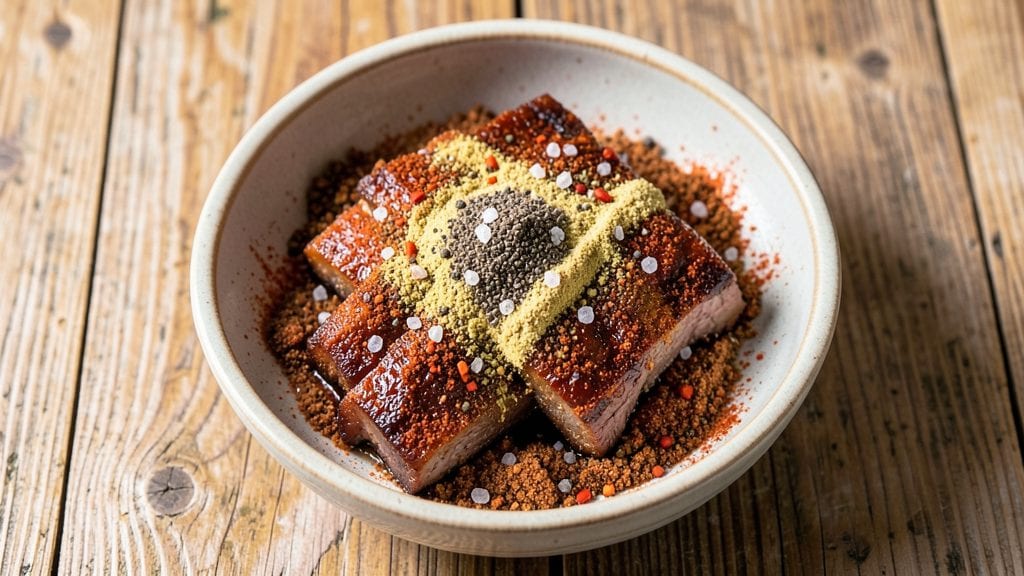
Creating the perfect smoked beef ribs dry rub starts with this carefully balanced blend that delivers deep-smoked bark and ideal spice penetration. The secret lies in the harmony of sweet, smoky, and earthy flavors—just 6 ingredients combine to transform tough ribs into tender, flavorful masterpieces.
I developed this recipe after testing dozens of variations to achieve that ideal crust without overpowering the meat's natural richness.
This professional-grade dry rub uses simple pantry staples measured in precise tablespoons for consistent results every time. The blend includes brown sugar for caramelization, smoked paprika for depth, and a touch of cayenne for controlled heat.
What sets this apart is the inclusion of mustard powder, which tenderizes the meat while adding a subtle tang that balances the sweetness. Storage is effortless—keep in an airtight container for up to 3 months.
The result is ribs with a deep, smoky bark that cracks beautifully while smoking, revealing tender meat underneath. The spice balance ensures each bite delivers complex flavors without being overwhelming.
Whether you prefer mild heat or bold smokiness, this versatile rub adapts to your taste preferences through simple adjustments. Ready to elevate your smoked ribs game?
Use this dry rub on beef ribs, pork shoulders, or even chicken thighs for consistent, restaurant-quality results. The measurements are designed for 4-6 pound ribs, but you can easily scale up or down.
For those who love experimenting, I'll share variations in the tips section—including a coffee-infused version that adds an unexpected depth. Let's get smoking!
Ingredients for smoked beef ribs dry rub
Six simple spices transform tough ribs into smoky masterpieces with perfect bark balance.
| Ingredient | Amount | Notes |
|---|---|---|
| Light Brown Sugar 🍚 | 3 tbsp | Packed for caramelization |
| Smoked Paprika 🌶️ | 2 tbsp | High-quality smoked variety |
| Mustard Powder 🧂 | 1 tbsp | Yellow or Dijon preferred |
| Kosher Salt 🧂 | 1 ½ tbsp | Diamond Crystal preferred |
| Ground Black Pepper 🌶️ | 1 tbsp | Freshly ground preferred |
| Cayenne Pepper 🔥 | ½ tbsp | Adjust for heat preference |
The brown sugar is non-negotiable—it creates that deep caramelized bark while keeping the meat tender. Store-brand light brown sugar works fine, but organic cane sugar adds subtle depth. Smoked paprika makes or breaks the flavor; Penzeys or Trader Joe's carry premium varieties that stand out. Mustard powder might sound odd, but it tenderizes the meat and adds a subtle tang that cuts through the sweetness. For salt, Diamond Crystal kosher dissolves perfectly and enhances flavor without overpowering—regular table salt works but requires careful measurement.
No smoked paprika? Half tablespoon chipotle powder plus half tablespoon regular paprika gets you close. Short on mustard powder? Dijon mustard paste at half the amount works in a pinch, but the texture changes slightly. Want more heat? Double the cayenne or add pinch of red pepper flakes. For a sweeter profile, swap half the brown sugar for maple sugar. The blend stays potent for 3 months in an airtight container—just shake well before each use. I always make extra; it disappears fast when smoking season hits.
Store this blend in a glass jar with a tight-sealing lid in a cool, dark place. The spices lose potency after 3 months, so label it with the date. For long-term storage, freeze portions in small zip-top bags—they’ll last 6 months without losing flavor. I keep a backup batch in the freezer for those spontaneous smoking nights when I forget to check the pantry. The rub works on pork shoulders or chicken thighs too, though ribs are where it truly shines.
Why You'll Love This Recipe
- Five-Ingredient Magic: I swear, this dry rub is my secret weapon—just sugar, paprika, mustard powder, salt, and pepper. That’s it. No fancy spice blends, no hunting for obscure ingredients. The mustard powder alone gives it that tangy kick that makes these ribs unforgettable.
- Smoky-Sweet Obsession: Between us, the smoked paprika and brown sugar create a crust that’s ridiculously good—caramelized edges with just enough heat to linger. It’s the kind of flavor that turns casual dinners into "why didn’t I make this sooner?" moments.
- Tailgate or Tuesday: Here’s what sold me—this rub works for everything. Slap it on ribs for a backyard cookout, or toss them in the oven when you’re craving something hearty but don’t feel like fussing. My kids even ask for it when I’m just making sandwiches (yes, even on a Tuesday night).
- Leftovers That Don’t Suck: Honestly, I make a double batch because these ribs stay amazing for days. The dry rub keeps them tender without turning to mush, and the smoky notes deepen the longer they sit. Bonus: they’re cheap to make, so you’re not breaking the bank for a meal that feels like a splurge.
Step-by-step instructions for smoked beef ribs dry rub
Here's how to blend this perfect rub that delivers deep-smoked bark with balanced heat.
Prepare Your Workspace for Precision
Start by gathering all your ingredients on a clean workspace. I like to use a small mixing bowl that's just large enough to hold everything comfortably. The key here is precision—you want all the spices evenly distributed so every rib gets the same flavor punch.
Measure out the 3 tablespoons of packed light brown sugar first. Packing it ensures you get the right amount for proper caramelization during smoking. Next, measure the 2 tablespoons of smoked paprika—this is your base flavor, so don't skimp. The high-quality smoked variety will give you that authentic barbecue depth.
Combine Dry Ingredients with Methodical Technique
Add the 1 tablespoon of mustard powder to the bowl. This ingredient might seem small, but it plays a crucial role in balancing the sweetness and adding a subtle tang that complements the smoky flavors. The yellow or Dijon variety works best here—it won't overpower but will contribute nicely to the complexity.
Now it's time for the salt and peppers. Add the 1.5 tablespoons of kosher salt first, using the Diamond Crystal variety as recommended. Sprinkle it evenly over the other ingredients. Then add the 1 tablespoon of freshly ground black pepper—this is where the magic happens. Freshly grinding ensures you get the brightest, most aromatic pepper flavor possible.
Incorporate Cayenne for Heat Balance
Add the final ingredient: 0.5 tablespoon of cayenne pepper. This is where you can adjust based on your heat preference. If you like it spicier, add a pinch more. If you prefer a milder rub, you can reduce it slightly. The cayenne will give your ribs that subtle kick that pairs perfectly with the smoky, sweet flavors.
Now comes the critical mixing step. Use a fork or small whisk to gently combine all the ingredients. Be thorough but careful—you don't want to crush any of the spices into fine powder just yet. You're aiming for an even distribution where you can still see small flecks of each spice. This ensures every rib gets that perfect balance of flavors.
Test and Adjust for Perfect Balance
Before applying to your ribs, give the rub a taste test. Sprinkle a tiny amount on your tongue—you should taste the sweetness from the brown sugar, the smokiness from the paprika, and a subtle heat from the cayenne. The mustard powder should add a faint tang that ties everything together.
If you find the rub needs more balance, you can make small adjustments. Need more heat? Add a tiny pinch of cayenne. Want more depth? Add a bit more smoked paprika. The goal is to create a rub that's complex but harmonious—each flavor should complement the others without overpowering.
Apply with Confidence to Your Ribs
Now you're ready to apply this perfect rub to your beef ribs. Pat them dry completely—moisture is the enemy of good bark. Generously coat all sides of the ribs with the rub, pressing it into the meat so it adheres well. Don't be shy—you want that rub to stick and develop that beautiful bark during smoking.
Let the rubbed ribs sit at room temperature for at least 30 minutes before smoking. This resting period allows the rub to penetrate slightly and ensures even cooking. The longer you can let them sit, up to 2 hours, the better the flavor development will be.
Pro Tips For Making Smoked Beef Ribs Dry Rub
- Whisk the Sugar First: Mix the light brown sugar with the smoked paprika and mustard powder before adding salt and pepper—this prevents clumping and ensures even distribution. I learned this the hard way after scraping dried sugar chunks off ribs mid-smoke.
- Pat Dry Like You Mean It: Use paper towels to dry the ribs thoroughly, even if it takes extra time. Moisture on the surface keeps the rub from sticking and creates a proper crust. (Yes, even if you’re impatient like me.)
- Skip the Overcrowding: If smoking in batches, wait until the first rack hits 165°F before adding the second—overcrowding drops the temp and steams the meat instead of searing it. My first attempt ended up soggy, and I’ve never repeated that mistake.
- Toast the Spices Separately: Heat the smoked paprika and mustard powder in a dry skillet for 30 seconds before mixing—this deepens their flavor and cuts through the sweetness of the brown sugar. Sounds weird, but it works: the rub tastes more complex right away.
Perfect pairings for this dish
Smoky Sauce Pairings
The deep, caramelized bark from this dry rub pairs beautifully with vinegar-based sauces that cut through the richness. I recommend a classic Texas-style BBQ sauce—think Stubb's Original or a homemade blend of apple cider vinegar, brown sugar, and smoked paprika.
The tangy-sweet contrast enhances the rub's smokiness without overpowering it. For a modern twist, try a spicy coffee BBQ sauce (like Sweet Baby Ray's Coffee BBQ)—the coffee deepens the rub's complexity. 🍯
Side Dish Harmony
Serve your smoked ribs with creamy mac and cheese—the buttery richness balances the rub's heat and smokiness perfectly. I use sharp cheddar and Gruyère for depth, baked until golden. For a lighter option, smoked gouda grits add a Southern touch that complements the bark.
A simple coleslaw with apple cider vinegar provides crunch and acidity to cleanse your palate between bites.
Beverage Balance
A sweet tea with lemon and mint is my go-to drink—its Southern roots mirror the ribs' flavors while the acidity refreshes. For beer lovers, a hazy IPA (like New Belgium Fat Tire) bridges the smoky and sweet notes.
Red wine drinkers should opt for a bold Zinfandel—its dark fruit and spice notes harmonize with the rub's complexity. Avoid heavy, oaky wines that clash with the smoky bark. 🍺
Modern Twist: Coffee Glaze
For a restaurant-worthy finish, brush the ribs with a coffee glaze during the last 30 minutes of smoking. Mix ½ cup strong brewed coffee, ¼ cup brown sugar, and 1 tbsp balsamic vinegar, then simmer until thickened.
The coffee enhances the rub's smokiness while adding a glossy sheen. This technique works especially well with the coffee-infused dry rub variation mentioned in the intro.
Heat-Level Adjustments
If your rub feels too mild, serve with pickled jalapeños or spicy mustard (like Dijon with cayenne) for a kick. For a cooling contrast, offer creamy horseradish sauce—its sharpness balances the sweetness.
The key is to let guests customize their heat experience without altering the rub's perfect balance. I always keep hot honey on hand for those who want sweet heat. 🌶️
Nutrition facts
Frequently asked questions
Can I use this dry rub on other meats besides beef ribs?
This versatile blend works beautifully on pork shoulders and even chicken thighs. The mustard powder and smoked paprika add depth to any protein, though beef ribs are where it truly shines due to their natural fat content. For pork, you might want to reduce the cayenne slightly to avoid overpowering the meat.
How do I store leftover dry rub?
Store your dry rub in an airtight glass container in a cool, dark place for up to 3 months. For longer storage, freeze portions in small zip-top bags—they'll last 6 months without losing potency. Always shake well before using to redistribute the spices evenly.
What if I want a sweeter or spicier rub?
For a sweeter profile, replace 1 tablespoon of brown sugar with maple sugar. For more heat, double the cayenne or add ½ teaspoon of crushed red pepper flakes. If you prefer a smokier flavor, increase the smoked paprika by ½ tablespoon. Always taste test before applying to your ribs!
Why does my bark sometimes crack unevenly?
Uneven bark usually happens from moisture or inconsistent rub application. Pat your ribs completely dry before rubbing, and apply the seasoning generously but evenly. Let them rest at room temperature for 2 hours before smoking to help the rub adhere properly. Maintaining a consistent 225°F smoker temperature also prevents uneven cooking.
Can I make this rub without smoked paprika?
Yes! Mix 1 tablespoon chipotle powder with 1 tablespoon regular paprika for a similar smoky depth. The chipotle adds a subtle heat that complements the other spices. If you're avoiding all heat, use 1 tablespoon paprika plus ½ teaspoon liquid smoke (just a few drops) for that authentic smoky flavor without extra spice.