
Main Courses
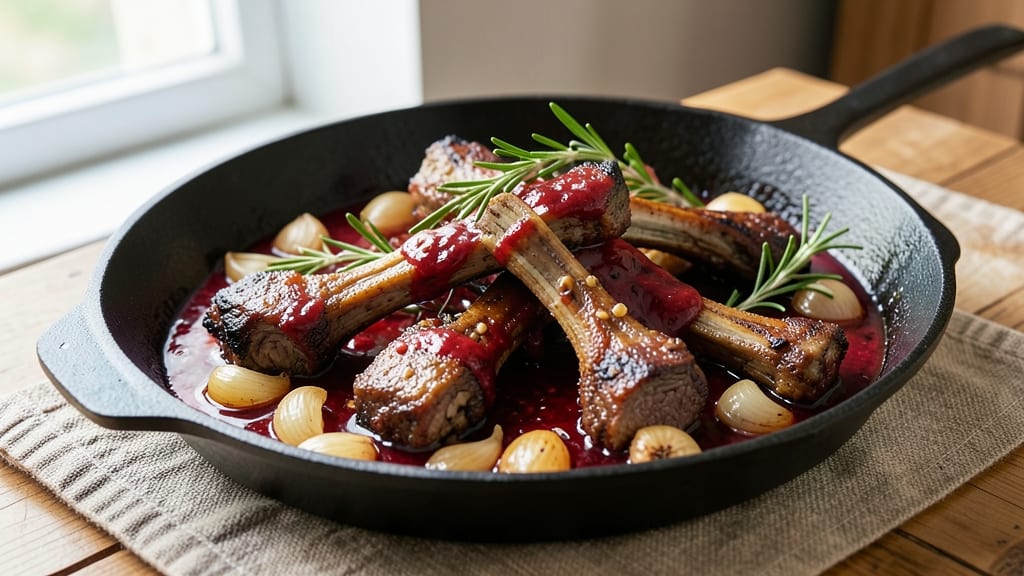
Transforming tough beef neck bones into crispy, melt-in-your-mouth bites is the secret to this smothered beef recipe that delivers restaurant-quality richness at home. The key lies in slow-braising the bones until they're tender enough to pull apart, then finishing them with high heat to achieve that coveted crispy texture.
This method transforms what many consider a less desirable cut into the star of your dinner table.
What sets this recipe apart is the balance between traditional techniques and modern efficiency. You'll start with a deep flavor base of onions, garlic, and aromatic spices, then build layers of depth using a combination of beef broth and a touch of tomato paste for umami richness.
The slow cook transforms tough collagen into gelatin, creating a sauce so velvety it clings to every crispy bone bite.
By the time you're done, you'll have a dish that's equal parts comforting and impressive—tender beef that practically falls apart at the touch, crispy bone edges that add satisfying texture, and a sauce so rich it deserves its own bowl.
The aroma alone will have everyone gathering at the table, and the first bite will prove why this cut deserves its place in your weekly rotation.
Serve it alongside classic sides like cornbread to soak up the sauce or creamy mashed potatoes to balance the richness. This is the kind of meal that feels like a hug on a plate, perfect for chilly evenings or when you want to impress without spending hours in the kitchen.
Let's get started on creating this slow-braised masterpiece.
Ingredients for smothered beef neck bones
Tough bones become tender bites with these simple, flavor-packed ingredients.
| Ingredient | Amount | Notes |
|---|---|---|
| Beef Neck Bones 🦴 | 2 lb | With meat attached, cut into 2-inch pieces |
| Yellow Onions 🧅 | 1 whole | Medium size, sliced into half-moons |
| Garlic Cloves 🧄 | 6 cloves | Peeled and smashed |
| Tomato Paste 🍅 | 2 tbsp | Smooth, no sugar added |
| Beef Broth 💧 | 2 cups | Low-sodium preferred |
| Red Wine 🍷 | ½ cup | Dry, like Cabernet Sauvignon |
| Apple Cider Vinegar 🍏 | 1 tbsp | For brightness |
| All-Purpose Flour 🌾 | 2 tbsp | For thickening sauce |
| Dried Thyme 🌿 | 1 tsp | Or 1 tbsp fresh |
| Black Peppercorns 🌶️ | ½ tsp | Freshly cracked |
| Bay Leaves 🍃 | 2 whole | Remove before serving |
| Olive Oil 🫒 | 2 tbsp | Extra-virgin for searing |
| Salt 🧂 | 1 ½ tsp | Kosher or sea salt |
| Cornstarch 🌽 | 1 tbsp | For crispy bone finish |
The beef neck bones are the star here—look for ones with good meat coverage at Whole Foods or your local butcher. They should be bright red, not grayish, and smell fresh. Costco often has them pre-cut, which saves time. If buying whole, ask the butcher to cut them into 2-inch pieces. The onions and garlic are your flavor foundation, so don't skimp. Yellow onions work best—they caramelize beautifully. Fresh thyme is ideal, but dried works in a pinch at one-third the amount. For the red wine, any bold, dry variety will do—Cabernet Sauvignon is my go-to, but Merlot works too.
No red wine? Substitute with extra beef broth plus 1 tbsp balsamic vinegar—it adds depth without alcohol. Prefer white wine? Use it, but add an extra splash of vinegar to balance. The tomato paste can be swapped for 1 tbsp tomato sauce if you're avoiding it, though it won't be as concentrated. For the cornstarch, if you're out, all-purpose flour works too—just use a little more. The beef broth should be low-sodium; if it's not, reduce the added salt later. Fresh herbs always taste better, but dried will get you through. Just remember: dried thyme is potent—start with half the amount and adjust.
This dish tastes even better the next day, so make extra. The sauce keeps well in the fridge for 5 days, and the bones reheat beautifully—just warm them gently in the sauce. For crispy bones, freeze the cooked bones for 1 hour before broiling, then toss in cornstarch and broil until golden. Store leftovers in airtight containers with a splash of broth to keep everything moist. The sauce thickens as it cools, so thin with a little broth if needed before serving.
Why You'll Love This Recipe
- Minimal Chopping Required: I swear by this—just dice those onions and mince garlic once. The beef neck bones handle the rest, falling apart on their own while you sip your coffee. No fancy knife skills needed.
- Deep Umami Magic: That tomato paste and slow-simmered broth? It’s where the real flavor lives. The neck bones turn tender, soaking up all the rich, caramelized goodness until every bite is ridiculously satisfying.
- Pot Luck Hero: Between us—this is my secret weapon for game nights or lazy Sundays. Serve it over rice, in sandwiches, or straight from the pot. The leftovers? Even better the next day.
- Budget-Friendly Feast: Neck bones stretch for miles, and the ingredients won’t break the bank. Honestly, I make a double batch just to freeze half—because why not eat well when it costs less than takeout?
Step-by-step instructions for smothered beef neck bones
Here's how to transform tough neck bones into tender, flavorful bites with a rich, glossy sauce.
Sear the Beef Neck Bones Until Deeply Browned
Heat the 2 tablespoons olive oil in a heavy Dutch oven over medium-high heat until shimmering. Working in batches if needed, add the 2 pounds beef neck bones cut into 2-inch pieces, arranging them in a single layer. Let them sear undisturbed for 5-6 minutes until deeply browned on all sides.
Here's the thing—this initial sear creates the Maillard reaction that builds deep, complex flavors. Don't rush it; you'll know it's ready when the bones develop a rich mahogany crust. Once browned, remove the bones and set them aside on a plate.
If your pan gets too crowded, reduce the heat slightly to prevent steaming instead of searing. The goal is crispy bones that'll later soak up that incredible braising liquid.
Build the Flavor Base with Aromatics and Wine
In the same Dutch oven, add the 1 whole yellow onions sliced into half-moons and cook for 5 minutes until softened and golden. Stir in the 6 cloves garlic cloves (peeled and smashed) and cook for 30 seconds until fragrant.
Add the 2 tablespoons tomato paste and cook for 1 minute, stirring constantly to prevent burning. This creates a rich foundation for your sauce. Pour in the ½ cup red wine and scrape up any browned bits from the bottom—this is where all the flavor lives.
Let the wine simmer for 3-4 minutes until reduced by half. The alcohol will cook off, leaving behind concentrated wine flavors that'll infuse the bones. This is the moment that matters: don't skip the reduction.
Braise Until Fork-Tender with Rich Liquid
Return the browned beef neck bones to the Dutch oven. Add 2 cups beef broth, 1 tablespoon apple cider vinegar, 1½ teaspoons salt, ½ teaspoon black peppercorns, 1 teaspoon dried thyme, and 2 whole bay leaves. Bring to a gentle simmer.
Cover tightly and transfer to a 325°F oven (or reduce stove heat to low). Braise for 2½ to 3 hours until the meat easily pulls away from the bones and the bones themselves are tender. Your oven might run hot, so start checking at the 2-hour mark—the meat should be fork-tender with no resistance.
Real talk: If the liquid reduces too much before the meat is tender, add a splash of water or broth to maintain a good braising liquid level. You want those bones swimming in flavorful liquid.
Thicken the Sauce for Perfect Consistency
Remove the beef neck bones and strain the braising liquid through a fine-mesh sieve into a clean saucepan. Discard the solids. Return the liquid to medium heat and whisk in the 2 tablespoons all-purpose flour to create a slurry.
Simmer for 3-4 minutes until the sauce thickens enough to coat the back of a spoon. For extra richness, whisk in 1 tablespoon cornstarch mixed with 2 tablespoons water and cook for another 2 minutes until glossy.
The sauce should coat the back of a spoon but still be pourable—not gluey. If it's too thick, thin with a splash of beef broth. Season with additional salt and pepper if needed.
Finish with Crispy Bone Bites
Return the beef neck bones to the Dutch oven and pour the thickened sauce over them. Increase heat to medium-high and simmer uncovered for 5-7 minutes to reduce the sauce slightly and create those crispy bone edges we're after.
Serve immediately over mashed potatoes, crusty bread, or egg noodles. The bones should be fork-tender with crispy edges, and the sauce should be rich and glossy enough to cling to every bite. Don't skip the crisping step—this is what delivers that satisfying texture contrast.
Pro Tips For Making Smothered Beef Neck Bones
- Brown the Bones First: I used to skip this step, thinking the long simmer would handle it—but those bones need a proper sear. Hit them with high heat in oil until deep brown, not just pink. That crust locks in flavor and keeps the broth from tasting flat.
- Slice Onions Thin: Thick onion chunks? They’ll turn to mush and clog your pot. Grab a sharp knife and cut them paper-thin—almost like shaving. They’ll soften fast but still add sweetness without gummy texture.
- Deglaze with Broth: After browning the bones, don’t just toss in water or broth. Scrape up those fond bits with a spoon first, then pour in the beef broth. That extra 30 seconds of scraping makes the sauce richer—trust me, it adds depth.
- Simmer Low and Long: This isn’t a race. After everything’s in the pot, reduce heat to a gentle simmer—just enough to see tiny bubbles. Too aggressive, and the broth will break; too slow, and you’ll wait forever. Aim for 2–3 hours, covered, and let the bones melt into the sauce.
Flavor customization for smothered beef neck bones
Spicy Kick
Add 1-2 teaspoons of cayenne pepper or 1-2 tablespoons of hot sauce (like Cholula) to the braising liquid when you return the bones. For extra heat, toss the finished bones with ½ teaspoon crushed red pepper flakes before serving.
I like to add a dash of Tabasco sauce to the sauce at the end for a smoky, tangy kick that cuts through the richness. 🌶️
Smoky Depth
Infuse your dish with smoky flavor by adding 1-2 smoked paprika tablespoons to the aromatics when cooking the onions. For a deeper smoke, wrap 2-3 wood chips (hickory or apple) in aluminum foil and place them in the Dutch oven during the braising process.
Alternatively, add 1 teaspoon liquid smoke to the sauce at the very end for an instant smoky punch. 🔥
Sweet & Tangy Twist
Balance the richness with a touch of sweetness by adding 1 tablespoon of brown sugar or 2 tablespoons of apple cider to the braising liquid. For a tangy contrast, stir in 1 tablespoon of balsamic vinegar during the final simmer.
I often add a splash of orange juice (about 2 tablespoons) to brighten the sauce and pair beautifully with the beef. 🍊
Herb Variations
Swap out the thyme for 1 teaspoon of rosemary or 1 teaspoon of oregano for a Mediterranean twist. For a French-inspired version, add 1 sprig of fresh thyme and 2 sprigs of parsley during the braising process.
Fresh herbs like cilantro or parsley can also be added at the end for a fresh finish. 🌿
Umami Boost
Enhance the depth of flavor by adding 1 tablespoon of Worcestershire sauce or 1 teaspoon of fish sauce to the braising liquid. For a vegetarian-friendly umami boost, stir in 1 tablespoon of soy sauce or 1 teaspoon of miso paste during the final simmer.
These additions add complexity without overpowering the beef. 💡
Creamy Finish
For a luxurious finish, stir in ¼ cup of heavy cream or ½ cup of mashed potatoes during the final 5 minutes of simmering. This creates a velvety sauce that pairs perfectly with the crispy bones.
If you prefer a lighter option, use ¼ cup of coconut milk for a subtle creaminess. 🥛
Nutrition facts
Frequently asked questions
Why do beef neck bones need to be cut into 2-inch pieces?
Cutting the bones into 2-inch pieces ensures even cooking and maximum tenderness. Smaller pieces cook faster and absorb more flavor from the braising liquid. Larger pieces may stay tough in the center, while smaller ones risk overcooking before they're tender. This size also makes them easy to serve and eat with a fork.
Can I substitute red wine with another liquid?
Yes! Use ½ cup beef broth plus 1 tbsp balsamic vinegar for depth, or ½ cup apple cider for a sweeter, tangy twist. Avoid water—it lacks the acidity and complexity that wine or vinegar provides. The key is balancing richness with acidity to brighten the dish.
How do I know when the beef is tender enough?
The meat should pull away from the bones easily with a fork or spoon—no resistance at all. The bones themselves should be soft when pressed with tongs. Start checking at 2 hours if your oven runs hot, or after 2½ hours for standard ovens. Overcooking can make the meat mushy, so aim for "just tender."
What's the best way to get crispy bone edges?
After braising, simmer the bones uncovered on medium-high heat for 5-7 minutes to reduce the sauce slightly. For extra crunch, toss the bones in 1 tbsp cornstarch before the final crisping step. The high heat caramelizes the sauce and creates those coveted crispy bits.
Can I make this recipe in a slow cooker?
Sear the bones first, then transfer everything (including aromatics) to a slow cooker. Cook on low for 6-8 hours or high for 3-4 hours. Finish by thickening the sauce on the stovetop and crisping the bones as directed. The slow cooker method is hands-off but may yield slightly less crispy bones.