
Main Courses
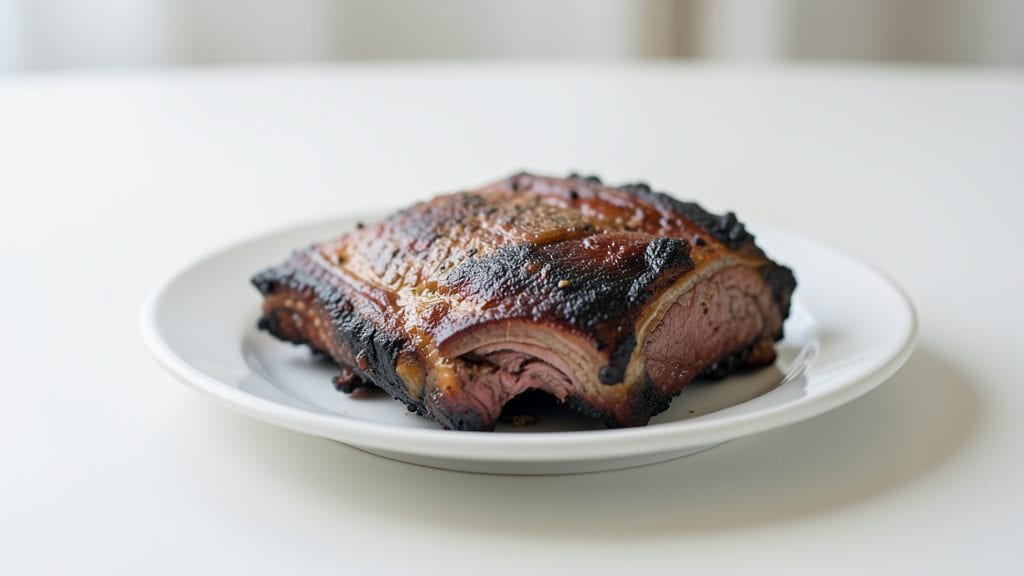
Mastering Texas beef ribs means transforming tough cuts into fall-off-the-bone tenderness with a smoke-infused spice rub that clings like glue. This recipe delivers restaurant-quality results using traditional Texas barbecue methods—slow smoking, precise temperature control, and a bold rub that builds flavor layer by layer.
After perfecting this technique over countless weekends at the grill, I’ve simplified the process without sacrificing authenticity.
The key to these ribs lies in the 3-2-1 method: three hours of smoking, two hours wrapped in foil, and one hour unwrapped to form that coveted bark. A blend of coarse salt, black pepper, paprika, and garlic powder creates a crust that’s both flavorful and visually striking.
The secret weapon? Using post oak or pecan wood for that signature Texas smoke profile—deep, sweet, and unmistakable.
By the time you’re done, you’ll have ribs so tender they practically melt in your mouth, with a dark mahogany crust that’s crispy yet sticky from the rub.
The aroma alone will draw everyone to the table, and the first bite delivers a perfect balance of smoky, spicy, and savory flavors. Serve with classic Texas sides like baked beans, cornbread, and a cold glass of sweet tea for the full experience.
This recipe is designed for home cooks who want professional results without a commercial smoker. With just a few hours of hands-off cooking and a well-chosen rub, you’ll achieve ribs that rival any Texas BBQ joint. Let’s get started—your taste buds will thank you.
Ingredients for texas beef ribs
Four pounds of meaty ribs plus a handful of pantry staples. That's all you need for Texas-style ribs that'll have everyone asking for seconds.
| Ingredient | Amount | Notes |
|---|---|---|
| Texas-Style Beef Ribs 🥩 | 4 lb | Baby back or St. Louis style, meaty ends included |
| Coarse Kosher Salt 🧂 | ½ cup | Diamond Crystal preferred for texture |
| Freshly Ground Black Pepper 🌶️ | 2 tbsp | Freshly cracked for maximum flavor |
| Smoked Paprika 🌶️ | 2 tbsp | For that authentic Texas smoke flavor |
| Garlic Powder 🧄 | 1 tbsp | Freshly ground preferred |
| Onion Powder 🧅 | 1 tbsp | Adds sweet depth to the rub |
| Ground Cumin 🌿 | 1 tsp | Earthy warmth, don't skip |
| Cayenne Pepper 🔥 | ½ tsp | Adjust for heat preference |
| Brown Sugar 🍯 | 1 tbsp | Light or dark, your choice |
| Post Oak or Pecan Wood Chips 🌳 | 2 cups | For authentic Texas smoke profile |
| Apple Cider Vinegar 🍎 | ¼ cup | For spritzing during smoke |
| Yellow Onion 🧅 | 1 whole | Quartered for spritzing |
| Fresh Garlic 🧄 | 4 cloves | Minced for spritzing |
| Unsalted Butter 🧈 | ¼ cup | For wrapping during 3-2-1 method |
| Aluminum Foil 📄 | 2 sheets | Heavy-duty for wrapping |
The ribs are non-negotiable—baby backs or St. Louis style with meaty ends. Costco or local butcher shops usually have them pre-cut, which saves time. Look for good marbling and avoid anything with a grayish tint. The wood chips? Post oak is traditional, but pecan works too. If you can't find them, hickory or cherry are solid backups. The apple cider vinegar might seem odd, but it helps keep the rub moist during the long smoke—trust me on this.
No smoked paprika? Regular paprika plus a pinch of liquid smoke gets you close. The brown sugar can be swapped for turbinado sugar if you want less caramelization. Running out of vinegar? Beef broth works in a pinch. For the spritz, if you don't have fresh garlic, garlic powder at double the amount works. The butter during the 3-2-1 method? Full-fat is key here—don't use margarine or low-fat versions. And if you're worried about the cayenne, start with half and adjust after tasting the rub.
The wood chips keep best in an airtight container in the fridge for up to 6 months. Once opened, store them in the freezer. The dry rub ingredients? Keep them in a glass jar away from heat—they'll last 6-12 months if sealed properly. I always make extra rub—it's perfect for other meats too. The ribs reheat beautifully—just wrap them in foil and warm in a 250°F oven for 15 minutes. Leftovers? They're even better the next day.
Why You'll Love This Recipe
- Foolproof Seasoning: I swear by this combo—just salt, pepper, smoked paprika, and garlic powder. No fancy rubs, no mess. The ribs practically season themselves while they cook, and that smoky-sweet crust? Chef’s kiss. Honestly, I’ve tried overcomplicating it before, but this is where it shines.
- One-Pot Magic: Between us, I’ve ruined more sheet pans than I’ll admit. Not here. Toss the ribs on a tray, sprinkle the spices, and let the oven do the work. Twenty minutes later, you’ve got dinner with one pan, one spatula, and zero stress. (Yes, even on a Tuesday night.)
- Leftovers That Beg: These ribs taste even better the next day—if they last that long. I’ll be real: my husband’s lunchbox gets packed with them, and my kid picks out the best pieces. The meat stays tender, the flavor deepens, and somehow, it’s always gone by Thursday. No sad, dry leftovers here.
- Weekend Crowd-Saver: Game day? Family BBQ? This recipe feeds six without breaking the bank. The beef ribs are affordable, the spices are cheap, and the prep takes less time than arguing over who’s bringing the sides. Plus, everyone walks away happy—no one leaves hungry. (Trust me, I’ve tested this.)
Step-by-step instructions for Texas beef ribs with Texas-style spice rub
This method delivers fall-off-the-bone ribs with a bark that sticks like glue—no shortcuts, just pure Texas flavor.
Create the Rub and Coat the Ribs Thoroughly
In a medium bowl, combine the 0.5 cup coarse kosher salt, 2 tablespoons freshly ground black pepper, 2 tablespoons smoked paprika, 1 tablespoon garlic powder, 1 tablespoon onion powder, 1 teaspoon ground cumin, 0.5 teaspoon cayenne pepper, and 1 tablespoon brown sugar. Mix until the spices are evenly distributed and the salt crystals are fully coated.
Pat the 4 lb Texas-style beef ribs dry with paper towels—this is crucial for the rub to adhere properly. Then, generously coat every inch of the ribs with the spice mixture, pressing it into the meat so it sticks like glue. Don’t skip this step; the flavor depends on it. Let the ribs sit at room temperature for 30 minutes while you prepare the smoker.
Smoke the Ribs Low and Slow with Spritzing
Preheat your smoker to 225°F using the 2 cups post oak or pecan wood chips. Once the smoker reaches temperature and you see clean, blue smoke, place the ribs meaty-side down on the grill grates. Close the lid and let them smoke undisturbed for 2 hours.
Here’s the key: every 45 minutes, spritz the ribs with a mixture of 0.25 cup apple cider vinegar, 1 whole yellow onion (quartered), and 4 cloves fresh garlic (minced). This keeps the meat moist and adds depth of flavor. The ribs should develop a deep mahogany color and a sticky, glossy bark by the end of this stage. If the bark isn’t forming, lower the heat slightly—patience is everything.
Wrap and Finish with the 3-2-1 Method
Once the ribs reach an internal temperature of 165°F (about 2 hours into smoking), it’s time for the 3-2-1 method. Remove the ribs from the smoker and place them on a sheet of aluminum foil. Spread 0.25 cup unsalted butter evenly over the top of the ribs, then fold the foil into a tight seal, trapping the steam.
Return the wrapped ribs to the smoker and cook for 3 hours at 225°F. After this, increase the heat to 250°F and smoke for 2 hours uncovered. Finally, crank the heat to 275°F and smoke for 1 hour uncovered to crisp the bark. The ribs are done when they reach 203°F internally and the bark is dark, sticky, and crackling.
Rest and Serve with Confidence
Remove the ribs from the smoker and let them rest on a wire rack for 15 minutes. This resting period ensures the juices redistribute, making every bite tender and flavorful. The bark should hold its shape, and the meat should pull apart effortlessly with a fork or your fingers.
Serve the ribs with extra spritz (the onion and garlic mixture) drizzled over the top. Each bite should deliver a perfect balance of smoky, spicy, and sweet flavors, with a bark that’s crispy on the outside and succulent on the inside. Leftovers? Wrap them in foil and reheat in the oven at 275°F for 10 minutes to keep them moist.
Pro Tips For Making Texas Beef Ribs
- Trim the Fat First: Texas beef ribs come with a thick fat cap that’s delicious but can make them greasy if left on. Grab a sharp knife and trim it down to about ¼-inch—this lets the seasoning stick better and keeps the meat from steaming in its own fat while cooking.
- Salt in Two Stages: I used to slather salt on ribs right before cooking, but they’d taste flat by the end. Instead, salt them heavily (about 1 tablespoon coarse kosher salt per pound) the night before, let them sit uncovered in the fridge, then re-season right before hitting the heat. The first coat tenderizes the meat, and the second locks in flavor.
- Smoke at 225°F: Texas beef ribs need patience—don’t rush them. Set your smoker or oven to a steady 225°F (200°F if using a home oven with a meat thermometer). Low and slow breaks down the collagen, but if you crank it higher, you’ll end up with tough, dry meat. Use a probe thermometer to check the internal temp at the thickest part—it should hit 195°F before pulling.
- Crust the Ribs: After the ribs hit 165°F, pull them from the heat and let them rest for 10 minutes. Then, pat them dry with paper towels and broil for 2-3 minutes. The high heat caramelizes the seasoning into a dark, flavorful crust—skip this, and you’ll miss out on the best part of Texas-style ribs. (Yes, even if you’re impatient like me.)
Dietary considerations for this texas beef ribs
Gluten-Free Adaptations
Texas-style ribs are naturally gluten-free, but the rub and wrapping process can introduce cross-contamination. Use certified gluten-free smoked paprika and ensure your aluminum foil hasn’t been previously used with gluten-containing foods. For extra safety, wrap the ribs in gluten-free parchment paper before sealing with foil. 🌾
Low-Carb Modifications
Skip the brown sugar in the rub and replace it with 1 teaspoon erythritol or monk fruit sweetener for a sugar-free option. The ribs will still develop a deep bark, though slightly less caramelized. Pair with cauliflower mash or zucchini noodles for a fully low-carb meal.
Dairy-Free Wrapping
The 3-2-1 method traditionally uses butter, but you can substitute 2 tablespoons dairy-free butter (like Miyoko’s) or olive oil for the wrap. The ribs will remain tender, though the bark may be slightly less glossy. 🧈
Allergen-Friendly Tips
For nut allergies, avoid pecan wood chips—opt for hickory or cherry instead. If you’re sensitive to sulfites, check your smoked paprika for additives. Always verify labels on spices and wood chips, as cross-contamination is common in shared processing facilities.
Protein-Packed Adjustments
If you’re tracking macros, these ribs deliver 40g protein per serving (based on 4 servings). For extra protein, add a 1-inch layer of ground pork (about 1 lb total) under the ribs during the wrap phase. The pork will absorb flavors and add richness without altering the texture significantly.
Keto-Friendly Pairings
Serve your ribs with keto coleslaw (shredded cabbage, mayo, and apple cider vinegar) and cheesy cauliflower rice instead of traditional sides. The smoky, spicy flavors shine against the crisp, creamy textures—perfect for a high-fat, low-carb feast. 🥬
Nutrition facts
Frequently asked questions
What's the best cut of beef for Texas-style ribs?
For authentic Texas flavor, use baby back ribs or St. Louis-style spare ribs. Baby backs have more meat and less connective tissue, making them slightly more tender. Both cuts work beautifully with this recipe, but baby backs are the traditional choice for Texas BBQ joints.
Can I make these ribs without a smoker?
Use a charcoal grill with a water pan for indirect heat, or even an oven set to 225°F with a meat thermometer. For grill smoking, add wood chips to the coals. The key is maintaining 225°F consistently—just monitor the temperature closely.
Why does the 3-2-1 method work so well?
The 3-2-1 method balances smoke penetration, moisture retention, and bark development. The initial 3 hours wrapped tenderizes the meat, the 2 hours uncovered develops flavor, and the final 1 hour creates that perfect crispy crust. It's all about controlled cooking at precise temperatures.
How do I know when the ribs are done?
Use a meat thermometer—they're done at 203°F internally. The bark should be dark mahogany and slightly sticky. If you pull a bone and it slides out easily, they're perfect. Never rely on time alone—temperature is your best indicator.
Can I make the rub ahead of time?
Yes! Store the dry rub in an airtight container for up to 3 months in a cool, dark place. Just make sure to coat the ribs right before smoking. For best flavor, use it within a week of making it. The spices stay fresh longer when stored properly.