
Main Courses
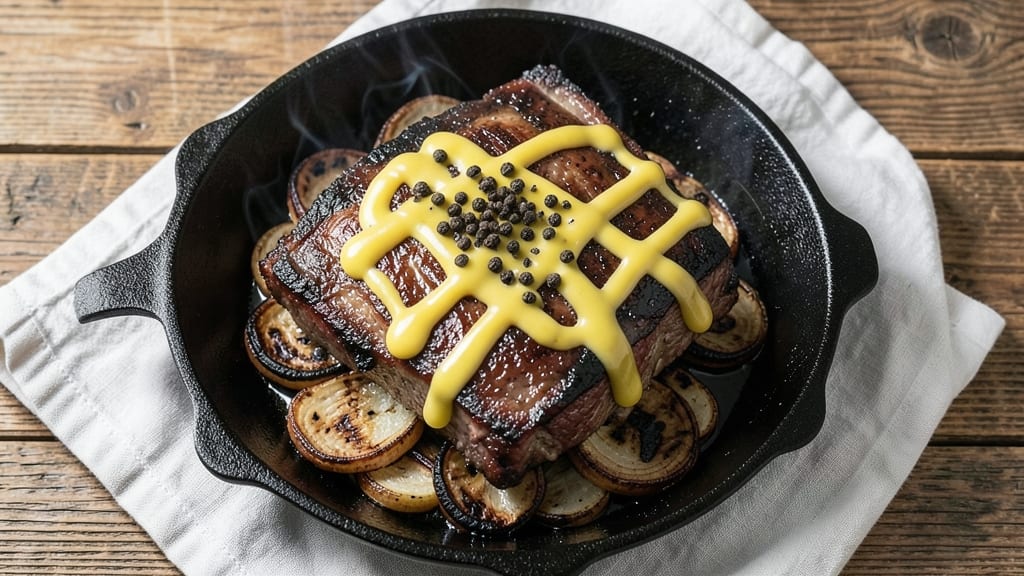
Mastering Texas-style smoked beef brisket means achieving that legendary oak-fired crust and smoky-sweet core that separates backyard smokers from true pitmasters. After perfecting this recipe over countless weekends in my backyard, I’ve developed a method that delivers restaurant-quality results with precise timing and temperature control.
The key lies in patience—low and slow is the only way to transform tough beef into tender, fall-apart perfection.
This recipe focuses on the essential Texas techniques: spritzing with apple juice every 90 minutes (the "Texas crutch") to keep the bark moist and develop that dark, crackling crust, while maintaining an internal temperature of 203°F for that ideal balance of tenderness and moisture.
You’ll need a reliable smoker, quality wood, and about 12 hours of uninterrupted cooking time—but the payoff is worth every minute.
By the time you pull that brisket from the smoker, you’ll have a deeply aromatic, smoky-sweet masterpiece with a crust so crisp it shatters like glass. The meat will slice effortlessly, releasing juices that make every bite irresistible.
Serve it with classic Texas sides like tangy pickles, buttery cornbread, and a dollop of that rich, smoky sauce—this is the kind of meal that turns any gathering into a celebration.
Whether you’re hosting a backyard cookout or simply treating yourself to a Sunday feast, this brisket recipe delivers the authentic Texas experience—bold flavors, tender texture, and that unmistakable smoky aroma that fills the air. Let’s get smoking.
Ingredients for texas style smoked beef brisket
Six pounds of brisket, a handful of pantry spices, and the patience for oak-fired magic.
| Ingredient | Amount | Notes |
|---|---|---|
| Beef Brisket 🥩 | 6 lb | Packer cut, fat cap intact |
| Yellow Mustard 🍯 | ¼ cup | For initial rub application |
| Kosher Salt 🧂 | ½ cup | Diamond Crystal preferred |
| Black Peppercorns 🌶️ | 1 tbsp | Freshly cracked, coarse grind |
| Garlic Powder 🧄 | 2 tbsp | Freshly ground preferred |
| Onion Powder 🧅 | 2 tbsp | No added MSG |
| Smoked Paprika 🌶️ | 2 tbsp | Honduran or Spanish preferred |
| Granulated Garlic 🧄 | 1 tbsp | For dry rub consistency |
| Ground Black Pepper 🌶️ | 1 tbsp | Freshly ground for heat |
| Apple Juice 🍎 | 2 cups | Unpasteurized for spritzing |
| Oak Wood Chips 🌳 | 2 lb | Post oak preferred, soaked |
| Beef Tallow 🧈 | ½ cup | For basting, optional |
| Yellow Onion 🧅 | 1 whole | Sliced for serving |
| Fresh Cilantro 🌿 | ¼ cup | Chopped, for garnish |
The brisket is non-negotiable—packer cut with fat cap intact is essential for that legendary Texas bark. Source yours from local butchers or specialty meat counters like Snake River Farms or Crowd Cow if you're serious about quality. The fat cap isn't just for flavor; it renders down to baste the meat during smoking, creating that irresistible crust. If your butcher doesn't have it pre-trimmed, ask for the whole packer cut—you'll thank me when you slice into that melt-in-your-mouth texture. Pro tip: Pat it dry before applying the rub—moisture is the enemy of bark development.
No post oak chips? Hickory works in a pinch, though purists will argue it's not quite the same. Running out of apple juice for spritzing? Unsweetened white grape juice or even water with a splash of vinegar keeps the bark from drying out. The dry rub is where the Texas magic happens—Diamond Crystal kosher salt is key here (it's coarser than table salt, so the measurements are precise). Want extra smoke flavor? Add 1 teaspoon of chipotle powder to the rub. And if you're feeling fancy, swap the beef tallow for rendered duck fat—it adds a luxurious richness that pairs perfectly with the smoky beef.
This brisket tastes even better the next day, so plan ahead. Wrap it tightly in butcher paper (not foil—you want that bark to stay crisp) and store in the fridge for up to 5 days. For longer storage, vacuum-seal portions and freeze for up to 6 months. The oak wood chips? Store them in a sealed container in the freezer to maintain freshness. And if you're serving a crowd, double the recipe—this stuff disappears fast, especially when paired with those tangy pickles and buttery cornbread you mentioned in the intro.
Why You'll Love This Recipe
- Smoke in Minutes: I swear, the mustard rub takes less time than deciding what to watch on TV. Just slather that yellow mustard on the brisket, sprinkle the salt and pepper, and let the smoker do the heavy lifting while you sip your drink.
- Flavor Bomb: That crispy bark from the mustard and garlic powder? It’s the kind of taste that makes people ask for seconds before they even finish their first. Honestly, the simplicity of these ingredients makes the flavor pop even harder.
- Leftovers Heaven: Between us, this brisket only gets better the next day. I make a double batch on Sundays, and by Wednesday, it’s still the star of sandwiches—no one complains about the extra effort.
- Budget Showstopper: A whole packer of brisket feeds my family for days, and the mustard and spices cost pennies. It’s my go-to for game days, potlucks, or when I just need a meal that won’t break the bank.
Step-by-step instructions for Texas style smoked beef brisket
Here's the method that delivers that iconic Texas brisket bark and tender interior every time.
Prepare the Brisket with Mustard and Dry Rub
Start by trimming the fat cap of the 6 lb beef brisket to about ¼-inch thickness, leaving the fat intact on the edges. This creates a perfect balance for smoke penetration and flavor development. In a small bowl, combine the 0.5 cup kosher salt, 2 tbsp garlic powder, 2 tbsp onion powder, 2 tbsp smoked paprika, 1 tbsp granulated garlic, and 1 tbsp ground black pepper. Add the 1 tbsp freshly cracked black peppercorns and mix thoroughly.
Spread the 0.25 cup yellow mustard evenly over the entire surface of the brisket, including the fat cap. This helps the dry rub adhere better and creates a beautiful crust. Press the dry rub mixture firmly into the mustard-coated meat, working it into all the crevices. Place the brisket on a wire rack set over a baking sheet and refrigerate uncovered for at least 4 hours, or preferably overnight. This step is crucial for even cooking and maximum flavor penetration.
Set Up the Smoker with Oak Wood Chips
Soak the 2 lb oak wood chips in water for at least 30 minutes before using. Preheat your smoker to 225°F using the soaked wood chips. I prefer a water smoker for this recipe as it helps maintain consistent moisture levels throughout the cook. Place a water pan in the smoker to create a more humid cooking environment, which is essential for preventing the brisket from drying out during the long cook.
When the smoker reaches the target temperature and you see steady, blue smoke (not thick white smoke), your smoker is ready. Position the brisket fat-side up on the smoker grates. The fat will render down and baste the meat as it cooks, creating that signature bark. Close the lid and resist the urge to open it during the cook—each time you peek, you lose valuable heat and moisture.
Smoke Until the Stall and Wrap
Smoke the brisket undisturbed for 6-8 hours, or until the internal temperature reaches 165-170°F. This is when you'll encounter "the stall," where the temperature stops rising as moisture evaporates from the meat. Don't be alarmed—this is a normal part of the process. The brisket should have developed a dark mahogany bark on the outside and a beautiful pink smoke ring just beneath the surface.
At this point, wrap the brisket tightly in butcher paper (not aluminum foil). This technique, known as the Texas crutch, helps you power through the stall while maintaining that crispy exterior. Return the wrapped brisket to the smoker and continue cooking until the internal temperature reaches 200-203°F. This typically takes an additional 4-6 hours, but trust the probe test over the thermometer—tenderness matters more than temperature.
Rest and Slice for Serving
Once the brisket reaches the target temperature, remove it from the smoker and place it on a cutting board. Let it rest for at least 1 hour, preferably 2 hours, wrapped in the butcher paper. This resting period allows the juices to redistribute throughout the meat, ensuring every slice is moist and flavorful. Real talk: This is where patience pays off—don't skip this step, no matter how tempting it is to dig in immediately.
After resting, slice the brisket against the grain into ¼-inch thick slices. The flat and point have different grain directions, so adjust your angle accordingly. Serve the sliced brisket with the sliced 1 whole yellow onion and garnish with the chopped 0.25 cup fresh cilantro. For an optional finishing touch, brush the slices with the 0.5 cup beef tallow while they're still warm—this adds an extra layer of richness and helps keep the meat moist.
Pro Tips For Making Texas Style Smoked Beef Brisket
- Trim the Fat Cap: Texas brisket relies on that thick fat layer for flavor and moisture—don’t carve it off. Instead, score it in a crosshatch pattern (about 1/4-inch deep) before applying the mustard rub. This lets the fat render slowly and keeps the meat from sticking to the smoker’s grate.
- Mustard First, Salt Second: Slather that yellow mustard directly on the brisket before the dry rub—it acts as a glue and flavor base. After smoking, hit it with a fresh coat of kosher salt while it’s still hot (about 165°F internal). The salt melts into the juices, not just the crust.
- Skip the Crowding: I learned this the hard way—packing briskets too close steams them instead of smoking. Leave at least 2 inches between pieces, even if it means smoking one side at a time. Proper airflow = crispy bark, not sad, soggy meat.
- Probe Like a Pro: Use a meat thermometer to check the thickest part of the flat, not the point. Texas brisket is done when it hits 195–203°F—yes, it’ll look undercooked. The collagen breaks down only at that temp, turning tough meat into melt-in-your-mouth goodness. (Patience, yes, even if you’re impatient like me.)
Flavor customization for this texas style smoked beef brisket
Sweet & Smoky
For a more pronounced sweetness, add 1 tbsp brown sugar to your dry rub and use cherry wood chips alongside oak. The fruitwood enhances the natural sweetness of the beef while adding a fruity depth.
I’ve found that unsmoked cherry juice (like Mott’s) works wonders as a spritz—it keeps the bark moist while infusing subtle fruit notes. 🍒
Spicy Kick
Crank up the heat with 1 tbsp cayenne pepper and 1 tbsp chipotle powder in your rub. For extra fire, inject the brisket with a mixture of 1 cup apple juice and 2 tbsp hot sauce (like Cholula) before smoking.
The injection adds moisture and a fiery punch that pairs perfectly with the smoky bark. Serve with pickled jalapeños for balance.
Herb-Infused
Swap some of the onion powder for 1 tbsp dried thyme and 1 tbsp dried rosemary for a fragrant, herbaceous twist. Fresh rosemary sprigs tucked under the brisket during smoking add an aromatic depth.
I also like adding 1 tbsp fresh oregano to the rub—it brightens the flavor profile without overpowering the smoky backbone. 🌿
Umami Boost
Add 1 tbsp soy sauce or 1 tbsp fish sauce to your dry rub for a savory depth that complements the smokiness. For a richer profile, inject the brisket with ½ cup beef broth mixed with 1 tbsp Worcestershire sauce before the final hour of cooking.
This infusion creates a more complex, layered flavor that’s especially noticeable in the sauce.
Coffee-Enhanced
Mix 1 tbsp finely ground coffee into your dry rub for a bold, earthy note that pairs surprisingly well with smoked beef. The coffee grounds add a subtle bitterness that cuts through the richness.
I’ve also had great success using cold brew concentrate as a spritz—it keeps the bark moist while adding a smooth, coffee-infused depth. Perfect for those who love a little complexity in their brisket. ☕
Citrus Zing
Brighten the flavor with 1 tbsp orange zest in your rub and use orange juice for spritzing. The citrus cuts through the fat and adds a refreshing contrast to the smoky, savory profile.
For an extra pop, add 1 tbsp fresh lime juice to your serving sauce—it’s a game-changer for balancing the richness of the brisket.
Nutrition facts
Frequently asked questions about Texas-style smoked brisket
What’s the secret to that perfect Texas brisket bark?
The legendary bark comes from a combination of mustard base, dry rub adhesion, and the Texas crutch technique. Start with yellow mustard as a binder, then apply a thick layer of salt-heavy rub. After 6-8 hours of smoking, wrap tightly in butcher paper (not foil) to maintain moisture while developing that dark, crackling crust. Spritzing with apple juice every 90 minutes keeps the bark from drying out.
How do I know when the brisket is done?
Use a meat probe thermometer for accuracy—Texas pitmasters aim for 200-203°F internal temperature. The probe should slide in like butter, and the meat should pull apart easily when sliced. Don’t rely on time alone; the stall (165-170°F) is normal and happens when moisture evaporates. Wrapping at this stage helps push through it.
Can I use a grill instead of a smoker?
Yes, but you’ll need to adapt. Use indirect heat with wood chunks (oak or hickory) and maintain 225°F by positioning the brisket away from the flames. Add a water pan or spray bottle to mimic a smoker’s humidity. For bark, close the lid and spritz frequently. Grilling takes longer—expect 12-16 hours total. The key is patience and consistent temperature control.
Why does my brisket turn out dry?
Overcooking or skipping the resting phase are the top culprits. Pull the brisket at 203°F, not higher, and let it rest for 1-2 hours wrapped in butcher paper. Also, avoid opening the smoker too often—heat loss causes moisture loss. If using foil, switch to butcher paper to preserve bark while keeping the meat tender. Pro tip: A water pan in the smoker adds humidity.
What’s the difference between the flat and point cuts?
The flat (thinner, leaner) cooks faster and is more tender, while the point (thicker, fattier) benefits from longer smoking. Slice the flat against the grain for tenderness, but the point’s grain runs differently—adjust your angle. For even cooking, some pitmasters separate them, but leaving them connected works too. Just monitor the point’s temperature closely.