
Main Courses
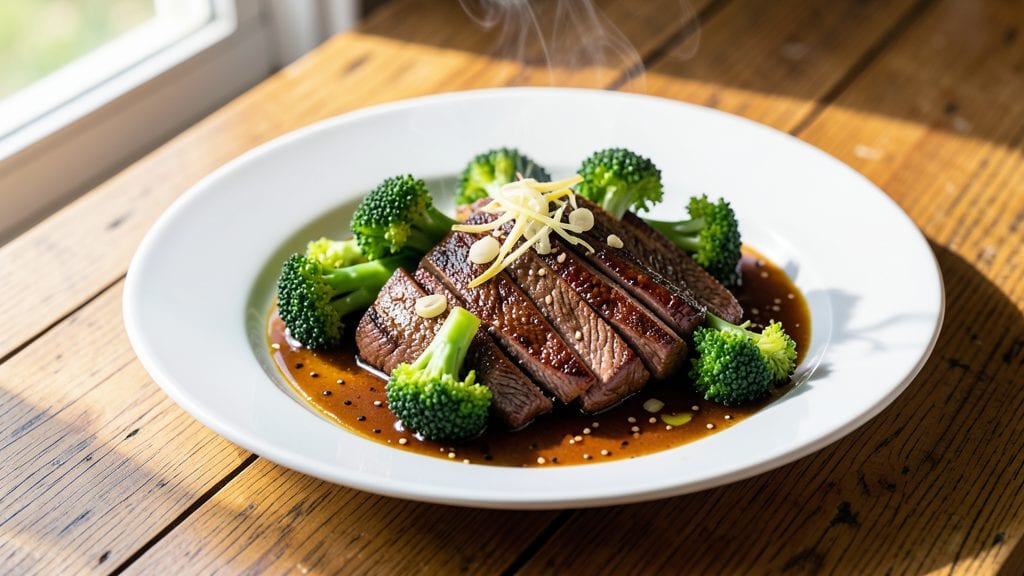
This traditional beef and broccoli recipe delivers the perfect balance of tender beef strips and crisp-tender broccoli florets bathed in a rich, velvety soy glaze.
The secret lies in high-heat searing for the beef and precise blanching to preserve the broccoli's signature crunch, all while building a sauce that's deeply flavorful without being overpowering.
What sets this dish apart is the technique of marinating the beef in a simple soy-ginger mixture before stir-frying, which ensures maximum tenderness and flavor absorption. Meanwhile, the broccoli gets a quick blanch to soften just enough while maintaining its natural snap—no mushy florets here.
The sauce reduction happens in the same wok, creating a glossy, aromatic glaze that clings beautifully to both components.
By the time you plate this dish, you'll have perfectly seared beef strips with a caramelized sheen, broccoli florets that stay vibrant and crunchy, and a sauce that's thick enough to coat but light enough to drizzle. The result is a restaurant-quality meal that's authentic yet approachable for home cooks.
Serve over steamed jasmine rice to soak up every last bit of that flavorful sauce, or garnish with toasted sesame seeds and sliced green onions for added texture and color. This recipe brings the essence of classic Chinese-American comfort food to your kitchen—just as it should be made.
Ingredients for traditional beef and broccoli
Authentic ingredients for a restaurant-quality beef and broccoli dish—no shortcuts here.
| Ingredient | Amount | Notes |
|---|---|---|
| Flank Steak 🥩 | 1 ½ lb | Thinly sliced against the grain |
| Broccoli Florets 🥦 | 2 cups | Medium-sized, cut into bite-sized pieces |
| Low-Sodium Soy Sauce 🍶 | ½ cup | For authentic flavor balance |
| Sesame Oil 🫒 | 1 tbsp | Toasted, for aroma |
| Fresh Ginger 🌿 | 2 tbsp | Finely grated, aromatic |
| Garlic Cloves 🧄 | 4 cloves | Minced, for depth |
| Cornstarch 🌾 | 1 tbsp | For sauce thickening |
| Brown Sugar 🍯 | 2 tbsp | Light, for subtle sweetness |
| Rice Vinegar 🍶 | 1 tbsp | For brightness |
| Vegetable Oil 🫒 | 3 tbsp | High smoke point for searing |
| Toasted Sesame Seeds 🌾 | 1 tbsp | For garnish |
| Green Onions 🧅 | 3 whole | Sliced thin, for garnish |
| Salt 🧂 | 1 tsp | Kosher, for seasoning |
| Black Pepper 🌶️ | ½ tsp | Freshly ground |
The flank steak is key—look for well-marbled cuts from the butcher section, not pre-sliced deli packages. Costco or Whole Foods carry excellent quality, but any reputable grocery store’s fresh meat counter will do. Slice it thinly against the grain for tenderness; use a sharp knife and don’t rush. Broccoli should be bright green and firm, not yellowing or rubbery. Organic broccoli from the produce section holds up better during blanching. For the soy sauce, low-sodium is a must—it prevents overpowering saltiness in the finished dish. Toasted sesame oil adds depth, so grab the small bottles at Asian markets for maximum aroma.
No fresh ginger? Powdered ginger at half the amount works, but fresh is ideal. Substitute mirin for rice vinegar if needed, though it’ll add sweetness. For the sauce, cornstarch is non-negotiable—arrowroot powder works too, but cornstarch gives that classic velvety texture. The brown sugar balances the soy’s saltiness, so don’t skip it. If you’re short on time, pre-cut broccoli florets from the frozen section (no ice crystals!) save prep work. The beef marinade can sit for up to 30 minutes—longer if you’re short on time, but no more than an hour to avoid over-marinating.
Store prepped beef in an airtight container for up to 2 days in the fridge, though it’s best used immediately. Broccoli keeps for 4-5 days if wrapped in a damp towel. The sauce can be made ahead and reheated gently—just add a splash of water to thin it if needed. For leftovers, portion into meal prep containers with rice to keep everything fresh. Garnishes like sesame seeds and green onions stay fresh for 1 week in the fridge if stored in sealed bags.
Why You'll Love This Recipe
- One-Pan Magic: I swear by this recipe when I’m too tired to scrub pots—just sear the steak, toss in broccoli, and let the soy and ginger work their magic. The sesame oil finish ties everything together without extra dishes.
- Umami Bomb: That first bite? The low-sodium soy sauce caramelizes into a glossy, savory glaze while the ginger adds a bright kick—no heavy sauces, just pure, addictive flavor. My picky husband actually licks his plate.
- Lunchbox Hero: Double the batch and you’ve got dinner and tomorrow’s lunch sorted. The broccoli stays crisp-tender, the steak slices neatly, and it reheats like a dream—no sad, rubbery leftovers here.
- Budget Power Move: Flank steak stretches further than you’d think, and broccoli’s one of the cheapest veggies out there. I feed four for under $15, and honestly? No one complains when it’s this good.
Step-by-step instructions for traditional beef and broccoli
Here's the method that delivers authentic Asian restaurant quality at home.
Prepare the Flank Steak
Slice the 1.5 lb flank steak thinly against the grain into strips about ¼-inch thick. This ensures tender bites rather than chewy ones. Pat the sliced steak dry with paper towels—removing excess moisture helps achieve that perfect sear we're after.
In a small bowl, combine the 0.5 cup low-sodium soy sauce, 1 tbsp rice vinegar, 2 tbsp brown sugar, 2 tbsp finely grated fresh ginger, and 4 minced garlic cloves. Stir well to dissolve the sugar completely. This marinade creates the signature sweet-savory balance of traditional beef and broccoli.
Add the sliced flank steak to the marinade and toss to coat evenly. Cover and let it marinate for at least 30 minutes at room temperature. The acid in the rice vinegar will tenderize the meat while the soy sauce infuses flavor. Don't skip this step—it makes all the difference in restaurant-quality results.
Sear the Beef and Set Aside
Heat 2 tablespoons of the 3 tablespoons vegetable oil in a large skillet over medium-high heat until shimmering. Add half of the marinated beef strips in a single layer, being careful not to overcrowd the pan. Cook undisturbed for 1-2 minutes until the bottoms develop a deep golden brown crust.
Flip the beef and cook for another 30-60 seconds until cooked through but still slightly tender. Transfer the cooked beef to a plate and repeat with the remaining beef strips, adding more vegetable oil if needed. The beef should be cooked to medium doneness—it will finish cooking in the sauce.
Here's the thing—don't press down on the beef with your spatula. This squeezes out juices and prevents proper browning. Let the beef cook in its own juices until you see those beautiful crusty edges form.
Cook the Broccoli Florets
In the same skillet (no need to clean it—those flavorful browned bits are gold), add the remaining 1 tablespoon vegetable oil. Increase heat to medium-high and add the 2 cups broccoli florets in a single layer. Stir occasionally for 3-4 minutes until the florets turn bright green and develop slight char marks.
You want the broccoli to maintain its crisp-tender texture rather than becoming mushy. If you notice the florets wilting too quickly, reduce the heat slightly. The broccoli should be vibrant green with just a hint of char—this indicates it's cooked to perfection.
Transfer the cooked broccoli to a plate and set aside. Don't overcrowd the pan—cooking in batches ensures even browning. The broccoli will continue cooking slightly when combined with the beef later.
Create the Velvet Soy Glaze
Reduce the heat to medium-low and add the 1 tablespoon sesame oil to the skillet. Pour in the remaining marinade (about ¼ cup) and bring to a gentle simmer. Let it reduce by half, about 2-3 minutes, until slightly thickened and glossy.
In a small bowl, whisk together the 1 tablespoon cornstarch with 2 tablespoons water to create a slurry. Slowly pour this into the simmering sauce while stirring constantly. The sauce will thicken dramatically—this creates that signature velvety texture we're after.
Return the beef and broccoli to the skillet, tossing everything together to coat evenly with the sauce. Cook for another 1-2 minutes until everything is heated through and the sauce clings beautifully to both components. The dish should look glossy and inviting at this point.
Finish and Serve
Remove the skillet from heat and stir in the 1 tablespoon toasted sesame seeds. This adds both visual appeal and nutty depth to the dish. Taste and adjust seasoning if needed—you might want to add a splash more low-sodium soy sauce for saltiness or a touch of rice vinegar for brightness.
Divide the beef and broccoli among four plates, garnishing each serving with thinly sliced green onions. The dish should have beautiful contrast—tender beef, crisp-tender broccoli, and that glossy, velvety sauce. Serve immediately over steamed white rice to soak up all that delicious sauce.
This traditional beef and broccoli delivers that perfect balance of sweet, savory, umami, and a touch of acidity. Each bite should offer tender beef with that satisfying chew, crisp-tender broccoli, and a sauce that coats your palate beautifully. The key is in the technique—proper searing, careful timing, and that velvety sauce make all the difference.
Pro Tips For Making Traditional Beef And Broccoli
- SLICE THINLY BEFORE SEASONING: Flank steak is stubborn—don’t fight it. Cut against the grain into ¼-inch slices after salting and resting, or you’ll end up with chewy, uneven pieces that look like they came from a steakhouse reject.
- STEAM BROCCOLI FIRST: I used to toss raw florets in the pan and pray for even cooking. Now I blanch them in boiling water for 30 seconds, then shock in ice water—this keeps them vibrant and prevents a soggy mess when they hit the sauce.
- SAVE THE SESAME OIL: That tiny bottle of sesame oil isn’t a garnish—it’s the soul of the dish. Add it last, just before serving, or it’ll burn into bitter oblivion. A splash over the finished plate is enough to make it sing.
- DON’T OVERSTIR THE SAUCE: Low-sodium soy sauce and ginger need time to meld, not a whipping. Let the beef sear first, then add just enough sauce to deglaze, and simmer uncovered for 3-4 minutes. Stirring constantly turns it into glue.
Serving suggestions for leftovers
Rice Pairing Essentials
Steamed jasmine rice is my go-to for this dish—its delicate floral aroma complements the beef's richness without overpowering it. Cook 1 cup jasmine rice with 1.25 cups water for perfect fluffy grains. For extra fluffiness, use a bamboo steamer basket over boiling water for 15 minutes after initial cooking. 🌱
If you prefer a nuttier base, short-grain brown rice adds hearty texture. Rinse it thoroughly before cooking to remove excess starch, then simmer with 1.5 cups water for 45 minutes. The extra cooking time ensures tender grains that hold up to the sauce's weight.
Garnish Game Changers
Fresh green onions sliced into ¼-inch pieces add vibrant color and a crisp bite. Toast 1 tbsp sesame seeds in a dry pan for 1 minute until golden—this enhances their nutty aroma. Sprinkle both over the dish right before serving to maintain freshness. 🌿
For a smoky twist, add ½ tsp smoked paprika to the sauce during the final 2 minutes of cooking. This subtle depth pairs beautifully with the beef's natural richness. I also love a drizzle of chili oil (find it at Asian markets) for guests who crave heat.
Sauce Presentation Tips
Use a small spoon to drizzle sauce artistically over the beef and broccoli—this creates visual appeal while keeping portions controlled. For extra shine, brush the plate edges with a tiny bit of sesame oil before plating. The glossy finish makes the dish look restaurant-worthy. ✨
Serve family-style in a wok or large skillet for communal dining—this lets everyone customize their portions. For individual servings, use shallow bowls to showcase the dish's vibrant colors. The contrast between the beef's caramelized edges and broccoli's bright green makes every bite inviting.
Side Dish Harmony
A simple cucumber salad with ½ cup rice vinegar, 1 tbsp sugar, and a pinch of salt cuts through the dish's richness. Thinly slice 1 English cucumber and toss with 2 tbsp sesame seeds for crunch. The cool, refreshing flavors balance the warm beef perfectly. 🥒
For a protein boost, serve with steamed edamame tossed in ½ tsp soy sauce and a sprinkle of furikake (Japanese seasoning). The edamame's natural sweetness complements the beef's savory notes while adding a satisfying texture contrast.
Nutrition facts
Frequently asked questions
Why does my beef turn out chewy instead of tender?
Chewy beef usually means the slices weren't cut against the grain or cooked long enough. Always slice flank steak perpendicular to the muscle fibers for tenderness. Also, don't overcook—beef should be cooked to medium doneness (145°F internal temp) and finished in the sauce.
Can I substitute flank steak with another cut?
Yes! Sirloin or ribeye work well, but slice them thinly against the grain. Avoid tougher cuts like chuck—it won't tenderize properly. For leaner options, marinate for 30-60 minutes longer. The key is thin, even slices.
How do I keep the broccoli crisp-tender?
Blanch broccoli in boiling water for 1 minute before stir-frying, then shock in ice water. This stops cooking while preserving color. When stir-frying, use high heat and cook in batches to avoid steaming. The florets should stay bright green with slight char.
What's the best way to make this dish ahead of time?
Prepare the beef and broccoli separately, then refrigerate in airtight containers for up to 2 days. Reheat in a skillet with a splash of water, then finish with fresh sauce. For the sauce, make it ahead and reheat gently—stir in cornstarch slurry fresh to maintain thickness.
Can I make this gluten-free?
Yes! Use tamari (gluten-free soy sauce) and ensure cornstarch is certified gluten-free. Check all ingredients—some sesame oils and sauces contain wheat. The technique remains identical, just swap the soy sauce.