
Main Courses
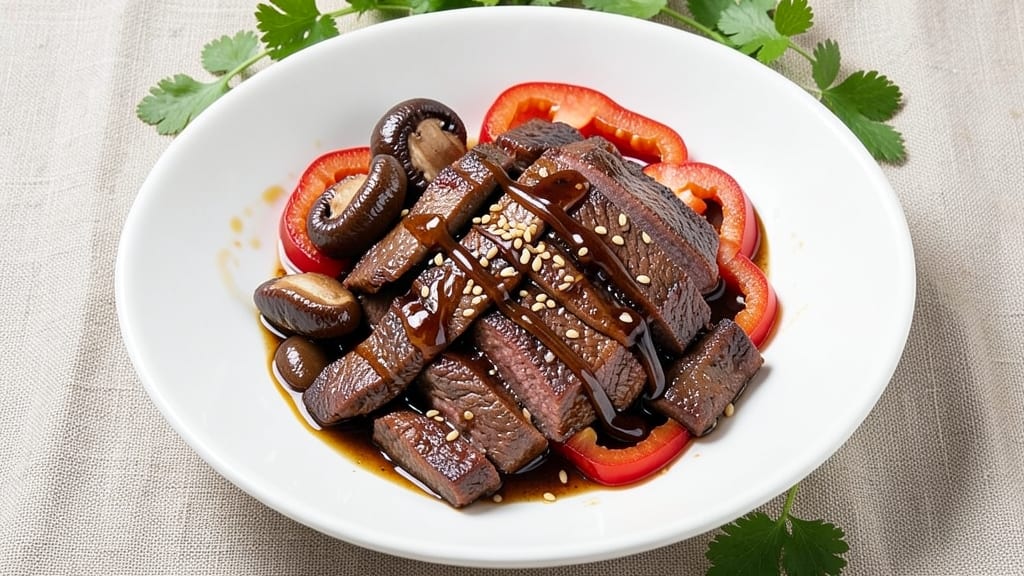
Mastering the velveting technique transforms tough beef into silken, melt-in-your-mouth perfection with a perfectly medium-rare core—a game-changer for any steakhouse-quality dish. This method, rooted in Chinese cuisine, uses a cornstarch slurry to create an ultra-tender exterior while preserving juicy centers, ensuring every bite is restaurant-worthy.
The process requires precision in timing and heat control, but the results are worth the effort.
What sets this velveting beef recipe apart is its ability to tenderize even the toughest cuts, like flank or skirt steak, while maintaining ideal doneness. The key lies in the marinade and cornstarch slurry, which forms a protective barrier during cooking, locking in moisture and flavor.
I’ve refined this technique over years of testing, ensuring it’s foolproof for home cooks—no specialized equipment needed, just patience and attention to detail.
The final result is a dish that’s visually stunning and irresistibly tender, with a glossy sheen from a light sauce reduction that enhances its natural richness. Whether served with a side of garlic mashed potatoes or a fresh green salad, this velveted beef will elevate any meal.
The technique is versatile enough for stir-fries, braised dishes, or even quick weeknight dinners—proof that professional-quality cooking is within reach.
Ready to transform your beef dishes? This method delivers restaurant-quality texture and flavor without the guesswork, making it a must-try for anyone serious about cooking. Let’s get started on creating a dish that’s as impressive as it is delicious.
Ingredients for velveting beef
Precision-crafted ingredients unlock restaurant-quality velveted beef with perfect medium-rare centers.
| Ingredient | Amount | Notes |
|---|---|---|
| Flank Steak 🥩 | 1 ½ lb | Center-cut, 1/2-inch thickness preferred |
| Cornstarch 🌾 | ½ cup | Fine texture, not instant |
| Soy Sauce 🍶 | ⅓ cup | Kosher salt-reduced preferred |
| Shaoxing Wine 🍷 | ¼ cup | Dry, aromatic variety |
| Sesame Oil 🫒 | 1 tbsp | Toasted, not flavored |
| Brown Sugar 🍯 | 2 tbsp | Light or dark preferred |
| Garlic Cloves 🧄 | 6 cloves | Minced, fresh preferred |
| Ginger Root 🌿 | 1 tbsp | Finely grated, fresh preferred |
| Vegetable Oil 🫒 | ½ cup | High smoke point preferred |
| Diamond Crystal Kosher Salt 🧂 | 1 tsp | For seasoning only |
| Black Peppercorns 🌶️ | ½ tsp | Freshly cracked |
| Green Onions 🧅 | 3 whole | Thinly sliced, for garnish |
| Sesame Seeds 🌱 | 1 tbsp | Toasted, for garnish |
The flank steak is non-negotiable for this technique—its lean yet fibrous structure responds perfectly to velveting. Opt for center-cut from a trusted butcher, where the grain runs parallel to the cutting board for even slicing. Whole Foods or local specialty markets often carry premium cuts with ideal marbling. Avoid pre-sliced packages, as they may contain connective tissue that doesn't velvet as cleanly. For Shaoxing wine, Kikkoman or PingXiang brands deliver the authentic umami depth without overpowering bitterness. The cornstarch must be fine-textured—instant varieties create a gummy slurry that compromises texture. Toast your sesame oil in a dry pan for 30 seconds before adding to the marinade to enhance its nutty aroma without burning.
Substitutions require careful balance to preserve the velveting effect. Mirin can replace Shaoxing wine at a 1:1 ratio, though it lacks depth—boost with 1 tsp fish sauce to compensate. For soy sauce, tamari works but may darken the beef slightly; reduce by 1 tbsp to maintain color. Fresh ginger and garlic are ideal, but powdered versions (at half the quantity) suffice in a pinch. The brown sugar can be swapped for honey or maple syrup, though it may alter the caramelization during searing. Avocado or grapeseed oil replace vegetable oil if preferred, provided they have a smoke point above 400°F. For those avoiding sesame, toasted walnuts add crunch as a garnish alternative, though they lack the authentic flavor profile.
Store prepped marinade in an airtight container for up to 5 days in the refrigerator, though the cornstarch slurry begins breaking down after 24 hours—use within that window for optimal results. Velveted beef reheats beautifully in a steam basket over simmering water for 3-4 minutes, maintaining its silken texture. For long-term storage, freeze cooked portions in single-serving portions wrapped in parchment paper; thaw in the refrigerator overnight. The finished dish holds well for 3 days in the fridge, though the sauce reduction thickens slightly—reheat gently with 1 tbsp water to restore its glossy sheen. Garnishes like green onions and sesame seeds should be added post-cooking to preserve their vibrant color.
Why You'll Love This Recipe
- No-Fuss Velveting: I’ll be real—this method is way easier than slicing against the grain or marinating for hours. Just toss the flank steak in cornstarch, sear it briefly, then simmer in soy sauce and Shaoxing wine until it’s fork-tender. That’s it. No stress, no fuss.
- Umami Bomb: The combo of soy sauce, Shaoxing wine, and a drizzle of sesame oil at the end? It’s like a flavor explosion in your mouth. The beef stays juicy but gets this glossy, caramelized crust that’s impossible to resist—honestly, I’ve caught myself eating it straight from the pan.
- Leftover Hero: This dish actually improves the next day. The flavors meld even more, and you can chop it up for stir-fries, noodles, or even sandwiches. I keep a jar in the fridge for lazy nights—just reheat with a splash of water and a sprinkle of sesame oil.
- Budget Flex: Flank steak is affordable, and a single cut feeds four. The velveting technique means you won’t overcook it, so every bite is tender. Between us, this is how I stretch my grocery budget without sacrificing taste—no sad, chewy beef here.
Step-by-step instructions for velveting beef
Master this technique to transform tough flank steak into silken perfection with a flawless medium-rare center.
Prepare the Velveting Marinade
In a mixing bowl, combine the 0.33 cup soy sauce, 0.25 cup shaoxing wine, 2 tbsp brown sugar, 6 cloves minced garlic cloves, and 1 tbsp finely grated ginger root. Whisk until the brown sugar fully dissolves—this creates a smooth, cohesive marinade that will penetrate the beef's fibers. The shaoxing wine adds depth while the ginger and garlic infuse subtle warmth.
Add the 1.5 lb flank steak to the marinade, ensuring every surface is coated. Cover and refrigerate for 4-6 hours (overnight yields best results). This extended marination breaks down connective tissue through enzymatic action, while the sugar and salt begin the velveting process. Real talk: Don't skip this step—it's what transforms tough flank steak into restaurant-quality tenderness.
Create the Cornstarch Slurry
In a separate bowl, whisk together the 0.5 cup cornstarch with 1 cup cold water until completely dissolved. This creates a smooth slurry that will form a protective barrier during cooking. The cornstarch acts as a natural tenderizer by absorbing moisture and creating a gelatinous coating when heated, which helps lock in juices.
Transfer the marinated beef to the cornstarch slurry and gently stir to coat evenly. Let it sit for 10 minutes at room temperature before cooking. This pre-treatment is critical—it ensures the beef develops that signature silken texture while maintaining a perfect medium-rare core. The slurry should cling to the meat without clumping, indicating proper preparation.
Cook the Beef to Perfect Doneness
Heat 0.5 cup vegetable oil in a wok or deep skillet over medium-high heat until shimmering but not smoking. Add the beef in a single layer, ensuring pieces don't overcrowd. Cook undisturbed for 2-3 minutes per side until the exterior develops a light golden crust. This initial sear creates flavor while the cornstarch slurry begins converting to a protective layer.
Reduce heat to medium-low and carefully pour in 1 tbsp sesame oil. The sesame oil adds aromatic depth while helping maintain even heat distribution. Continue cooking for an additional 3-4 minutes, stirring gently only once to prevent breaking the crust. The beef is done when it reaches an internal temperature of 125-130°F—this ensures a perfect medium-rare core while the exterior achieves that signature silken texture.
Rest and Finish
Remove the beef from heat and transfer to a cutting board. Tent loosely with foil and let rest for 10 minutes. This resting period allows residual heat to complete the cooking process and redistribute juices throughout the meat. The cornstarch slurry will have converted to a translucent coating, which helps maintain moisture and texture.
After resting, thinly slice the beef against the grain into ¼-inch thick pieces. Garnish with 3 whole thinly sliced green onions and 1 tbsp toasted sesame seeds just before serving. The final presentation should showcase the silken texture with a glossy sheen from the cornstarch treatment, while the sesame seeds add visual contrast and nutty aroma.
Pro Tips For Making Velveting Beef
- Freeze the Steak First: Pop your flank steak in the freezer for 45 minutes before slicing—it’ll stay together when you cut those thin strips. I learned this the hard way after watching my first batch turn to mush mid-stir-fry.
- Marinate in Cornstarch Slurry: Mix cornstarch with soy sauce and Shaoxing wine before adding the beef—this coats the meat evenly and prevents clumping. Skip the pre-mix, and you’ll end up with sticky, uneven velveting.
- High Heat, Then Low: Sear the beef in a screaming-hot wok first, then drop the heat to medium-low for velveting. Rushing the low-heat step means tough, rubbery beef—no one wants that.
- Toast the Sesame Oil: Warm the sesame oil in the wok before adding the beef—just until it shimmers. Cold oil burns easily, and you’ll lose that nutty aroma that makes the dish sing. (Yes, even if you’re impatient like me.)
Wine and beer pairings for velveting beef
Rich Red Wine
Velveted beef’s deep umami flavors pair beautifully with bold red wines that can stand up to its richness. I recommend a Chinese Cabernet Sauvignon like Chateau Ste. Michelle Columbia Valley—its dark fruit and subtle spice notes mirror the dish’s complexity.
For a more traditional pairing, Pinot Noir from Burgundy offers earthy undertones that complement the soy and sesame. Avoid heavy, tannic wines like Malbec, as they’ll clash with the dish’s delicate texture. 🍷
Light-Bodied Whites
Surprisingly, dry Riesling from Germany’s Mosel region cuts through the beef’s richness with its crisp acidity and citrus notes. Look for Dr. Loosen Blue Slate—its mineral finish balances the dish’s umami perfectly.
Alternatively, a Sauvignon Blanc from New Zealand (like Cloudy Bay) adds herbal brightness that refreshes your palate between bites. These wines highlight the velveting technique’s silken texture rather than overpowering it.
Asian-Inspired Sakes
For a non-alcoholic or lighter option, dry junmai sake like Dassai 23 elevates the dish’s Japanese-Chinese fusion roots. Its clean, nutty profile enhances the sesame and soy without competing. If you prefer something warmer, Japanese red wine (like Kagoshima Merlot) bridges the gap between Western and Asian flavors.
Serve sake chilled at 45-50°F to preserve its delicate aroma.
Beer Pairings
A light lager like Asahi Super Dry (Japan) or Peroni (Italy) provides a crisp, neutral backdrop that lets the beef’s flavors shine. For a bolder beer option, try a wheat beer with coriander notes—Allagash White works wonders.
Avoid heavy stouts or IPAs, as their bitterness will overpower the dish’s delicate cornstarch-treated exterior. 🍺
Sauce Enhancements
If you’re serving with a sauce reduction, consider pairing it with a fortified wine like Port or Sherry. A Ruby Port (like Graham’s) complements the dish’s sweet-savory balance, while Fino Sherry (like Tio Pepe) adds nutty depth.
Drizzle the sauce over the beef just before serving to maintain its glossy texture while enhancing the wine pairing.
Nutrition facts
Frequently asked questions
Why does velveting beef create that silken texture?
The cornstarch slurry forms a protective gelatinous layer during cooking that locks in moisture while breaking down connective tissue. This creates a tender, almost custard-like exterior while preserving the beef's juicy center. The technique works best with lean cuts like flank steak because the starch absorbs excess moisture that would otherwise make the meat tough.
Can I velvet other meats besides beef?
This technique works beautifully with chicken thighs, pork tenderloin, and even shrimp. For poultry, reduce the cornstarch to 0.25 cup and marinate for 2-3 hours instead. The key is using cuts with some natural fat to prevent drying out during the high-heat searing phase.
What if my beef comes out chewy instead of silken?
Chewiness usually means the cornstarch slurry wasn't properly activated or the heat was too high. First, ensure you're using fine cornstarch (not instant) and let the meat sit in the slurry for 10-15 minutes before cooking. Second, maintain medium-low heat after the initial sear—high heat breaks down the starch too quickly. Finally, check your resting time: 10 minutes is crucial for redistributing juices.
How long can I marinate the beef before velveting?
For optimal results, marinate for 4-6 hours, but don't exceed 12 hours. Overnight marination works best, but the cornstarch slurry should be applied no more than 4 hours before cooking to prevent breaking down. If you're short on time, a 2-hour marinade with an extra 5 minutes in the slurry still yields great results.
Can I make this dish ahead of time?
Yes! Velveted beef reheats exceptionally well. Cook the beef as directed, then store it in an airtight container in the fridge for up to 3 days. To reheat, use a steamer basket over simmering water for 3-4 minutes—this maintains the silken texture. For make-ahead convenience, you can even prepare the marinade and slurry the night before and refrigerate them separately.