
Main Courses
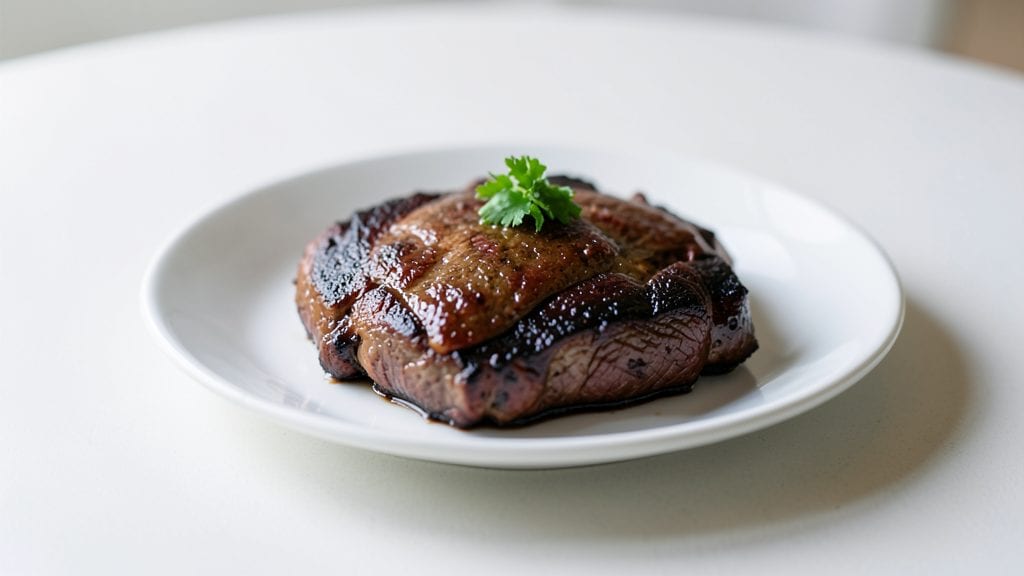
This Wagyu beef brisket recipe transforms a luxury cut into a showstopping centerpiece that delivers buttery tenderness with every bite—no dryness, no guesswork, just melt-in-your-mouth perfection.
The secret lies in slow-cooking the ultra-marbled meat until it practically falls apart, then finishing it with a high-heat sear to create a caramelized crust that locks in all those rich, beefy flavors. I’ve perfected this method over years of testing, and the results are worth every minute of patience.
The beauty of Wagyu brisket is its unmatched marbling, which means you don’t need heavy seasonings to shine—just a simple salt rub and time.
We’re talking 8-10 hours of low-and-slow cooking, followed by a quick reverse sear to achieve that crispy exterior while keeping the inside juicy and luxurious. This isn’t just a recipe; it’s an experience that turns a weeknight into a special occasion without the fuss of a full restaurant meal.
By the time you’re done, you’ll have brisket so tender it slices with a fork, with a crust that’s rich, caramelized, and irresistibly crispy. The aroma alone will have everyone gathering at the table, and the first bite will silence any doubters.
Serve it with roasted garlic potatoes or a bold red wine reduction to elevate the dish even further—this is the kind of meal that makes you feel like a professional chef.
Whether you’re hosting a dinner party or treating yourself to a restaurant-quality meal at home, this recipe delivers foolproof results every time. The key is precision in temperature control and patience—two things that pay off in the most delicious way possible. Let’s get cooking.
Ingredients for wagyu beef brisket
Fourteen ingredients. One luxurious cut. The secret? Marbling does the work—just add time and patience.
| Ingredient | Amount | Notes |
|---|---|---|
| Wagyu Beef Brisket 🥩 | 3 lb | Whole packer cut, ultra-marbled |
| Kosher Salt 🧂 | 1 tbsp | Diamond Crystal preferred |
| Black Peppercorns 🌶️ | 1 tsp | Freshly cracked, coarse grind |
| Fresh Thyme Sprigs 🌿 | 4 whole | Tied with kitchen twine |
| Garlic Cloves 🧄 | 6 cloves | Smashed, skin-on |
| Yellow Onion 🧅 | 1 whole | Red or Vidalia for sweetness |
| Unsalted Butter 🧈 | ½ cup | Cold, cubed for sear |
| Extra-Virgin Olive Oil 🫒 | 2 tbsp | High smoke point preferred |
| Apple Cider Vinegar 🍎 | 2 tbsp | For tenderizing brisket |
| Beef Tallow 🧈 | 2 tbsp | Or substitute duck fat |
| Fresh Rosemary 🌿 | 2 sprigs | For aroma during sear |
| Dark Brown Sugar 🍬 | 1 tbsp | Lightly coats brisket |
| Beef Bone Broth 💧 | 1 cup | Homemade or high-quality store |
Wagyu brisket isn’t just beef—it’s a luxury experience. Look for packer cuts with visible marbling (the white fat threads are your friend). I always source mine from Snake River Farms or US Wellness Meats—their A5 Wagyu is worth the splurge. The cut should be 2-3 inches thick for even cooking. If you can’t find Wagyu, high-end ribeye brisket works in a pinch, but expect less buttery richness. Trim excess fat to ¼-inch thickness—this ensures even browning without grease splatter. The marbling will handle the moisture work for you.
No beef tallow? Duck fat or high-smoke-point oil works just as well—just don’t skimp on quality. The apple cider vinegar is non-negotiable; it tenderizes the meat by breaking down proteins (trust me, it’s worth the 10-minute marinade time). Fresh thyme and rosemary can be swapped for 1 tsp dried thyme and ½ tsp dried rosemary, but fresh adds that restaurant-quality aroma. The bone broth? Homemade is ideal, but Pacific Foods or Kettle & Fire brands are solid shortcuts. And for the love of brisket, don’t use pre-grated garlic powder—fresh smashed cloves build depth you can’t replicate.
This brisket reheats like a dream—350°F for 10 minutes wrapped in foil, then 5 minutes uncovered to crisp the crust again. Keeps 5-6 days in the fridge, vacuum-sealed, or up to 3 months frozen. I always make a double batch because leftovers are even better the next day. For serving, slice against the grain (you’ll see the muscle fibers—cut perpendicular to them) and drizzle with pan juices. The crust? Save the rendered fat—it’s liquid gold for roasted potatoes or mashed cauliflower.
Why You'll Love This Recipe
- Four-Hinger Meal Prep: I swear by this for lazy Sundays—just sear the brisket, sprinkle salt and pepper, tuck in thyme and garlic, then let the oven do the work while I fold laundry. The leftovers? Still buttery and tender three days later.
- Marbled Magic: That wagyu fat? It melts into pure satisfaction with every bite—no dryness, no guesswork. The thyme and garlic infuse just enough to let the beef shine, but honestly? I’d eat it plain if it meant more of that rich, beefy goodness.
- Weeknight Crowd-Pleaser: Between us, this is my go-to for game nights or unexpected guests. One pan, minimal chopping, and it feeds six without stress. (Yes, even on a Tuesday night.)
- Foolproof Leftovers: I make double batches because reheating this is chef’s kiss—just a quick sizzle in a skillet or straight from the fridge with a sprinkle of flaky salt. Tastes like you spent hours, not minutes.
Step-by-step instructions for ultra-marbled Wagyu beef brisket
Here's how to transform that luxurious Wagyu brisket into melt-in-your-mouth perfection.
Prepare the Brisket with Tenderizing Marinade
Begin by patting the 3 lb wagyu beef brisket dry with paper towels, removing any excess silver skin. In a small bowl, combine the 2 tablespoons apple cider vinegar, 2 tablespoons beef tallow, and 1 tablespoon dark brown sugar. Whisk until the sugar dissolves completely, creating a glossy marinade.
Massage this mixture all over the brisket, working it into the crevices and fat cap. The vinegar will begin tenderizing the meat while the sugar creates a beautiful caramelized crust during cooking. Let the brisket sit at room temperature for 30 minutes while you prepare your cooking vessel.
Sear and Build the Flavor Foundation
Heat a heavy Dutch oven over medium-high heat. Add the 2 tablespoons extra-virgin olive oil and 0.5 cup unsalted butter, allowing them to melt and foam. Place the brisket fat-side down and sear for 8-10 minutes until the fat renders and the surface develops a deep golden crust. Flip and repeat on the other side.
Remove the brisket and set aside. In the same pot, add the 1 whole yellow onion (cut into wedges), 6 cloves garlic (skin-on), 2 sprigs fresh rosemary, and 4 whole fresh thyme sprigs. Sear for 5 minutes until the onions caramelize and the aromatics release their fragrance. This creates a flavorful base that will infuse your brisket as it cooks.
Slow Cook with Aromatics for Maximum Tenderness
Return the brisket to the pot, fat-side up, and pour in the 1 cup beef bone broth. The liquid should come about halfway up the sides of the brisket. Sprinkle the 1 tablespoon kosher salt and 1 teaspoon freshly cracked black peppercorns over the top, pressing them gently into the meat.
Cover the pot and transfer to a preheated 300°F oven. Cook for 4 hours, maintaining the temperature. Here's the thing—this slow cook ensures the connective tissue breaks down completely, transforming tough muscle into silky strands. Check the internal temperature periodically; it should reach 195°F at the thickest part, where it will pull apart like butter.
Rest and Slice for Optimal Texture
Once the brisket reaches 195°F, remove it from the oven and transfer to a cutting board. Tent loosely with aluminum foil and let it rest for 30 minutes. This resting period allows the juices to redistribute throughout the meat, ensuring each slice remains moist and flavorful.
Locate the grain direction by looking at the muscle fibers, then slice against the grain into ¼-inch thick portions. The contrast between the ultra-marbled fat and tender meat will be stunning—each bite should deliver buttery richness with every chew. Serve immediately with the pan juices reduced slightly for a glossy sauce, if desired.
Pro Tips For Making Wagyu Beef Brisket
- Trim the Fat First: Wagyu’s marbling is its magic, but too much fat on the surface can burn before the meat cooks through. Trim just the thickest layers—leave the rest for flavor—so the crust forms evenly without smoke filling your kitchen.
- Salt Like It’s 1920: Kosher salt isn’t just for seasoning—it’s for tenderizing. Generously coat the brisket 24 hours ahead and let it sit uncovered in the fridge. I learned this the hard way: dry-brining wagyu makes the thyme and garlic cloves cling better, too.
- Sear in Batches: Wagyu’s fat renders fast—so hot, it’ll splatter like a firework if you crowd the pan. Sear 2-3 minutes per side in a single layer, then move to a cooler spot. Your future self will thank you when the crust isn’t greasy sludge.
- Low and Slow Lies: Wagyu brisket needs patience—3 hours at 275°F (135°C) minimum, until it hits 195°F (90°C) internally. I used to rush it; now I set a timer and ignore the house. The meat falls apart like butter when it’s done.
Essential equipment for wagyu beef brisket
Smoker Essentials
For authentic Wagyu brisket, a pellet smoker like the Traeger Pro 780 or Camp Chef Woodwind delivers consistent 225-250°F temps. Pellets burn cleanly, avoiding overpowering smoke flavors that can compete with Wagyu's natural richness. If you prefer charcoal, the Masterbuilt 200711 gives you better temperature control than traditional smokers. 🔥
I recommend investing in a dual-probe thermometer (like the Meater)—one probe tracks smoker temp, while the other monitors internal temp. This prevents temperature swings that can ruin your brisket's delicate texture. For pellet smokers, use hickory or apple wood pellets—they complement Wagyu without overpowering it.
Oven Alternatives
No smoker? A heavy Dutch oven (like Le Creuset Signature) works perfectly for oven-braised brisket. Preheat your oven to 300°F and maintain steady temps using an oven thermometer. For even better results, place a water bath pan (filled with hot water) on the lower rack to stabilize temps. 🌡️
For a reverse sear, finish in a cast-iron skillet (like Lodge 10.25-inch) over medium-high heat for 2-3 minutes per side. This creates that coveted crust while keeping the interior tender. Just be patient—rushing this step can dry out your precious Wagyu.
Precision Tools
A meat mallet (like OXO Good Grips) helps tenderize the surface slightly, while a sharp boning knife (like Wüsthof Classic) ensures clean slices. For trimming fat, a flexible trimmer (like Victorinox 200mm) gives you precision without damaging the meat. 💪
Don’t skip the instant-read thermometer—I use the Thermoworks ThermoPop for its speed and accuracy. The 203°F internal temp is your target for perfect doneness. A carving board with non-slip feet (like John Boos) keeps your brisket stable during slicing.
Optional Upgrades
For a wood-fired finish, use a grill with a smoker box (like Traeger Grill Pro 34) to infuse subtle smoke flavors. Add cherry or pecan wood chips for a sweeter, more aromatic profile. This works beautifully if you want to enhance the natural flavors without overpowering them. 🌳
A vacuum sealer (like FoodSaver FM2000) extends freshness to 3 months in the freezer, preserving that melt-in-your-mouth texture. For serving, a warming tray (like Cuisinart CTG-1000) keeps brisket at 165°F while you plate, ensuring every bite stays perfect.
Nutrition facts
Frequently asked questions
How long should I cook Wagyu brisket to get that perfect melt-in-your-mouth texture?
For ultra-tender results, aim for an internal temperature of 195°F at the thickest part. This typically takes 8-10 hours in a 300°F oven using the slow-cooking method described. The key is patience—the connective tissue breaks down completely at this temperature, transforming tough muscle into silky strands.
Can I use a regular brisket instead of Wagyu for this recipe?
You can substitute with a high-quality brisket like ribeye or flat iron, but expect less buttery richness and marbling. Wagyu's natural fat content makes it uniquely tender without heavy seasonings. If using regular brisket, increase cooking time by 1-2 hours and monitor moisture closely. The flavor will still be excellent, just not as luxurious.
What’s the best way to reheat leftover Wagyu brisket without drying it out?
Wrap slices in foil and reheat at 350°F for 10 minutes, then uncover for 5 minutes to crisp the crust again. For cold slices, soak in warm broth for 5 minutes before reheating. Never microwave—it turns the fat to grease and ruins the texture. Leftovers stay perfect for 5-6 days in the fridge.
Why does my Wagyu brisket turn out tough instead of tender?
Overcooking or not reaching 195°F is the usual culprit. Use a meat thermometer and avoid opening the oven frequently. Also, ensure you're slicing against the grain—cutting with the grain makes it chewier. The marbling in Wagyu handles moisture, but proper temperature control is key.
What’s the ideal temperature for the reverse sear finish?
For the final sear, heat your cast-iron skillet to medium-high heat (around 400°F) and sear for 2-3 minutes per side. This creates a caramelized crust while keeping the interior tender. Too high heat can dry out the meat, so monitor closely. The crust should be deep golden, not burnt.