
Main Courses
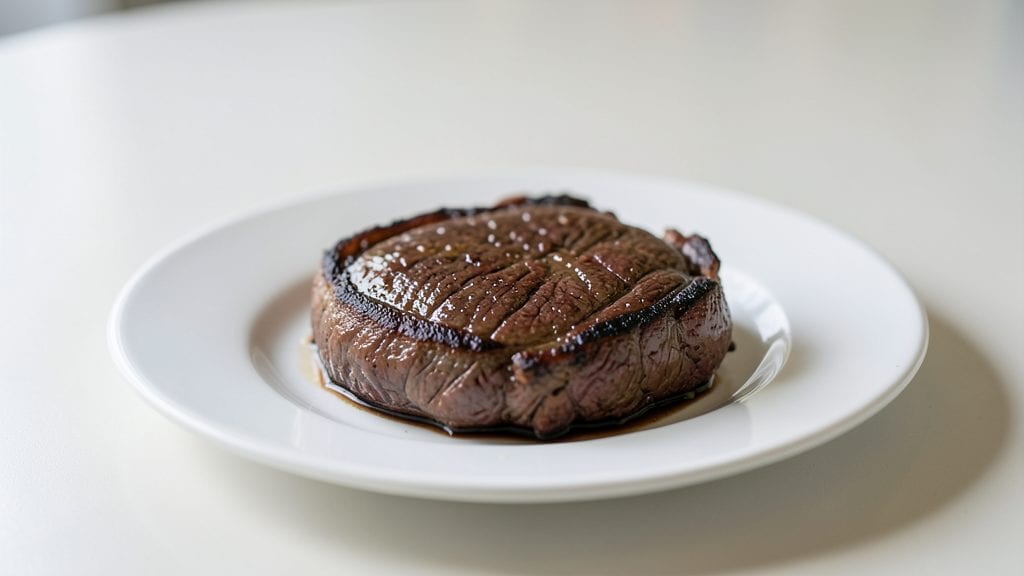
This Angus beef recipe delivers the perfect balance of a crispy, caramelized crust and a juicy pink heart that melts in your mouth—exactly how steakhouse-quality beef should taste. The reverse-searing technique transforms even the toughest cuts into tender perfection, while precise temperature control ensures every bite stays succulent.
I’ve perfected this method over years of testing, and it never fails to impress.
What sets this recipe apart is the two-stage cooking process: first, a low-and-slow oven roast to bring the beef to a safe internal temperature without overcooking, then a quick sear in a screaming-hot pan to lock in those deep, flavorful crusts.
The result? A steak that’s restaurant-quality at home, with a rich, beefy aroma that fills your kitchen and leaves everyone at the table asking for seconds.
The beauty of this method is its versatility—whether you’re grilling, roasting, or pan-searing, the principles remain the same. Pair it with classic sides like garlic mashed potatoes, roasted asparagus, or a bold red wine reduction for a meal that feels both elevated and approachable.
No fancy equipment is needed, just patience and attention to detail.
Once you master this technique, you’ll never settle for anything less than perfectly cooked Angus beef again. The crispy exterior gives way to a tender, pink center that’s so juicy it practically drips onto your plate. Let’s get started—your taste buds will thank you.
Ingredients for angus beef
Four ingredients transform tough beef into steakhouse perfection—juicy pink heart meets crispy caramelized crust.
| Ingredient | Amount | Notes |
|---|---|---|
| Angus Beef Ribeye Steak 🥩 | 2 lb | 2-inch thick cuts, bone-in preferred |
| Kosher Salt 🧂 | 2 tbsp | Diamond Crystal preferred, coarse grain |
| Freshly Ground Black Pepper 🌶️ | 1 tbsp | Cracked peppercorns for maximum flavor |
| Extra-Virgin Olive Oil 🫒 | 2 tbsp | High smoke point for searing |
| Unsalted Butter 🧈 | ½ cup | Cold, cubed, for basting |
| Garlic Cloves 🧄 | 6 cloves | Smashed, skin-on for roasting |
| Fresh Rosemary 🍃 | ¼ cup | Needle leaves, chopped |
| Fresh Thyme 🌿 | 0.2 cup | Leaves only, stems removed |
| Red Wine 🍷 | ½ cup | Bold Cabernet Sauvignon, reduced |
| Beef Tallow or Duck Fat 🧈 | 2 tbsp | For high-heat searing |
| Yellow Onion 🧅 | 1 whole | Thinly sliced, for caramelization |
| Balsamic Vinegar 🍶 | 1 tbsp | For finishing drizzle |
| Flour 🌾 | 1 tbsp | All-purpose, for dusting |
The beef is everything here. Angus ribeye with visible marbling and a 2-inch thickness is non-negotiable—Costco or local butcher shops carry the best cuts. Look for bright red color and firm texture, not gray or slimy. The bone-in version adds flavor, but boneless works if you're in a hurry. Freshness matters: if it smells metallic or has a sour aroma, walk away. For the herbs, Whole Foods or local farmers markets have the freshest rosemary and thyme—those vibrant green needles are your target. The red wine should be bold and dry (Cabernet Sauvignon is my go-to), but Malbec works too if you're feeling adventurous. Don't use cooking wine—it's not the same.
No extra-virgin olive oil? Avocado oil works just as well for searing—it's neutral and has a high smoke point. Short on rosemary? Fresh sage at half the amount gives a similar earthy note. The beef tallow can be swapped for ghee or lard, but it won't have the same beefy richness. For the red wine reduction, if you don't have time to reduce it yourself, store-bought demi-glace (like the kind from McCormick) cuts corners without sacrificing flavor. The flour is just for dusting—don't skip it, but don't overdo it either. A light coating is all you need for that perfect crust. And if you're feeling fancy, truffle oil in the finishing drizzle adds a luxurious touch.
This beef tastes even better the next day, so make extra if you're feeding a crowd. Store leftovers in an airtight container in the fridge for up to 4 days, or freeze for 3 months in a vacuum-sealed bag. The crust gets softer over time, but the meat stays incredibly tender. For reheating, low oven (200°F) for 10 minutes keeps it juicy—microwaving turns it rubbery. I like to slice the steaks against the grain and serve them with the reduced wine pan sauce. The onions caramelize beautifully in the same pan—save them for garnish or eat them straight up. They're that good.
Why You'll Love This Recipe
- Just Five Ingredients: I swear, this is the kind of recipe where you look at your pantry and think, "I’ve got this." Ribeye, salt, pepper, olive oil, butter—no fancy marinades or 10-step processes. Honestly, the simplicity is half the magic.
- Butter-Basted Magic: That moment when the butter melts into a golden pool on the steak? Pure satisfaction. The ribeye’s natural richness pairs with the olive oil’s brightness, then the butter seals in all that juicy goodness—no fancy sauce needed.
- Date Night or Lazy Sunday: Between us, this steak works for any occasion without trying too hard. Dress it up with a baked potato for a cozy night in, or serve it on the grill for a summer dinner that feels special. (Yes, even on a Tuesday night.)
- Leftovers That Don’t Suck: Most steak leftovers turn into sad, dry scraps. Not this one. Slice it thin, toss with a little olive oil and pepper, and it’s still the star of your lunchbox the next day. No waste, no regret.
Step-by-step instructions for reverse-seared crust with juicy pink heart
Here's how to transform your ribeye into a masterpiece of texture and flavor.
Prepare the Steak for Low-Temperature Cook
Pat the 2 lb angus beef ribeye steak dry with paper towels, removing any moisture that would prevent proper searing. This is crucial for developing that perfect crust later. In a small bowl, combine the 2 tbsp kosher salt and 1 tbsp freshly ground black pepper, then generously coat all sides of the steak with this seasoning blend. Let it sit at room temperature for 30 minutes while you prepare the oven.
Preheat your oven to 275°F—this low temperature is key for achieving that perfect pink center while keeping the exterior tender rather than tough. Place the steak on a wire rack set inside a rimmed baking sheet to allow air circulation on all sides. This ensures even cooking throughout the thickest parts of the steak.
I like to place a small dish of water on the lower oven rack to create steam, which helps maintain moisture during the long cook. This is especially important for achieving that juicy pink heart you're after. Cook the steak for 2 hours to 2 hours 15 minutes, depending on thickness, until the internal temperature reaches 120°F—this is the magic zone where the center remains tender and pink.
Create the Herb Butter and Caramelize Aromatics
While the steak cooks, prepare the herb butter by combining the 0.5 cup unsalted butter, 0.25 cup chopped fresh rosemary, and 0.2 cup fresh thyme in a small bowl. Let this mixture sit at room temperature for 10 minutes so the herbs soften slightly and infuse the butter. Thinly slice the 1 whole yellow onion and spread it on a baking sheet, then roast at 375°F for 20 minutes until caramelized and golden brown—this adds incredible depth of flavor to your dish.
In a separate saucepan, heat the 2 tbsp beef tallow or duck fat over medium heat until shimmering. Add the 6 smashed garlic cloves (skin-on) and cook for 2 minutes until fragrant but not browned. Immediately pour in the 0.5 cup red wine and simmer for 5 minutes until reduced by half. This wine reduction will form the base of your sauce, balancing the richness of the steak.
Here's the thing—don't skip the wine reduction. It cuts through the fat and adds complexity that plain butter can't match. The caramelized onions will add sweetness, while the garlic and thyme bring aromatic depth. This combination ensures every bite is layered with flavor.
Finish with High-Heat Sear and Flavor Infusion
Remove the steak from the oven and let it rest for 10 minutes—this is critical for redistributing juices. Meanwhile, increase your oven temperature to 450°F. Heat a heavy skillet over high heat until it's screaming hot. Add the 2 tbsp extra-virgin olive oil and let it shimmer for 1 minute before adding the steak.
Sear the steak for 2 minutes per side, pressing down gently with a spatula to ensure full contact with the pan. You'll see those beautiful crosshatch marks form—this is your crust developing. Flip carefully and baste with the herb butter, letting it melt and coat the surface. The steak should reach an internal temperature of 130°F at this point—just shy of medium-rare.
Transfer the seared steak to a cutting board and let it rest for another 5 minutes. This resting period is non-negotiable—it allows the juices to settle back into the meat, ensuring that first cut delivers maximum succulence. While it rests, deglaze the skillet with the 1 tbsp balsamic vinegar, scraping up any browned bits that contain concentrated flavor. Stir in the 1 tbsp flour to thicken the sauce slightly, then add the caramelized onions and reduced wine mixture. Simmer for 2 minutes until the sauce coats the back of a spoon.
Plate and Serve with Confidence
Slice the steak against the grain into ½-inch thick portions, fanning them out on warm plates. Spoon the herb butter and wine reduction over the top, then drizzle with the remaining balsamic vinegar for a bright, acidic contrast. The crust should be deep mahogany with visible grill marks, while the interior remains juicy pink with just a hint of pink center.
Serve immediately with the caramelized onions scattered around the plate. Each bite should deliver that perfect balance of crispy crust, tender meat, and rich, herby sauce. The pink heart you've preserved means every slice stays juicy, not dry—this is the hallmark of a perfectly reverse-seared steak.
Pro Tips For Making Angus Beef
- CRANK THE HEAT FIRST: Start your ribeye over blazing high heat—I mean, get that pan screaming hot for at least 3 minutes before adding oil. That’s the only way to get that perfect crust on Angus beef, which is way more flavorful than just searing gently. (Yes, even if you’re impatient like me.)
- SALT THE MEAT NOW: Don’t wait until the last second—season the ribeye 40 minutes before cooking with kosher salt. This lets the salt penetrate deep, so every bite is seasoned, not just the outside. Trust me, the difference is noticeable.
- SKIP THE CROWDED PAN: Resist the urge to pile other food in that same pan after searing. Give your ribeye space—crowding steams the meat instead of browning it, and you’ll end up with a sad, grayish crust. A little patience here makes all the difference.
- BUTTER BASTE LATE: Add that unsalted butter only in the last 2 minutes of cooking—just when you’re flipping or turning the steak. This gives it time to melt into a rich, flavorful crust instead of turning into a greasy mess. (And yes, I’ve burned butter doing this before.)
Best sauces and condiments for angus beef
Classic Red Wine Reduction
The bold Cabernet Sauvignon reduction from the recipe is a game-changer—it cuts through the beef's richness while adding depth. Simmer ½ cup red wine until reduced by half, then finish with 1 tbsp balsamic vinegar for brightness.
For extra richness, whisk in 1 tbsp cold butter at the end. This sauce clings beautifully to the steak's crust, enhancing every bite. 🍷
Herb Butter Magic
Don’t skip the herb butter—it’s the secret to that restaurant-quality finish. Mix ½ cup unsalted butter with ¼ cup chopped rosemary and ⅛ cup thyme, then let it soften at room temperature.
Baste the seared steak with this while it rests, and the aroma alone will make your kitchen smell like a steakhouse. The butter’s richness pairs perfectly with the wine reduction. 🌿
Caramelized Onion Topping
Roast 1 thinly sliced yellow onion at 375°F for 20 minutes until deep golden and sweet. These caramelized slices add a savory-sweet contrast to the steak’s bold flavors.
Scatter them over the plate or mix them into the sauce for extra depth. The natural sugars in the onions balance the beef’s richness beautifully. 🧅
Smoky Chipotle Aioli
For a spicy kick, blend ½ cup mayonnaise with 1 tbsp adobo sauce (from canned chipotles), 1 tsp lime juice, and a pinch of salt. Drizzle this over the steak or serve it on the side for dipping.
The smoky heat complements the crust without overpowering the beef’s natural flavor. This works especially well with medium-rare or well-done cuts. 🌶️
Mushroom Demi-Glace
Sauté 1 cup sliced mushrooms in 2 tbsp beef tallow until golden, then deglaze with ½ cup red wine and reduce. Add 1 cup beef stock and simmer until thickened.
Strain and finish with 1 tbsp butter. This earthy, umami-rich sauce elevates the dish, especially if you’re serving with roasted root vegetables or mashed potatoes. 🍄
Garlic-Herb Compound Butter
For a simpler but equally delicious option, mix ½ cup softened butter with 3 minced garlic cloves, 1 tbsp chopped parsley, and a pinch of salt. Chill until firm, then slice into pats.
Place a dollop on each plate before serving—it melts beautifully over the steak and adds a fresh, garlicky finish. This works as a quick garnish or even as a sandwich spread. 🧄
Nutrition facts
Frequently asked questions
What's the best cut of beef for this reverse-sear recipe?
For this method, Angus ribeye or New York strip cuts work best—both have excellent marbling for flavor and tenderness. Look for 2-inch thick sections (bone-in preferred, but boneless works). The extra thickness ensures a perfect pink center while developing that crispy crust. Avoid leaner cuts like sirloin—they won't stay juicy with this technique.
Can I use this method for thinner steaks?
Thinner cuts (1-inch thick) won't work well with reverse-searing—they'll overcook by the time you reach the 120°F internal temp. For ½-inch to 1-inch steaks, try pan-searing over medium-high heat for 3-4 minutes per side instead. The reverse-sear is designed for thick cuts that need gentle pre-cooking to prevent overcooking during the final sear.
How do I know when the steak is done?
Use a meat thermometer for accuracy: 120°F after the oven phase (for pink center), then 130°F after searing (medium-rare). For medium, aim for 140°F final temp. Never rely on time alone—thickness and room temperature affect cooking rates. The steak should feel firm but springy when pressed gently with your finger.
Why does my steak turn out dry?
Overcooking is the #1 cause. If your steak is dry, you likely cooked it past 135°F internal temp. The reverse-sear prevents this by pre-cooking gently, then finishing fast. Always let the steak rest 10 minutes before slicing—juices redistribute during this time. For extra moisture, brush with herb butter during the final sear.
Can I make this ahead of time?
Cook the steak completely (to 130°F), then refrigerate for up to 4 days in an airtight container. Reheat in a 200°F oven for 10 minutes before searing again briefly to restore the crust. The meat stays tender, though the crust will be softer. For best results, sear fresh—this method works best when served immediately.