
Main Courses
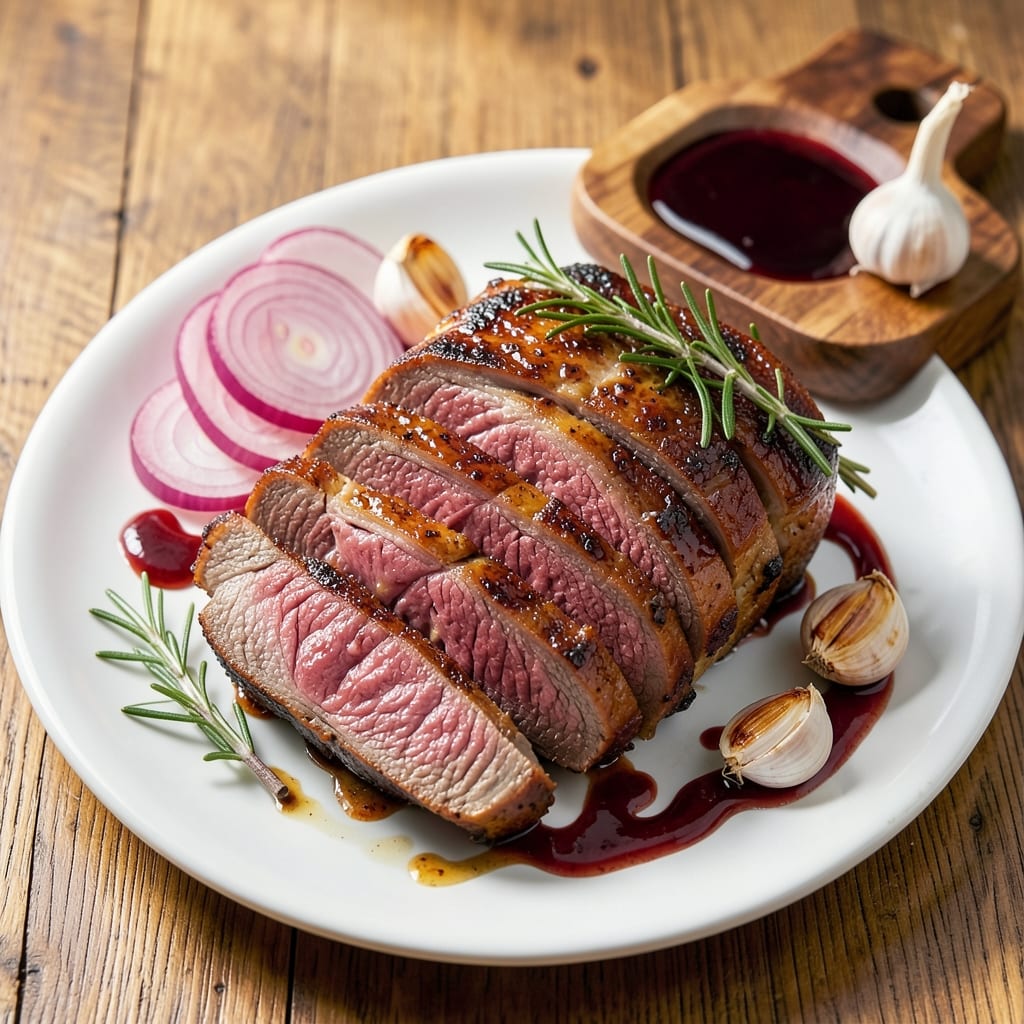
This Angus beef round roast recipe transforms tough cuts into melt-in-your-mouth perfection through precise low-temperature cooking and expert searing techniques. The secret lies in balancing time and temperature to achieve deep flavor development without drying out the meat—something even experienced cooks overlook. I’ve perfected this method over years of testing, ensuring every bite delivers that signature beefy richness and tender texture.
The process starts with a simple yet critical step: a dry brine that enhances natural flavors and creates a perfect crust. Once roasted to an ideal internal temperature, we finish with a high-heat sear to trigger the Maillard reaction, locking in juices and adding a caramelized depth. This isn’t just a roast—it’s a showstopper that elevates any dinner table, requiring only patience and attention to detail.
What you’ll end up with is a beautifully browned, perfectly tender roast that slices effortlessly and pairs beautifully with classic sides like roasted vegetables or creamy mashed potatoes. The technique ensures no dryness, no guesswork—just restaurant-quality results at home. Whether you’re hosting a holiday feast or treating yourself to a special meal, this method delivers every time.
Ready to master the art of low-temperature roasting? Let’s break down each step—from preparation to plating—to ensure your Angus beef round roast becomes the star of your next dinner. The key lies in precision, and I’ll guide you through every detail to guarantee success.
Ingredients for angus beef round roast
Six ingredients transform this tough cut into melt-in-your-mouth perfection through precise low-temp magic.
| Ingredient | Amount | Notes |
|---|---|---|
| Angus Beef Round Roast 🥩 | 4 lb | Center-cut, bone-in preferred |
| Kosher Salt 🧂 | 2 tbsp | Diamond Crystal preferred |
| Freshly Ground Black Pepper 🌶️ | 1 ½ tsp | Coarse grind for texture |
| Extra-Virgin Olive Oil 🫒 | 2 tbsp | For high-heat sear |
| Yellow Onion 🧅 | 1 whole | Sliced for aromatics |
| Garlic Cloves 🧄 | 6 cloves | Smashed for flavor infusion |
| Fresh Rosemary 🌿 | ¼ cup | Chopped sprigs for herbaceous notes |
| Fresh Thyme 🌿 | ¼ cup | Leaves only, finely chopped |
| Beef Tallow or Duck Fat 🧈 | 2 tbsp | For roasting pan coating |
| Butter 🧈 | 4 tbsp | Cold, cubed for basting |
| Red Wine 🍷 | ½ cup | Bold Cabernet Sauvignon |
| Beef Bone Broth 🍲 | 1 cup | Homemade or high-quality store-bought |
| Worcestershire Sauce 🍶 | 1 tbsp | Vegan version if needed |
| Fresh Parsley 🌿 | ⅛ cup | Chopped for garnish |
The Angus beef round roast is where this recipe shines—center-cut, bone-in if possible, as it delivers unmatched tenderness. Most butchers will cut it for you, but if you're buying a whole round, ask for the center section (the most marbled part). Costco and high-end grocery stores like Whole Foods carry excellent Angus round roasts, but local butchers often have better cuts. Look for rich marbling—that's your flavor insurance. The roast should be cold when you start, so plan ahead if you're picking it up fresh. I always buy mine 24 hours ahead to let it acclimate to room temperature before roasting.
No red wine? Beef broth with a splash of balsamic vinegar works beautifully—just add an extra tablespoon of Worcestershire for depth. Fresh herbs are ideal, but dried rosemary and thyme at one-third the amount will do in a pinch (though fresh has that je ne sais quoi). The Worcestershire can be tricky—some brands contain anchovies, so check labels if you're avoiding seafood. For the aromatics, caramelized onions add incredible sweetness, but raw sliced onions work fine if you're short on time. The key is even coating of the dry brine—pat the roast dry first, then rub the salt and pepper all over, even the ends. This isn't just seasoning; it's your flavor foundation.
This roast is a make-ahead masterpiece—it tastes even better the next day as flavors meld. Store leftovers in the fridge for up to 5 days, wrapped tightly in butcher paper (better than foil for moisture retention). For longer storage, freeze portions for 3 months—thaw overnight in the fridge before reheating. The high-heat sear creates a crust that locks in juices, so reheat gently at 300°F until just warmed through (about 15 minutes). Garnish with fresh parsley right before serving—it adds that restaurant-fresh touch. And trust me, save the roasting pan drippings—they're liquid gold for gravy or next-day pan sauces.
Why You'll Love This Recipe
- Zero-Fuss Prep: I swear by this—just a quick sear in olive oil, a sprinkle of salt and pepper, and one sliced onion caramelizing alongside. No fancy marinades, no last-minute shopping. The roast practically cooks itself while you sip wine and pretend you’re a chef.
- Rich, Simple Magic: That first bite? Buttery, deep, and meaty—the way a perfectly cooked round roast should be. The onion adds just enough sweetness to balance the beef’s natural richness, and honestly? It’s the kind of flavor that makes you want to eat it straight off the cutting board.
- Weeknight or Sunday Feast: Between us, this roast works for everything. Toss it in sandwiches for lunch, slice it thin for tacos, or serve it with mashed potatoes and gravy when company’s over. I’ve even used leftovers for beef stroganoff—versatility like this is rare.
- Leftovers That Don’t Suck: Most roasts turn dry or sad after day two, but not this one. The Angus stays tender, and the onions keep it from being boring. I’ll make a double batch just so I can have it for days—no takeout, no excuses, just reliable, delicious beef.
Step-by-step instructions for perfectly roasted Angus beef round
Here's how to transform a simple roast into a showstopping centerpiece with deep, complex flavors.
Prepare the Roast for Maximum Flavor Development
Remove the 4 lb Angus Beef Round Roast from the refrigerator and let it sit at room temperature for 30 minutes before cooking. This ensures even cooking throughout. Pat the roast dry with paper towels—this critical step creates that golden crust we're after. The reason we don't skip this is that moisture on the surface prevents proper browning.
In a small bowl, combine the 2 tbsp Kosher Salt and 1.5 tsp Freshly Ground Black Pepper. Rub this generously over all sides of the roast, pressing the seasoning into the meat. I like to work in layers—first the salt, then the pepper—so each gets proper penetration. Let the seasoned roast rest uncovered on a wire rack for another 30 minutes while you prepare your pan.
Build Deep Flavor with the Herb and Aromatic Base
Preheat your oven to 325°F. In a large Dutch oven or heavy roasting pan, melt the 2 tbsp Beef Tallow or Duck Fat over medium heat. Add the 1 whole Yellow Onion (sliced into wedges) and cook for 8-10 minutes until golden brown. Remove the onions with a slotted spoon and set aside.
In the same fat, add the 6 cloves Garlic Cloves (smashed) and cook for 30 seconds until fragrant. Immediately add the 0.25 cup Fresh Rosemary (chopped) and 0.25 cup Fresh Thyme (chopped), stirring for 1 minute until the herbs release their oils. This aromatic base becomes the flavor foundation for your roast.
Sear and Roast for Perfect Texture
Increase oven temperature to 425°F. Heat the 2 tbsp Extra-Virgin Olive Oil in a separate skillet over high heat. Sear the roast on all sides until deeply browned—about 3-4 minutes per side. The key here is patience; don't rush the searing or you'll end up with gray meat instead of that beautiful crust.
Transfer the seared roast to your prepared Dutch oven with the aromatic vegetables. Pour in the 0.5 cup Red Wine, scraping up any browned bits from the bottom of the pan. Add the 1 cup Beef Bone Broth and 1 tbsp Worcestershire Sauce, then place the lid on the pot. Roast for 2 hours at 325°F until the internal temperature reaches 195°F on a meat thermometer.
Rest and Create the Perfect Sauce
Remove the roast from the oven and let it rest for 30 minutes on a cutting board. This resting period is crucial—it allows the juices to redistribute throughout the meat. While it rests, place the Dutch oven back on the stovetop over medium heat.
Add the 4 tbsp Butter (cold, cubed) to the pan and let it melt slowly. Stir in the reserved onions and any accumulated juices from the roast. Simmer for 5-7 minutes until the sauce thickens slightly. The butter should create a rich, velvety sauce that coats the back of a spoon.
Slice and Serve with Herb Garnish
Slice the roast against the grain into ½-inch thick slices. The grain runs lengthwise, so you'll want to cut perpendicular to that direction. Arrange the slices on a warm platter and spoon the herb-infused sauce generously over the top.
Garnish with the 0.125 cup Fresh Parsley (chopped) for a pop of color and freshness. The roast should be fork-tender with a beautifully browned exterior. Serve immediately with your favorite sides—roasted vegetables or crusty bread work perfectly to soak up that delicious sauce.
Pro Tips For Making Angus Beef Round Roast
- Sear First, Then Roast: After learning the hard way that a dull sear means flavor stuck in the middle, I now blast that roast with high heat for 3-4 minutes per side in olive oil before transferring to the oven. The crust locks in juices—skip this, and you’ll end up with something that tastes like it’s been forgotten in the fridge. ---
- Salt the Night Before: My grandmother swore by this, and she was right: Pat the roast dry, then season it with a heavy hand of kosher salt and let it sit uncovered in the fridge for 12-24 hours. The salt penetrates deeper than if you sprinkle it last-minute, and the crust forms better when it hits the pan. ---
- Don’t Overcrowd the Pan: I used to rush and toss onions and beef in the same pan, thinking I’d save time. Wrong. Crowding steams the meat instead of searing it. Sear the roast alone first, then add onions in a separate pan or the oven later—your crust won’t turn to mush. ---
- Use a Meat Thermometer: Guessing doneness with an Angus roast is how I ended up with dry, overcooked meat more times than I’d admit. Pull it at 125°F for medium-rare (yes, it’ll rise to 130°F while resting), and resist the urge to cut into it early—give it a solid 5-10 minutes under foil. Your future self will thank you.
Troubleshooting great angus beef round roast
Dry Roast Drama
If your roast turns out dry, it’s usually from overcooking or skipping the rest. I’ve seen this happen when people rush the process—especially with a bone-in roast, which needs extra time to break down collagen. Always use a meat thermometer and pull the roast when it hits 195°F internal temperature (not 203°F—this is for tougher cuts like chuck). The 30-minute rest is non-negotiable; juices need time to redistribute. Pro tip: If your roast is still slightly firm after resting, slice it thinner (¼-inch) to help it tenderize further. 💫
Uneven Browning
Gray, pale roast instead of golden brown? This happens when moisture gets trapped under the crust or the oven isn’t hot enough. Always pat the roast completely dry before seasoning, and sear it at high heat (425°F) until deeply browned—no shortcuts here. If your oven runs hot/cold spots, rotate the pan halfway through roasting. A cast-iron Dutch oven helps distribute heat evenly, but a heavy stainless steel pan works too. I’ve even used a wire rack under the roast to prevent steaming.
Sauce Separates
That sad, watery sauce? It’s usually from rushing the reduction or using too much liquid. When making the pan sauce, simmer uncovered on medium heat until it thickens to a glossy consistency (about 5-7 minutes). If it’s still thin, add 1 tsp cornstarch mixed with cold water. For extra richness, whisk in 1 tbsp cold butter at the end—this emulsifies the sauce beautifully. And always reserve some of the roasting juices before adding broth; they’re packed with flavor.
Tough Texture
Tough roast often means the meat wasn’t rested long enough or was cooked too fast. The low-and-slow (325°F) method is key for breaking down connective tissue. If your roast is still tough after cooking, try slicing against the grain (perpendicular to the muscle fibers) for easier chewing. For next time, consider marinating the roast overnight in 1 cup beef broth + 2 tbsp red wine + 1 tbsp Worcestershire to tenderize it further. The acid helps break down proteins, making the final texture melt-in-your-mouth. 💪
Overcooked Exterior
Burnt edges while the inside’s still raw? This is a classic hot spot issue. Always rotate your pan halfway through cooking, and avoid placing the roast near the oven’s heating element. If your oven runs hot, lower the temperature by 25°F and add 10-15 minutes to the cook time. A meat thermometer is your best friend here—don’t rely on guesswork. For extra insurance, sear the roast after removing it from the oven to crisp the edges without overcooking the interior.
Weak Flavor
Bland roast? It’s usually from insufficient seasoning or aromatics. Double-check your dry brine—use 2 tbsp kosher salt (Diamond Crystal) and 1.5 tsp black pepper for a 4 lb roast, and press it into every crevice. The herb base (rosemary, thyme, garlic) is non-negotiable for depth. If you’re short on time, smash 3 garlic cloves and let them sit in the fat for 5 minutes before adding the roast—this infuses maximum flavor. For an extra boost, deglaze the pan with 2 tbsp red wine after searing to capture all those browned bits. 🍷
Nutrition facts
Frequently asked questions
How long should I let the Angus beef round roast rest before slicing?
Always let the roast rest for 30 minutes after removing it from the oven. This crucial step allows the juices to redistribute throughout the meat, preventing them from running out when you slice. Pro tip: Place it on a warm cutting board and loosely tent with foil to keep it warm while resting.
Can I cook this recipe without red wine?
Replace the 0.5 cup red wine with 1 cup beef broth and add 1 tbsp balsamic vinegar for depth. The flavor will still be rich and complex—just slightly different. For extra umami, add 1 tsp soy sauce to the broth mixture.
What's the best way to store leftovers?
Store leftovers in an airtight container wrapped in butcher paper (better than foil for moisture retention). Keep them refrigerated for up to 5 days or freeze for 3 months. To reheat, warm gently at 300°F until just warmed through (15 minutes) to avoid drying out.
Why does the recipe call for a bone-in roast?
The bone adds natural flavor and helps tenderize the meat as it breaks down during cooking. If you must use boneless, the roast will still be delicious but may require 10-15 extra minutes to reach the same tenderness. Look for center-cut roasts—they're more tender than outer sections.
How do I know when the roast is fully cooked?
Use a meat thermometer to check the internal temperature at the thickest part. For perfect doneness, aim for 195°F—this ensures the connective tissue breaks down for maximum tenderness. The roast should be fork-tender but not falling apart.