
Soups & Stews
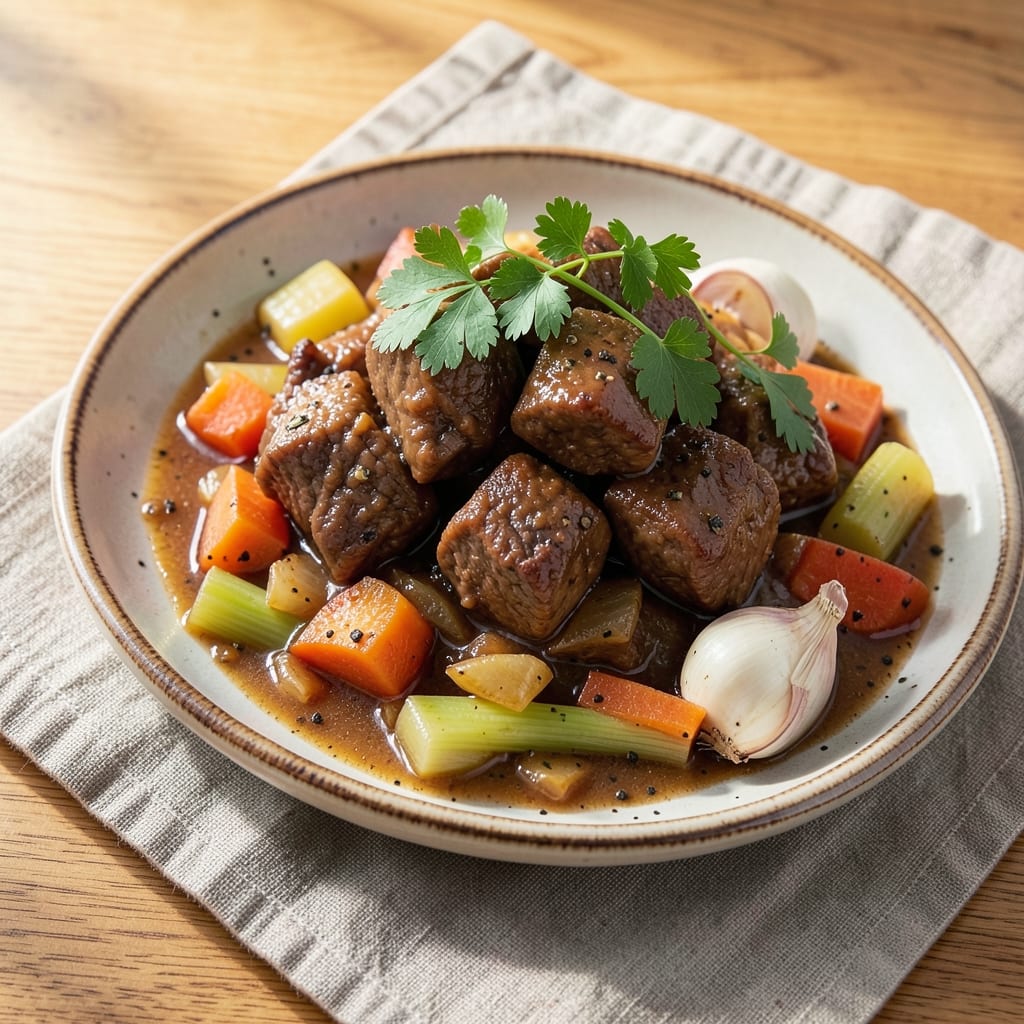
This authentic beef ragu recipe delivers the deep, slow-simmered flavors of a traditional Italian Sunday dinner—rich with umami, tender beef, and aromatic herbs. The secret lies in patient cooking: browning the meat, deglazing with wine, and letting it develop over hours until the sauce clings to every bite. I’ve perfected this version after years of testing, ensuring it stays true to regional techniques while being approachable for home cooks.
The process begins with a browned beef chuck, which forms a flavorful crust that dissolves into the sauce. Deglazing with red wine removes those caramelized bits, creating the foundation for a sauce that’s balanced—savory from tomatoes, bright from herbs, and deepened by slow simmering. Unlike rushed versions, this ragu builds complexity as it cooks, transforming tough cuts into melt-in-your-mouth texture.
By the time it’s done, you’ll have a restaurant-quality sauce that’s perfect over al dente pappardelle, creamy polenta, or crusty bread. The aroma alone—warm spices, caramelized edges, and the faintest hint of garlic—will have everyone at the table asking for seconds. This isn’t just a meal; it’s a taste of Italy’s heartland, made possible with one pot and a little time.
Pair it with a bold red wine and fresh basil to complete the experience. The beauty of this recipe is its versatility—use it as a main dish or a flavorful addition to risotto. Let’s get started on creating something truly special.
Ingredients for authentic beef ragu
Authentic Italian flavors start with these simple, quality ingredients—nothing fancy, just good stuff.
| Ingredient | Amount | Notes |
|---|---|---|
| Beef Chuck Roast 🥩 | 2 lb | Well-marbled, cut into 1-inch cubes |
| Yellow Onion 🧅 | 1 whole | Diced, medium size preferred |
| Carrots 🥕 | 2 medium | Peeled, cut into chunks |
| Celery Stalks 🌿 | 3 whole | Diced, including leaves |
| Garlic Cloves 🧄 | 4 cloves | Peeled, smashed for flavor |
| Red Wine 🍷 | 1 cup | Bold, dry variety like Cabernet |
| Canned Crushed Tomatoes 🍅 | 28 oz | San Marzano preferred, no salt added |
| Tomato Paste 🍅 | 2 tbsp | High-quality, no sugar added |
| Fresh Rosemary 🌿 | 1 tbsp | Chopped, or 1 tsp dried |
| Fresh Thyme 🌿 | 1 tbsp | Leaves only, or 1 tsp dried |
| Bay Leaves 🍃 | 2 whole | Dried, standard size |
| Ground Black Pepper 🌶️ | 1 tsp | Freshly cracked preferred |
| Kosher Salt 🧂 | 1 ½ tsp | Diamond Crystal preferred |
| Extra-Virgin Olive Oil 🫒 | 2 tbsp | For searing, fruity variety |
| Beef Broth 💧 | 1 cup | Homemade or low-sodium store-bought |
The beef is non-negotiable here. Chuck roast with good marbling is key—it stays tender while developing deep flavor. Costco or Whole Foods often have great cuts, but check your local butcher for the best marbling. If you can't find chuck, short ribs work too, though they'll need more time. The tomatoes? San Marzano is the gold standard—sweet, low-acid, and packed with flavor. If you can't find it, any high-quality canned tomatoes will do, just drain off excess liquid. For the wine, any bold, dry red works—Cab Sauv, Merlot, whatever's open. Don't use sweet wines, and definitely not cooking wine.
No red wine? Beef broth with a splash of balsamic vinegar gets you close. Fresh herbs are ideal, but dried works at one-third the amount (though nothing beats the real thing). The tomato paste can be a squeeze tube from Trader Joe's—no waste, keeps forever. For the vegetables, carrots and celery can be swapped for fennel or mushrooms if you're feeling fancy. The broth? Homemade is best, but low-sodium store-bought works in a pinch. Just don't skip the deglazing step—those browned bits are flavor gold.
This ragu tastes even better the next day as flavors meld. Keeps 5-6 days in the fridge, freezes for up to 3 months. I always make a double batch—one for dinner, one for lunches. Store in airtight containers with a thin layer of olive oil on top to preserve freshness. Reheat gently on the stove, stirring occasionally. If it thickens too much, just add a splash of broth or water. The aroma alone will have everyone gathering around the pot.
Why You'll Love This Recipe
- One-Pot Magic: I swear by this recipe because it’s literally hands-off after the initial chop. Toss the beef, onions, carrots, and celery into a pot, add a splash of red wine, and let it slow-cook. The aromatics dissolve into the meat, turning tough cuts into melt-in-your-mouth perfection—no fancy techniques required.
- Deep, Rich Payoff: That beef chuck roast? It’s the star, but the real magic happens when the onions caramelize and the garlic infuses into the sauce. The slow simmer builds layers of umami so deep you’ll forget how simple the ingredients are. Honestly, the first time I tasted it, I nearly burned the kitchen waiting.
- Leftovers That Shine: This ragu begs to be made in bulk—it only gets better the next day. Serve it over pasta, pile it on polenta, or stuff it into dumplings. My freezer’s always stocked with portions because reheating it is just as easy as making it, and it never tastes like a repeat.
- Budget-Friendly Luxury: You’re getting restaurant-quality flavor for a fraction of the cost. Chuck roast is affordable, and the veggies (onion, carrots, celery) stretch the dish without breaking the bank. Between us, this is how I feed my whole family without stressing over grocery bills—every bite feels special, but the math stays simple.
Step-by-step instructions for authentic beef ragu
Here's the classic Italian method that builds deep flavor through slow simmering and proper technique.
Sear the Beef Chuck Roast for Maximum Flavor
Heat a heavy Dutch oven over medium-high heat until hot. Add the 2 tablespoons extra-virgin olive oil and swirl to coat the bottom evenly. Working in batches if needed, add the 2 lb beef chuck roast cut into 1-inch cubes, leaving space between pieces. Let them sear undisturbed for 3-4 minutes until deep golden brown on all sides.
This initial searing creates the Maillard reaction, which develops that rich, caramelized flavor foundation. Don't rush this step—you'll know it's ready when the beef releases easily from the pan with a slight sizzle. Transfer the browned beef to a plate and set aside, leaving all those precious browned bits in the pot.
Build the Flavor Base with Vegetables and Aromatics
In the same Dutch oven, add the diced yellow onion, peeled carrot chunks, and diced celery stalks (including leaves). Cook over medium heat for 6-8 minutes, stirring occasionally, until the vegetables soften and begin to caramelize slightly. Add the 4 smashed garlic cloves and cook for another 30 seconds until fragrant.
Here's where the authentic Italian technique comes into play. The vegetables should develop a gentle golden color rather than burn. If they start to stick, add a splash of red wine to deglaze. This creates a flavorful base that will infuse the entire ragu as it simmers.
Deglaze with Wine and Add Tomatoes
Pour in the 1 cup red wine and scrape up all those browned bits from the bottom of the pot with a wooden spoon. Let the wine simmer for 3-4 minutes until reduced by half. Stir in the 2 tablespoons tomato paste and cook for another 1 minute to cook off the raw taste.
Add the 28 oz canned crushed tomatoes, 1 cup beef broth, 1.5 teaspoons kosher salt, 1 teaspoon ground black pepper, 2 whole bay leaves, 1 tablespoon fresh rosemary, and 1 tablespoon fresh thyme. Return the beef to the pot, ensuring it's mostly submerged in the liquid. This is where the magic begins - the long, slow simmer that develops that authentic ragu flavor.
Simmer Slowly for Deep Umami Development
Bring the mixture to a gentle simmer over low heat. Partially cover the pot and let it cook for 2.5-3 hours, stirring occasionally to prevent sticking and ensure even cooking. The ragu should reduce gradually, becoming thicker and more concentrated in flavor.
Here's the key to authentic ragu: patience. The meat should become fork-tender, falling apart easily when pierced with a fork. You'll notice the sauce will darken and develop a rich, complex aroma. If it gets too thick, add a splash of water or broth to maintain the proper consistency. The goal is a sauce that coats the back of a spoon with just the right balance of meaty richness and tomato depth.
Adjust Seasoning and Finish
Once the beef is tender and the sauce has thickened to your desired consistency, remove the bay leaves and adjust the seasoning if needed. Taste and add more kosher salt or black pepper as necessary. For an authentic touch, I like to finish with a pinch of sugar (about ½ teaspoon) to balance the acidity.
This ragu should have a beautiful, glossy finish with visible chunks of tender beef and vegetables throughout. The aroma should be rich and inviting, with layers of tomato, wine, and meaty umami. Serve immediately over your choice of pasta, with a sprinkle of fresh parsley for brightness. The sauce will continue to improve as it sits, so don't be afraid to let it rest for 10-15 minutes before serving to allow all the flavors to meld completely.
Pro Tips For Making Authentic Beef Ragu
- SEAR THE CHUCK FIRST: After burning three batches, I finally figured out—this isn’t just about browning. Cut the beef chuck into 1.5-inch chunks, pat them bone-dry, and sear in batches in a cold pan over medium-high heat. Let them sit undisturbed for 3-4 minutes until deep brown crusts form. That’s where the flavor hides, not just in the sauce.
- SWEAT THE VEGETABLES LOW: Diced onions, carrots, and celery won’t caramelize properly if you rush them. Cook them in the same pan (after removing the beef) on low heat for 10-12 minutes, stirring occasionally. Add a splash of water if they stick—this softens them into the ragù’s base without burning. (Yes, even if you’re impatient like me.)
- SKIP THE CROWDED POT: I used to dump everything in at once, and the beef would steam instead of braise. After the sear, remove the meat and set it aside. Cook the vegetables until soft, then return the beef in a single layer to the pot. Add just enough liquid (red wine, broth) to come halfway up the meat—any more and you’ll dilute the flavor.
- DEGLAZE WITH PATIENCE: Don’t scrape the browned bits off the pan with a spoon—use a splash of red wine and let it simmer for 2-3 minutes first. Then add the rest of the wine and scrape. This pulls out the fond (the crusty goodness) without turning your ragù into a thin sauce. (Your future self will notice the difference.)
Perfect pairings for this dish
Classic Pasta Pairings
This ragu shines over pappardelle—wide, ribbon-like pasta that captures the rich sauce beautifully. I use 12-inch-wide pappardelle from De Cecco because it holds up well to the hearty sauce. Cook it al dente (about 1 minute less than package instructions) and toss it with the ragu just before serving. 🍝
For a rustic touch, try fresh egg noodles or tagliatelle. The wider the noodle, the better it soaks up the sauce. If you prefer a lighter option, whole wheat pappardelle adds a nice texture contrast without overpowering the beef flavors.
Polenta Perfection
Creamy polenta transforms this ragu into a comforting main dish. I make creamy polenta using 1 cup cornmeal cooked in 4 cups whole milk with a pinch of salt and 2 tablespoons butter. The starchy polenta balances the richness of the ragu while soaking up every last bit of sauce. 🥣
For extra decadence, top the polenta with a sprinkle of Parmigiano-Reggiano and a drizzle of truffle oil before adding the ragu. The contrast of silky polenta and tender beef creates a restaurant-worthy meal that’s surprisingly easy to prepare.
Crusty Bread Sides
A crusty Italian bread like focaccia or ciabatta is perfect for soaking up any leftover sauce. I love Rosemary Focaccia from Whole Foods—its crisp crust and herby notes complement the ragu beautifully. Tear it into chunks and serve alongside the pasta for an interactive dining experience. 🍞
For a lighter option, try garlic bread made with sourdough and butter infused with garlic. The garlic enhances the ragu’s savory depth while adding a fresh, aromatic element. Warm the bread just before serving to maintain its crispness.
Wine Pairings
A bold Chianti Classico or Barolo elevates this dish to new heights. The tannins in these red wines cut through the richness of the ragu while complementing its umami depth. I recommend a 2018 Chianti Classico from Castello di Volpaia—its bright acidity and cherry notes create a perfect balance. 🍷
For a more approachable option, try a Malbec from Argentina. Its dark fruit flavors and smooth texture pair wonderfully with the beef and tomato sauce. Serve the wine slightly chilled to enhance its freshness against the warm ragu.
Herb & Cheese Garnishes
Finish your dish with fresh basil leaves and grated Pecorino Romano for a bright, tangy contrast. The basil’s citrusy notes cut through the richness, while the salty cheese adds a sharp finish. I like to tear the basil by hand for a more rustic presentation. 🌿
For a creamy touch, stir in a dollop of ricotta or mascarpone just before serving. The silky texture balances the hearty ragu, making each bite even more satisfying. A sprinkle of red pepper flakes adds a subtle heat for those who love a little kick.
Nutrition facts
Frequently asked questions
Can I substitute chuck roast with another cut of beef?
Yes, but choose wisely! Short ribs or beef shank work beautifully—they add extra richness and stay tender during long cooking. Avoid lean cuts like sirloin, as they’ll dry out. If using short ribs, reduce cooking time to 2 hours since they’re already tender.
Why does my ragu taste too acidic or winey?
This usually happens if the wine wasn’t fully reduced or if you used too much tomato paste. Simmer the sauce uncovered for 10-15 minutes to evaporate excess acidity. For a deeper flavor, add a pinch of sugar or a splash of beef broth to balance the acid.
How do I make this in a slow cooker?
Brown the beef and vegetables first, then transfer everything to the slow cooker. Add all remaining ingredients and cook on low for 6-7 hours or high for 4 hours. The texture will be slightly softer than stovetop, but still delicious.
Can I freeze leftover ragu?
Let it cool completely, then store in airtight containers with a thin layer of olive oil on top. It freezes for up to 3 months. Thaw overnight in the fridge and reheat gently on the stove, adding a splash of broth if needed to restore consistency.
What’s the secret to making it taste more Italian?
Use San Marzano tomatoes, dry red wine, and fresh herbs whenever possible. Toast the tomato paste in the pot for 1 minute before adding liquids to deepen flavor. Finish with a sprinkle of Parmigiano-Reggiano and fresh basil for that authentic touch.