
Soups & Stews
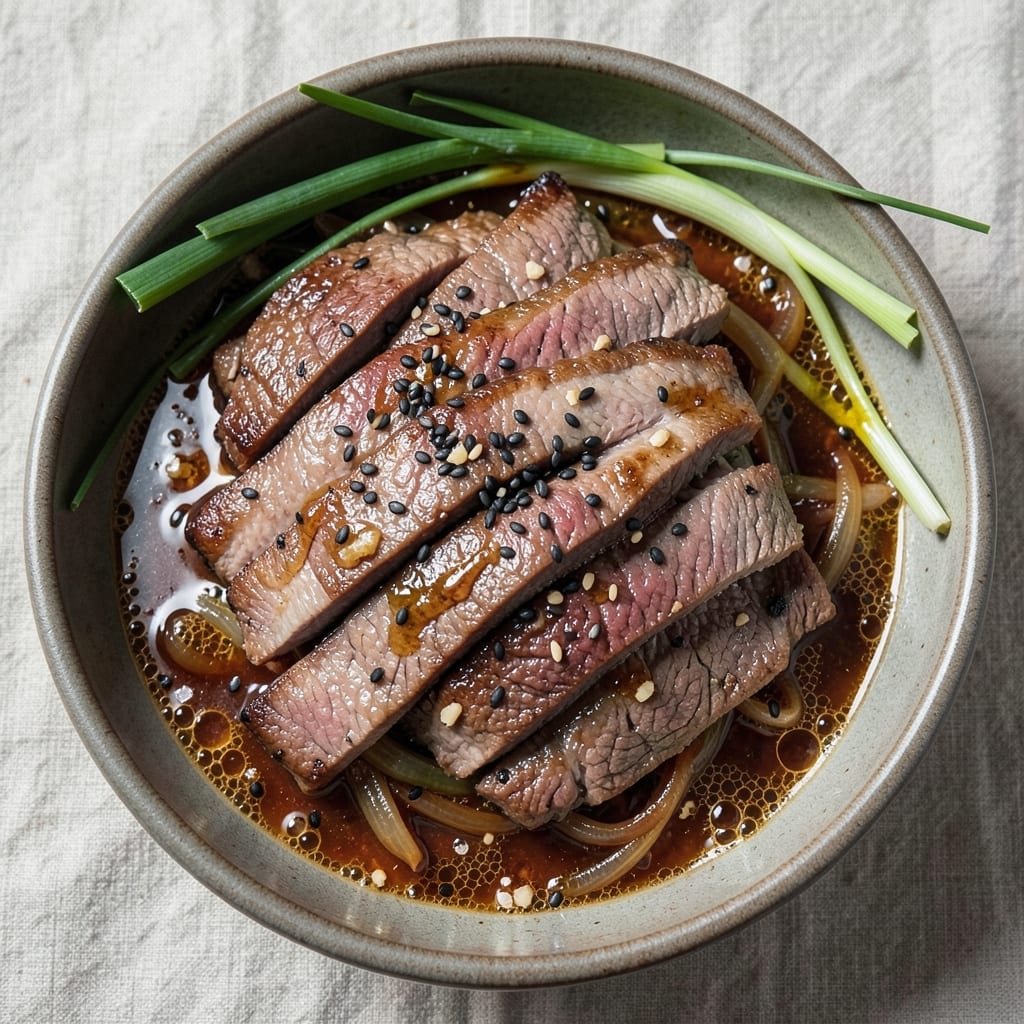
This authentic Korean beef stew delivers the deep, savory richness of traditional Galbi Jjim—tender beef braised in a fragrant broth until melt-in-your-mouth perfection. The secret lies in slow-cooking thinly sliced beef with a perfect balance of soy sauce, garlic, and ginger, creating layers of umami that transform tough cuts into silky, flavorful bites. Every spoonful carries the essence of Korean home cooking, where patience and precision turn simple ingredients into something extraordinary.
The recipe begins with marinating the beef in a blend of soy sauce, sesame oil, and a touch of sugar to tenderize and infuse flavor. As the stew simmers, the aromatics—garlic, ginger, and scallions—release their essence, building a rich, aromatic broth that coats every piece of beef. The addition of silky rice cakes (tteok) adds texture and absorbs the savory sauce, making each bite hearty and satisfying.
What sets this stew apart is its authentic technique: low-and-slow braising ensures the beef remains tender while developing deep flavor. The result is a dish that’s both comforting and restaurant-quality, perfect for sharing or savoring alone. Pair it with steamed rice and a side of kimchi to complete the experience.
This recipe is designed to transport you to a Korean hanjeongsik (traditional meal) table, where every ingredient plays a role in creating harmony. Whether you're cooking for a gathering or treating yourself to a special meal, the rich, umami-packed flavors will leave you craving more.
Ingredients for authentic korean beef stew
Simple yet transformative ingredients for a stew that captures Korean home cooking tradition.
| Ingredient | Amount | Notes |
|---|---|---|
| Beef Ribeye Steak 🥩 | 1 ½ lb | Thinly sliced against grain |
| Korean Soy Sauce (Ganjang) 🍶 | ½ cup | High-quality, low-sodium preferred |
| Sesame Oil 🫒 | 2 tbsp | Toasted, for aroma |
| Granulated Sugar 🍚 | 2 tbsp | For tenderizing and balance |
| Garlic Cloves 🧄 | 6 cloves | Minced for aromatic depth |
| Fresh Ginger 🌿 | 2 tbsp | Grated, not powdered |
| Scallions 🧅 | 4 whole | White and green parts separated |
| Korean Rice Cakes (Tteok) 🍡 | 1 cup | Round, silky variety |
| Water 💧 | 2 cups | For broth base |
| Green Onions 🧅 | ¼ cup | Chopped, for garnish |
| Toasted Sesame Seeds 🌾 | 1 tbsp | For finishing touch |
| Salt 🧂 | 1 tsp | Adjust to taste |
| Black Pepper 🌶️ | ½ tsp | Freshly ground |
| Vegetable Oil 🫒 | 1 tbsp | For searing |
The beef is the heart of this dish—ribeye delivers the perfect balance of tenderness and flavor. Look for well-marbled cuts at your local Korean market or Asian grocery section if available, but any quality ribeye will work. Thinly slicing the beef against the grain is critical; ask your butcher for help if needed. For the soy sauce, Ganjang from Hanjin or Doosan brands elevates authenticity, but any Korean soy sauce will suffice. Fresh ginger and garlic are non-negotiable—powdered versions lack the depth needed for this rich stew.
No Korean rice cakes? Japanese mochi or even steamed buns work in a pinch, though texture will differ. Short on sesame oil? Toasted sesame seeds ground with a pinch of salt create a reasonable substitute (though less aromatic). The sugar isn't just for sweetness—it tenderizes the beef during the marinade. For extra umami, add 1 tbsp fish sauce if you're comfortable with it, though traditional versions skip it entirely. The rice cakes should be added late in cooking to prevent over-softening, absorbing the rich broth right before serving.
Prep ahead for maximum flavor: marinate the beef for at least 2 hours (overnight is ideal) to develop deep flavor. The stew reheats beautifully—3-4 days in the fridge, though the rice cakes may soften further. For longer storage, freeze portions in airtight containers for up to 3 months. Serve with steamed rice and kimchi to complete the traditional meal experience. The leftovers taste even better the next day as flavors meld further.
Why You'll Love This Recipe
- One-Pot Magic: I swear by this—just sear the ribeye, toss in ganjang and sugar, and let it simmer. No chopping, no fussing, just rich sauce clinging to tender beef by the end.
- Umami Bomb: That balance of ganjang’s deep saltiness and sugar’s caramelized bite? It’s like Korean comfort in a bowl. The sesame oil finish ties it all together—simple, but ridiculously good.
- Leftovers? Better: This stew tastes even better the next day, honestly. I make a double batch on Sundays because reheating it turns the beef impossibly tender—perfect for lunches or a quick dinner when you’re wiped.
- Budget Flex: Ribeye’s the star, but ganjang and sugar stretch the flavor without breaking the bank. I’ve made this for date nights, family dinners, and even potlucks—everyone asks for seconds, no matter the occasion.
Step-by-step instructions for authentic Korean beef stew
This method delivers restaurant-quality depth with tender beef and silky rice cakes.
Prepare the Beef and Aromatics
Slice the 1.5 lb beef ribeye steak thinly against the grain for maximum tenderness. I use a sharp knife and cut each slice about ¼-inch thick—this ensures even cooking and melt-in-your-mouth texture. Place the sliced beef in a bowl and set aside.
In a separate bowl, combine 6 cloves minced garlic, 2 tbsp grated fresh ginger, and 4 whole scallions (white parts only, sliced). The ginger should be finely grated—no powdered substitutes here. This aromatic blend forms the flavor foundation of the stew. I like to press the garlic and ginger with the flat side of my knife to release their oils before adding them to the pan.
Sear the Beef and Build the Base
Heat 1 tbsp vegetable oil in a large pot or deep skillet over medium-high heat. Add the sliced beef in a single layer and sear undisturbed for 2-3 minutes until deep golden brown on one side. This initial sear locks in juices and creates that rich, caramelized flavor. Flip the beef and sear the other side for another 2 minutes. Remove the beef and set it aside temporarily.
In the same pot, add 2 tbsp sesame oil and swirl to coat the bottom. Add the garlic-ginger-scallion mixture and sauté for 1 minute until fragrant. This step develops the aromatic base that will infuse the entire stew. Be careful not to burn the garlic—it should smell sweet and pungent, not bitter.
Braise with Soy and Sugar
Pour in the 0.5 cup Korean soy sauce (ganjang) and 2 tbsp granulated sugar, stirring to combine. The sugar helps tenderize the beef while balancing the soy's saltiness. Add the 2 cups water and bring the mixture to a gentle simmer over medium heat. Return the seared beef to the pot, ensuring it's mostly submerged in the liquid.
Bring to a boil, then reduce heat to low and cover partially. Let it simmer for 45-50 minutes, stirring occasionally. You'll notice the beef gradually absorbs the rich, umami-packed broth. The stew should reduce slightly, creating a concentrated flavor. If the liquid reduces too much before the beef is tender, add ¼ cup water to maintain the right consistency.
Add Rice Cakes and Finish
After the beef is fork-tender, stir in the 1 cup Korean rice cakes (tteok). These delicate cakes will soak up the flavorful broth and become silky soft. Simmer uncovered for another 5-7 minutes until the rice cakes are fully hydrated and the stew has thickened slightly. The rice cakes should be tender but still hold their shape—don't overcook them or they'll turn mushy.
Remove from heat and let the stew rest for 5 minutes. This resting period allows the flavors to meld and the rice cakes to absorb the remaining liquid. Taste and adjust seasoning with 1 tsp salt and 0.5 tsp black pepper if needed. The stew should be rich, savory, and perfectly balanced—not too salty or overly sweet.
Garnish and Serve
Transfer the stew to a serving bowl or individual plates. Garnish with 0.25 cup chopped green onions and 1 tbsp toasted sesame seeds for color and texture. The green onions add a fresh contrast to the deep umami flavors, while the sesame seeds contribute a nutty crunch. Serve immediately while the rice cakes are still warm and silky.
Each bowl should feature tender beef slices swimming in a glossy, aromatic broth with silky rice cakes. The combination of textures and flavors—rich, savory, slightly sweet, and nutty—makes this stew truly authentic and deeply satisfying. Pair it with steamed rice to soak up every last drop of that flavorful broth.
Pro Tips For Making Authentic Korean Beef Stew
- SEAR THE RIBEYE HARD: I used to think a quick sear was enough, but this stew needs deep caramelization—get that pan screaming hot and let the beef develop a crust before touching it. The first batch I rushed ended up mushy; the second, with a proper char, stayed tender but packed real flavor.
- USE COLD GANJANG: Add the Korean soy sauce after the beef has browned, and keep it cold until the very end. Hot ganjang turns bitter fast, and you’ll lose that clean, umami punch that makes the dish sing. I learned this the hard way when my stew tasted like burnt soy—now I keep a bowl of ice water nearby.
- SKIP THE SUGAR AT FIRST: Let the beef and aromatics (garlic, sesame oil) build flavor without sugar—add it in the last 5 minutes. Sugar burns faster than you think, and you’ll end up with a bitter, caramelized mess instead of a balanced sweet-savory stew. I was skeptical until I tried it—now it’s non-negotiable.
- REST THE MEAT BEFORE SLICING: Cutting ribeye fresh from the pan turns it into a mushy pile. Let it rest 5-10 minutes under foil first—this keeps it juicy and makes slicing clean. I know, I know, you’re eager to eat it, but trust the process. Your stew will thank you.
Serving suggestions for authentic korean beef stew
Steamed Rice Pairing
This stew is designed to be served with steamed jasmine rice—the slightly sticky texture soaks up the rich, umami-packed broth beautifully. I recommend using short-grain white rice for the best consistency, steamed to perfection with a 1:1.25 rice-to-water ratio. For extra authenticity, try Korean short-grain rice like Sasangbaek or Milyangbaek, which has a naturally sweeter flavor. Serve the stew in deep bowls with a generous mound of rice on the side, letting guests spoon the beef and rice together. 💛
Kimchi Side Dish
A side of spicy fermented kimchi is essential for cutting through the richness of the stew. Look for napa cabbage kimchi with a vibrant red color and tangy, slightly sweet flavor. I like to serve it in a small side bowl alongside the stew, so guests can add it directly to their bowls for extra crunch and acidity. For a milder option, try baechu kimchi (cabbage kimchi) or radish kimchi if you prefer a sweeter profile. The fermentation process adds probiotics that complement the hearty stew perfectly.
Pickled Vegetable Accompaniment
Add brightness to your meal with quick-pickled cucumbers or danmuji (Korean radish kimchi). Thinly slice 1 English cucumber and toss with 2 tbsp rice vinegar, 1 tsp sugar, and a pinch of salt. Let it sit for 15 minutes before serving. The cool, crisp texture contrasts wonderfully with the warm stew. For a more traditional touch, serve kkakdugi (spicy pickled radish), which adds a sweet, spicy kick that balances the savory beef. 🌶️
Garnish Finishing Touches
Elevate your presentation with a few simple garnishes. Sprinkle toasted sesame seeds over the stew just before serving for a nutty aroma and crunch. Thinly sliced green onions add freshness, while a drizzle of sesame oil enhances the depth of flavor. For an extra touch of luxury, add a few fried shallots or crispy garlic chips on top—they add a delightful textural contrast. These finishing touches not only look beautiful but also enhance the overall dining experience.
Drink Pairings
Complement your meal with a chilled Korean barley tea (boricha) or soju for an authentic pairing. The slightly sweet, nutty flavor of barley tea balances the richness of the stew, while soju adds a refreshing, warming kick. For a non-alcoholic option, try yuja (citron) tea—its citrusy notes cut through the savory flavors beautifully. If you prefer wine, a light, crisp Riesling or dry white wine like Pinot Grigio works well, as their acidity cleanses the palate between bites.
Serving Style Tips
For a restaurant-quality presentation, serve the stew in deep, wide bowls with a wooden spoon for easy scooping. Place the rice in a separate bowl or use banchan-style small dishes if serving multiple sides. Garnish with sesame seeds and green onions right before serving to keep everything fresh. If making ahead, store the stew and rice separately in airtight containers—reheat the stew gently on the stove and microwave the rice for 1-2 minutes to maintain its texture. This keeps every bite delicious and authentic. ✨
Nutrition facts
Frequently asked questions about Korean beef stew
Can I substitute ribeye with another beef cut?
Yes! For this stew, chuck roast or brisket work beautifully—they're more affordable and stay tender when slow-cooked. Thinly slice them against the grain just like ribeye. Avoid lean cuts like sirloin, as they can become tough. If using chuck, consider marinating for 4+ hours to maximize tenderness.
Why does my stew taste too salty?
Korean soy sauce is concentrated—start with 0.3 cup instead of 0.5 cup if you're unsure. The sugar helps balance saltiness, but if it's still too strong, add 1-2 tbsp water or a splash of rice vinegar to dilute. For prevention, taste the soy sauce first and adjust before adding to the pot.
Can I make this stew in an Instant Pot?
Sear the beef first, then add all ingredients except rice cakes. Cook on high pressure for 20 minutes, then quick-release. Add rice cakes during the last 5 minutes of natural release. The Instant Pot version cooks 40% faster while keeping the beef fork-tender. Just reduce water to 1.5 cups to prevent over-dilution.
What if I can't find Korean rice cakes?
Use mochi or steamed buns as substitutes—they'll add similar texture. For a vegan option, try firm tofu cubes or shredded konjac noodles. If you omit them, the stew will still be delicious but less hearty. The rice cakes absorb flavor like a sponge, so any starchy, neutral ingredient works in a pinch.
How do I know when the beef is fully tender?
The beef should be fork-tender with no resistance—it should fall apart easily when pierced. Test a piece after 40 minutes of simmering. If it's still slightly chewy, continue cooking for another 10-15 minutes. The broth should coat the beef completely, and the slices should look glossy and separated.