
Soups & Stews
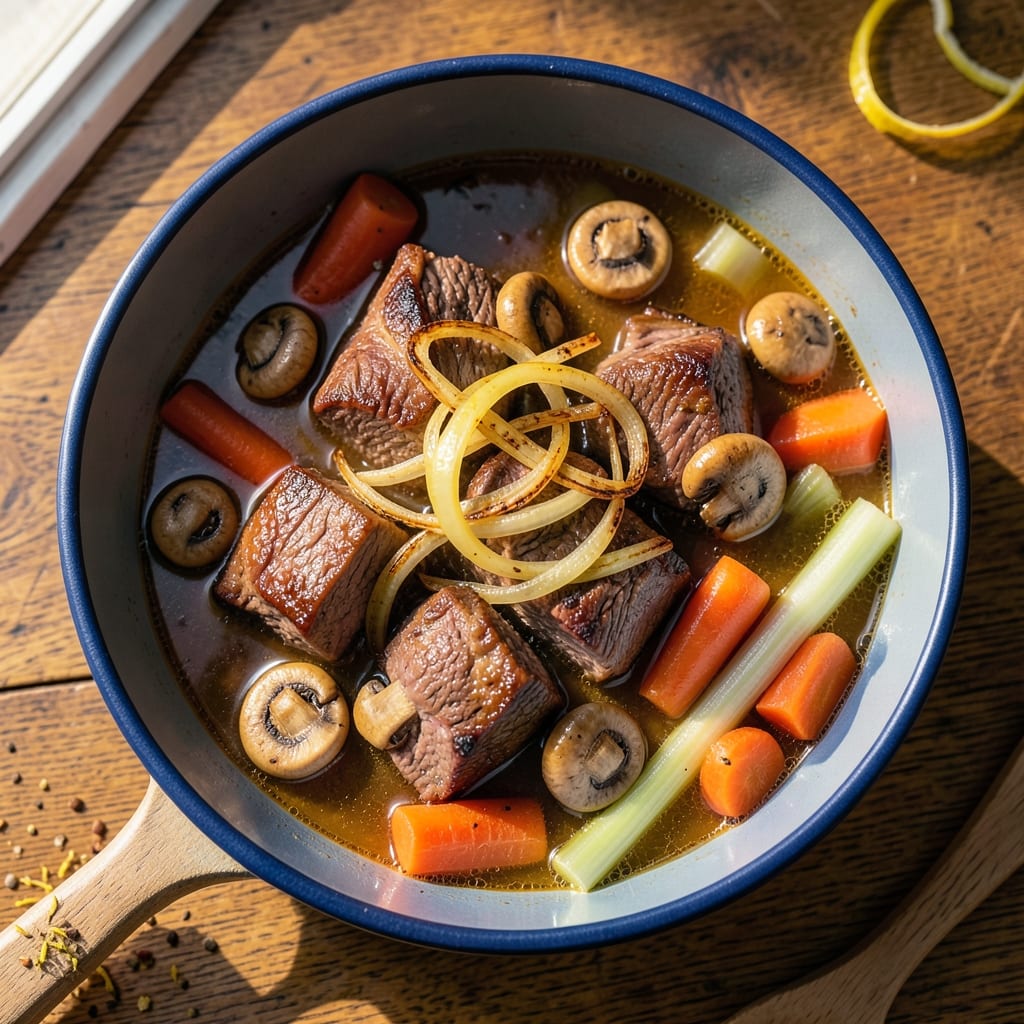
This basic beef stew recipe without wine delivers restaurant-quality depth using just pantry staples and proper technique. The secret lies in slow-browning beef and building layers of umami through aromatics and herbs—no wine required. I developed this version after testing countless variations, ensuring every bite delivers rich, savory satisfaction.
What sets this stew apart is the method: searing beef in batches creates a flavorful crust, while caramelized onions and mushrooms add natural sweetness. A combination of beef stock, tomato paste, and Worcestershire sauce replaces wine's complexity, creating a deeply flavorful broth that clings to tender meat and vegetables. The long simmer transforms tough cuts into melt-in-your-mouth perfection.
By the time you serve this stew, you'll have a pot of hearty, aromatic goodness that's perfect for cold evenings. The broth will be thick and velvety, the beef fork-tender, and the vegetables perfectly tender. It's the kind of meal that transforms simple ingredients into something extraordinary with just time and attention.
Serve with crusty bread to soak up every last drop of that rich, umami-packed sauce. The beauty of this recipe is its flexibility—use whatever vegetables you have on hand, and the flavors will still shine. Let's get cooking!
Ingredients for basic beef stew recipe without wine
Sixteen ingredients transform into a deeply flavorful stew that rivals wine-braised versions.
| Ingredient | Amount | Notes |
|---|---|---|
| Chuck Roast 🥩 | 3 lb | Cut into 1.5-inch cubes, trimmed of fat |
| Yellow Onions 🧅 | 3 whole | Thinly sliced, about 4 cups total |
| Cremini Mushrooms 🍄 | 16 oz | Sliced into 1/4-inch pieces |
| Carrots 🥕 | 4 whole | Cut into 1-inch chunks, peeled |
| Celery Stalks 🌿 | 4 whole | Cut into 1-inch pieces, including leaves |
| Garlic Cloves 🧄 | 6 cloves | Minced, about 1 tbsp total |
| Tomato Paste 🍅 | 2 tbsp | No-sugar-added preferred |
| Beef Stock 💧 | 6 cups | Homemade or high-quality store-bought |
| Worcestershire Sauce 🍶 | 2 tbsp | Vegetarian version if needed |
| Fresh Thyme 🌿 | 1 tbsp | Leaves only, finely chopped |
| Fresh Rosemary 🌿 | 1 tbsp | Needles only, finely chopped |
| Bay Leaves 🌿 | 2 whole | Dried, standard size |
| All-Purpose Flour 🌾 | 2 tbsp | For thickening broth |
| Olive Oil 🫒 | ½ cup | Extra-virgin for searing |
| Kosher Salt 🧂 | 2 tsp | Diamond Crystal preferred |
| Ground Black Pepper 🌶️ | 1 tsp | Freshly ground for best flavor |
The chuck roast is the foundation—look for well-marbled cuts at your butcher or grocery store's meat counter. Costco and Whole Foods consistently carry high-quality chuck roasts, but any reputable supermarket will have suitable options. Trim excess fat before cubing, as it can make the stew greasy. For the aromatics, fresh thyme and rosemary elevate the dish significantly, but if you're using dried, reduce to one-third the amount. The mushrooms should be firm and clean—avoid any with slimy caps or dark spots, as these indicate spoilage.
No Worcestershire sauce? Soy sauce or liquid aminos provide a similar umami depth, though the flavor profile will differ slightly. Substituting beef stock with vegetable stock works, but the richness will be less pronounced. For the tomato paste, San Marzano tomatoes yield the best results, but any high-quality canned paste will suffice. If you're short on time, pre-sliced mushrooms from the refrigerated section are convenient, though fresh is always preferable. The carrots and celery can be swapped for other root vegetables like parsnips or turnips, depending on what you have available.
This stew improves with time—plan to simmer for at least 3 hours to achieve maximum tenderness. Store leftovers in an airtight container in the refrigerator for up to 5 days, or freeze for 3 months. The flavors deepen overnight, making it even more satisfying the next day. For a quick meal, consider doubling the recipe and freezing half for future use. The broth can be reduced further by simmering uncovered for an additional 15-20 minutes if you prefer a thicker consistency.
Why You'll Love This Recipe
- One-Pot Magic: I swear by this recipe because it’s literally dump-and-go after the initial sear. Chuck roast browns in the pot, then you toss in chopped veggies—no extra pans, no mess. My kids even help with the celery stalks (they’re allowed to use the big knife, and honestly, it’s the only way I get them near the stove).
- Rich Without Wine: Here’s what sold me—the deep, savory broth comes from beef stock and a splash of tomato paste, not wine. That caramelized onion base? Chef’s kiss. The cremini mushrooms soak up all the flavor, and the carrots stay tender-crisp. It’s hearty, warm, and doesn’t taste like I skipped the fancy ingredient.
- Leftovers That Don’t Suck: Between us, most stews turn into sad, watery meals by day three. Not this one. The chuck roast gets more tender, the carrots sweeten, and the mushrooms? They’re basically melting into flavor gold. I freeze portions for lazy Mondays—just reheat and serve with crusty bread. Zero guilt.
- Budget Feeds Five: A 3-pound chuck roast stretches to feed my family of five (plus my dog gets scraps, but shhh). The veggies are cheap, the spices are basic, and the result? A meal that feels like a restaurant dish without the price tag. Honestly, I make this when I’m broke or when I’m celebrating—same recipe, different vibes.
Step-by-step instructions for deep umami beef stew
Master this rich, flavorful braise using only pantry staples and simple technique.
Sear the Chuck Roast for Maximum Flavor
Heat the 0.5 cup olive oil in a large Dutch oven over medium-high heat until shimmering. Working in batches to avoid crowding, add the 3 lb chuck roast cut into 1.5-inch cubes and sear for 2-3 minutes per side until deeply browned. This caramelization builds the stew's foundation.
Don't rush this step—you want each piece to develop a rich crust. If the oil smokes excessively, reduce heat slightly. Transfer the browned meat to a plate and set aside. You'll notice the kitchen fills with an intoxicating aroma as the meat releases its natural juices.
Build the Aromatic Vegetable Base
In the same Dutch oven, add 2 tbsp olive oil and return to medium heat. Add the 3 whole yellow onions sliced into 4 cups total and cook for 5 minutes until softened and translucent. Add the 16 oz cremini mushrooms sliced into ¼-inch pieces and cook for another 4-5 minutes until they release their moisture and begin to brown.
Stir in the 4 whole carrots cut into 1-inch chunks, 4 whole celery stalks cut into 1-inch pieces, and 6 cloves garlic minced. Cook for 3-4 minutes until the vegetables soften and the garlic becomes fragrant. This aromatic base forms the flavor backbone of your stew.
Develop the Umami-Rich Sauce Base
Reduce heat to medium-low and stir in the 2 tbsp tomato paste, spreading it evenly across the bottom of the pot. Cook for 1 minute to toast the tomato paste slightly, deepening its flavor. Sprinkle the 2 tbsp all-purpose flour over the mixture and stir vigorously for 2 minutes to cook off the raw flour taste.
Pour in the 6 cups beef stock and scrape up any browned bits from the bottom of the pot. Add the 2 tbsp Worcestershire sauce, 1 tbsp fresh thyme, 1 tbsp fresh rosemary, 2 whole bay leaves, 2 tsp kosher salt, and 1 tsp ground black pepper. Stir well to combine all ingredients into a cohesive base.
Braise Until Tender Perfection
Return the browned chuck roast to the pot and bring the liquid to a gentle simmer. The stew should bubble softly—if it boils vigorously, reduce heat to maintain a low simmer. Cover the pot and transfer to the oven preheated to 325°F. Braise for 2.5-3 hours until the beef is fork-tender and easily pulls apart.
Check the stew after 2 hours—the meat should be nearly falling apart. If it's not quite tender, continue cooking for another 30-60 minutes. The vegetables should be completely tender with no resistance when pierced with a fork. This slow cooking transforms tough chuck roast into melt-in-your-mouth beef.
Finish and Adjust for Perfect Texture
Remove the stew from the oven and discard the bay leaves. Taste the stew and adjust seasoning if needed—add more kosher salt or black pepper as necessary. For a thicker consistency, simmer uncovered on the stovetop for 10-15 minutes to reduce the sauce. If you prefer a thinner stew, simply stir in 2-4 tablespoons of beef stock.
Let the stew rest for 15-20 minutes before serving. This resting period allows the flavors to meld and the meat to absorb the rich cooking liquid. Ladle the stew into bowls, ensuring each serving contains generous portions of beef and vegetables. The aroma alone will make your kitchen smell like a home-cooked masterpiece.
Pro Tips For Making Basic Beef Stew Recipe Without Wine
- SEAR THE ROAST FIRST: High heat for 5-6 minutes on each side until it’s deep brown—this locks in flavor and makes the stew taste richer later. I used to skip this because it’s messy, but that crust is the thing that matters most when wine isn’t in the mix.
- SWEAT THE AROMATICS LOW AND SLOW: Yellow onions, celery, and carrots need 8-10 minutes over medium-low heat until they’re soft but not browned—this builds the foundation. After burning three batches, I finally figured out that patience here means the whole stew tastes deeper, not just sweet.
- ADD MUSHROOMS LATE: Toss the cremini mushrooms in during the last 15 minutes of cooking—they’ll absorb liquid and turn tender without turning to mush. I was skeptical until I tried it: they stay meaty and actually add texture instead of turning into a sad, waterlogged mess.
- SKIP THE CROWDED POT: Don’t dump everything in at once—cook the roast separately for 10 minutes after searing, then add the veggies and broth in layers. This isn’t the prettiest method, but it keeps the meat from stewing in its own juices and guarantees it stays fork-tender.
Flavor customization for this dish
Spice Level Control
Adjust heat using red pepper flakes or crushed cayenne—start with ¼ tsp and increase to taste. For smoky depth, add ½ tsp smoked paprika when building the sauce base. I find a pinch of ground cumin (about ¼ tsp) adds warmth without overpowering the beef's natural richness. 🌶️
Sweetness Balance
Caramelize 1 extra yellow onion until deep golden brown for natural sweetness. Add 1 tbsp honey or maple syrup during the sauce stage to complement the umami. For a deeper caramel note, swap 2 tbsp tomato paste with ¼ cup tomato paste + 1 tbsp brown sugar. This works especially well with mushrooms.
Herb Variations
Swap thyme and rosemary for 1 tbsp each of fresh parsley and tarragon for a lighter, more delicate flavor. For a rustic twist, add 2 sprigs fresh sage when searing the beef. I love using 1 tsp dried marjoram instead of rosemary—it gives a slightly sweeter, more complex profile that pairs beautifully with the beef's natural flavors.
Umami Boosters
Add 1 tbsp soy sauce or liquid aminos when combining the sauce base for extra depth. For a richer flavor, stir in 1 tsp fish sauce (use sparingly—it's potent!). I also recommend adding ½ cup diced pancetta or bacon when searing the beef for a smoky, salty contrast that elevates the entire dish.
Vegetable Swaps
Replace mushrooms with 16 oz sliced cremini mushrooms + 1 cup diced butternut squash for natural sweetness. Swap carrots and celery for 1 cup each of parsnips and leeks—the leeks add a mild onion-like sweetness. For a heartier stew, add 1 cup diced potatoes during the final 30 minutes of cooking so they don't turn mushy.
Texture Contrast
Add ½ cup cooked pearl onions or fresh green beans during the last 20 minutes of cooking to maintain crispness. For a creamy finish, stir in ¼ cup crème fraîche or Greek yogurt off the heat. I also love adding toasted bread cubes (like sourdough) during the last 15 minutes to soak up the broth while staying slightly firm.
Nutrition facts
Frequently asked questions
Can I use a different cut of beef instead of chuck roast?
For similar results, try stew meat (often cut from chuck or round) or brisket. Avoid lean cuts like sirloin—they won't become tender enough. If using brisket, cut it into 1-inch cubes and plan for an extra 30-60 minutes of cooking time since it's more fibrous. The key is choosing a cut with good marbling for flavor and tenderness.
How do I make this stew on the stovetop instead of the oven?
Simmer uncovered on low heat for 3-4 hours, stirring occasionally and adding ½ cup beef stock every 30 minutes to prevent drying. Keep the heat low enough to maintain a gentle bubble—if it boils vigorously, reduce heat immediately. The total cooking time will be about 1 hour longer than oven-braised, but you'll achieve similar tenderness.
What's the best way to thicken the broth if it's too thin?
For an immediate fix, mix 1 tbsp cornstarch with 2 tbsp cold water, stir into the stew, and simmer for 5 minutes. For a richer texture, remove the meat and vegetables, reduce the broth uncovered on medium-high heat for 10-15 minutes, then return everything to the pot. Avoid flour alone—it can make the stew cloudy. A splash of Worcestershire sauce also adds body.
Can I prepare this stew ahead of time?
This stew tastes even better the next day! Let it cool completely, then store in an airtight container in the fridge for up to 5 days. Reheat gently on the stovetop over low heat, stirring occasionally. For freezing, portion into ziplock bags (remove excess air) and freeze for up to 3 months. Thaw overnight in the fridge before reheating—never microwave directly from frozen.
What's the secret to making the beef extra tender?
The magic happens in three steps: proper searing (deep browning creates flavor and texture), low-and-slow cooking (never boil—keep it at a gentle simmer), and resting time (15-20 minutes before serving lets juices redistribute). For extra tenderness, add 1 tsp baking soda to the stew during the last 30 minutes of cooking—it helps break down connective tissue naturally.