Soups & Stews
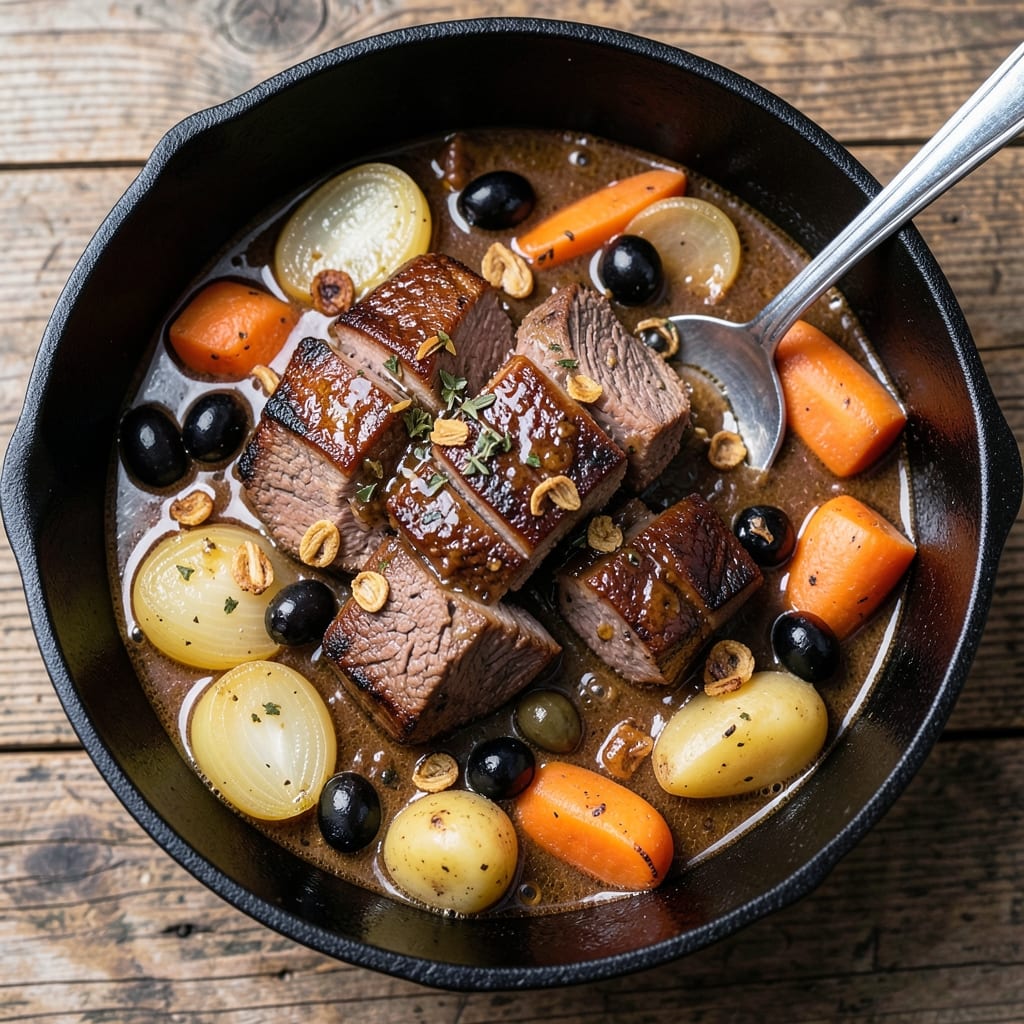
This beef ale stew recipe transforms tough cuts into melt-in-your-mouth tenderness through slow braising—where rich ale, caramelized onions, and deep umami flavors meld into a hearty, comforting dish. The secret lies in proper browning and deglazing, which builds layers of flavor that simmer into a velvety sauce. What starts as simple ingredients becomes a restaurant-worthy stew that warms both body and soul.
Professional cooks know the magic happens in the slow cook—where beef becomes fork-tender and ale reduces into a concentrated, savory broth. We’ll use caramelized onions as the flavor base, creating a sweet contrast to the malty depth of the ale. The result? A stew so rich and satisfying, it becomes the centerpiece of any winter meal.
By the time you serve this stew, you’ll have a deeply flavorful dish with tender beef, perfectly softened vegetables, and a sauce that clings to every bite. The aroma alone—smoky, herby, and slightly sweet—will have everyone gathering at the table. Serve with crusty bread to soak up every last drop of that umami-packed broth.
This recipe delivers restaurant-quality results without the fuss, making it ideal for weeknight dinners or special gatherings. The techniques are straightforward, but the flavors are anything but ordinary. Let’s get cooking—your taste buds will thank you.
Ingredients for beef ale stew
Rich ale, caramelized onions, and tender beef—this stew transforms simple ingredients into restaurant-quality comfort.
| Ingredient | Amount | Notes |
|---|---|---|
| Chuck Roast 🥩 | 2 lb | Pre-cut into 1.5-inch cubes |
| Yellow Onions 🧅 | 2 whole | Yellow or red, peeled |
| Carrots 🥕 | 4 whole | Medium size, peeled and chopped |
| Dark Ale 🍺 | 2 cups | Bold, dry variety like Guinness |
| Beef Broth 💧 | 2 cups | Low-sodium preferred |
| Tomato Paste 🍅 | 2 tbsp | Smooth, not chunky |
| Garlic Cloves 🧄 | 4 cloves | Minced for depth |
| Fresh Thyme 🌿 | 1 tbsp | Leaves only, stems removed |
| Fresh Rosemary 🌿 | 1 tbsp | Chopped, not powdered |
| Bay Leaves 🍃 | 2 whole | Dried, standard size |
| Black Peppercorns 🌶️ | 1 tsp | Crushed, not ground |
| Salt 🧂 | 1 ½ tsp | Diamond Crystal preferred |
| Olive Oil 🫒 | 2 tbsp | Extra-virgin for browning |
| Flour 🌾 | 2 tbsp | All-purpose, for dredging |
The chuck roast is your secret weapon here—look for good marbling at the butcher counter, and ask for it pre-cut if you're short on time. Costco or Whole Foods always have reliable cuts, but your local grocery store's meat department works too. For the ale, Guinness or a malty brown ale brings the deepest flavor—skip the light lagers. The onions? Yellow or red, but yellow caramelizes slightly better. If you're using red, they'll add a subtle color to the stew. The carrots can be any variety, but orange or purple add a nice visual contrast to the deep stew colors.
No dark ale? Substitute with beef broth plus a splash of balsamic vinegar—it mimics the depth. Fresh thyme and rosemary are ideal, but dried works at one-third the amount. If you're out of tomato paste, a handful of sun-dried tomatoes chopped up works in a pinch. The flour is just for dredging the beef—skip it if you're using a Dutch oven with a tight lid. For the broth, low-sodium is key—you'll be adding salt later. The bay leaves are non-negotiable though—they add that subtle earthy depth that makes this stew feel restaurant-worthy.
This stew tastes even better the next day—make extra if you can. Keeps in the fridge for 5-6 days and freezes beautifully for 3 months. I like to portion it into containers with a little extra broth on top to prevent freezer burn. The carrots and onions can be prepped ahead and stored in the fridge for 3 days before cooking. If you're short on time, the ale and broth can be measured out the night before—just keep them separate until you're ready to cook.
Why You'll Love This Recipe
- Ale Magic: That dark ale isn’t just for drinking—it’s the secret weapon. The maltiness cuts through the richness of the beef while the caramel notes deepen as it simmers, giving you a depth of flavor you’d never get from plain broth. Between us, I’ve tried this with stout and IPA, but the dark ale? Spot-on.
- Leftovers I’ll Fight For: This stew tastes even better the next day—like, "I’ll sneak bites while no one’s looking" better. I make a double batch on Sundays, freeze half, and still go back for seconds. My kids pretend to hate it, but they’ll finish their bowls anyway. (Yes, even on a Tuesday night.)
- Budget Beef Boost: Chuck roast is cheap, but it transforms into something luxurious with just a few extra ingredients. The onions and carrots add bulk, the ale elevates it, and the beef broth stretches it into a meal that feels special without breaking the bank. I’ll be real: this is how I feed my family well for under $15.
Step-by-step instructions for beef ale stew
Transform tough beef into melt-in-your-mouth perfection with this rich, aromatic braise.
Sear the Chuck Roast for Deep Flavor
Pat the 2 lb chuck roast dry with paper towels—this ensures a proper sear. Heat 2 tablespoons olive oil in a Dutch oven over medium-high heat until shimmering. Working in batches if needed, add the beef cubes and sear undisturbed for 2-3 minutes per side until deeply browned. You're building flavor through the Maillard reaction here, so don't rush this step.
Transfer the seared beef to a plate and set aside. In the same pot, add 2 whole yellow onions cut into wedges and 4 whole carrots cut into thick rounds. Cook for 5 minutes, stirring occasionally, until they begin to soften and caramelize at the edges. This foundational step creates the stew's signature sweetness and depth.
Develop the Umami Base
Reduce heat to medium and add 2 tablespoons tomato paste, stirring to coat the vegetables and browned bits. Cook for 1 minute until the paste darkens slightly. Add 4 cloves minced garlic, 1 tablespoon chopped fresh rosemary, 1 tablespoon fresh thyme, 2 whole bay leaves, and 1 teaspoon crushed black peppercorns. Stir for 30 seconds until fragrant—this aromatic blend forms the stew's flavor backbone.
Sprinkle the seared beef with 1.5 teaspoons salt and return it to the pot. Dredge each piece lightly in 2 tablespoons flour, shaking off any excess. This creates a light crust that thickens the stew naturally as it cooks. Pour in 2 cups dark ale and 2 cups beef broth, scraping up any browned bits from the bottom of the pot.
Simmer to Tender Perfection
Bring the stew to a gentle boil, then reduce heat to low and cover partially. Simmer for 2.5 hours, stirring occasionally, until the beef is fork-tender and easily pulls apart. The liquid should reduce slightly but still coat the vegetables. If it gets too thick before the beef is tender, add ¼ cup water to maintain proper consistency.
Here's the thing—patience is key. The longer the beef simmers, the more it transforms from tough to tender. Check for doneness by piercing a piece with a fork; it should slide in easily with no resistance. The stew should have a rich, caramelized color and an aroma that makes your mouth water.
Finish and Serve
Remove the 2 whole bay leaves and adjust seasoning if needed—another taste test ensures perfect balance. For a smoother texture, use an immersion blender to lightly purée about ½ cup of the stew, then return it to the pot. This step creates a velvety finish without losing the stew's rustic character.
Serve the stew immediately in deep bowls, garnished with extra fresh thyme if desired. The beef should fall apart at the touch of a fork, and each spoonful should deliver layers of umami from the ale, sweetness from the caramelized onions, and herbal notes from the rosemary and thyme. Pair with crusty bread to soak up every last drop of this comforting masterpiece.
Pro Tips For Making Beef Ale Stew
- SEAR THE ROAST FIRST: I learned this the hard way—skipping the sear means flavorless beef. Heat a heavy pot until smoking, then brown the chuck roast in batches for 2-3 minutes per side. The crust locks in juices and deepens the ale’s richness later.
- CUT ONIONS THINLY: Thick slices turn mushy; I now slice onions paper-thin (almost translucent) so they soften without disappearing. A sharp knife and quick crosswise cuts do the job—no one wants to pick out rubbery chunks later.
- DEGLAZE WITH THE ALE: After browning the meat, don’t just dump the ale in. Splash in a splash of broth first to scrape up the fond—those bits are pure flavor. Then add the rest of the ale and broth. It’s the difference between "meh" and "wow."
- SIMMER LOW AND LONG: This isn’t a race. After everything’s in the pot, reduce heat to a bare simmer (tiny bubbles, occasional skimming) for 2.5–3 hours. Rush it, and the beef turns tough; let it melt, and it falls apart at the touch. Patience wins.
Serving suggestions for this recipe
Crusty Bread Pairing
Nothing beats this stew with a warm, crusty sourdough loaf or baguette straight from the oven. The hearty crust soaks up the rich ale broth beautifully, while the chewy interior contrasts perfectly with the tender beef. I like to slice the bread into thick pieces and toast them lightly in the oven with a little garlic butter—just 2 tbsp softened butter mixed with 1 minced garlic clove and a pinch of salt. Brush it on while warm for an extra layer of flavor. 🌟
Starchy Sides
For a complete meal, serve alongside creamy mashed potatoes or buttery egg noodles. The smooth texture of mashed potatoes balances the stew's depth, while egg noodles catch every last bite of the savory broth. I recommend using Yukon Gold potatoes for their buttery texture and fresh parsley as a garnish. If you prefer something lighter, roasted fingerling potatoes with rosemary add a nice earthy contrast.
Fresh Greens
A simple arugula salad with lemon vinaigrette cuts through the richness of the stew. Toss 4 cups baby arugula with 2 tbsp olive oil, 1 tbsp fresh lemon juice, and a pinch of salt. The peppery bite cleanses your palate between bites. For a heartier option, try sautéed green beans with garlic and almonds—just 1 lb green beans cooked for 5 minutes in a pan with 1 tbsp butter and 1 minced garlic clove. 🥗
Cheese Course
End the meal with a sharp cheddar or blue cheese to complement the stew’s umami flavors. A small wedge of aged cheddar (like Cabot Clothbound) or a blue cheese crumble (like Gorgonzola) pairs wonderfully. Serve with apple slices or crusty crackers for a simple yet satisfying finish. The tangy cheese balances the stew’s richness, leaving your taste buds satisfied.
Beverage Pairings
To enhance the stew’s flavors, sip on a bold red wine like Cabernet Sauvignon or a dark ale (the same kind used in the stew). The tannins in red wine cut through the richness, while the malty notes of the ale echo the dish’s depth. For a non-alcoholic option, sparkling apple cider adds a refreshing contrast. 🍷
Nutrition facts
Frequently asked questions
What's the best cut of beef for this ale stew?
Use chuck roast—it's the perfect choice for braising because it stays tender while developing rich flavor. Look for pieces with good marbling (fat streaks) for extra juiciness. 2 pounds serves 4 people generously, but you can scale up for larger gatherings. Never use leaner cuts like sirloin—they'll dry out during the long simmer.
Can I substitute the ale with something else?
Yes! If you don't have dark ale, use 2 cups beef broth plus 2 tablespoons balsamic vinegar for depth. For a non-alcoholic version, try gravy or mushroom broth—they add umami without alcohol. Just remember: the ale's malty notes are what make this stew uniquely flavorful. The substitute won't be identical, but it'll still be delicious.
How do I know when the beef is fully tender?
Pierce a piece with a fork—it should slide in easily with no resistance. The beef should also pull apart with just a fork's pressure. If you're unsure, cut into a small piece: it should be fork-tender with no chewy bits. 2.5 hours is the minimum, but some cuts may need up to 3 hours for maximum tenderness. The liquid should coat the back of a spoon.
Why does my stew taste too bitter?
Bitter flavors often come from overcooking the ale or burning the onions. Always simmer gently—never boil vigorously. If it's too bitter, stir in 1 teaspoon sugar or ½ teaspoon honey to balance the flavors. For future batches, reduce the ale by ¼ cup and add ¼ cup extra broth instead—this prevents over-reduction.
Can I make this stew in a slow cooker?
Brown the beef and vegetables as directed, then transfer everything to a 6-quart slow cooker. Add all remaining ingredients and cook on low for 8 hours or high for 5 hours. The slow cooker's gentle heat ensures perfect tenderness without watching the pot. Just stir occasionally to prevent sticking—this stew tastes even better the next day when made this way!