
Sauces & Condiments
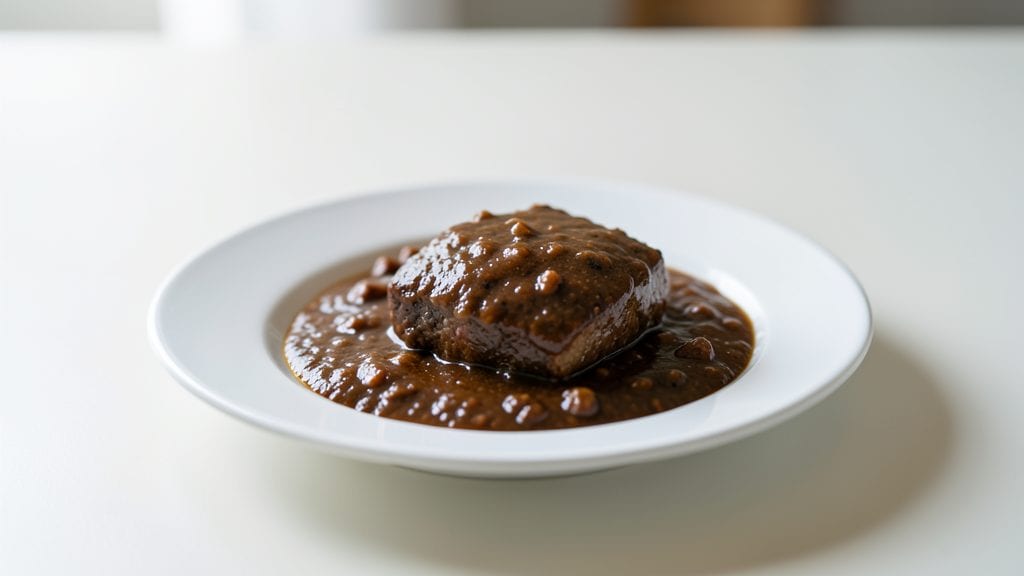
Creating beef brisket gravy that transforms simple pan drippings into a rich, velvety sauce is where French technique meets pitmaster passion.
The key lies in deglazing those flavorful browned bits with red wine and reducing them into a deep, aromatic base—something I perfected after years of slow-cooking brisket in my family’s backyard cookouts.
That first whiff of hickory smoke still reminds me why this sauce matters: it turns every bite into an experience.
The process starts with pan drippings and flour, forming a roux that thickens without overpowering the meat’s natural depth. A splash of red wine cuts through the richness while adding complexity, and beef broth carries the flavors to perfection.
This isn’t just gravy—it’s a sauce that clings to brisket slices, amplifying every smoky, savory note. The secret? Patience in reducing and a touch of black pepper to balance the wine’s acidity.
What you’ll end up with is a deep-red wine reduction so luxurious it feels like a restaurant finish to your brisket. The sauce should coat the back of a spoon, glistening with layers of caramelized fond and meaty essence.
Serve it warm over sliced brisket, or drizzle it over mashed potatoes for an instant upgrade. This is the kind of gravy that makes leftovers taste even better the next day.
For those who love to experiment, swap the red wine for bourbon or add a splash of balsamic vinegar for tang. The method stays the same—just adjust the flavors to your taste. Now, let’s get to the ingredients and turn those drippings into liquid gold.
Ingredients for beef brisket gravy
Pan drippings, wine, and broth transform into brisket gravy that tastes like restaurant magic.
| Ingredient | Amount | Notes |
|---|---|---|
| Pan Drippings 🍲 | 2 cups | From cooked beef brisket |
| All-Purpose Flour 🌾 | ¼ cup | For roux formation |
| Dry Red Wine 🍷 | ½ cup | Bold Cabernet Sauvignon preferred |
| Beef Broth 🥛 | 1 ½ cups | Homemade or quality store-bought |
| Shallots 🧅 | 2 whole | Minced for aromatic base |
| Garlic Cloves 🧄 | 3 cloves | Minced for depth of flavor |
| Unsalted Butter 🧈 | 2 tbsp | Full-fat for richness |
| Black Peppercorns 🌶️ | ½ tsp | Freshly cracked for brightness |
| Salt 🧂 | ½ tsp | Kosher or sea salt |
| Balsamic Vinegar 🍶 | 1 tbsp | Optional for tangy finish |
The pan drippings are your gold here—save every last drop from your brisket cook. Costco and Whole Foods sell high-quality beef broth in bulk, but honestly, homemade is better if you've got time. Shallots are worth the extra minute to mince—they add sweetness without overpowering. For the red wine, Caymus or Apothic are my go-tos, but any bold, dry Cabernet will work. If you're feeling fancy, grab a bottle of Penfolds Bin 389—it’s pricey but adds a luxurious depth to the sauce. The key is using a wine you’d actually drink, not some cheap cooking wine.
No red wine? Bourbon or beef broth with a splash of balsamic works in a pinch. The flour should be all-purpose, but if you’ve got bread flour, it’ll give you a slightly thicker roux. Freshly cracked black peppercorns make all the difference—pre-ground loses its punch fast. Short on shallots? One extra garlic clove bridges the gap, but you’ll taste it. The butter is non-negotiable for that velvety finish—Plugrá or Land O’Lakes are reliable brands. And if you’re feeling experimental, a pinch of smoked paprika adds a subtle smokiness that pairs perfectly with brisket.
This gravy keeps beautifully—3-4 days in the fridge, 3 months frozen. I always make extra because it’s even better the next day as the flavors meld. Store it in a jar with a tight seal, and if it thickens too much, just whisk in a splash of warm water or broth. The sauce reheats wonderfully—low and slow on the stove, or zap it in the microwave for 20 seconds. Leftovers? Drizzle over mashed potatoes or use it to elevate any protein—it’s that good.
Why You'll Love This Recipe
- Here’s what sold me: this gravy improves the next day. Thickens perfectly, flavors deepen, and it’s the hero of reheated mashed potatoes or cold cuts. I keep a jar in the fridge because, honestly, I’d rather eat this than most store-bought sauces.
- Uses What You Have: I swear by this recipe because it turns yesterday’s leftover roast into today’s star. Just scoop up those pan drippings—no scraping, no stress—and you’re halfway there. That flour-to-wine-to-broth magic? It’s the kind of shortcut that still feels like a win.
- Wine-Infused Richness: Between us, that splash of dry red wine does more than just deglaze. It adds this deep, velvety layer that makes every spoonful feel like a little celebration. The shallots? They caramelize just enough to give it that subtle sweetness—like a fancy dinner without the fuss.
- Leftovers’ Best Friend: Here’s what sold me: this gravy improves the next day. Thickens perfectly, flavors deepen, and it’s the hero of reheated mashed potatoes or cold cuts. I keep a jar in the fridge because, honestly, I’d rather eat this than most store-bought sauces.
Step-by-step instructions for beef brisket gravy
Here's how to transform simple pan drippings into a rich, velvety gravy that tastes like it simmered all day.
Bloom the Roux with Butter and Flour
Start by placing a heavy-bottomed skillet over medium heat. Add the 2 tablespoons unsalted butter and let it melt completely, watching for the foam to subside. This takes about 1 minute. Immediately whisk in the 0.25 cup all-purpose flour to create a smooth paste.
Cook the roux for 2-3 minutes, stirring constantly with a wooden spoon, until it turns a light golden brown color. You'll notice the aroma change from buttery to nutty—this is your cue that the flour is properly cooked. If it darkens too quickly, reduce the heat slightly. A well-bloomed roux forms the foundation of your gravy, so don't rush this step.
Deglaze with Wine and Build the Base
Pour in the 0.5 cup dry red wine all at once and scrape vigorously with a wooden spoon to release all the browned bits from the bottom of the pan. These bits contain concentrated flavor that will make your gravy taste deeper. Let the mixture simmer for 3-4 minutes until the wine has mostly evaporated and you're left with a glossy, syrupy liquid.
Add the 2 whole minced shallots and 3 cloves minced garlic cloves to the pan. Cook for another 1 minute until the shallots soften and become translucent. This step infuses the gravy with subtle sweetness and aromatic depth that complements the rich beef flavors. If the mixture starts to stick, add a splash of beef broth to loosen it.
Develop the Gravy with Broth and Drippings
Gradually whisk in the 2 cups pan drippings and 1.5 cups beef broth until the mixture is smooth and free of lumps. Bring the gravy to a gentle simmer over medium-low heat, then reduce the heat to maintain a steady simmer. Let it cook uncovered for 10-12 minutes, stirring occasionally, until it thickens enough to coat the back of a spoon.
Season with the 0.5 teaspoon salt and 0.5 teaspoon freshly cracked black peppercorns, then stir in the 1 tablespoon balsamic vinegar for a subtle tangy brightness. The gravy should be rich and velvety, with a beautiful deep red color. If it thickens too much, thin it with a little more broth. This final seasoning step ensures your gravy has perfect balance between savory, sweet, and tangy notes.
Pro Tips For Making Beef Brisket Gravy
- Deglaze Immediately: As soon as you remove the brisket, pour in that red wine—hot pan, cold liquid—and let it bubble for 30 seconds. I used to wait, thinking it’d cool down first, but the alcohol burns off faster when the pan’s still screaming hot, and the flavor’s richer for it.
- Toast the Flour: Cook the all-purpose flour in the drippings for 2–3 minutes until it smells nutty and turns a light golden brown. Skipping this step means you’ll just end up with a bland roux—like using flour straight from the bag instead of letting it caramelize.
- Strain the Shallots: Finely mince the shallots, then strain them through a fine-mesh sieve before adding them to the gravy. The texture’s silky, not chunky, and you avoid that one sad bite where you hit a raw shallot. (Yes, it’s extra work, but gravy’s supposed to be smooth.)
- Simmer, Don’t Boil: Reduce the heat to a gentle simmer—tiny bubbles, maybe one every 2 seconds—once the wine and broth come together. Boiling turns gravy gluey, and no one wants that. Think "barely there" heat, like a whisper, not a shout.
Wine and beer pairings for these flavors
Red Wine Pairings
For brisket gravy, a bold Cabernet Sauvignon from Napa Valley is my go-to—its dark fruit and earthy tannins mirror the sauce’s depth. I love Caymus Vineyards or Opus One for their rich, structured profiles that stand up to the wine’s acidity in the gravy.
The tannins also help cleanse your palate between rich bites of brisket. 🍷
If you prefer something lighter, a Pinot Noir from Oregon’s Willamette Valley offers bright red fruit notes that contrast beautifully with the gravy’s richness. The key is choosing a wine you’d drink on its own—avoid cheap cooking wine, which lacks the complexity to complement this sauce.
Beer Complements
A stout or porter like Guinness or Deschutes Black Butte pairs surprisingly well with brisket gravy. The roasted malt flavors in the beer echo the caramelized notes in the sauce, while the creamy head cuts through the richness.
For a lighter option, try a Belgian-style dubbel like Westmalle Dubbel—its caramel and spice notes harmonize perfectly. 🍺
Unexpected Twists
For a fun twist, swap the red wine for bourbon in the gravy recipe and pair it with a bourbon barrel-aged stout like Goose Island Bourbon County. The whiskey’s vanilla and oak notes amplify the sauce’s depth, while the beer’s smokiness ties back to the brisket’s natural flavors.
It’s a match made in heaven for adventurous eaters.
Classic Pairing Rules
When in doubt, follow the "like with like" rule: pair rich gravy with full-bodied wines or beers, and lighter gravy (like a tomato-based version) with crisp whites or lagers. But honestly, the best pairing is whatever you’re already enjoying—this gravy is versatile enough to adapt to your taste. 💡
Nutrition facts
Frequently asked questions
What makes this brisket gravy different from regular pan gravy?
The red wine reduction and aromatic shallots/garlic create a deeper, more complex flavor profile than basic pan gravy. The wine adds acidity and richness, while the slow reduction develops layers of caramelized fond that regular gravy misses. This version coats brisket slices like a luxurious sauce rather than just a thin drizzle.
Can I make this gravy without red wine?
Yes! Use ½ cup beef broth plus 1 tablespoon balsamic vinegar or 2 tablespoons bourbon for depth. For a non-alcoholic version, add 1 tablespoon tomato paste to enhance umami. The key is maintaining the same reduction time (10-12 minutes) to develop flavor.
How do I fix gravy that's too thick or too thin?
For thick gravy, whisk in 1 tablespoon warm beef broth at a time until smooth. If too thin, simmer uncovered for 2-3 extra minutes to reduce. Never use cold liquid—it can cause lumps. The perfect consistency should coat the back of a spoon but still drizzle lightly when poured.
Can I make this gravy ahead of time?
This gravy actually improves overnight as flavors meld. Store in an airtight container in the fridge for 3-4 days or freeze for 3 months. Reheat gently on low heat, whisking occasionally. For leftovers, add a splash of warm water or broth to restore smoothness.
What's the best way to serve this gravy?
Drizzle generously over sliced brisket for maximum flavor impact, or spoon over mashed potatoes, egg noodles, or even cornbread. For a restaurant-style presentation, ladle it over a brisket sandwich. The sauce's richness works beautifully with hearty sides that can stand up to its bold flavors.