
Main Courses
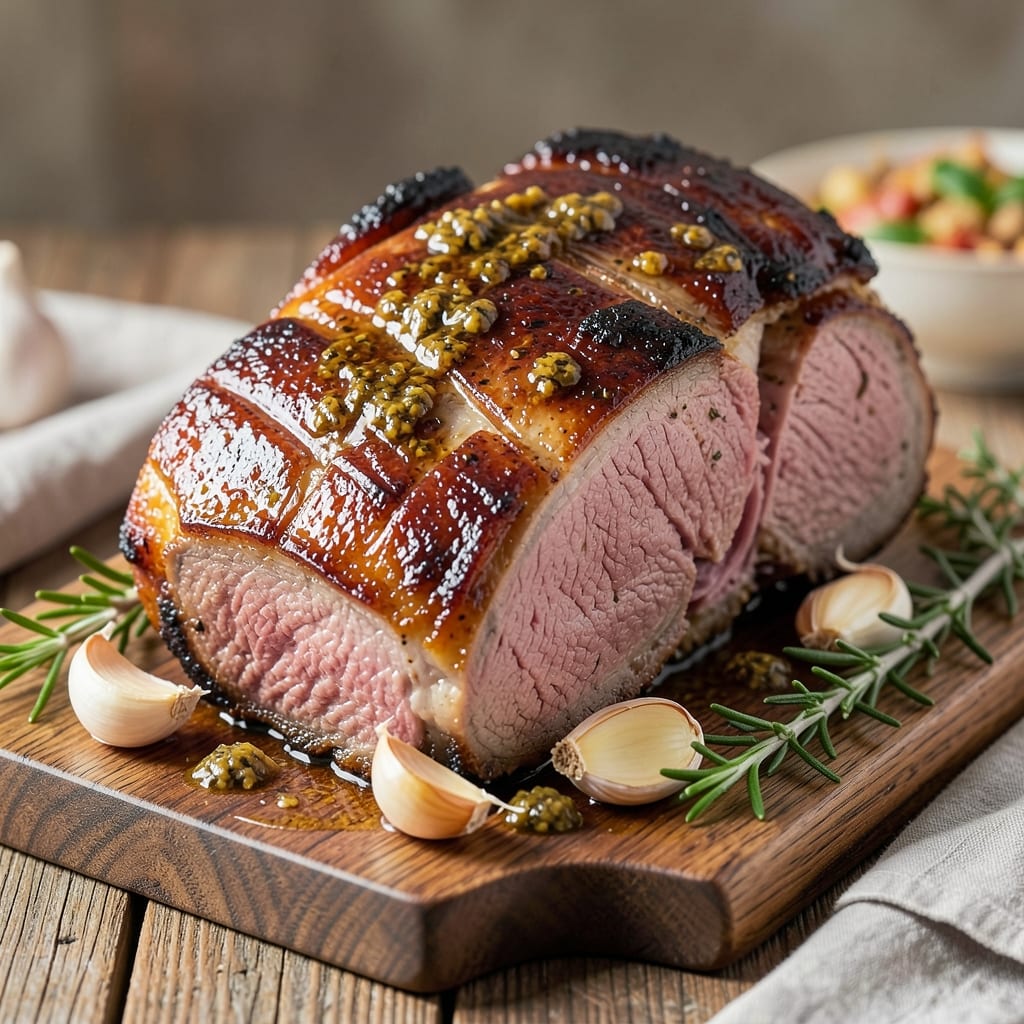
A beef chuck rib roast transforms any meal into a showstopper with its rich, tender texture and bold beefy flavor. This herb-crusted cut delivers a perfect balance of juicy interior and caramelized exterior, guaranteed to impress even the most discerning guests. The key lies in precise temperature control and a resting period that ensures every slice stays moist and flavorful.
What sets this recipe apart is the foolproof method that eliminates dry spots—no more guessing when to pull the meat from the oven. We'll start with a high-heat sear to lock in juices, then finish with low-and-slow roasting until the internal temperature hits your desired doneness. The herb crust adds aromatic depth without overpowering the natural beef flavor.
By the time you're done, you'll have a restaurant-quality roast with a golden-brown crust and tender, melt-in-your-mouth meat. The technique is straightforward but requires attention to detail—perfect for home cooks ready to elevate their Sunday dinners. Serve with classic sides like mashed potatoes or roasted vegetables for a complete meal.
This recipe works equally well for special occasions or weeknight dinners, making it versatile for any schedule. The resting time might feel like a challenge at first, but it's what transforms a good roast into an exceptional one. Let's get started on creating your perfect cut of beef.
Ingredients for beef chuck rib roast
This herb-crusted roast delivers restaurant-quality beef with foolproof tenderness and bold flavor.
| Ingredient | Amount | Notes |
|---|---|---|
| Beef Chuck Rib Roast 🥩 | 4 lb | Bone-in preferred, 1.5-2 inches thick |
| Kosher Salt 🧂 | 2 tbsp | Diamond Crystal preferred, coarse grain |
| Fresh Rosemary 🌿 | ¼ cup | Finely chopped, stems removed |
| Fresh Thyme 🌿 | ¼ cup | Leaves only, stems discarded |
| Fresh Sage 🌿 | ¼ cup | Leaves only, finely chopped |
| Garlic Cloves 🧄 | 8 cloves | Peeled, minced finely |
| Extra-Virgin Olive Oil 🫒 | ½ cup | High quality, fruity |
| Black Peppercorns 🌶️ | 1 tbsp | Freshly cracked, coarse grind |
| Yellow Onion 🧅 | 1 whole | Large, sliced into rings |
| Fresh Parsley 🌿 | ¼ cup | Chopped, for garnish |
| Butter 🧈 | ½ cup | Unsalted, softened |
| Red Wine 🍷 | 1 cup | Bold dry variety like Cabernet Sauvignon |
| Beef Broth 🍲 | 1 cup | Homemade or high-quality store-bought |
The beef chuck rib roast is the star—look for a cut with good marbling and vibrant color. Local butchers often have the best selection, but Costco or Whole Foods will carry quality options too. A 4-pound roast serves 6 generously, but go bigger if you're feeding a crowd. The bone-in version adds flavor and helps retain moisture during cooking. Pat it dry before seasoning—this is non-negotiable for that perfect crust. For extra insurance against dryness, ask your butcher to tie the roast with twine every 2 inches before you take it home.
No fresh herbs? Dried will work at one-third the amount, but the flavor won't be the same. Running short on red wine? Beef broth with a splash of balsamic vinegar gives similar depth. The butter should be unsalted—you're controlling the seasoning here. For the garlic, peeled and minced ahead of time saves precious prep minutes when you're ready to sear. The onions add sweetness during roasting, but don't skip them—they create a beautiful caramelized crust. If you're feeling fancy, add a 1 tsp of smoked paprika to the herb mix for extra complexity.
This roast tastes even better the next day, so plan ahead. Wrap it tightly in foil and refrigerate for up to 3 days, or freeze for 3 months by vacuum-sealing. For serving, slice against the grain into 1/2-inch thick pieces. The herb crust will be crispy—save some for garnishing other dishes! Leftovers reheat beautifully in a 350°F oven for 20 minutes with a splash of beef broth to keep them moist. Store any extra butter mixture in the fridge for up to 1 week—perfect for basting next time.
Why You'll Love This Recipe
- Here’s what sold me: the beef gets better the next day. Thinly slice it for sandwiches, toss it into pasta, or just eat it straight with crusty bread. No sad, dry reheats here—just melt-in-your-mouth perfection. My freezer’s always stocked with this stuff.
- I’ll be real: this roast is my secret weapon for dinners when I have zero energy. It feeds six without breaking the bank, and everyone—even the picky eaters—comes back for seconds. Plus, the leftovers stretch into lunches for days. Not the prettiest, but the taste makes up for it.
Step-by-step instructions for herb-crusted beef chuck rib roast
This method guarantees a perfectly herb-crusted roast with tender meat and zero dry spots.
Prepare the Herb Crust Mixture
In a food processor, combine the 0.25 cup fresh rosemary, 0.25 cup fresh thyme, 0.25 cup fresh sage, 8 cloves garlic, 1 tbsp black peppercorns, and 0.5 cup extra-virgin olive oil. Pulse until you achieve a coarse paste—you want visible herb flecks but no dry bits remaining. The mixture should smell intensely aromatic, like a forest after a summer rain.
Transfer this herb mixture to a small bowl and stir in 2 tbsp kosher salt. This combination of herbs and salt creates a flavor bomb that will adhere perfectly to the roast. Let it sit at room temperature while you prepare the meat—this allows the flavors to meld together and creates a more cohesive crust.
Season and Sear the Roast
Pat the 4 lb beef chuck rib roast completely dry with paper towels—this is absolutely critical for achieving crispy crust. I can't emphasize this enough: moisture is the enemy of perfect browning. Using your hands, rub the herb mixture all over the roast, pressing firmly so it adheres well. Don't be shy—this is where all the flavor lives.
Heat 0.5 cup butter in a large oven-safe skillet over medium-high heat until it foams. Add the roast and sear for 4-5 minutes per side until you achieve deep golden-brown color. The butter will sizzle and pop as it renders—this is your signal that the crust is forming. The roast should release easily from the pan when ready to transfer to the oven.
Roast to Perfect Medium-Rare
Preheat your oven to 325°F. Place the seared roast in the oven-safe skillet and transfer to the oven. Roast for 2 hours and 15 minutes for medium-rare (about 130°F internal temperature). The low temperature ensures even cooking without drying out the meat. I like to use a meat thermometer for accuracy—insert it into the thickest part of the roast without touching bone.
About 30 minutes before the roast is done, add the 1 whole yellow onion to the skillet. The onions will caramelize beautifully in the roasting juices, creating a flavorful bed for your sliced roast. The skillet should be covered with foil to prevent the onions from burning while they cook.
Create the Red Wine Pan Sauce
Once the roast reaches 130°F, remove it from the oven and transfer to a cutting board. Tent loosely with foil and let it rest for 15-20 minutes—this resting period is crucial for redistributing juices throughout the meat. While it rests, return the skillet to the stovetop over medium heat.
Add 1 cup red wine to the skillet, scraping up all those delicious browned bits from the bottom with a wooden spoon. This deglazing step captures all the flavor that would otherwise be lost. Let the wine simmer for 3-4 minutes until reduced by half. Then add 1 cup beef broth and continue simmering until the sauce thickens slightly—about 5-6 minutes. The sauce should coat the back of a spoon but still be silky, not gluey.
Slice and Serve with Herb Garnish
After resting, slice the roast against the grain into ½-inch thick slices. The meat should be tender enough to pull apart with a gentle tug, with a beautiful pink center that's just cooked through. Arrange the slices on a warm platter and spoon the red wine pan sauce generously over the top.
Garnish with the 0.25 cup fresh parsley and serve immediately with the caramelized onions from the skillet. Each bite should deliver rich beef flavor, aromatic herbs, and that silky red wine sauce that ties everything together. The crust should be crispy yet tender, with no dry spots—just perfect medium-rare beef throughout.
Pro Tips For Making Beef Chuck Rib Roast
- SEAR FIRST, THEN SALT: Take that roast out of the fridge 30 minutes before cooking, but don’t salt it until after searing. I learned this the hard way—salting too early makes the surface release moisture, and you’ll end up with a sad, steamy crust instead of that deep, caramelized bark. Once seared, let it rest 5 minutes before adding salt and herbs, so it doesn’t stick to the pan like glue.
- STACK HERBS LIKE A BOSS: Don’t just sprinkle those fresh herbs on top—they’ll burn before the meat’s done. Instead, make little bundles by tying 2-3 sprigs of rosemary, thyme, and sage together with kitchen twine, then tuck them into the roast’s fat cap or between the ribs. They’ll infuse flavor without turning to ash, and you won’t waste half of them on your cutting board.
- DON’T CUT INTO IT TOO SOON: I used to stab that roast with a meat thermometer like it owed me money, and every time, the juices rushed out. Wait until it hits 130°F internal temp (for medium-rare), then pull it from the oven and let it rest—covered with foil—while you finish your sides. The meat will climb to 135°F while resting, and you’ll keep every last drop of flavor where it belongs.
- USE THE FAT CAP AS A CRUST: That thick layer of fat on the chuck? Don’t trim it off—it’s your secret weapon. Sear it side down first, then flip the roast so the fat renders into the pan, basting the meat as it cooks. If it pools too much, tilt the pan to let it pool away from the meat, but don’t drain it completely. That golden, buttery crust is what makes this cut sing.
Best sauces and condiments for this recipe
Classic Red Wine Reduction
The rich, velvety red wine sauce in this recipe transforms simple beef into a luxurious dish. Start by deglazing the skillet after removing the roast with 1 cup bold dry red wine like Cabernet Sauvignon—this captures all the caramelized flavors from the sear. Simmer until reduced by half, then add 1 cup beef broth to create a glossy, balanced sauce. The acidity cuts through the richness while enhancing the beef's natural depth. 🍷
Herb-Infused Butter Sauce
For a lighter alternative, create an herb-infused butter sauce by melting ½ cup softened butter with 2 tbsp minced fresh rosemary and 1 tbsp minced thyme. Strain through a fine-mesh sieve to remove herb bits, then whisk in 1 tbsp lemon juice for brightness. Drizzle over sliced roast tablespoon by tablespoon—this sauce adds aromatic layers without overpowering the beef. Perfect for those who prefer less wine but still want complexity.
Caramelized Onion Topping
The roasted onions from your skillet create a sweet, jammy topping that adds texture and depth. After caramelizing them during the roasting process, spread them across the platter before arranging the beef slices. For extra richness, finish with a sprinkle of crumbled blue cheese or goat cheese—the tangy contrast elevates every bite. This topping is especially welcome during colder months when hearty flavors shine.
Spiced Brown Sugar Glaze
For a sweet-and-savory twist, make a quick glaze by simmering 2 tbsp brown sugar, 1 tbsp balsamic vinegar, and ½ tsp smoked paprika in a small saucepan until syrupy. Brush this glaze over the sliced roast in the final minutes of resting. The caramelized sugar adds a subtle sweetness that pairs beautifully with the herb crust. This variation works especially well for holiday gatherings where bold flavors are appreciated.
Creamy Horseradish Sauce
If you prefer a tangy kick, blend ½ cup crème fraîche (or sour cream) with 1 tbsp prepared horseradish, 1 tsp Dijon mustard, and a pinch of salt. This sauce cuts through the richness while adding a peppery punch. Serve it on the side for dipping or spoon it directly over the roast. The horseradish's heat complements the beef's natural fat without overpowering the herb crust. 🌶️
Garlic-Yogurt Drizzle
For a lighter, yogurt-based option, mix ½ cup plain Greek yogurt with 1 minced garlic clove, 1 tsp lemon zest, and a pinch of salt. Drizzle this over the sliced roast just before serving. The cool yogurt balances the warmth of the beef, while the garlic adds another aromatic layer. This sauce is especially refreshing during summer months when you want to avoid heavy sauces.
Nutrition facts
Frequently asked questions
How do I know when my beef chuck rib roast is done?
Use a meat thermometer for accuracy—130°F for medium-rare is perfect. Insert the probe into the thickest part without touching bone. The roast should rest for 15-20 minutes after reaching this temperature to redistribute juices. Never rely on color alone, as overcooking is easy with this cut.
Can I cook this roast without a meat thermometer?
Yes, but it requires practice. For medium-rare, calculate 20-25 minutes per pound at 325°F for a 4 lb roast, then check doneness by inserting a knife—juices should run clear, not pink. A gentle press with your fingers should yield slight resistance. Remember, the roast continues cooking while resting.
What's the best way to reheat leftover beef chuck roast?
Slice leftovers and reheat in a 350°F oven for 20 minutes with a splash of beef broth to keep them moist. For quick reheating, use a skillet over medium-low heat with a little butter and broth. Never microwave—it makes the meat tough. Store in an airtight container for up to 3 days.
Why does my beef chuck roast sometimes turn out dry?
Overcooking is the #1 cause—this cut needs low-and-slow roasting. Always use a thermometer and remove it 5°F below your target temperature (it rises while resting). Pat the meat dry before seasoning, but don't overcrowd the pan during searing. The herb crust helps retain moisture, but never skip the 15-20 minute rest—this is when juices redistribute.
Can I make this roast ahead of time?
Cook the roast 1-2 days ahead, then refrigerate tightly wrapped in foil. Reheat slices in the oven as mentioned above. For make-ahead prep, you can even season and sear the roast the night before, then refrigerate uncovered to dry the surface slightly before roasting. The flavors develop beautifully overnight.