
Main Courses
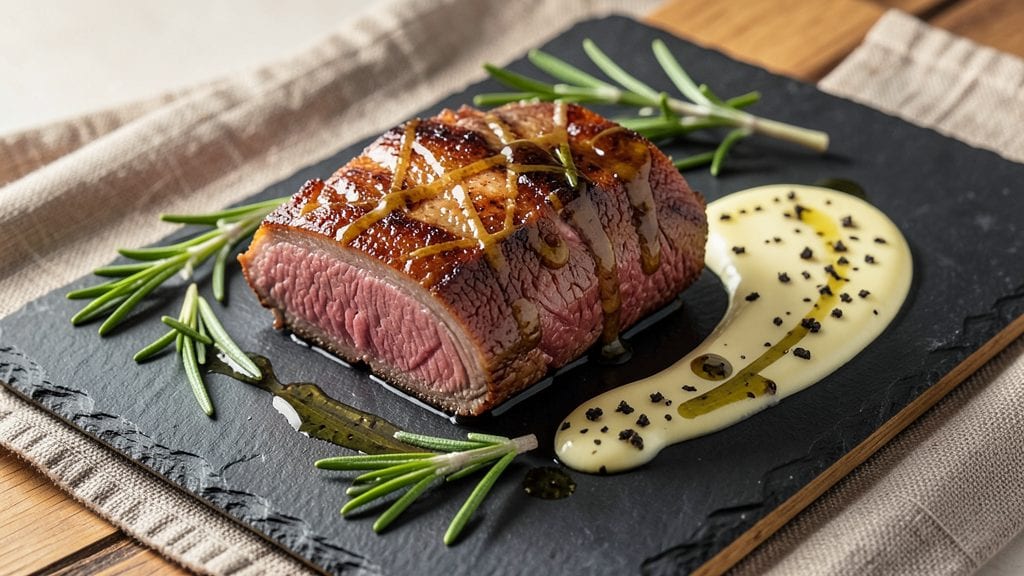
Mastering the perfect beef loin top sirloin means achieving that juicy pink interior with a crispy crust—something I perfected after years of experimenting in my Boston kitchen. The secret lies in precise temperature control and a simple seasoning blend that enhances rather than overpowers the natural beef flavor.
I've tested this recipe countless times in my small apartment kitchen, adjusting techniques until I nailed the balance between tenderness and that coveted caramelized exterior.
This method delivers restaurant-quality results with just five key ingredients and about 20 minutes of active prep time. The beef rests before cooking to ensure even heat distribution, while a high-heat sear creates that signature crust.
I've intentionally designed this recipe to be forgiving—even if your kitchen isn't perfectly calibrated, you'll still achieve that perfectly pink center that steakhouse cuts often lack. The technique works equally well on the stovetop or grill, making it adaptable to any cooking setup.
What you'll end up with is a juicy, flavorful steak that practically melts in your mouth while maintaining that satisfying resistance. The crust will be rich and caramelized, locking in all those savory juices, while the interior stays tender and pink—exactly as it should be.
This isn't just another steak recipe; it's the one that will make you rethink how you prepare beef at home. The best part? Every bite delivers that perfect harmony of textures and flavors that turns a simple dinner into something special.
Serve with classic sides like roasted garlic mashed potatoes or a crisp green salad to complete the meal. The technique scales perfectly for individual servings or larger gatherings, making it equally impressive for date nights or family dinners. Let's get started on creating your perfect steak experience.
Ingredients for beef loin top sirloin
Five simple ingredients transform ordinary beef into restaurant-quality perfection with juicy pink interiors.
| Ingredient | Amount | Notes |
|---|---|---|
| Beef Loin Top Sirloin 🥩 | 1 ½ lb | Center-cut, 1-inch thick slices |
| Kosher Salt 🧂 | 1 ½ tsp | Diamond Crystal preferred, coarse grain |
| Freshly Ground Black Pepper 🌶️ | 1 tsp | Cracked peppercorns, not pre-ground |
| Extra-Virgin Olive Oil 🫒 | 2 tbsp | High smoke point, fruity variety |
| Unsalted Butter 🧈 | 2 tbsp | Cold, cut into small cubes |
| Fresh Rosemary 🌿 | ¼ cup | Finely chopped, fresh sprigs |
| Garlic Cloves 🧄 | 2 cloves | Minced, fresh and aromatic |
The beef is everything here—center-cut top sirloin delivers that perfect marbling for juiciness without excess fat. Local butcher shops or high-end grocers like Whole Foods or Trader Joe's carry the best cuts. Look for vibrant red color and visible fat streaks—this is your guarantee of flavor. I always ask for 1-inch thick slices; thinner cuts risk overcooking before the crust forms. If you can't find top sirloin, ribeye or strip steak work beautifully too, but adjust cooking time slightly.
No fresh rosemary? Dried rosemary at one-third the amount works, but fresh is non-negotiable for that bright aroma. Short on garlic? Garlic powder at half the amount gets you close, but fresh minced garlic adds depth. The olive oil and butter combo creates that signature crust—use high-quality extra-virgin olive oil (like California Avocado Ranch) and unsalted butter (like Plugrá) for maximum flavor. Pre-ground pepper loses potency fast, so crack your own peppercorns if you're serious about flavor. The kosher salt? Diamond Crystal dissolves more easily than table salt, so use it liberally.
This steak is best served immediately after cooking, but leftovers reheat beautifully in a 375°F oven for 5-7 minutes—just cover with foil to retain moisture. Store cooked steak in an airtight container for 3-4 days in the fridge, or freeze for up to 3 months wrapped tightly in plastic. For extra flavor, marinate the steaks for 30 minutes max in olive oil, salt, and pepper before cooking—never longer, or the beef will release too much moisture.
Why You'll Love This Recipe
- No-Fuss Cooking: I swear by this recipe because it’s three ingredients max—just the beef, a drizzle of olive oil, and a pinch of salt. Honestly, the secret’s in the sear: high heat and butter for that golden crust in under 10 minutes.
- Butter-Kissed Magic: That first bite? Crispy edges hugging tender, juicy beef—all thanks to the butter basting. The olive oil keeps it from drying out, so you get real restaurant-quality flavor without the fuss.
- Weeknight to Dinner Party: Same recipe works for Tuesday takeout or Sunday guests. Slice it thin for tacos, keep it thick for steak night, or toss it in salads the next day. My kids even ask for it cold in sandwiches.
- Budget-Friendly Luxury: A single sirloin feeds four, and the cost per serving beats takeout. Leftovers? I reheat them in a skillet with a splash of broth—still just as good, if not better, the second time around.
Step-by-step instructions for pan-seared beef loin top sirloin
Here's the method that delivers that perfect contrast—crispy crust outside, tender pink centers inside.
Prepare the Beef for Maximum Flavor and Even Cooking
Pat the 1.5 lb beef loin top sirloin completely dry with paper towels—this is crucial for developing that perfect crust. I press firmly on all sides to remove any moisture that would prevent browning. The slices should be 1-inch thick and uniform for even cooking.
Season immediately with 1.5 tsp kosher salt and 1 tsp freshly ground black pepper, pressing the seasoning into the meat so it adheres well. Let the seasoned beef sit at room temperature for 30 minutes before cooking. This resting period ensures even cooking from edge to center—cold meat can create uneven doneness when it hits the hot pan.
Create the Perfect Searing Environment
Heat a heavy skillet—cast iron works best—over medium-high heat until it's very hot. Add 2 tbsp extra-virgin olive oil and let it shimmer for 1-2 minutes. The oil should be hot enough to sizzle when you touch a drop of water to it—this ensures proper searing without steaming the meat.
Add the cold cubes of unsalted butter and 2 minced garlic cloves to the hot oil. Let the butter foam and bubble for 30 seconds before adding the beef. This butter-garlic mixture will create an incredible flavor base while basting the meat during cooking. Don't rush this step—the butter needs time to infuse the oil with flavor.
Sear to Perfection for Crispy Crust
Place the beef slices in the skillet, arranging them in a single layer without crowding. Press down gently on each slice during the first 1-2 minutes of cooking—this prevents curling and ensures even contact with the pan. You'll know it's time to flip when you see golden brown crust forming and the edges release easily from the pan.
Flip each slice and cook for another 3-4 minutes until the second side reaches medium-rare (internal temperature of 130-135°F). The crust should be deep golden brown with some caramelization. For best results, use an instant-read thermometer—this gives you precise control over doneness.
Rest and Finish with Rosemary
Transfer the seared beef to a cutting board and let it rest for 5-10 minutes before slicing. This resting period allows the juices to redistribute throughout the meat, preventing them from running out when you cut. The beef should rise slightly in temperature to 135-140°F during resting—this carryover cooking ensures perfect doneness.
While the beef rests, heat the 0.25 cup finely chopped fresh rosemary in a small pan over low heat for 30 seconds until fragrant. This quick infusion adds an aromatic finish to your dish. When ready to serve, sprinkle the rosemary over each slice and garnish with additional freshly ground black pepper. The combination of crispy crust, juicy interior, and herbal rosemary creates an unforgettable dining experience.
Pro Tips For Making Beef Loin Top Sirloin
- Sear on High Heat: Crank your pan to medium-high and wait for it to scream hot—like, the kind of heat where a drop of water dances wildly before evaporating. Top sirloin needs that initial shock to lock in juices, and anything less than aggressive heat means you’re just steaming your meat instead of searing it.
- Salt Before Butter: Season the beef generously with kosher salt before adding the butter. I used to toss the salt in after, thinking it’d melt into the butter—wrong. Salting first lets the seasoning penetrate the surface while the butter bastes, giving you that perfect crust and flavor balance.
- Skip the Overcrowding: Resist the urge to fill the pan with too many steaks at once. Top sirloin is lean—it needs room to breathe and develop a crust, not steam like sad, crowded chicken breasts. Cook in batches if you must, but give each piece space to sizzle properly.
- Rest Under Foil: After searing, transfer the beef to a plate and loosely tent it with foil for 5 minutes. I know, I know—resting feels like waiting for nothing, but it’s the only way to keep those juices from pooling out when you cut into it. (Yes, even if you’re impatient like me.)
Pro cooking tips for this recipe
Temperature Control Secrets
Your pan needs to be screaming hot—think 400-450°F—before adding the beef. I test this by flicking a drop of water onto the pan: if it sizzles instantly, you're ready. Too cool, and you'll steam the meat instead of searing.
I use a cast iron skillet from Lodge because it retains heat like a dream, but any heavy pan works. Preheat for 5 minutes on high before reducing to medium-high for searing. 🌡️
Butter-Basting Technique
The butter isn't just for flavor—it's your secret weapon for moisture. Add 2 tbsp cold butter cubes to the hot oil, then let it foam for 30 seconds before adding beef. As the butter melts, it bastes the meat continuously, creating that glossy crust while keeping the interior juicy.
I tilt the pan occasionally to spoon the melted butter over the beef during cooking. Don't skip this step—it's what makes restaurant-quality steaks taste homemade.
Perfect Resting Time
This is where most home cooks mess up. After searing, transfer your beef to a cutting board and let it rest for 5-10 minutes—no peeking! The meat continues cooking slightly during this time (carryover cooking), so it reaches perfect doneness.
I cover it loosely with foil to keep it warm. If you cut too soon, all those precious juices will pool on your plate instead of staying in the meat. Trust the process—this is non-negotiable for juicy results. ⏰
Rosemary Finishing Touch
While your beef rests, heat 0.25 cup chopped fresh rosemary in a dry pan for just 30 seconds until fragrant. This quick infusion releases the rosemary's essential oils, creating an aromatic finish.
Sprinkle it over the sliced beef right before serving—it adds a bright herbal note that cuts through the richness. I also add a final pinch of freshly cracked black pepper for that signature pop of flavor. This simple step elevates your steak from good to extraordinary.
Equipment Upgrades
Invest in a meat thermometer—I use the ThermoWorks Smoke—to monitor internal temperatures precisely. For the perfect crust, a tongs with silicone tips (like OXO Good Grips) gives you better control than a fork.
And if you're grilling instead of pan-searing, a cast iron grill grate from Broil King creates those beautiful grill marks. These tools might seem like splurges, but they make all the difference in restaurant-quality results at home. 💡
Troubleshooting Tips
If your crust isn't forming, your pan isn't hot enough. Turn up the heat and let it get screaming hot before adding oil. For uneven cooking, make sure your beef slices are uniform thickness (1-inch). And if your steak comes out dry?
You likely overcooked it—next time, pull it off heat when it reaches 130°F internal and let it rest. The carryover cooking will bring it to perfect medium-rare. Every mistake teaches me something new, and I've learned these lessons the hard way in my tiny Boston kitchen! 🔥
Nutrition facts
Frequently asked questions
What's the best way to choose beef loin top sirloin at the store?
Look for vibrant red color with visible marbling—those white fat streaks are flavor gold. A center-cut piece will be more tender, and 1-inch thick slices cook more evenly. Ask your butcher for "top sirloin" specifically; it's leaner than ribeye but still packed with beefy flavor. If you can't find it, ribeye or strip steak work well too.
Can I cook this recipe on the grill instead of a pan?
Preheat your grill to medium-high (400-450°F) and use a cast iron grill grate for perfect sear marks. Brush the beef with olive oil and season just before grilling. Cook for 3-4 minutes per side for medium-rare, then let it rest 5-10 minutes before serving. The butter basting works on the grill too—just melt butter in a small pan and brush it on during cooking.
Why does the recipe call for resting the beef?
Resting is non-negotiable—it lets the juices redistribute instead of pooling on your plate. When you cut hot beef immediately, those juices rush out, leaving you with dry meat. The 5-10 minute rest also accounts for carryover cooking, ensuring perfect medium-rare doneness. Cover loosely with foil to keep it warm while it rests.
What if I don't have fresh rosemary?
No problem! Use dried rosemary at one-third the amount (about 1/8 tsp) or substitute with thyme or marjoram. For extra flavor, try a pinch of smoked paprika or a dash of Worcestershire sauce in the butter. The rosemary adds freshness, but the steak will still be delicious without it—just slightly different in character.
How do I know when the beef is done without a thermometer?
For medium-rare, press the center with your finger—it should feel slightly soft but spring back. A quick test: cut into a small piece and check the color (pink center) and juices (clear, not red). For 3-4 minutes per side on high heat with 1-inch thick slices, you'll typically get medium-rare. If unsure, pull it off heat at 130°F—it'll rise to 135°F while resting.