
Main Courses
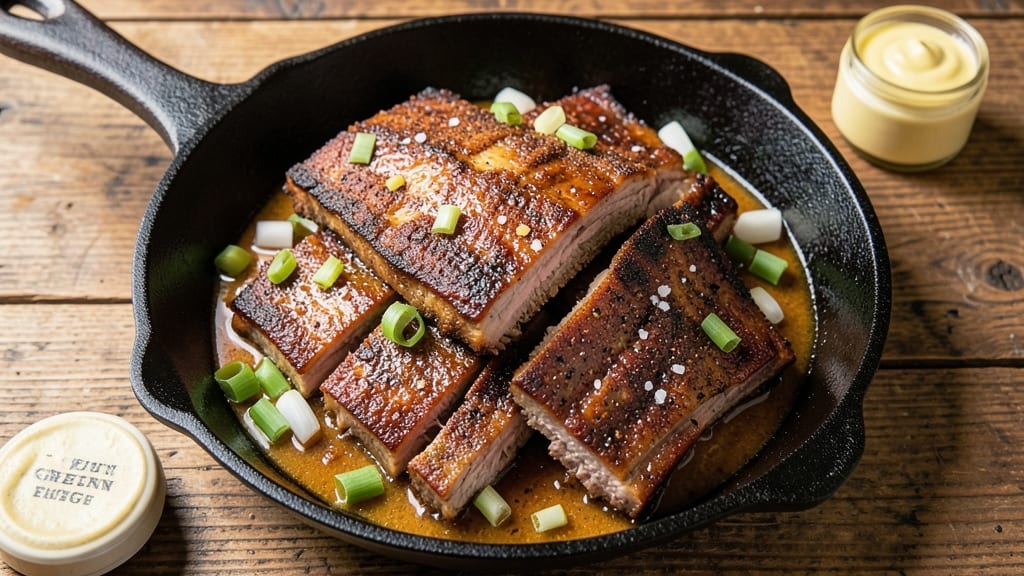
Cooking beef ribs in a Big Green Egg transforms tough cuts into melt-in-your-mouth perfection with a deep, smoky bark that’s impossible to resist. The key lies in precise charcoal management and slow, controlled heat—techniques that turn this backyard grill into a restaurant-quality smoker.
I’ve perfected this method over countless cookouts, ensuring every bite delivers that ideal balance of tenderness and flavor.
What sets this recipe apart is the fall-off-the-bone tenderness achieved through a dry rub and low-and-slow cooking. The Big Green Egg’s unique heat distribution creates an even bark while keeping the meat juicy inside.
No fancy equipment needed—just charcoal, patience, and attention to temperature. This isn’t just a recipe; it’s a method that elevates your backyard cooking to professional standards.
The result is ribs so tender they practically dissolve on your tongue, with a crispy, caramelized bark that’s rich with smoky depth. The secret? Monitoring internal temps and maintaining consistent heat—no guessing, just precision.
Whether you’re hosting a gathering or treating yourself, these ribs will be the centerpiece of any meal.
Serve with classic sides like coleslaw or cornbread to soak up every bit of that smoky sauce. Here’s how to achieve restaurant-quality ribs at home, step by step.
Ingredients for beef ribs big green egg
Six pounds of ribs, a handful of pantry staples, and charcoal heat that turns tough meat into tender magic.
| Ingredient | Amount | Notes |
|---|---|---|
| Beef Ribs (Baby Back) 🥩 | 6 lb | Bone-in, meaty ends preferred |
| Yellow Mustard 🍯 | ½ cup | For sticky base layer |
| Brown Sugar 🍚 | ½ cup | Light or dark variety |
| Smoked Paprika 🌶️ | 2 tbsp | For deep smoky flavor |
| Garlic Powder 🧄 | 1 tbsp | Freshly ground preferred |
| Onion Powder 🧅 | 1 tbsp | For sweet depth |
| Kosher Salt 🧂 | 1 tbsp | Diamond Crystal preferred |
| Black Pepper 🌶️ | 1 tbsp | Freshly cracked |
| Ground Cumin 🌿 | 1 tsp | Toasted for warmth |
| Charcoal Briquettes 🔥 | 5 lb | Kingsford preferred |
| Apple Cider Vinegar 🍎 | 2 tbsp | For bark development |
| Wood Chips (Hickory) 🌳 | 1 cup | Soaked for 30 minutes |
| Beef Broth 🍲 | 1 cup | Low-sodium preferred |
The ribs are the star—baby back cuts with meaty ends are ideal, but spare ribs work too (just add 30 minutes). Grab them from Costco or your butcher's counter—look for bright red color and good marbling. Kingsford charcoal briquettes are my go-to for consistent heat, but any lump charcoal works if you're willing to monitor temps closely. The wood chips? Hickory gives that classic BBQ smokiness, but apple or cherry adds sweetness too. Soak them in water for 30 minutes before using—this keeps them from burning too fast.
No smoked paprika? Regular paprika plus a pinch of liquid smoke gets you close. Short on brown sugar? Maple syrup at half the amount adds moisture but changes flavor slightly. The mustard is non-negotiable—it's what makes the bark stick, but if you're avoiding it, BBQ sauce as a base layer works in a pinch. For the vinegar, apple cider vinegar is best, but white vinegar works if that's what you've got. The beef broth adds moisture during cooking—use low-sodium to avoid over-salting the meat.
Prep the ribs the night before—pat dry and refrigerate uncovered for maximum bark adhesion. Charcoal stays potent for 6-12 months in a dry place, but wood chips lose flavor after 3 months once opened. Store leftover ribs wrapped in foil in the fridge for 4 days or freeze for 3 months. The dry rub keeps well in an airtight container for 1 month—make extra for future cookouts.
Why You'll Love This Recipe
- Big Green Egg Ready: The ribs cook low-and-slow in that cast iron, so you’re not stuck babysitting them. Just slap on that mustard-sugar rub, pop them in the egg, and let the heat do the work while you sip a beer—no flipping, no stress.
- Sweet-Smoky Magic: That combo of brown sugar and smoked paprika? It caramelizes into this sticky, slightly tangy glaze that clings to every bite. The yellow mustard cuts through the richness, balancing it all into something dangerously addictive.
- Tailgate or Tuesday: Between us, these ribs work for game day and lazy nights. Serve them with coleslaw for a full spread, or just grab a fork and eat straight from the egg—no plates, no fuss. My daughter even sneaks bites when I’m not looking.
- Leftovers That Don’t Suck: The ribs stay juicy for days, so you’re not stuck with dry meat. Shred the extras for tacos, sandwiches, or even a quick fried rice—none of that sad, rubbery afterthought nonsense. (Yes, even on a Tuesday night.)
Step-by-step instructions for smoky beef ribs on the Big Green Egg
Here's how to transform tough ribs into fall-off-the-bone perfection using your Big Green Egg.
Prepare the Ribs with Dry Rub and Mustard Base
Start by patting the 6 lb beef ribs completely dry with paper towels—this is non-negotiable for crispy bark. In a small bowl, combine the 0.5 cup brown sugar, 2 tbsp smoked paprika, 1 tbsp garlic powder, 1 tbsp onion powder, 1 tbsp kosher salt, 1 tbsp black pepper, and 1 tsp ground cumin. Mix until it forms a fine, even powder.
Spread 0.5 cup yellow mustard thinly over both sides of the ribs—this sticky layer helps the rub adhere and creates that iconic bark. Then generously coat the ribs with the dry rub mixture, pressing it into the meat so it sticks. Let them sit at room temperature for 30 minutes while you prep the grill.
Set Up the Big Green Egg for Indirect Heat
Soak the 1 cup hickory wood chips for 30 minutes to prevent flare-ups. Arrange 3 lb of the 5 lb charcoal briquettes on one side of the Big Green Egg and the remaining 2 lb on the opposite side, creating a two-zone fire. Place a drip pan filled with 2 tbsp apple cider vinegar between the coals—this helps develop that dark, smoky bark.
When the coals are covered with white ash (about 15 minutes), spread the soaked wood chips evenly over the coals. Close the lid and let the temperature stabilize at 250°F—this low-and-slow approach is what makes the ribs tender. You'll know it's ready when you see steady, thin blue smoke wafting from the vents.
Smoke the Ribs Low and Slow
Place the ribs bone-side down on the cooler side of the grill, away from direct heat. Close the lid and smoke for 3 hours, maintaining that 250°F temperature. Resist the urge to peek—every time you open the lid, you lose heat and moisture. Instead, use an infrared thermometer to check the internal temperature through the vent.
After 3 hours, flip the ribs bone-side up and continue cooking for another 2 hours. This is where the magic happens—the collagen breaks down, and the ribs become fork-tender. You'll notice a dark mahogany bark forming, and the ribs will smell incredible. If the temperature drops below 225°F, simply add a few more briquettes to the hot side.
Wrap and Finish for Maximum Tenderness
Once the ribs reach an internal temperature of 195°F (they'll still feel firm), it's time to wrap them. Line a piece of heavy-duty foil with another sheet, then place the ribs on top. Pour 1 cup beef broth over them, sealing the edges tightly to trap steam. This step, called the "Texas crutch," helps tenderize the ribs further by breaking down any remaining connective tissue.
Return the wrapped ribs to the grill and cook for another 1 to 1.5 hours, until the internal temperature reaches 203°F and the ribs are probe-tender. Let them rest in the foil for 15 minutes before serving—this resting period ensures the juices redistribute, making every bite irresistibly moist.
Serve with Confidence
Unwrap the ribs and slice them between each bone for easy serving. The meat should pull apart effortlessly, with a glossy, smoky bark that's crispy yet tender. Serve immediately with extra beef broth for dipping or a simple side of grilled vegetables. The ribs should be rich, smoky, and so tender they practically melt in your mouth.
Pro Tips For Making Beef Ribs Big Green Egg
- Preheat That Egg: The Big Green Egg’s lid can’t handle cold ribs—fire up the grill to 350°F first. I learned this the hard way when my ribs spent the first 20 minutes steaming instead of searing, and the sauce turned into a sad, watery glaze. Let the ribs sit on the rack for 5 minutes after placing them down so they don’t stick to the hot metal.
- Whisk the Mustard: Yellow mustard clumps like a stubborn guest at a party. Mix it with 1 tablespoon of water or apple cider vinegar before slathering it on the ribs—this keeps the sauce smooth and clingy. My grandmother swore by this, and she was right: no one wants to bite into a rib with a mustard lump in the way.
- Don’t Crowd the Rack: Baby back ribs need airflow like a diva needs applause. Stacking them too close turns the Big Green Egg into a sauna, and you’ll end up with soggy ribs instead of caramelized crust. Leave a thumb’s width between racks—yes, even if it looks sparse. The first hour is the most critical for that sticky, smoky bark.
- Sugar Last, Not First: Brown sugar burns faster than a gossip at a church picnic. Sprinkle it on after the ribs have developed a dark crust (about 45 minutes in), not at the start. This way, it melts into a glossy glaze instead of turning into bitter charcoal. Trust me, your ribs will taste sweeter for the patience.
Wine and beer pairings for beef ribs big green egg
Red Wine Pairings
A bold, full-bodied Cabernet Sauvignon from Napa Valley is my go-to choice for these smoky ribs. The 14-15% alcohol cuts through the richness while its dark fruit notes—blackberry and plum—complement the caramelized bark.
Look for a vintage with 12-18 months of aging to soften tannins and enhance the wine’s ability to stand up to the ribs’ intensity. If you prefer something lighter, a Syrah from Washington State brings peppery warmth that mirrors the ribs’ smoky depth. 🍷
Malbec Magic
Argentinian Malbec is another fantastic match, especially if you want to highlight the ribs’ sweet-savory balance. Its jammy black fruit and velvety texture pair beautifully with the caramelized exterior, while the wine’s natural acidity cleanses your palate between bites.
I recommend a Mendoza Malbec with 13.5% alcohol—it’s rich enough to handle the ribs’ smokiness but still refreshing. Serve slightly chilled (60-65°F) to enhance its fruit-forward qualities. 💫
Beer Pairings
For beer lovers, a smoked porter like Goose Island Bourbon County Stout is a game-changer. The bourbon barrel aging adds caramel and vanilla notes that harmonize with the ribs’ sweet-savory profile, while the smoky maltiness echoes the Big Green Egg’s aroma.
If you prefer something lighter, a Belgian-style witbier (like Hoegaarden) brings citrusy brightness that cuts through the richness. 🍺
Sparkling Contrast
Don’t overlook sparkling wines like Champagne or Prosecco for a refreshing contrast. The bubbles and acidity cleanse your palate, making each bite of rib taste even more vibrant. A Brut Champagne with its crisp apple and almond notes balances the smokiness beautifully.
For a non-alcoholic option, try a sparkling apple cider with a hint of ginger—it’s surprisingly effective at cutting through the richness. ✨
Regional Beer Styles
If you’re cooking in a cooler climate, consider a German-style Dunkel or Schwarzbier. The malty sweetness and roasted notes complement the ribs’ caramelized exterior, while the low bitterness lets the meat shine.
For a Southern US twist, a Texas-style smoked beer (like Lone Star Smoked Porter) ties directly into the BBQ experience. The smoky maltiness feels like a natural extension of the cooking process. 🌶️
Nutrition facts
Frequently asked questions
Why does the recipe use yellow mustard as a base layer?
The mustard creates a sticky foundation that helps the dry rub cling to the ribs, ensuring an even bark. It also adds a subtle tang that balances the sweetness of the brown sugar in the rub. This is a classic BBQ technique that makes all the difference for crispy, flavorful results.
Can I use spare ribs instead of baby back ribs?
Yes, but expect an extra 30-45 minutes of cooking time since spare ribs have more connective tissue. The same method works—just monitor the internal temperature closely and wrap when it reaches 195°F. The bark will be slightly thicker, but the tenderness will be just as impressive.
How do I maintain consistent heat in my Big Green Egg?
Keep the lid closed as much as possible and avoid opening it to check the meat. Use an infrared thermometer to monitor temps through the vent. If the temperature drops below 225°F, add a few more briquettes to the hot side. The key is patience—small adjustments prevent heat spikes.
What if my ribs aren't tender enough after wrapping?
If the ribs reach 203°F but still feel firm, return them to the grill (unwrapped) for another 30-45 minutes at 275°F. The high heat will crisp the bark while the internal temp climbs. For extra tenderness, slice between bones and serve with extra beef broth for dipping.
Can I make the dry rub ahead of time?
Store the dry rub in an airtight container for up to 1 month in a cool, dry place. For best results, mix it fresh 24 hours before cooking to let flavors meld. If using pre-made rub, add 1 tbsp of apple cider vinegar to the mix for extra bark development.