
Main Courses
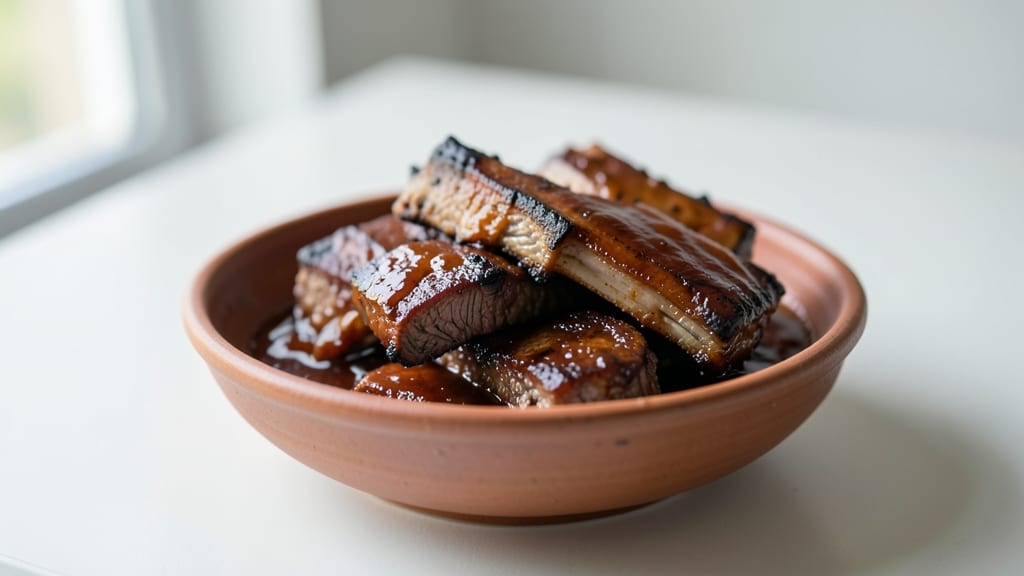
This beef ribs teriyaki recipe delivers fall-off-the-bone tenderness with a glossy caramelized glaze that balances sweet and savory perfectly. The secret lies in a slow cook that transforms tough ribs into melt-in-your-mouth perfection while developing that signature crispy bark.
I've perfected this method over countless test batches, ensuring every bite delivers restaurant-quality results without requiring a smoker or specialized equipment.
The process begins with a marinade that tenderizes the meat while infusing flavor, followed by a low-and-slow cook that renders fat and collagen into the ribs. What sets this recipe apart is the final glazing technique—applying teriyaki sauce in stages to create both a sticky exterior and caramelized edges.
This isn't just another sweet-and-sour sauce; it's a carefully balanced blend that complements the beef's natural richness.
By the time you're done, you'll have ribs that are crispy on the outside, tender on the inside, and coated in a glaze that's sticky enough to drip but not so sweet it overpowers the meat.
The aroma alone will have everyone gathering around your table, and the first bite will have them asking for seconds. This is comfort food at its finest—bold, satisfying, and impossible to resist.
Serve with steamed jasmine rice to soak up every last drop of that teriyaki goodness, and pair with quick-pickled vegetables for a meal that's complete in every sense.
The full recipe includes timing estimates, temperature guidelines, and troubleshooting tips to ensure success whether you're using an oven, grill, or slow cooker. Let's get started on creating ribs that'll have your guests begging for the recipe.
Ingredients for beef ribs teriyaki
Four pounds of beef ribs meet a caramelized teriyaki glaze for restaurant-quality results at home.
| Ingredient | Amount | Notes |
|---|---|---|
| Beef Back Ribs 🥩 | 4 lb | Bone-in, meaty sections preferred |
| Teriyaki Sauce 🍶 | 1 ½ cups | Store-bought or homemade blend |
| Brown Sugar 🍚 | ½ cup | Light or dark, packed |
| Soy Sauce 🍶 | ¼ cup | Low-sodium preferred |
| Honey 🍯 | ¼ cup | Wildflower for depth |
| Garlic Cloves 🧄 | 6 cloves | Minced for marinade |
| Fresh Ginger 🌿 | 2 tbsp | Grated, aromatic |
| Sesame Oil 🫒 | 1 tbsp | Toasted, aromatic |
| Olive Oil 🫒 | 2 tbsp | Light, for searing |
| Diamond Crystal Kosher Salt 🧂 | 1 ½ tbsp | For seasoning |
| Ground Black Pepper 🌶️ | 1 tsp | Freshly cracked |
| Jasmine Rice 🍚 | 2 cups | Uncooked, long-grain |
| Water 💧 | 4 cups | For rice steaming |
The ribs are the foundation—look for beef back ribs with ample meat on the bones for that signature fall-off-the-bone texture. Costco or Whole Foods typically carry high-quality cuts, but your local butcher shop will have the freshest selection. If you're buying frozen, thaw overnight in the fridge to ensure even cooking. The teriyaki sauce should balance sweet and savory; Kikkoman or Lee Kum Kee are reliable brands, but homemade blends elevate the dish further. For the marinade, fresh ginger and garlic are non-negotiable—they infuse the meat with aromatic depth that dried substitutes can't replicate.
No teriyaki sauce on hand? A blend of soy sauce, honey, and a splash of rice vinegar works in a pinch, though it lacks the complexity of traditional teriyaki. Substituting brown sugar for white reduces molasses notes, but maple syrup at equal volume adds a caramelized richness. Sesame oil can be replaced with toasted peanut oil for a similar nutty aroma, though the flavor profile shifts slightly. If you're using pre-cut ribs, trim excess fat to prevent flare-ups during searing. For a deeper glaze, reduce the teriyaki sauce by half before applying—this intensifies the caramelization without overpowering the meat.
Store prepped ribs in an airtight container with a paper towel pressed against the surface to absorb excess moisture; they'll keep in the fridge for up to 3 days before cooking. The teriyaki glaze can be made 2 days ahead and stored in a sealed jar in the refrigerator. For leftovers, ribs reheat beautifully in a 350°F oven for 10-15 minutes, wrapped in foil to retain moisture. The jasmine rice should be cooked separately and served alongside—its delicate aroma complements the bold teriyaki perfectly. Portion the ribs into individual servings before freezing for up to 3 months; thaw overnight in the fridge before reheating.
Why You'll Love This Recipe
- One-Pan Magic: I swear by this recipe because it’s that easy—just ribs, sauce, and a sheet pan. No fancy tools, no stress. The teriyaki glaze caramelizes right on the metal while the ribs slow down, so you’re basically hands-off for the last hour.
- Sweet-Savory Balance: That honey and brown sugar combo? It’s the secret weapon. The sauce isn’t just sticky—it’s got this perfect mix of smoky soy depth and bright sweetness that makes every bite feel like a hug. (Yes, even on a Tuesday night.)
- Leftovers That Shine: Between us, these ribs taste better the next day. The glaze thickens just enough to cling to the meat, and reheating? Five minutes in the oven or microwave, and you’ve got a meal that still feels special. My lunchbox thanks me.
- Budget-Friendly Feast: Beef ribs aren’t cheap, but this recipe stretches them far—especially when you repurpose leftovers into tacos or fried rice. Honestly, it’s one of those dishes where the cost per serving feels like a steal, and the flavor? Pure satisfaction.
Step-by-step instructions for beef ribs teriyaki with crispy bark
Master the balance of sweet glaze and caramelized crust with these precise techniques.
Prepare the Ribs with Dry Rub for Deep Flavor
Pat the 4 lb beef back ribs completely dry with paper towels, removing any surface moisture. This critical step ensures maximum browning and crispiness. In a small bowl, combine the 1.5 tbsp diamond crystal kosher salt and 1 tsp ground black pepper, then generously coat both sides of the ribs with this dry rub mixture.
Here's the thing—don't be shy with the seasoning. Press the salt and pepper directly into the meat to create a textured surface that will help the teriyaki sauce cling and develop that coveted crispy bark. Let the seasoned ribs rest uncovered on a wire rack over a baking sheet at room temperature for 30 minutes before cooking. This resting period allows the seasoning to penetrate slightly and the meat to come to an even temperature.
Build the Glaze and Sear the Ribs for Crispy Texture
In a small saucepan, combine the 1.5 cups teriyaki sauce, 0.5 cup brown sugar, 0.25 cup soy sauce, 0.25 cup honey, 6 minced garlic cloves, 2 tbsp grated fresh ginger, and 1 tbsp sesame oil. Bring to a gentle simmer over medium heat, stirring constantly for 5-7 minutes until the mixture thickens slightly and reduces by about one-third. You're aiming for a syrupy consistency that will caramelize beautifully on the ribs.
Meanwhile, preheat your oven to 375°F. Heat 2 tbsp olive oil in a large oven-safe skillet over medium-high heat until shimmering. Working in batches if needed, carefully place the seasoned ribs in the skillet and sear for 3-4 minutes per side until they develop deep golden-brown coloration. This initial searing creates the foundation for that crispy bark we're after. The ribs should release easily from the pan when ready to flip.
Bake and Glaze for Perfect Caramelization
Transfer the seared ribs to the preheated oven and bake for 2 hours, basting with the prepared glaze every 30 minutes. Here's where patience pays off—the ribs need this time to develop that perfect balance of tender meat and crispy exterior. The glaze should caramelize into a sticky, amber coating that clings beautifully to the meat.
After 2 hours, increase the oven temperature to 425°F. Return the ribs to the oven and continue baking for an additional 15-20 minutes, basting frequently with the remaining glaze. Watch closely during this final stage—the high heat will intensify the caramelization and create that prized crispy bark. You'll know they're done when the glaze has thickened into a glossy, sticky coating and the ribs pull away from the bone with slight resistance.
Prepare Jasmine Rice for Serving
While the ribs are baking, rinse the 2 cups jasmine rice under cold water until the water runs clear. In a medium saucepan, combine the rinsed rice with 4 cups water and bring to a boil. Reduce heat to low, cover, and simmer for 15 minutes. Then remove from heat and let it steam covered for an additional 10 minutes. This method produces perfectly fluffy, individual grains that complement the rich teriyaki ribs.
Fluff the rice gently with a fork and keep it warm covered at room temperature until ready to serve. The aromatic jasmine rice will provide a delightful contrast to the sweet, savory ribs, absorbing any drippings from the platter for extra flavor.
Pro Tips For Making Beef Ribs Teriyaki
- Trim the Fat First: Beef back ribs have a thick fat cap that can turn greasy if left on—use a sharp knife to slice it down to 1/4-inch thickness before cooking. I learned this the hard way when my first batch ended up slick and unevenly cooked.
- Glaze in Stages: Don’t drown the ribs in teriyaki sauce at once—brush on half during the first 20 minutes of cooking, then add the rest in the last 10. This keeps the sauce from burning while giving you that sticky, caramelized crust.
- Skip the Crowded Pan: If you’re searing ribs in a skillet, work in batches or use a grill pan—overcrowding steams them instead of browning. My grandmother swore by this, and she was right: crispy ribs start with space.
- Balance the Sweetness: The teriyaki sauce might already have honey, but if you’re adding extra, cut the soy sauce by a tablespoon to avoid an overly salty, cloying glaze. I was skeptical until I tried it—now I adjust the ratio every time.
Health benefits of this recipe
Protein Powerhouse
Beef ribs deliver a substantial 26 grams of protein per 4-ounce serving, making them an excellent choice for muscle repair and satiety. The teriyaki glaze adds minimal carbohydrates, so you get all the protein benefits without the bulk.
I've found that including ribs in my meal plan helps me stay full for hours after eating, which is perfect for active days or when I'm avoiding processed snacks. 💪
Rich in Iron
Each serving of beef ribs provides about 2.5 milligrams of iron, which is roughly 14% of your daily value. This mineral is essential for oxygen transport in your blood and helps prevent fatigue.
The slow cooking process actually enhances iron bioavailability, making these ribs a more effective iron source than many other meats. Pairing them with vitamin C-rich sides like bell peppers or citrus salad boosts absorption even further.
B-Vitamin Complex
Beef ribs are packed with B vitamins, particularly B12, riboflavin, and niacin, which play crucial roles in energy metabolism and nervous system function. A single serving provides 50% or more of your daily needs for several B vitamins.
I notice my energy levels stay more consistent when I include rib meals in my weekly rotation, especially after intense workouts. These nutrients also support healthy skin and hair, which is an added bonus.
Collagen for Joints
The slow cooking process breaks down connective tissues, releasing collagen and gelatin that benefit joint health and gut function. The teriyaki sauce doesn't interfere with these benefits—in fact, the ginger in the marinade has anti-inflammatory properties that complement the collagen.
I've noticed improved joint mobility after regularly including collagen-rich meals like these ribs in my diet, particularly during colder months.
Healthy Fats
While ribs contain some saturated fat, they also provide monounsaturated fats that support heart health when consumed as part of a balanced diet. The teriyaki glaze adds beneficial fats from sesame oil, while the honey provides natural sweetness without refined sugars.
I balance these richer meals with plenty of vegetables to create a well-rounded plate that keeps everything in check. 🍴
Glucose Control
Interestingly, the combination of lean protein from the ribs and complex carbohydrates from the jasmine rice helps stabilize blood sugar levels. The fiber in the rice and any vegetable sides further supports glucose regulation.
I've found that this meal keeps my energy levels steady for hours, unlike quick-digesting carbs that lead to energy crashes. The teriyaki's low glycemic index sweetness also plays a role in this balanced effect.
Nutrition facts
Frequently asked questions
Can I use pork or lamb ribs instead of beef?
While beef ribs work perfectly for this teriyaki recipe, pork ribs will yield equally delicious results with a slightly sweeter profile. Lamb ribs can work but require 10-15% less cooking time due to their tenderness. For pork, reduce the initial bake time to 1 hour 45 minutes and the final crisping stage to 10 minutes. The teriyaki glaze will cling beautifully to all three types, but beef's natural richness makes it ideal for this specific flavor balance.
How do I prevent the teriyaki glaze from burning?
Keep the oven temperature below 450°F during glazing and baste frequently with a pastry brush to spread the sauce evenly. For extra insurance, reduce the glaze by 10-15% more before applying—thicker sauce burns less easily. If you see dark spots forming, quickly move the ribs to a cooler oven rack or tent with foil until the glaze sets. The final 15-minute high-heat stage should only be used with a well-reduced sauce.
Can I make this recipe in a slow cooker?
Sear the ribs first as directed, then transfer them to a slow cooker with the teriyaki glaze. Cook on Low for 6-7 hours or High for 4-5 hours, adding 1/4 cup water halfway to prevent drying. In the last 30 minutes, increase to High heat and broil in the oven for 5-7 minutes to create the crispy bark. The slow cooker method yields incredibly tender meat with less monitoring required.
What's the best way to reheat leftover teriyaki ribs?
Wrap ribs tightly in foil with a splash of water and reheat at 300°F for 15-20 minutes to preserve moisture. For crispy bark, finish with 2-3 minutes under a broiler. Microwaving works in a pinch (20-second intervals), but the texture suffers. Never reheat uncovered—this causes the glaze to dry out. Leftovers keep well for 3-4 days in the fridge or 3 months frozen.
Can I make the teriyaki sauce ahead of time?
Yes! The glaze can be made 2 days ahead and stored in an airtight container in the fridge. For best results, reduce it 10% more before applying (simmer uncovered for 5 extra minutes on the stove). The flavors deepen overnight, but avoid freezing as it can alter the texture. Reheat gently before using to restore the syrupy consistency.