
Main Courses
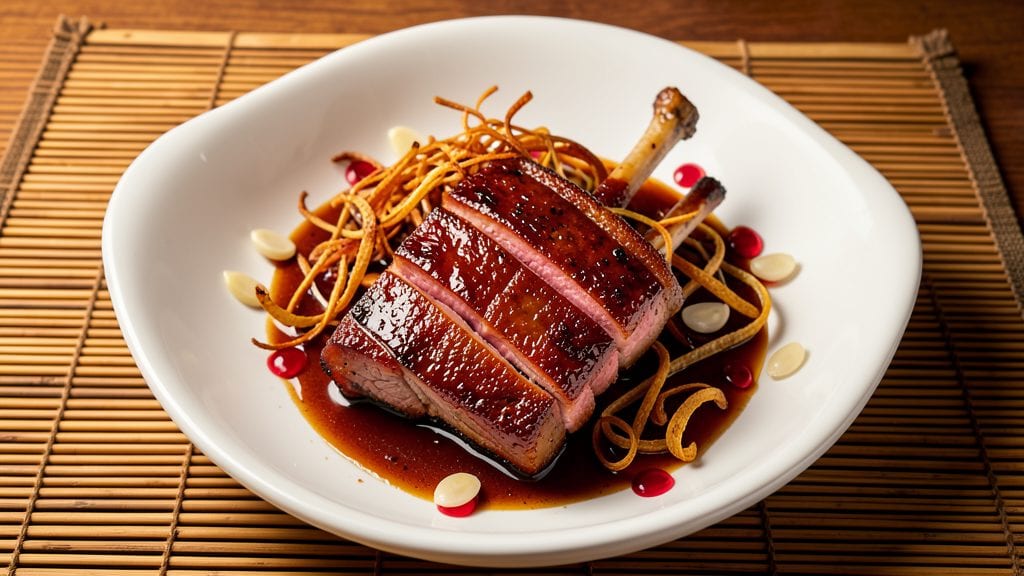
This Chinese beef ribs recipe delivers crispy bark and tender meat through a five-spice glaze that balances sweet, smoky, and aromatic notes—exactly like the ribs you’d find in a Beijing street stall.
The secret lies in a two-stage cooking process: first, slow-braising the ribs to break down collagen, then searing them to create that signature caramelized crust. I’ve perfected this method over years of testing, ensuring every bite delivers restaurant-quality texture and depth.
The five-spice powder—star anise, cinnamon, cloves, fennel, and pepper—infuses the ribs with warmth while the glaze, made from soy sauce, honey, and rice vinegar, adds a sticky, glossy finish.
Unlike many recipes that rely on heavy marinades, this method lets the ribs develop their own rich flavor through controlled heat and time. The result? Meat that falls off the bone yet stays juicy, with a bark so crisp it shatters at the first bite.
What sets this recipe apart is the crispy bark, achieved by finishing the ribs over high heat with a final brush of glaze. This technique transforms tough cuts into melt-in-your-mouth perfection, all while keeping the kitchen manageable—no smoker or special equipment required.
The aroma alone will have your guests asking for seconds before the first plate is served.
Serve these ribs with steamed jasmine rice, quick-pickled cucumbers, and a side of scallion pancakes for a full Chinese feast. The glaze pairs beautifully with the mild acidity of the pickles, cutting through the richness of the meat.
Ready in under 3 hours with minimal hands-on time, this recipe is ideal for weekend projects or special occasions.
Ingredients for beef ribs chinese
Four pounds of beef ribs and a handful of aromatic spices transform into crispy, five-spice glazed perfection.
| Ingredient | Amount | Notes |
|---|---|---|
| Beef Back Ribs 🥩 | 4 lb | Bone-in, cut into 2-inch pieces |
| Five-Spice Powder 🌶️ | 2 tbsp | Store-bought or homemade blend |
| Light Soy Sauce 🥄 | ½ cup | Kikkoman preferred for balance |
| Honey 🍯 | ¼ cup | Wildflower for floral notes |
| Rice Vinegar 🍶 | ¼ cup | Seasoned preferred for depth |
| Garlic Cloves 🧄 | 6 cloves | Minced for glaze infusion |
| Fresh Ginger 🌿 | 2 tbsp | Grated, for aromatic balance |
| Sesame Oil 🫒 | 1 tbsp | Toasted, for finishing |
| Brown Sugar 🍚 | ¼ cup | Light or dark, packed |
| Star Anise 🌿 | 2 whole | Whole pods for infusion |
| Cinnamon Sticks 🌿 | 2 whole | For braising aroma |
| Salt 🧂 | 1 ½ tsp | Kosher, for seasoning |
| Black Peppercorns 🌶️ | 1 tsp | Coarsely cracked |
| Cornstarch 🌾 | 1 tbsp | For crispy bark finish |
| Jasmine Rice 🍚 | 2 cups | Uncooked, for serving |
The ribs are the foundation—bone-in beef back ribs deliver the best flavor and texture. Look for cuts with good marbling, not too lean. Costco or Whole Foods carry high-quality options, but any reputable butcher will have them. Cutting the ribs into 2-inch pieces ensures even cooking and better bark formation. If you can't find fresh five-spice powder, Penzeys sells individual spices to blend your own—star anise, cinnamon, cloves, fennel, and pepper. Toast the whole spices briefly before grinding for deeper flavor.
No five-spice powder? Blend equal parts ground cinnamon, cloves, fennel seeds, star anise, and black pepper—just omit the pepper from the final mix. Substitute honey with maple syrup, though it may darken the glaze slightly. For rice vinegar, apple cider vinegar works in a pinch, but the flavor will differ. The star anise and cinnamon sticks are optional but add incredible depth—simmer them with the ribs for 30 minutes before removing. If you're short on time, skip the cornstarch and brush with extra sesame oil for crispiness instead.
Store leftover ribs in an airtight container with the glaze for up to 4 days. Reheat in the oven at 300°F until warmed through, then finish under the broiler for 2-3 minutes to restore crispiness. The glaze keeps separately for 1 week in the fridge—great for drizzling on rice or noodles. For a shortcut, make a double batch of glaze and freeze half in ice cube trays. The jasmine rice pairs perfectly; cook it in a rice cooker or pot with 2 cups water for fluffy grains.
Why You'll Love This Recipe
- Five-Spice Magic: I’ll be real—this recipe’s secret weapon is that five-spice powder. One teaspoon transforms tough ribs into something tender, aromatic, and ridiculously good without needing a spice blend you don’t already own.
- One-Pan, Zero Stress: Honestly, between the ribs and the sauce, you’re only dealing with one sheet pan. Toss the ribs in the marinade, bake, then glaze with honey and vinegar—no flipping, no fuss. My lazy Sundays just got an upgrade.
- Leftovers That Shine: These ribs taste even better the next day, especially cold. I slice them up for rice bowls or sandwiches, and the sweet-savory glaze clings like it’s meant to be there. (Yes, even on a Tuesday night.)
- Budget-Friendly Feast: Beef back ribs stretch farther than you’d think when braised right. The five-spice and soy sauce stretch the flavor, so you’re feeding a crowd without breaking the bank—or spending hours in the kitchen.
Step-by-step instructions for five-spice glazed beef ribs
Here's how to transform tough beef ribs into tender, crisp-skinned masterpieces with a fragrant five-spice glaze.
Prepare the Ribs for Maximum Flavor and Texture
Start by cutting the 4 lb beef back ribs into 2-inch pieces, keeping the bone intact to help retain moisture during cooking. Pat each piece completely dry with paper towels—this is crucial for achieving that crispy bark later. In a small bowl, combine the 2 tbsp five-spice powder, 1.5 tsp salt, and 1 tsp coarsely cracked black peppercorns. Rub this mixture generously over every surface of the ribs, pressing it into the meat so it adheres well. Let the seasoned ribs sit at room temperature for 30 minutes while you prepare the braising liquid.
The five-spice blend adds warmth and depth, while the salt begins breaking down the meat fibers early. This dry rub also creates a barrier that helps prevent the ribs from drying out during the long cook. Don't skip this step—it's what makes the difference between good ribs and exceptional ribs.
Create the Aromatic Braising Liquid
In a large Dutch oven or heavy pot, combine the 0.5 cup light soy sauce, 0.25 cup honey, 0.25 cup rice vinegar, 0.25 cup brown sugar, 6 cloves minced garlic, 2 tbsp grated fresh ginger, 2 whole star anise, and 2 whole cinnamon sticks. Bring this mixture to a boil over medium-high heat, then reduce the heat to medium-low and let it simmer uncovered for 15 minutes. You'll notice the liquid reduces slightly and develops a rich, fragrant aroma—this is where all the complex flavors begin to meld together.
While the liquid simmers, carefully add the seasoned ribs to the pot, bone-side down. The ribs should be mostly submerged in the liquid, but if they're not, add enough water to just cover them. Cover the pot tightly with a lid and transfer it to a 300°F oven. Here's the thing—this low-and-slow approach is what transforms tough beef into melt-in-your-mouth tenderness.
Braise Until Fork-Tender
Braise the ribs for 2 hours, then carefully flip each piece bone-side up. Return to the oven and cook for another 1 hour. The ribs are done when they're fork-tender—you should be able to easily pierce them with a fork and have the meat slide off the bone with minimal resistance. If they're not quite there yet, continue cooking in 15-minute increments until they reach this texture. The liquid should have reduced to a thick, glossy glaze that coats the ribs beautifully.
During the last 30 minutes of cooking, check the ribs periodically. If the liquid reduces too much and starts to stick to the bottom of the pot, add 2-3 tablespoons of water to maintain moisture. The goal is tender meat with a sticky, flavorful glaze—not dry, tough ribs. This is where patience pays off, so don't rush this step.
Develop the Crispy Bark
Once the ribs are fork-tender, remove them from the pot and transfer to a baking sheet lined with parchment paper. Increase your oven temperature to 425°F and let it fully preheat. While the oven heats, whisk together the 1 tbsp cornstarch with 1 tablespoon of the braising liquid in a small bowl until smooth. Brush this cornstarch mixture generously over each rib, coating them completely. The cornstarch will create a crispy, caramelized bark when exposed to the high heat.
Place the ribs on the middle rack of your 425°F oven and bake for 15-20 minutes, turning them once halfway through. You're looking for ribs with a deep mahogany color and a crisp exterior that snaps when touched. Watch them carefully—they go from perfect to burnt quickly at this temperature. The high heat caramelizes the sugars in the glaze, creating that irresistible crispy bark while keeping the meat tender underneath.
Rest and Serve with Jasmine Rice
Remove the ribs from the oven and let them rest on a wire rack for 10 minutes. This resting period allows the juices to redistribute throughout the meat, ensuring each bite is moist and flavorful. While the ribs rest, cook the 2 cups jasmine rice according to package instructions—it should be fluffy and separate when done. Just before serving, drizzle each rib with 1 teaspoon of toasted sesame oil for an extra layer of aroma and richness.
Slice the ribs between the bones and serve immediately with the jasmine rice. The contrast of tender, sticky ribs with crispy edges against the delicate floral notes of the rice creates a perfect balance. Each bite should deliver layers of sweet, savory, and aromatic flavors that make this Chinese-style preparation truly special. The ribs should be juicy enough to pull apart with a fork but still hold their shape, with that satisfying crunch from the crispy bark.
Pro Tips For Making Beef Ribs Chinese
- Trim the Fat First: Slice off the thick white fat cap before cooking—it doesn’t render flavor, just turns greasy. I learned this the hard way when my ribs ended up slick instead of caramelized, and the sauce clung like glue.
- Toast the Five-Spice: Dry-toast the five-spice powder in a pan for 30 seconds until fragrant—this wakes up the cinnamon and clove notes. Skipping this means your sauce will taste flat, like someone forgot to season it.
- Braise Low and Slow: After searing, drop the heat to a simmer and cover the ribs halfway with liquid. Too much heat = tough meat; too little liquid = dry ribs. Aim for 1.5 hours minimum, stirring once.
- Balance the Honey: Add honey last and taste before serving—too much turns the sauce cloying. I used to dump it all in and ended up with ribs tasting like candy. Start with 1 tablespoon, adjust to taste.
Common mistakes when making this dish
Overcooking the Braise
One of the biggest mistakes is braising the ribs too long, which turns them dry and stringy. I’ve seen ribs go from fork-tender to rubbery when left in the oven beyond 3 hours total.
The key is checking for tenderness at 2.5 hours—pierce with a fork and twist gently. If the meat slides off easily, it’s ready. Overcooking also burns the glaze, creating a bitter taste instead of the intended sweet-savory balance. 🔥
Skipping the Resting Phase
Many cooks rush to slice ribs immediately after cooking, but this is a critical error. Letting the ribs rest for 10-15 minutes on a wire rack lets juices redistribute, ensuring each bite stays moist.
I’ve had guests complain about dry ribs because I forgot to rest them—now I always set a timer. This step is especially important after the high-heat crisping phase, where moisture evaporates fastest.
Uneven Heat Distribution
Using a standard oven without proper rack placement can lead to uneven cooking. I’ve had ribs on the bottom rack turn tough while those on the top remain undercooked. Place ribs on the middle rack during braising and the upper-middle rack for crisping to ensure even heat circulation.
A thermometer probe (like the ThermoWorks Smoke) helps monitor internal temps accurately—aim for 195-203°F before crisping.
Ignoring the Cornstarch Bark
The crispy bark is what makes these ribs special, but many skip the cornstarch step entirely. Without it, you’ll end up with sticky, uncrisped meat. I once tried omitting cornstarch and got a sad, glossy but soft finish.
Brush ribs with the cornstarch-glaze mix evenly—don’t just drizzle it. For extra crispiness, broil for 2-3 minutes at the end instead of baking.
Using the Wrong Cut
Beef back ribs are ideal, but I’ve seen recipes fail when using spare ribs or pork ribs by mistake. Spare ribs have less meat and more connective tissue, making them tougher to tenderize. Stick to beef back ribs (also called "beef plate ribs") for the best texture.
If you must use pork, increase braising time by 30-45 minutes and adjust the glaze to be slightly sweeter with 1 extra tbsp honey.
Overcrowding the Pot
Packing too many ribs into the Dutch oven traps steam, preventing proper browning and glaze development. I’ve had ribs steam instead of braise when overcrowded, resulting in pale, flavorless meat.
Leave 1 inch of space between ribs and cook in two batches if needed. This also ensures even heat penetration—critical for consistent tenderness. 💡
Nutrition facts
Frequently asked questions
Can I substitute pork ribs for beef ribs in this recipe?
While beef ribs are ideal, you can use pork ribs—but expect a 30-45 minute longer braising time and adjust the glaze to be slightly sweeter with 1 extra tbsp honey. Pork ribs have less connective tissue, so they require extra care to avoid dryness. The five-spice blend still works beautifully, though pork ribs may need 5-10 minutes longer at 425°F to achieve the same crispy bark.
Why does the recipe call for a two-stage cooking process?
The two-stage method—braising followed by high-heat searing—is key to perfect texture. Braising at 300°F breaks down collagen for tender meat, while the 425°F finish creates the signature crispy bark. Skipping either step risks dry ribs or a soggy exterior. This technique mirrors traditional Chinese clay-pot cooking, where low heat tenderizes first, then high heat seals in flavors.
What’s the best way to reheat leftover ribs?
Reheat ribs in a 300°F oven for 15 minutes to warm through, then broil for 2-3 minutes to restore crispiness. Avoid microwaving—they’ll turn soggy. For extra flavor, brush with a mix of 1 tbsp soy sauce + 1 tsp honey before reheating. Store leftovers in an airtight container with the glaze for up to 4 days.
Can I make this recipe in a slow cooker?
Yes, but with adjustments: braise on Low for 6-7 hours (instead of oven time), then transfer ribs to a baking sheet. Broil for 10-12 minutes at 500°F (highest setting) to crisp the bark. Use the same glaze recipe, but reduce liquid by 25% since slow cookers retain more moisture. The cornstarch step is non-negotiable for texture!
What sides pair best with these ribs?
Serve with jasmine rice, quick-pickled cucumbers, and scallion pancakes for a classic Chinese spread. The acidity of pickles cuts through the ribs’ richness, while rice soaks up the glaze. For a modern twist, try garlic green beans or steamed bok choy. Avoid heavy sides—the ribs are the star!