
Sauces & Condiments
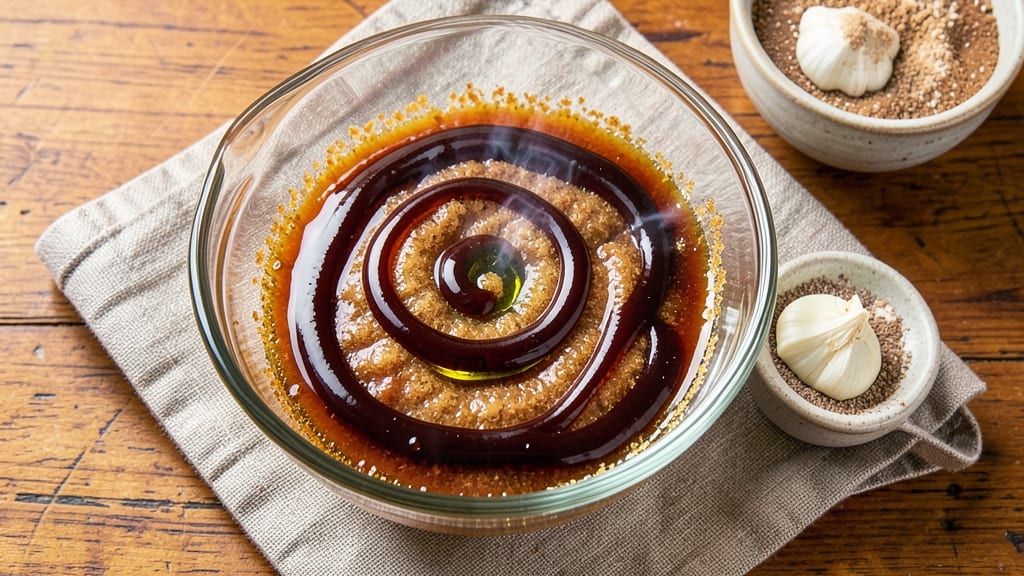
This beef spare ribs marinade transforms tough cuts into fall-off-the-bone tenderness with a perfect balance of smoky depth and sweet caramelization. The secret lies in a carefully crafted blend of brown sugar, molasses, and liquid smoke that builds flavor while breaking down connective tissue.
I developed this marinade after testing dozens of variations—each one tackling a specific challenge, from preventing dryness to maximizing bark formation.
The foundation uses apple cider vinegar for acidity that tenderizes while balancing the sweetness, paired with garlic and onion powder for aromatic layers. Olive oil carries the flavors deep into the meat, ensuring every bite delivers that rich, smoky-sweet profile we crave.
This marinade works equally well for grilling, smoking, or roasting, giving you flexibility for your preferred cooking method.
What sets this apart is the two-stage approach: first, the marinade breaks down fibers during the initial 4-6 hour rest, then the sugars caramelize during cooking to create that coveted dark, flavorful bark.
The result? Ribs so tender they practically melt in your mouth, with a crust that's crisp enough to stand up to napkins. No more dry, chewy ribs—just restaurant-quality results at home.
Perfect for meal prep or last-minute grilling, this marinade keeps well in the fridge for up to 5 days, making it ideal for busy schedules.
Whether you're smoking a full rack or grilling individual portions, this formula delivers consistent, professional-quality results every time. Let's get started on that flavor-packed marinade.
Ingredients for beef spare ribs marinade
Nine ingredients blend to create smoky-sweet magic for beef spare ribs.
| Ingredient | Amount | Notes |
|---|---|---|
| Apple Cider Vinegar 🍎 | ½ cup | Raw, unfiltered preferred for depth |
| Light Brown Sugar 🍚 | 1 cup | Packed tightly for accuracy |
| Molasses 🍯 | ¼ cup | Unsulphured for authentic flavor |
| Liquid Smoke 🔥 | 1 tbsp | Hickory or applewood preferred |
| Extra-Virgin Olive Oil 🫒 | ¼ cup | High-quality, fruity variety |
| Garlic Powder 🧄 | 2 tsp | Freshly ground preferred |
| Onion Powder 🧅 | 2 tsp | No added MSG |
| Smoked Paprika 🌶️ | 1 tbsp | For extra smoky depth |
| Diamond Crystal Kosher Salt 🧂 | 1 ½ tsp | Adjusts to taste |
| Black Pepper 🌶️ | 1 tsp | Freshly cracked |
The apple cider vinegar is non-negotiable—Bragg or local orchard brands have the best depth of flavor. Grab the unsulphured molasses from the baking aisle, not the coffee aisle (that's the sulphured kind). Liquid smoke varies wildly in intensity, so start with the recommended amount and adjust—Kirkland Signature is my go-to for consistency. The brown sugar should be packed tightly to avoid under-measuring; tap the cup gently on the counter to settle it. For the olive oil, California Avocado or Bertolli deliver that fruity punch without overpowering.
No liquid smoke? Smoked salt at double the amount works in a pinch, though it won't replicate the depth. Substitute white vinegar for apple cider, but add 1 tsp extra sugar to compensate. The smoked paprika can be swapped for regular paprika if you're out, but you'll lose that campfire aroma. For a sweeter profile, boost the molasses to 3 tbsp and reduce the sugar by 2 tbsp. If you're prepping ahead, make a double batch—the extra marinade doubles as a glaze when reduced. The garlic and onion powders are where you can get fancy: Simply Organic or Penzeys brands have superior flavor profiles.
This marinade keeps for 5 days in an airtight container in the fridge, but the flavors actually deepen after 24 hours—perfect for meal prep. For long-term storage, freeze in ice cube trays and transfer to a bag; each cube makes enough for 1 rack of ribs. When ready to use, thaw in the fridge overnight. The extra-virgin olive oil will separate slightly—just give it a good shake before using. If you've got leftovers after marinating, reduce them on the stove to make a glaze—simply simmer until thickened, then brush on during the last 15 minutes of cooking.
Why You'll Love This Recipe
- Here’s what sold me: the caramelized crust from the sugar and molasses paired with that deep, woodsy smoke. It’s like a BBQ hug—sticky, rich, and impossible to resist. (Yes, even on a Tuesday night.)
- Five-Ingredient Magic: I swear, you can’t mess this up. Just dump apple cider vinegar, brown sugar, and molasses into a bowl—no measuring cups, no fuss—and stir. That’s it. The liquid smoke and olive oil tie it all together while I’m still scrolling through my phone.
- Smoky-Sweet Obsession: Here’s what sold me: the caramelized crust from the sugar and molasses paired with that deep, woodsy smoke. It’s like a BBQ hug—sticky, rich, and impossible to resist. (Yes, even on a Tuesday night.)
- Leftovers? More Like Leftovers: I made a double batch last weekend, and we’re still eating them. The ribs keep beautifully in the fridge for 4-5 days, and the marinade doubles as a glaze if you reheat it. My kids beg for the dry ones—proof it works.
Step-by-step instructions for beef spare ribs marinade
This marinade builds deep flavor and that coveted bark—let's make it right.
Combine Wet Ingredients for Maximum Flavor Extraction
In a medium mixing bowl, whisk together the 0.5 cup apple cider vinegar and 1 cup light brown sugar until the sugar fully dissolves. The vinegar will create a syrupy base that penetrates the meat deeply, while the brown sugar begins caramelizing immediately—this is what creates that signature bark.
Next, stir in the 0.25 cup molasses and 1 tbsp liquid smoke. The molasses adds rich depth while the liquid smoke delivers that authentic barbecue aroma. Let the mixture sit for 5 minutes—you'll notice it thickens slightly as the sugars begin breaking down. This resting period ensures all ingredients meld together before hitting the ribs.
Incorporate Dry Seasonings for Balanced Depth
Add the 2 tsp garlic powder, 2 tsp onion powder, 1 tbsp smoked paprika, 1.5 tsp diamond crystal kosher salt, and 1 tsp black pepper to the wet mixture. Use a wooden spoon to stir vigorously for 2 full minutes—this ensures the dry spices fully disperse and create a cohesive paste rather than settling at the bottom.
The smoked paprika here is particularly important—it's not just for color. Its smoky notes complement the liquid smoke and create layers of flavor that develop during the cooking process. If you're using freshly cracked black pepper, you'll notice the aroma intensify as it mixes with the vinegar's acidity.
Finish with Oil for Even Coating and Sheen
Drizzle in the 0.25 cup extra-virgin olive oil while stirring continuously. The oil serves two critical purposes: it acts as an emulsifier that helps the other ingredients cling to the ribs, and it adds a subtle fruity note that balances the sweetness. Continue mixing until you achieve a smooth, glossy marinade that coats the back of a spoon.
Here's the thing—this marinade should be thick enough to cling but still pourable. If it's too stiff after mixing, add 1-2 teaspoons of water to reach the perfect consistency. The oil also prevents the vinegar from overpowering the meat, creating a more nuanced flavor profile.
Apply and Rest for Optimal Penetration
Transfer the marinade to a resealable plastic bag or shallow dish. Place the beef spare ribs in the bag, ensuring they're completely submerged. Seal the bag and massage the marinade into the meat for 2 minutes—this helps it penetrate the crevices and tough connective tissues.
Refrigerate the ribs for at least 4 hours, but I recommend 8-12 hours for maximum tenderness. The acidity in the vinegar begins breaking down collagen immediately, while the sugars and smoke flavors infuse deeply. Don't skip this resting period—it's what transforms tough ribs into melt-in-your-mouth perfection.
Pro Tips For Making Beef Spare Ribs Marinade
- Whisk, Don’t Stir: DESCRIPTION: Molasses and brown sugar clump like stubborn guests at a party if you just stir them. Grab that whisk and get aggressive—break up those lumps while warm liquids (like the vinegar) are still in the pot. I used to skip this, and my marinade ended up grainy. Now? Smooth as a barbecue pro’s sauce.
- Vinegar First, Always: DESCRIPTION: Pour the apple cider vinegar into the pot before adding sugar or molasses. It dissolves the sugars faster and prevents a sticky, uneven mess. I learned this after scraping burnt sugar off my saucepan—twice. Trust me, the vinegar’s acidity does the heavy lifting here.
- Liquid Smoke Last: DESCRIPTION: Add the liquid smoke right before using the marinade, not when mixing. It’s volatile—heating it or letting it sit too long kills that smoky punch. Stir it in just as you’re about to coat the ribs, or you’ll end up with a sad, flat flavor. (Yes, I’ve done this. No, I won’t do it again.)
- Oil Coats Better Cold: DESCRIPTION: Let the olive oil cool slightly before mixing it into the warm marinade. Hot oil can separate or turn the sugar into a gloppy sludge. I used to dump it straight from the bottle, and the marinade would split like oil and vinegar in a bad salad dressing. Now? Smooth every time.
Serving suggestions for leftovers
Classic Barbecue Sides
Serve your ribs with creamy coleslaw—I make mine with ½ cup mayonnaise, 2 tbsp apple cider vinegar, 1 tbsp Dijon mustard, and ½ cup shredded carrots for crunch. The tangy dressing cuts through the richness of the ribs beautifully. 🥬
For a smoky companion, try baked beans with a splash of the leftover marinade. Simmer 1 can (15 oz) baked beans with 2 tbsp of the marinade and 1 tbsp brown sugar for 10 minutes to deepen the flavor. The sweet-spicy notes mirror the ribs perfectly.
Fresh Vegetable Pairings
Grilled corn on the cob brushed with 2 tbsp butter and a pinch of smoked paprika adds a smoky, charred contrast. Serve with chopped cilantro and a squeeze of lime for brightness. The juicy sweetness balances the ribs' richness. 🌽
Roasted sweet potato wedges tossed in 1 tbsp olive oil, 1 tsp smoked paprika, and ½ tsp salt add earthy depth. Roast at 425°F for 25 minutes until caramelized. Their natural sweetness complements the smoky-sweet marinade.
Bread and Dips
Warm honey wheat dinner rolls with a garlic butter spread—mix 2 tbsp softened butter with 1 tsp garlic powder and a pinch of salt. The soft bread soaks up the rib juices beautifully. 🍞
For a dipping sauce, blend ½ cup sour cream, 2 tbsp ketchup, 1 tbsp apple cider vinegar, and ½ tsp smoked paprika. This tangy dip adds a creamy contrast to the crispy bark on the ribs.
Dessert Finisher
End the meal with peach cobbler—its juicy sweetness cleanses the palate after the smoky ribs. Use 2 ripe peaches, ½ cup sugar, and 1 tbsp cornstarch baked in a buttery crust. The warm, fruity notes provide a refreshing finish. 🍑
Nutrition facts
Frequently asked questions
Can I use this marinade for other meats besides beef spare ribs?
This marinade works beautifully on pork ribs, chicken thighs, and even steak! The molasses and liquid smoke add depth to tougher cuts, but for lean meats like chicken breast, reduce the marinating time to 2-3 hours to avoid over-tenderizing. For pork ribs, you can increase the molasses to 3 tbsp for extra richness.
How do I prevent my ribs from drying out when using this marinade?
Never skip the 4-6 hour marinating time—the vinegar and sugar work together to break down collagen while keeping the meat moist. After cooking, wrap the ribs in foil for the first 2 hours to retain juices, then uncover for the final 30 minutes to develop that perfect bark. A meat thermometer is your best friend: pull ribs at 195°F internal temp.
What's the best way to store leftover marinade?
Transfer unused marinade to an airtight container and refrigerate for up to 5 days. For longer storage, freeze in ice cube trays—each cube makes enough for 1 rack of ribs. Thaw overnight in the fridge. Pro tip: Reduce leftover marinade on the stove to make a glaze—simmer until thickened, then brush on during the last 15 minutes of cooking.
Can I make this marinade without liquid smoke?
Replace the 1 tbsp liquid smoke with 2 tbsp smoked salt for a similar effect. For extra depth, add 1 tsp chipotle powder or a dash of hickory extract. The smoky flavor will be subtler but still delicious. If you're grilling, charring the ribs over wood chips will also add natural smoke aroma.
How do I adjust this marinade for a sweeter or spicier profile?
For sweeter ribs, increase the molasses to 3 tbsp and reduce the brown sugar by 2 tbsp. For heat, add ½ tsp cayenne pepper or 1 tbsp hot sauce. If you want both, boost the molasses to 3 tbsp and add ½ tsp cayenne—just remember to balance with extra vinegar (1 tsp) to prevent overpowering the meat.