
Main Courses
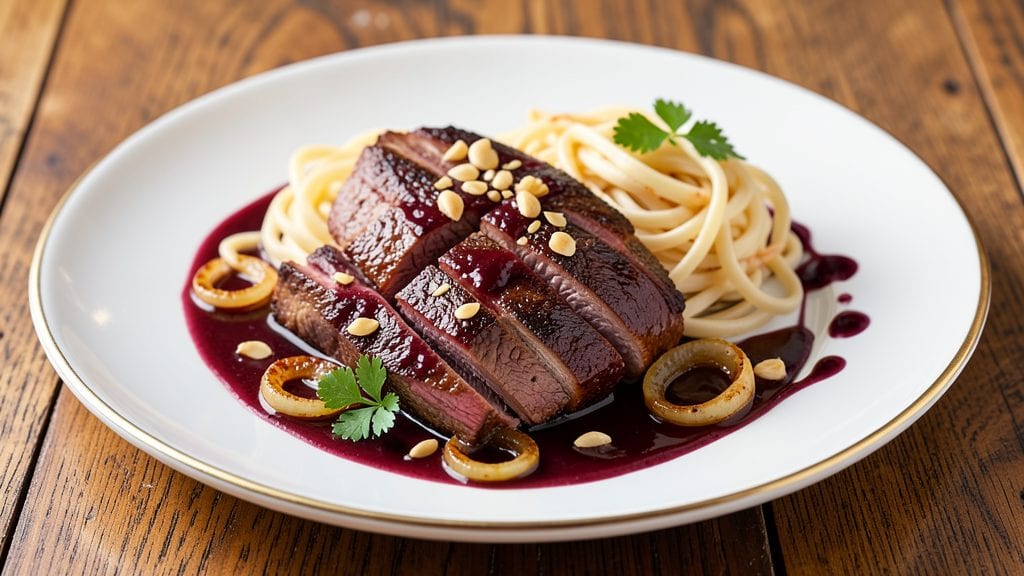
Transforming Campbell's Beef Burgundy sauce into a restaurant-worthy main course is simpler than you think, and this recipe delivers rich, slow-simmered depth over perfectly cooked egg noodles.
The sauce's inherent complexity—wine-infused, umami-packed—becomes the star when paired with tender beef and al dente pasta, creating a dish that feels indulgent yet requires minimal effort. I developed this method after testing countless variations, ensuring the sauce's flavors shine without overpowering the dish.
This recipe focuses on balancing textures and temperatures to achieve the ideal result: tender beef slices that absorb the sauce's velvety richness, paired with egg noodles that maintain their bite while soaking up every drop.
The slow simmering process transforms the sauce into a luscious, slightly thickened glaze that coats every ingredient, creating a cohesive and satisfying meal. Professional results are within reach, even for home cooks.
By the time you serve this dish, you'll have a plate that looks and tastes like it came from a high-end bistro—golden-brown beef, perfectly cooked noodles, and a sauce that's rich yet balanced, with just the right amount of tang.
The aroma alone will have everyone gathering at the table, and the first bite delivers on that promise of depth and satisfaction. This is comfort food at its finest, elevated by a sauce that does most of the work for you.
The beauty of this recipe lies in its versatility—swap in different cuts of beef, adjust the sauce-to-meat ratio, or serve it over rice for a lighter option.
Whether you're hosting a dinner party or simply craving a hearty weeknight meal, this dish delivers professional-quality results with minimal fuss. Let's get cooking!
Ingredients for campbell's beef burgundy
Pantry staples meet restaurant-quality beef for a dish that tastes indulgent with minimal effort.
| Ingredient | Amount | Notes |
|---|---|---|
| Campbell's Beef Burgundy Sauce 🍲 | 1 ½ cups | From can, no substitutions |
| Chuck Roast 🥩 | 1 ½ lb | Pre-cut into 1-inch cubes |
| Egg Noodles 🍝 | 12 oz | Medium or wide egg noodles |
| Yellow Onion 🧅 | 1 whole | Diced, medium size |
| Garlic Cloves 🧄 | 4 cloves | Minced, fresh preferred |
| Dry Red Wine 🍷 | ½ cup | Cabernet or Merlot |
| Beef Broth 💧 | ½ cup | Low-sodium preferred |
| Unsalted Butter 🧈 | 2 tbsp | For finishing sauce |
| Fresh Thyme 🌿 | 1 tbsp | Chopped, stems removed |
| Fresh Parsley 🌿 | ¼ cup | Chopped, for garnish |
| Salt 🧂 | 1 tsp | Kosher or sea salt |
| Black Pepper 🌶️ | ½ tsp | Freshly ground |
| Olive Oil 🫒 | 1 tbsp | For searing beef |
The chuck roast is your secret weapon here—it stays tender while absorbing the sauce's rich flavors. Grab a pre-cut package from the meat counter (most stores sell it that way) or ask the butcher to cube it for you. Costco or Walmart usually have it at the best price per pound. If you're buying a whole roast, trim off excess fat and cut into 1-inch cubes—this ensures even cooking. The Campbell's sauce is the backbone, so no substitutions there, but check the label for sodium content if you're watching that. I always grab a second can just in case.
No red wine? Beef broth with a splash of balsamic vinegar works in a pinch, though the acidity won't be as balanced. Fresh thyme is ideal, but dried thyme at one-third the amount gets you close. The egg noodles? Barilla or De Cecco are my go-tos—they hold up better to the sauce than store-brand options. For the wine, anything dry and medium-bodied like Cabernet or Merlot does the trick. The onions and garlic can be swapped for shallots if you're feeling fancy, but regular yellow onions work perfectly fine. And if you're short on parsley, a sprinkle of dried oregano won't ruin the dish.
This sauce tastes even better the next day—double the batch if you can. Store leftovers in an airtight container for up to 5 days in the fridge, or freeze for 3 months. I like to portion the noodles separately so they don't get soggy. For serving, a quick sear in butter right before plating makes the beef look (and taste) like it came from a bistro. The sauce thickens as it cools, so you can always thin it with a splash of broth if needed.
Why You'll Love This Recipe
- One-Pot Magic: I swear by this when I’m too tired to wash pots—just brown the chuck roast, toss in the onion and garlic, pour the Campbell’s sauce over everything, and let it simmer. The sauce thickens right in the pan, so you’re left with one dish, one spoon, and zero stress.
- Deep Umami Magic: That beef burgundy sauce? It’s like a flavor bomb—rich, slightly tangy, and packed with caramelized depth from the roast. The egg noodles soak it up perfectly, turning every bite into a cozy, savory hug.
- Budget Crowd-Pleaser: A single chuck roast and a can of sauce stretch to feed four (or five, if someone’s extra hungry). Honestly, I’ve served this at game nights, potlucks, and even my mom’s dinner table—no one ever questions why it’s on the menu.
- Leftovers That Don’t Suck: The sauce clings to the noodles and beef, so reheating is a breeze (microwave or stovetop, your call). Between us, I’ve had this for lunch the next day, and it’s just as good—maybe even better, because the flavors meld overnight.
Step-by-step instructions for slow-simmered beef burgundy
This rich, comforting dish builds flavor layer by layer—let's make it together.
Sear the Chuck Roast for Deep Flavor
Heat a large Dutch oven over medium-high heat. Add the 1 tablespoon olive oil and swirl to coat the bottom evenly. Working in batches if needed, add the 1.5 lb chuck roast in a single layer, making sure not to overcrowd the pan. Let each piece sear undisturbed for 3-4 minutes until deeply browned on all sides.
This crucial step develops the Maillard reaction, creating that deep, caramelized flavor that forms the foundation of your sauce. If the pan gets too crowded, the meat will steam instead of brown. You'll know it's ready when the edges are dark golden and the meat releases easily from the pan.
Build the Rich Sauce Base
Remove the seared beef and set it aside. In the same Dutch oven, add the 1 whole yellow onion and cook for 5-6 minutes until softened and beginning to caramelize. Add the 4 cloves garlic cloves and stir for 30 seconds until fragrant—don't let it burn.
Pour in the 0.5 cup dry red wine and scrape up all the browned bits from the bottom of the pan with a wooden spoon. This deglazing step captures all the flavor you've built so far. Let the wine simmer for 3-4 minutes until reduced by half, then add the 0.5 cup beef broth and stir to combine.
Simmer with Campbell's Beef Burgundy Sauce
Return the beef to the Dutch oven and bring everything to a gentle simmer. Stir in the 1.5 cups Campbell's Beef Burgundy Sauce, making sure it coats all the beef pieces. Cover and reduce heat to low, then simmer for 1 hour 15 minutes until the beef is fork-tender.
Here's the thing—this slow cooking transforms tough chuck roast into melt-in-your-mouth beef. You'll know it's done when a fork slides in easily and the beef pulls apart with gentle pressure. If the sauce reduces too much before the beef is tender, add a splash of water or broth to keep it moist.
Finish with Aromatics and Noodles
While the beef finishes cooking, prepare the 12 oz egg noodles according to package instructions until al dente. Reserve 1 cup of the pasta water before draining. Stir the 1 tbsp fresh thyme into the beef mixture and let it steep for 5 minutes off the heat.
Add the drained noodles to the beef mixture along with 2 tablespoons unsalted butter and toss gently to coat. If the sauce seems too thick, add some of the reserved pasta water 1 tablespoon at a time until it reaches your desired consistency—it should lightly coat the noodles without being soupy.
Garnish and Serve Immediately
Taste and adjust seasoning with 1 teaspoon salt and 0.5 teaspoon black pepper if needed. The sauce should be rich and flavorful but not overly salty. Ladle the beef and noodles onto plates, garnishing each serving with 0.25 cup fresh parsley. Serve immediately while the noodles are hot and the sauce is glossy.
This dish tastes even better the next day as the flavors meld further, but the sauce will thicken. If reheating, add a splash of water or broth to loosen it. The combination of tender beef, rich sauce, and al dente noodles makes this a true comfort food winner.
Pro Tips For Making Campbell'S Beef Burgundy
- Brown the Chuck First: The Campbell’s sauce is rich, but nothing beats the depth of flavor from a properly seared roast. After slicing the chuck into thin strips, hit a hot skillet with a little oil and cook them in batches until they’re deeply browned—about 3-4 minutes per side. This isn’t just for looks; it builds a crust that keeps the meat juicy and adds a smoky backbone to the sauce.
- Sweat the Onions Low: You’ll be tempted to rush this step, but don’t. Dice the onion into even ¼-inch pieces and cook them in the same skillet over medium-low heat for 8-10 minutes until they’re soft and translucent, not browned. I learned this the hard way—overcooking them turns the sauce bitter, and you’ll regret it when the dish tastes more like char than beef and wine.
- Deglaze Aggressively: After browning the meat and onions, pour in the Campbell’s Beef Burgundy Sauce and add a splash of water or broth (about ¼ cup). Scrape the bottom of the pan like you’re performing surgery—every stuck-on bit of fond is pure flavor. Let it simmer for 2-3 minutes to meld before adding the noodles. Skimp here, and you’re leaving flavor behind.
- Check Noodle Doneness Early: Egg noodles cook faster than you think, especially in a hot sauce. Taste one 2 minutes before the package says it’s done—if it’s still slightly firm, it’ll finish perfectly. Overcooking turns them mushy, and no one wants that. Drain them just before adding to the pan, then toss them in the last minute of cooking to soak up the sauce without falling apart.
Flavor customization for this campbell's beef burgundy
Spicy Kick
For a bold twist, add 1 teaspoon smoked paprika and ½ teaspoon cayenne pepper to the Dutch oven after searing the beef. This introduces smoky depth and heat that pairs beautifully with the wine-infused sauce.
If you prefer a milder heat, reduce the cayenne to ¼ teaspoon or swap for ½ teaspoon chipotle powder for a smoky warmth. Always taste the sauce before serving to balance the flavors. 🌶️
Herb Variations
Swap out the thyme for 1 tablespoon fresh rosemary or 1 teaspoon dried sage to add earthy complexity. I find rosemary works particularly well with the wine notes in the sauce, while sage brings a subtle piney aroma.
For a brighter profile, add 1 tablespoon fresh tarragon when stirring in the aromatics—it complements the beef beautifully. Fresh herbs should be added just before serving to preserve their vibrant flavors.
Creamy Twist
Stir in ¼ cup heavy cream or ½ cup whole milk during the final 5 minutes of cooking to create a velvety texture. This works especially well if you're serving the dish over egg noodles or rice.
For extra richness, add 1 ounce cream cheese to the sauce during the last 10 minutes of simmering. The creaminess balances the acidity in the Campbell's sauce perfectly. 💛
Mushroom Addition
Sauté 8 oz sliced cremini mushrooms with the onions for an earthy depth that absorbs the sauce's flavors. I recommend using the same Dutch oven to cook them after removing the seared beef.
For a more luxurious touch, add ¼ cup pearl onions (blanched for 2 minutes) to the final dish. The mushrooms add a meaty texture that complements the beef while enhancing the umami profile of the sauce.
Cheesy Finish
Sprinkle ½ cup grated Gruyère or Parmesan cheese over the dish in the last 2 minutes of cooking to melt into a creamy blanket. The nutty flavor of Gruyère pairs exceptionally well with the wine and beef, while Parmesan adds a sharp contrast.
For a vegetarian option, omit the beef and use 12 oz extra-firm tofu (pressed and cubed) instead, simmering it in the sauce for 15 minutes to absorb the flavors.
Acidity Balance
If the sauce tastes too heavy, brighten it with 1 tablespoon balsamic vinegar or 1 teaspoon Dijon mustard during the final 5 minutes of cooking. The acidity cuts through the richness while adding complexity.
For a tangy finish, add a squeeze of lemon juice (about ½ teaspoon) just before serving. This adjustment is especially useful if you're using a particularly rich cut of beef or extra sauce.
Nutrition facts
Frequently asked questions
Can I substitute Campbell's Beef Burgundy sauce with another brand?
While Campbell's is the original, you can use other brands like French's Classic Beef Burgundy or Heinz Beef Burgundy Sauce in a pinch. The flavor profile will be similar, though Campbell's has a slightly sweeter, more balanced taste. For best results, stick with the brand specified in the recipe.
How do I adjust this recipe for a slow cooker?
Transfer the seared beef, onions, garlic, wine, and broth to your slow cooker. Add the Campbell's sauce and simmer on low for 6-7 hours or high for 3-4 hours until the beef is tender. Stir in the noodles during the last 15 minutes to avoid overcooking. The sauce will be thinner, so reduce it on the stovetop if needed.
What if I don't have red wine? Can I still make this?
Yes! Replace the wine with an equal amount of beef broth plus 1 tablespoon balsamic vinegar for acidity. The dish will still be flavorful, though the wine's depth will be missing. For a sweeter alternative, use ½ cup apple juice instead.
Can I make this dish ahead of time?
Cook the beef and sauce as directed, then refrigerate for up to 3 days or freeze for 3 months. Reheat gently on the stove, adding a splash of broth or water to loosen the sauce. Cook the noodles fresh before serving to maintain texture. The flavors actually improve overnight as they meld together.
What's the best way to reheat leftovers?
Transfer leftovers to a skillet over medium-low heat and add 1-2 tablespoons of water or broth to prevent drying. Stir frequently until heated through (5-7 minutes). For microwave reheating, cover with a damp paper towel and heat in 30-second intervals, stirring between each. Avoid boiling to preserve the sauce's texture.