
Soups & Stews
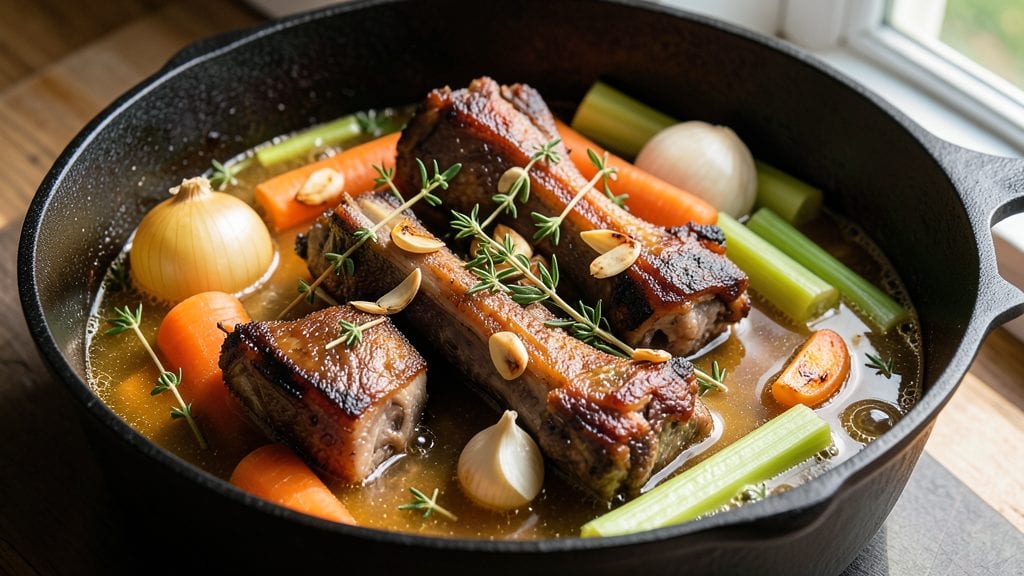
Ina Garten’s beef stock recipe transforms simple ingredients into a deep umami base that elevates soups, stews, and sauces to restaurant-quality depth. The secret lies in slow simmering—no rushed shortcuts here.
I’ve adapted her method to ensure every sip delivers that rich, velvety flavor you crave, with a technique that’s foolproof yet refined.
This recipe starts with a foolproof roast—the bones and meat contribute collagen and natural flavors that build complexity over hours. No need for fancy equipment; a heavy pot and patience are all you’ll need.
The result? A stock so flavorful, it becomes the star of any dish, not just a supporting player.
By the time you strain the finished stock, you’ll have a golden, aromatic liquid that’s worth its weight in flavor. It’s the kind of base that makes even the simplest soup taste like a labor of love.
Perfect for freezing and using all season, this stock will become your kitchen’s secret weapon.
Whether you’re prepping for a holiday feast or just want to deepen the flavor of your weeknight cooking, this method delivers professional results with minimal effort. Let’s get started—your taste buds will thank you.
Ingredients for ina garten beef stock
Four pounds of bones plus pantry staples create the richest beef stock you'll ever make.
| Ingredient | Amount | Notes |
|---|---|---|
| Beef Bones 🦴 | 4 lb | Marrow and knuckle bones preferred |
| Yellow Onion 🧅 | 1 whole | Cut into quarters, skins on |
| Carrots 🥕 | 3 whole | Cut into large chunks, peeled |
| Celery Stalks 🌿 | 4 whole | Cut into 2-inch pieces |
| Garlic Cloves 🧄 | 4 cloves | Smashed with side of knife |
| Fresh Thyme Sprigs 🌿 | 4 whole | Or 1 tbsp dried thyme |
| Fresh Parsley Sprigs 🌿 | 4 whole | For finishing, not cooking |
| Tomato Paste 🍅 | 2 tbsp | High-quality, no sugar added |
| Red Wine Vinegar 🍷 | ½ cup | Or apple cider vinegar |
| Bay Leaves 🌿 | 2 whole | Fresh preferred |
| Salt 🧂 | 1 tsp | Kosher or sea salt |
| Black Peppercorns 🌶️ | 10 whole | Crushed slightly |
| Cold Water 💧 | 12 cups | Enough to cover ingredients |
The bones are everything here. Marrow and knuckle bones give you that signature depth, but don't stress if you can only find short ribs or chuck roast—just add a little more time. Costco or your butcher shop are best for quality bones. Look for bones that are still slightly meaty—they'll give you both collagen and flavor. If you're using pre-made roast, trim off any excess fat first. The onion, carrots, and celery are your flavor base—don't skip them, even if you're in a hurry. Fresh thyme and parsley add brightness, but dried works in a pinch (use half the amount).
No red wine vinegar? Apple cider vinegar or lemon juice will work just fine. Short on bay leaves? Double the thyme. The tomato paste might seem odd, but it adds that umami punch without overpowering. If you're making a big batch, Trader Joe's sells tomato paste in those handy squeeze tubes—no waste, and it keeps for months. The water should be cold when you start, but it'll heat up as the stock simmers. Don't rush this part—patience is the secret to restaurant-quality flavor. And trust me, the extra 30 minutes is worth it.
This stock gets better with time, so don't be shy about making a big batch. It keeps 5 days in the fridge or 6 months in the freezer. I like to portion it into 1-cup ice cube trays—perfect for adding to soups or sauces later. The fat will solidify on top when chilled, so just scoop it off before using. Store it in a glass jar for the best flavor. And if you're feeling fancy, reserve some of the strained veggies to make a quick pan sauce—it's like having a secret ingredient.
Why You'll Love This Recipe
- No-Chop Necessary: I swear by this recipe because it’s the only beef stock I’ll make when I’m too tired to dice. Toss in whole onions, carrots, and celery stalks—no peeling, no slicing, just drop ‘em in. The bones do all the work while you sip wine and pretend you’re not cooking.
- Deep Umami Magic: That garlic and onion caramelizing on the bones? Chef’s kiss. The slow simmer pulls out flavors so rich, it turns even simple soups or mashed potatoes into something restaurant-worthy. Honestly, I’ve used this stock in everything from gravy to braised short ribs, and it’s always the star.
- Weeknight Workhorse: I make a big batch on Sundays, and it lasts me all week—no stress, no last-minute store runs. Freeze half for when I’m too lazy to cook, and the rest becomes the base for chili, risotto, or even a quick pan sauce. It’s my secret to effortless home-cooked meals.
- Budget That Works: Beef bones are cheap, and this recipe stretches them into gallons of liquid gold. Between us, I’ve fed my whole family for days on just one stockpot. Plus, the leftovers? Even better the next day—if there are any, because they usually disappear fast.
Step-by-step instructions for Ina Garten's beef stock recipe
Here's how to create a velvety, deeply flavorful stock that forms the backbone of countless soups and sauces.
Prepare and Roast the Beef Bones
Preheat your oven to 425°F. Pat the 4 lb beef bones completely dry with paper towels—this ensures maximum browning and flavor extraction. Place them on a rimmed baking sheet and roast for 45 minutes, turning occasionally, until they develop a deep golden brown crust. The color change signals the release of rich, caramelized flavors that will infuse your stock.
Here's the thing—don't skip this roasting step. Raw bones alone won't give you that deep umami punch that sets this stock apart. I like to turn them every 10-15 minutes to ensure even browning on all sides. The bones should smell nutty and toasty when done, almost like freshly ground coffee beans.
Sauté the Vegetables and Aromatics
While the bones roast, peel and cut the 3 whole carrots into large chunks and the 4 whole celery stalks into 2-inch pieces. Quarter the 1 whole yellow onion and smash the 4 cloves garlic with the side of your knife. In a large stockpot, heat the roasted bones over medium heat for 5 minutes to warm through, then remove them and set aside.
In the same pot, add the vegetables and aromatics. Cook for 8-10 minutes, stirring occasionally, until they soften and begin to release their natural juices. You'll see the onions turn translucent and the carrots start to caramelize slightly at the edges. This step builds the foundation of your stock's flavor profile—don't rush it. The vegetables should smell sweet and earthy when properly cooked.
Build the Stock Base
Return the roasted bones to the pot. Add the 4 whole fresh thyme sprigs, 2 whole bay leaves, 10 whole black peppercorns, 1 tsp salt, 2 tbsp tomato paste, and 0.5 cup red wine vinegar. The vinegar helps extract collagen from the bones, while the tomato paste adds depth. Stir everything together, then pour in the 12 cups cold water. The water should cover all ingredients by about 1 inch—this ensures even extraction.
Bring the mixture to a boil over high heat, then immediately reduce to a gentle simmer. Here's where patience pays off: skim off any foam or impurities that rise to the surface during the first 15 minutes of cooking. This gives you a crystal-clear stock. The liquid should bubble softly—you're not looking for a rolling boil, just steady, quiet simmering that coaxes out the flavors without breaking down the bones too quickly.
Simmer for Maximum Flavor Extraction
Cover the pot and simmer for 3-4 hours, maintaining a gentle bubble. I know it seems like a long time, but this slow cook is what transforms simple ingredients into liquid gold. Check the liquid level occasionally—add hot water as needed to keep the bones covered. After about 2 hours, the stock should have reduced slightly and taken on a rich, amber color with visible particles suspended in the liquid.
Here's what to watch for: the bones should become soft enough that a spoon slides in easily, and the vegetables should be completely tender. If you press a bone with a spoon and it gives slightly, you're on the right track. The stock should smell like a warm, spiced forest—earthy, slightly sweet, with that deep umami note from the roasted bones. This is the moment that matters: when the stock has absorbed all the collagen and gelatin from the bones, creating that signature velvety texture.
Strain and Finish
After simmering, remove the pot from heat and let the stock sit for 10 minutes. This resting period allows any settled particles to sink to the bottom. Line a fine-mesh strainer with cheesecloth or a coffee filter if you want an especially clear stock, then carefully strain the liquid into a clean bowl or pitcher. Discard the solids—you've extracted every last bit of flavor from them.
For the final touch, stir in the 4 whole fresh parsley sprigs while the stock is still warm. Let it steep for 5 minutes, then remove the parsley. The stock should now have a beautiful amber hue and a rich, complex aroma. Taste and adjust seasoning if needed—you might want to add a pinch more salt or a splash of vinegar to brighten the acidity. This stock keeps beautifully in the refrigerator for up to 5 days or can be frozen for 3 months, making it the perfect base for countless dishes.
Pro Tips For Making Ina Garten Beef Stock
- Brown Bones First: I learned this the hard way—don’t toss those beef bones straight into cold water. Sear them in batches over high heat until deep brown, even if it takes 15 minutes. That crust is where the flavor lives, and skipping it means a stock that tastes more like watered-down broth.
- Chop Veggies Unevenly: Carrots and celery stalks don’t need to be perfect cubes. Roughly chop them into 1-inch chunks—some thicker, some thinner—so they release flavor at different rates. This keeps the stock rich as it simmers, not just at the end when everything turns to mush.
- Don’t Rush the Simmer: A rolling boil ruins stock by clouding it. Keep it at a gentle simmer—tiny bubbles breaking the surface, maybe 180°F (82°C)—or you’ll end up with a murky liquid instead of golden clarity. Sounds boring, but it’s the thing that matters most.
- Strain Twice: After simmering, line your strainer with cheesecloth or a coffee filter for the final pass. This catches the last bits of sediment that a regular strainer misses, leaving you with a silky-smooth stock. Yes, it’s an extra 30 seconds, but your future goulash will thank you.
Serving suggestions for this dish
Classic Pairings
Serve your rich beef stock alongside Ina Garten’s Beef Bourguignon—the deep umami notes of the stock enhance the wine-braised beef and mushrooms beautifully. The stock’s velvety texture also elevates creamy potato leek soup, adding a luxurious depth without overpowering. 🍲
Garnishing Like a Pro
For a restaurant-worthy finish, float a drizzle of high-quality olive oil (like California Gold) and a sprinkle of fresh parsley or chives on soups made with this stock.
A pinch of crushed black pepper and a few toasted breadcrumbs add texture and warmth. I love adding a thin slice of crusty baguette on the side for dipping.
Wine Pairings
A bold Cabernet Sauvignon or Syrah complements the stock’s deep, meaty flavors perfectly. For lighter dishes like consommé, a Chardonnay with buttery notes balances the richness. If you’re serving a hearty stew, a Malbec from Argentina brings out the stock’s caramelized depth. 🍷
Global Twist
Transform your stock into a French-style consommé by clarifying it with egg whites and consommé cubes. For an Italian touch, use it as the base for risotto alla Milanese, adding a splash of saffron-infused stock at the end.
In Asian-inspired dishes, reduce the stock with soy sauce and ginger for a quick glaze for grilled meats.
Make-Ahead Magic
Freeze your stock in 1-cup portions for easy use in future recipes. Label containers with the date and recipe name—this way, you’ll always have a flavorful base ready. I keep a batch in my freezer specifically for homemade ramen broth, where it adds incredible richness. 🧊
Presentation Tips
When serving soups or sauces made with this stock, use clear glass bowls to showcase its golden hue. For stews, garnish with fresh herbs or a dusting of smoked paprika for visual appeal.
A sprig of rosemary tied with twine adds a rustic touch that elevates any dish. Presentation matters—even with something as simple as stock!
Nutrition facts
Frequently asked questions
Why roast the beef bones before making stock?
Roasting develops deep, caramelized flavors that infuse the stock with rich umami notes. The Maillard reaction creates complex compounds that transform simple ingredients into something extraordinary. Skip this step, and your stock will taste flat compared to the restaurant-quality depth you get from properly roasted bones.
Can I use regular beef broth instead of making stock?
While it's convenient, homemade stock delivers far superior flavor and texture. Store-bought broth often contains preservatives and lacks the gelatinous richness from slow-cooked bones. For Ina Garten's signature depth, the homemade method is worth the effort—your taste buds will notice the difference immediately.
How do I know when the stock is done?
The stock is ready when the bones are soft enough to slide a spoon through and the liquid has reduced to a rich amber color. It should smell like warm, spiced forest with deep meaty notes. Most importantly, it should have a velvety texture when chilled—this indicates proper collagen extraction from the bones.
What's the best way to store leftover stock?
Let your stock cool completely, then store it in airtight containers. It keeps 5 days in the fridge or 6 months in the freezer. For easy portioning, freeze in 1-cup ice cube trays—perfect for adding to soups or sauces later. The fat will solidify on top when chilled, so simply scoop it off before using.
Can I make this stock in a slow cooker?
Follow the same steps, but transfer everything to your slow cooker after the initial sauté. Cook on low for 8-10 hours instead of 3-4 hours on the stove. The slow cooker maintains gentle heat perfectly, which is ideal for extracting maximum flavor from the bones. Just remember to skim any foam that rises during the first hour.